
Original Article
From Flexibility to Fulfilment: A Study of Hybrid Work Environment on Employee Commitment and Holistic Wellbeing
|
Sonam Kumari 1* Dr. Harminder
Kaur Gujral 2 1 MBA, HR, Amity Business School, Amity University, Sector-125, Noida, Uttar Pradesh, India 1 Amity Business School, Amity University, Sector-125, Noida, Uttar
Pradesh, India |
|
|
|
ABSTRACT |
||
|
The model shift toward hybrid work environments represents one of the most significant structural transformations in the history of organizational behaviour. As enterprises transition from the reactive remote work policies necessitated by the COVID-19 pandemic to formalized hybrid models in the 2024-2026 era, the focus of academic and managerial inquiry has moved beyond operational feasibility to the sustainability of human capital. This comprehensive research investigates the profound implications of hybrid work arrangements on two critical organizational outcomes: Employee Commitment, examined through Meyer and Allen’s Three-Component Model (Affective, Continuance, Normative), and Holistic Wellbeing, encompassing physical, mental, and social dimensions. Drawing upon an exhaustive review of empirical literature, longitudinal studies, and theoretical frameworks including Social Exchange Theory and the Job Demands-Resources Model, this study identifies a "Paradox of Flexibility." While hybrid arrangements significantly enhance Continuance Commitment through the provision of autonomy and cost savings, they simultaneously threaten Affective Commitment by eroding social capital and latent workplace functions. Furthermore, the paper reveals a complex dichotomy in wellbeing outcomes: while employees gain relief from commuting stress, they face rising risks of sedentary behaviour, digital exhaustion, and social isolation. The findings suggest that moving from mere flexibility to genuine fulfilment requires a strategic re-architecting of the "psychological contract," placing a premium on intentional social engineering, the mitigation of proximity bias, and the protection of manager wellbeing. Keywords: Hybrid Work, Employee Commitment,
Holistic Wellbeing, Social Exchange, Meyer and Allen Model, Digital
Exhaustion, Human Capital Sustainability |
||
INTRODUCTION
The Hybrid Work
Environment is the combining remote working with office working is an emerging
trend that has provided good results for many organisations after the COVID-19
pandemic. The focus of researchers on developing their understanding of how
hybrid working might affect employee commitment and holistic well-being is
likely to evolve, as hybrid work offers an innovative way to manage and support
the participation of employees in the workforce. A hybrid work model combines
flexibility with a level of structured interactions; consequently, employees
have greater control over their work hours while also retaining opportunities
for collaboration and the development of social ties with their colleagues. The
combination of these features of the hybrid work environment is likely to
create conditions that promote improved levels of employee commitment through
enhanced levels of job satisfaction and engagement Hopkins
and Bardoel (2023), Putri
(2025).
While hybrid work
arrangements generally favour the establishment of employee commitment, they do
so through the achievement of an equitable mix between flexibility and
connectivity within the organisation. By providing employees with flexibility
in work location and hours, they can more effectively manage boundaries between
their work and personal lives, thereby reducing role conflict and reducing the
pressures associated with fixed office hours Chan and Kinman (2024). By introducing structured in-office
workdays, organisations enhance their employees’ connection to organisational
culture and provide the foundation upon which their employees will be able to
identify and develop affective commitment through their membership and sense of
belonging within the organisation. Research indicates that providing suitable
leadership behaviours and communication processes are essential to nurturing
employee commitment in a hybrid work environment, as they enable employees to connect
with the goals and values of the organisation, despite being physically
separated Mustajab
(2024).
In terms of
holistic well-being, hybrid work models consider several dimensions; including
physical, emotional and social. Hybrid arrangements improve work-life balance
through the flexibility of working from home, thereby reducing the potential
for increased stress and burnout while also supporting mental well-being Singh et
al. (2024). Increased job satisfaction and reduced
work-related stress have also been reported by employees because of better
workload management and control over time Putri
(2025). In addition, hybrid arrangements reduce
some of the negative experiences of remote work such as social isolation and
workplace cyberbullying by incorporating opportunities for periodic
face-to-face interaction, which in turn provides support for social well-being,
and reduces the negative psychological effects associated with these
experiences Aboobaker
and Shanujas (2025).
Moreover, holistic
well-being in hybrid work arrangements includes not only the absence of
negative outcomes but also the presence of positive outcomes such as
engagement, fulfillment, and personal development. Employee well-being and
innovative behaviours are enhanced by workplace spirituality and individual
values when organizational culture supports them. Additionally, these factors
serve as intermediaries for enhancing employee commitment Salem et
al. (2023). Finally, sustainable hybrid work designs
informed by theories such as Conservation of Resources (COR) outline the
importance of time to accumulate resources, social support, and the physical
environment as foundations of employee well-being, commitment, and performance Hopkins
and Bardoel (2023).
Although these are
advantages of hybrid working, there are also challenges to be addressed.
Challenges include managing blurred lines between work and home life, which can
ultimately harm employees' resources and impact their wellbeing if there are
insufficient organizational policies to support them Chan and Kinman (2024). To maintain the positive effects on
commitment and wellbeing associated with hybrid working, employers must provide
employees with ergonomic equipment, programs that support mental health, and
personalized programs that promote wellbeing as well as create inclusive
workplace cultures Telu and Kumar (2025).
Objectives of the study
1)
To
examine the relationship between hybrid work arrangements and employee’s
affective organisational commitment, testing whether perceived flexibility is
positively associated with emotional attachment to the organisation.
2)
To
assess the effect of hybrid work on holistic employee wellbeing,
operationalised across mental, physical, social, and eudaimonic dimensions.
3)
The
study investigates the moderating role of organisational support and managerial
trust in shaping these relationships specifically, whether their presence
strengthens the link between hybrid flexibility and positive outcomes.
4)
The
research explores whether wellbeing mediates the relationship between hybrid
work and commitment, thereby offering a more complete explanatory account of
the mechanisms at play.
Literature Review
Mateen
et al. (2026) researched how new
hybrid work arrangements have affected employees from three different sectors
(technology, education and finance) in terms of their productivity on the job;
how much they experience digital burnout; and how these factors have influenced
their mental health. The authors found that while hybrids allow employees
increased flexibility and productivity levels, they have introduced
moderate-high levels of digital burnout, including mental fatigue and a
continued challenge of being able to disconnect once their workday ends.
Additionally, their results showed that organizations' support helped to offset
the negative effects of screen time on job satisfaction. Lastly, they presented
a paradox: when employees have been provided with greater autonomy from their
companies many employees report experiencing greater stress/emotional strain
and screen fatigue. The authors concluded that to ensure employees maintain
holistic wellbeing in a hybrid work environment, managers and employers must
provide proactive managerial support and create opportunities for employee
digital detox to help mitigate the competing demands of hybrid productivity or
overall mental health of employees.
Dale et al. (2024) performed qualitative research to look into
the lived experiences of hybrid workers related to their well-being and health.
Researchers indicated that hybrid work is a "double-edged sword" that
may function as either a job resource or as a job demand, depending on how it
was implemented by the organisation. Positive aspects of hybrid work included
improved sleep, improved nutrition, and increased physical activity, resulting
in higher energy levels and a greater sense of autonomy. Significant negative
aspects included isolation, work extensification, and physical health issues
related to lack of movement and poor ergonomic design (due to sedentary work).
Thus, healthy hybrid work required multi-dimensional approaches; organisations
needed to provide formal support mechanisms, and employees needed to accept
personal accountability for establishing boundaries and having social
connections.
Dong
et al. (2025) examined how remote work impacts employees'
well-being, looking at this through the lens of job engagement. The authors
evaluated remote work-from-home arrangements as having both a
"double-edged sword" and as such, could have a positive effect on
mental health through decreased commuting time and improved work-life balance,
and yet also can negatively affect it through social isolation and blurred
professional roles. Additionally, the authors hypothesized that job engagement
serves as a mediator with the autonomy provided by flexible work arrangements
motivating employees to feel that they can approach their work with greater
passion and optimism. After examining and analyzing multiple variables related
to psychology and organizations, the authors concluded that in order for
flexible work arrangements to reduce the likelihood of employee burnout and to
create an optimal future of the overall organizational climate, these flexible
work systems must be accompanied by a humane management philosophy.
Mohammed
(2025) conducted a study examining how Flexible
Work Arrangements (FWAs) impact employee retention and commitment within an
international service-oriented company. Through the implementation of Job
Demands-Resources model (JD-R), the researcher identified autonomy as the
primary motivating factor for fostering employee commitment in a hybrid
workplace. As employees were given autonomy over when and where they did their
jobs, they built a strong level of trust towards the organization that could
lead to reciprocal loyalty. At the same time, the research also highlighted the
risk of experiencing professional isolation and/or work-home interference, and
if these issues were not addressed by the employer, retention rates would be
impacted. The researcher concluded that there is a causal relationship between
FWAs and employee fulfilment that is dependent upon intentional communication
strategies utilized by the employer, and effective supportive leadership to
bridge the physical distance and foster team cohesion within a globalized
workforce.
Ahlgren
(2024) research focused on the links between remote
employment and innovative behaviour, with an emphasis on how flexible working
contributed to both fulfilment and productivity for employees. Many individual
workers now considered the opportunity to work from home necessary to their
overall happiness and job satisfaction. The hybrid work environment provided
workers with the most optimal means of structuring their days to support the
most innovation but was also balanced against personal obligations, such as caring
for children. The author's primary conclusions were that work flexibility and
opportunities for team building were the two main benefits of fostering
commitment to an organisation, which was necessary for innovation; however,
organisations must also work to create inclusive and equitable cultures that
can support innovation through virtual work environments, and that not creating
an inclusive and equitable culture can lead to isolation through lack of
personal interaction.
Maake
(2023) was researched the impact of hybrid work models on employee performance
and job satisfaction in a government department. Hybrid work schedules improved
work-life balance and autonomy, enabling individuals to meet their personal
commitments without compromising their productivity. Many employees who
participated in the study indicated they could focus better and be less
distracted than when working in a traditional office environment, thus feeling
more professionally fulfilled. However, the researcher identified challenges
such as technology failures and having trouble separating the workday from
personal time. To have a successful hybrid model, Maake concluded that building
trust-based relationships and providing regular contact with staff to support
their emotional wellness were necessary. Both items must be considered to
maintain a long-term commitment to hybrid work.
Yunus
et al. (2023) investigated whether HPHRPs result in
improved employee outcomes and job demand and its relationship with employee
well-being. Finding that while HPHRPs were intended as mechanisms for improved
organizational effectiveness, they often resulted in increased work
intensification, which has been shown to cause greater anxiety and stress for
staff members, they identified the moderating influence of managerial support
as a significant indicator of potential relief from these negative
associations. Furthermore, their findings further underscore the importance of
understanding the relationship between demanding structural features of the
workplace and the health of employees is complex and that a delicate balance
between performance expectations and supportive leadership is required.
Furthermore, the research suggests that for flexibility to lead to fulfilment
for employees, organizations need to make resources available to protect
workers from psychosocial dangers associated with increased digital work.
Nagori
and Lawton (2024) collected and analysed the literature on hybrid work design to
determine what success factors could support employee engagement and employee
well-being. Five themes were identified by the authors: (1) Well-equipped
workspaces; (2) Culture & Leadership; (3) Task allocation; (4) Use of
collaborative tools; and (5) Specific well-being interventions. Employee
engagement was significantly affected during the pandemic and has not yet
recovered from the pandemic. The authors identified that workload and lack of managerial
support were important factors in what led to work-related stress.
Organisations need to embed well-being into the corporate strategy and create a
culture of inclusion and trust in the workplace. The findings suggest that for
a sustainable hybrid model to be in place, the employee experience must be a
priority. Organisations therefore need to find a balance between autonomy and
structure to facilitate employees connecting with colleagues to avoid
professional isolation and technostress.
Candra
and Sabtohadi (2025) study focused on the effects of remote and
hybrid working models on productivity and well-being, and the mediating impact
of work-life balance in that context. They employed thematic analysis and found
that flexibility increased employees' autonomy and efficiency; however,
employees did sometimes lose the boundaries between work and personal life,
creating role conflict. They concluded that work-life balance serves as an
important mediator of psychological health and employees' performance in their
jobs. They also concluded that organizational support moderates the
relationship between flexible work models and employee stress outcomes,
protecting employees from burnout. They provided a conceptual model that
connects task outcomes and holistic well-being, which is necessary to enable
employees to stay engaged over the long term in a sustainable digital workplace
through clear boundaries and inclusive work strategies.
Arvindh
et al. (2024) studied effects of the hybrid versus complete remote working
environment on engagement and productivity; There was plenty of variety in
their dataset as well. They discovered a marked difference in episodes of
engagement between the two groups. Hybrid employees experienced significantly
greater levels of engagement when compared to fully remote, indicating that the
combination of flexibility in terms of remote work and in-person interaction
positively enhances an employee's motivation and social connection. It was also
discovered that, while both categories of employees reported nearly the same
level of productivity, regression analysis indicated that the productivity of
fully remote employees may be slightly decreased, controlling for demographic
characteristics. Therefore, hybrid working arrangements allow for engagement
without sacrificing productivity; however, they must have an intentional
workspace design to support this type of hybrid arrangement.
Huma
(2024) examined the perceptions of employees
regarding their well-being as they returned physically to work in a
post-pandemic world. The study focused on the psychological, social and
physical dimensions of wellness during this stage of transition, and how these
perceptions will impact employer policies and strategy. Findings from this
research demonstrated that employees associated increased flexibility with a
significant amount of perceived organisational support that directly affects
their mental health and job satisfaction. Rigid return-to-office mandates
without respect to individual needs and family situations may create negative
consequences, such as disengagement and stress. In conclusion, the researcher
determined that flexibility must align with the changes in employee
expectations for organisations to create fulfilling environments.
Arokiasamy (2025) research, he explored the relationships between working in a hybrid
model and three important employee outcomes i.e. personal well-being,
productivity and job satisfaction. He determined that there was a significant
positive association between hybrid work arrangements and a more holistic form
of well-being, validating his hypothesis that stable hybrid work models
decreased stress while providing employees with a better balance between their
work life and personal life. The data he analysed also showed that "at
will" policies (where employees have the autonomy to determine their work
location) were one of the main influences on job satisfaction and performance.
He found that the number of days an employee worked from home and the stability
of their work lifestyle were two important factors that predicted general
happiness in the digital age. In summary, he stated that hybrid work models
represent a "new standard," providing not only the means to
positively affect an employee's ability to balance their professional
responsibilities with their personal life but also a new way to create
organizational resiliency while supporting employee growth.
Bloom
et al. (2024) conducted a randomised controlled trial to investigate the effects of
hybrid working arrangements on 1,612 employees at a large technology company
over a period of six months. A coin flip randomisation approach was used to
create two groups of employees: one group of employees working from the office,
and the other working in a hybrid environment (i.e., a mix of working from home
and from the office). The authors found no evidence of hybrid working adversely
affecting productivity (measured by objective metrics, such as the number of
lines of code written) or promotion rates among volunteers and non-volunteers.
In other words, hybrid working arrangements produced a "null" effect
on both productivity and promotion rate. By proving that staff performance
remained stable regardless of their working location, this study provides
strong support for the claim that hybrid working arrangements can achieve the
goals of both employees and organisations, while permitting employees to have
sufficient flexibility for their own work-life satisfaction.
IJRAR
(2025) researched the effect of
alternate work patterns (i.e. compressed work week/hybrid) on workers'
performance and wellbeing via the analysis of the responses of 26 working
individuals. Researchers concluded flexibility increased morale in the
workplace and reduced the burning out that happens from traditional, inflexible
workplaces. They also found that because of having flexible work schedules,
respondents were able to have more energy, were less stressed, and were more
able to form healthy habits that incorporated physical fitness and nutrition
into their daily routines. Additionally, the researchers noted that the global
trend toward flexibility has changed from being a "nice to have" to
being considered "essential" for staying competitive in the current
market. Finally, researchers concluded that if policies surrounding flexible
work are designed well, they may be able to reduce turnover rates by as much as
50%. Thus, researchers recommended that companies need to move away from
"one-size-fits-all" models for flexible work to achieve long-term
commitment.
IJCRT
(2024) analysed literature from
the past decade regarding hybrid work, telework, and flexible arrangements to
determine their impact on employee welfare and retention. The researchers
observed that hybrid models effectively addressed the core reasons employees
chose specific organisations, such as work-life balance and team performance.
The review highlighted that flexible arrangements fostered positive work-home
interactions, which were critical for sustaining individual and team output.
Furthermore, the study noted that a culture of positivity and effectiveness was
more easily maintained when organisations provided structured communication and
group awareness in digital environments. Ultimately, the research argued that
hybrid work served as a vital strategic tool for improving organisational
commitment by aligning work structures with contemporary employee needs for
flexibility and holistic well-being.
Ohri
and Dutta (2025) suggested a paradigm for remote work that
combined hedonic and eudaimonic viewpoints on well-being. The researchers
contended that long-term commitment necessitated an emphasis on purpose and
personal development (eudaimonic), whereas remote flexibility provided instant
gratification through convenience (hedonic). The results indicated that
values-driven HR practices and workplace spirituality were crucial for
converting basic flexibility into true professional fulfilment. Organizations
could lessen the risks of isolation that are frequently connected to remote
settings by encouraging engagement through meaningful work and spiritual
alignment. The study concluded that maintaining holistic well-being in hybrid
environments required developing a culture that supported the whole person
strengthening the long-term psychological connection and loyalty between the
employee and the organization.
National
Institutes of Health (2022) investigated the complex field of hybrid work from the perspectives of
social and behavioural sciences. The researchers contended that managing
technological, physical, and socio-psychological changes was a major challenge
in navigating the future of work. The study found that social interaction,
inclusion in a geographically dispersed workforce, and psychological well-being
are important areas for optimization. The discrepancy in preferences between
executives and employees was a crucial discovery, as many employees saw remote
flexibility as a vital tool for lowering identity labour and improving overall
wellbeing. The study concluded that for a hybrid model to be successful, it
must go beyond reactive policies and consciously foster a culture of trust and
autonomy. Only then can flexibility be transformed into true professional
fulfilment and long-term organizational commitment.
Franken
et al. (2021) utilized Conservation of Resources (COR) hypothesis to explore the
effect of constrained adaptability on representative well-being and efficiency
amid the widespread. The think about watched that the quick move to farther
work made a conundrum where the benefits of adaptability were frequently
countered by asset misfortunes, such as obscured boundaries and expanded
outside diversions. The creators distinguished that the capacity to support
execution was intensely subordinate on the accessibility of organizational
assets, counting compelling innovation and strong social connections. Besides,
the discoveries proposed that fruitful adjustment to farther settings required
purposefulness administration methodologies to avoid burnout. Eventually, the
analysts concluded that for adaptability to lead to satisfaction, organizations
had to prioritize the reclamation of mental assets, guaranteeing that
representatives remained committed to the organization despite physical remove.
Beam
and Pana Cryan (2021) inspected the connection between work
adaptability and work-related wellbeing inside the setting of a quickly
advancing computerized economy. The researcher found that whereas adaptability
was outlined to advance work family adjust, it regularly driven to unintended
work push and work heightened. Particularly, the information uncovered that a
noteworthy parcel of inaccessible specialists detailed push stemming from the
obscured lines between proficient and individual spaces and a seen weight to
work harder to legitimize their farther status. The creators contended that
these challenges seem escalating work–family strife on the off chance that not
tended to by clear organizational arrangements. Thus, the investigate
emphasized that accomplishing satisfaction through adaptability was unexpected
upon setting up sound work plans that secured employees' mental and physical
wellbeing from the dangers of consistent computerized network.
Austin
Egole et al. (2024) research
into the role of flexible working arrangements (FWAs) in improving employee
well-being and performance in the technology industry. Based on Self-Definition
Theory (SDT), the research suggests that hybrid and remote models encourage
fulfilment by satisfying fundamental psychological needs of autonomy,
competence and correlation. The findings showed that flexible work hours and
remote options enable employees to balance their professional tasks with their
personal needs, increasing productivity and reducing burnout. However, the
authors cautioned that physical absence could lead to inequalities in
visibility and employment opportunities. The study concluded that aligning HRM
strategies with Sustainable Development Goals (SDG 8) was essential to creating
healthier and more committed employees, and that strategic implementation of
flexibility served as a basis for worker satisfaction.
Corral
(2024) investigated the complex variables impacting work fulfilment and
inspiration inside the Business Process Outsourcing (BPO) division, cantering
on the effect of advancing work situations. The analyst contended that keeping
up representative inspiration during computerized changes required a
comprehensive organizational approach that moved past basic errand yield. The
discoveries proposed that commitment was profoundly established in how well an
organization tended to the assortment of variables influencing an employee's
day by day involvement, especially the adjust between adaptability and
organized back. By laying the foundation for understanding these complex points
of interest, the ponder emphasized that organizational victory in cutting edge
scenes was inseparably connected to the well-being of the workforce.
Eventually, the investigate concluded that cultivating proficient satisfaction
in different work settings was basic for maintaining long-term worker
engagement and lessening whittling down.
Kossek
et al. (2022) proposed a modern system for understanding work-life adaptability
through a boundary control point of view. After investigating 338 considers,
the creators created a scientific classification of five sorts of control
spatial, estimate, worldly, coherence, and porousness. The analysts contended
that the common suspicion that adaptability consequently increments well-being
was imperfect; instep, positive results were unexpected upon the degree of
genuine boundary control a representative may work out. The ponder
distinguished basic execution stages availability, get to, utilize, and
outcomes noting that strong administrators and organizational societies were
basic enablers. Eventually, the creators concluded that for adaptability to
result in satisfaction and commitment, organizations must intentioned plan
arrangements that engage workers to oversee their work-nonwork boundaries
agreeing to their individual characters and inclinations.
Davidescu et al. (2020) inspected how work adaptability and auxiliary changes in work designs
impacted representative work fulfilment and organizational execution. The think
about watched that the expanding predominance of non-standardized work courses
of action required a crucial reassessment of how organizations overseen their
human capital. The discoveries recommended that adaptability was a practical
arrangement that seem upgrade work life adjust and efficiency, given it was
coordinates as commerce as normal instead of fair a crisis response component.
Moreover, the analysts highlighted that the move to more adaptable models
advertised a critical opportunity for companies and representatives to rehash
themselves in a post-pandemic scene. The paper concluded that adjusting adaptability
with clear execution targets was basic for guaranteeing that these modern work
designs driven to moved forward organizational wellbeing and long-term
representative satisfaction.
Eng
et al. (2024) utilized reflexive topical examination to
investigate the victory variables for collaboration, wellbeing, and work life
adjust among crossover labourers. The analysts distinguished four basic
subjects the collaboration of combining onsite and inaccessible situations, the
part of socialization in advancing engagement, the need of vigorous ICT
arrangements, and the significance of personalized adaptability for well-being.
The discoveries recommended that half breed models were ideal since they
effectively moderated the characteristic deficiencies of simply onsite or
inaccessible courses of action. By giving representatives with independence and
organized communication, organizations viably upgraded engagement and
proficient satisfaction. The consider concluded that a maintainable cross breed
work-life required a vital integration of organizational back and person
adapting components to guarantee long-term commitment and all-encompassing
well-being.
Loh
and Cheng (2024) inspected the usage of Flexible Work
Arrangements (FWAs) inside the innovation segment as a implies to advance
well-being and efficiency in arrangement with Economical Improvement Objective
8. Drawing on Self-Determination Theory (SDT), the creators investigated how
farther work and adaptable hours satisfied essential mental needs for
independence, competence, and relatedness. The think about found that when
these needs were fulfilled, workers displayed essentially higher levels of
engagement and inspiration. Besides, the analysts watched that FWAs served as a
basic methodology for moderating the stretch and burnout endemic to
high-pressure tech situations. Eventually, they consider concluded that
prioritizing mental wellbeing through an adaptable work culture was basic for
cultivating a committed workforce and guaranteeing that adaptability
transitioned into honest to goodness proficient satisfaction.
Ramanathan
(2024) investigated the
significance of hybrid work models in accommodating diverse workforce
preferences and enhancing organizational resilience in a changing environment.
Through a review of existing literature and empirical analysis, the researcher
identified that hybrid arrangements improved work-life balance, talent
acquisition, and innovation. However, the research also scrutinized potential
drawbacks, such as communication gaps and the difficulty of preserving company
culture. The findings suggested that organizations must adopt outcome-based
performance evaluations and transparent communication protocols to maintain
team connectivity. Ultimately, the author argued that a tailored approach,
which accounted for specific industry cultures and employee demographics, was
vital for reshaping traditional structures into inclusive environments that
fostered innovation and achieved sustainable growth through professional
fulfilment.
IJRAW
Study (2025) explored the transformative impact of hybrid
work on work-life balance within the information technology industry. The
researchers observed that while the flexibility and autonomy of hybrid models
empowered employees to better align their professional and personal goals, the
transition introduced significant challenges. The study identified
"technostress" and blurred professional-personal boundaries as
primary stressors that could lead to overwork and burnout. To address these
risks, the authors recommended that organizations establish clear policies,
such as defined working hours and mandatory breaks. The findings concluded that
achieving optimal work-life balance in a hybrid setup required a concerted
effort from both employees and organizations. Ultimately, the study emphasized
that robust policies and a focus on employee well-being were essential to
maximize the benefits of flexibility and ensure long-term commitment.
Wen
et al. (2022) introduced the
Satisfaction–Engagement–Turnover Model to analyse how specific job satisfaction
facets influenced employee commitment and retention. The researchers utilized
structural equation modelling to demonstrate that satisfaction with pay,
supervisors, the nature of the work, and promotion opportunities significantly
enhanced engagement. The findings further revealed that employee engagement
served as a critical mediator between supervisor satisfaction and the intention
to remain with the organization. Additionally, the study identified that
organizational hierarchy shaped the strength of these links, as position level
moderated the relationship between coworker satisfaction and turnover.
Ultimately, the authors argued that targeted retention strategies had to
account for these multidimensional factors to facilitate long-term fulfilment
and understanding the psychological drivers of employee commitment.
Ochnik
and Arzenšek (2021) examined the
Corporate Volunteering–Financial Contentment–Work Engagement Model to
understand how social responsibility initiatives impacted employee motivation.
The study, which surveyed over 1,000 employees, found that financial stability
was a significant predictor of an individual's willingness to participate in
corporate volunteering. The researchers observed that this participation acted
as a critical mediator that significantly boosted overall work engagement.
Furthermore, the findings suggested that organizations could enhance employee
commitment by prioritizing both financial well-being and opportunities for
meaningful social contribution. The study concluded that corporate volunteering
served as a vital tool for creating a workplace culture that fostered holistic
fulfilment. Consequently, the authors emphasized the importance of aligning
organizational values with employee engagement strategies to drive long-term
loyalty.
Hopkins
and Bardoel (2023) explored the design and support of
sustainable hybrid work models in the post-pandemic landscape. The researchers
found that hybrid arrangements offered employees essential control over the
location and timing of their work, which directly improved flexibility and
independence. The findings indicated that such models were associated with a
significant decrease in employee attrition without negatively impacting
performance or promotion opportunities. Furthermore, the study suggested that
hybrid work significantly reduced stress and burnout by allowing for a more
stable work-life balance. However, the authors noted that the success of these
models was contingent upon robust organizational support and the effective use
of technology. Ultimately, the research concluded that the future of work was
hybrid, necessitating a trust-based relationship between organizations and
their workforce.
Kelliher
et al. (2022) investigated the
need for organizations to adapt to increasingly diverse work-life needs in the
21st century. The authors argued that as technology enabled knowledge work to
become more virtual, employees expected more personalized adjustments to their work
setups. The study highlighted that rigid work structures often led to work
extensification and conflict, particularly for those with non-traditional
family responsibilities. Consequently, the researchers emphasized that
policymakers must design flexible arrangements that allowed employees to
effectively disengage from work outside of office hours. The findings suggested
that empowering workers with boundary control was essential for preventing
burnout and fostering commitment. Ultimately, the research concluded that
flexibility must transition into genuine fulfilment by accommodating varied
individual preferences.
Gajendran
and Harrison (2022) provided a
comprehensive meta-analytic overview of the aspects of telecommuting and remote
work. The researchers found that telecommuting generally had a positive impact
on individual outcomes, such as job satisfaction and performance, by enhancing
autonomy. However, the study also identified potential risks, including
professional isolation and a weakened sense of organizational belonging. The
findings suggested that these negative effects were often moderated by the
frequency of remote work and the quality of the employer-employee relationship.
Ultimately, the authors argued that remote work was likely beneficial for
individuals if supported by clear communication. This research emphasized the
necessity of balancing flexibility with interpersonal connection to ensure
employee commitment.
Nielsen
et al. (2017) conducted a systematic review and
meta-analysis investigating how workplace resources could simultaneously
improve employee well-being and organizational performance. The researchers
found that supportive workplace cultures, which provided workers with access to
social support and necessary tools, significantly decreased levels of stress
and depression. The study emphasized that job resources played a dual role:
they acted as a buffer against high job demands and served as primary drivers
for work engagement. Furthermore, the findings suggested that lower levels of
mental strain were consistently associated with work environments that actively
promoted holistic well-being. Ultimately, the authors concluded that for
flexibility to lead to fulfilment, organizations must intentionally design
environments that prioritize psychological safety and resource availability to
ensure employee commitment.
Research Gap
The rise of hybrid
work models has reshaped contemporary organizational practices, especially in
the post-pandemic context. Prior research indicates that hybrid arrangements
can yield advantages such as greater flexibility, improved work life
integration, and heightened productivity Allen et
al. (2015), Wang et al. (2021).
Nevertheless, despite this growing literature, notable gaps remain in
understanding the wider effects of hybrid work on employees.
To begin with, a
large share of existing studies has concentrated mainly on performance-related
outcomes, such as productivity and operational efficiency. Although these
findings are informative, they often neglect the psychological and attitudinal
aspects of work, in particular employees’ emotional bond with their
organization. Organizational commitment especially affective commitment is a
key determinant of employee retention and engagement Meyer et
al. (1991), yet it has received relatively limited
attention in the context of hybrid work.
Moreover, many
studies address employee wellbeing and organizational commitment separately,
rather than integrating them within a single conceptual framework. Research on
wellbeing has predominantly focused on stress, burnout, and work life balance Danna and Griffin, 1999, while studies on
commitment are typically situated in the broader field of organizational
behaviour. This separation constrains a holistic understanding of how hybrid
work concurrently shapes both employee commitment and overall wellbeing.
In addition, the
notion of holistic wellbeing itself remains insufficiently examined. Much of
the literature concentrates on psychological wellbeing while overlooking other
important dimensions, such as physical health, social connectedness, and
opportunities for personal development. Findings by Grant
et al. (2013) suggest that remote and hybrid work may diminish social
interaction, underscoring the need to conceptualize and investigate wellbeing
in a more multidimensional way.
Another important
gap concerns the limited attention to contextual and organizational factors,
including organizational support and managerial trust. Eisenberger
et al. (1986) argue that perceived organizational support substantially
influences employees’ attitudes and behaviours. However, the extent to which
such factors moderate the relationship between hybrid work and employee
outcomes has not been thoroughly explored.
Furthermore, there
is a scarcity of research on the processes through which hybrid work affects
employee commitment. One plausible explanation is that hybrid work improves
employee wellbeing, which then fosters stronger commitment, implying a
mediating role of wellbeing. This potential indirect pathway has largely been
overlooked in current studies.
Lastly, many
investigations rely on secondary datasets or narrowly defined samples, thereby
limiting the generalizability of their conclusions. There is a clear need for
empirical research drawing on primary data that captures a broad spectrum of
employee experiences across different sectors and hybrid work
configurations.
Research Methodology
This chapter
incorporates information about data type, sources, data set and the techniques
applied to analyse the data to achieve stated objective of the study. It
describes not just the steps taken by a researcher in investigating a problem,
but also the rationale behind them. The study's methodological framework
adopted for this study is presented below:
1)
Research
Approach
2)
Research
Design
3)
Data
Collection Method
4)
Sampling
5)
Sample
size
6)
Variables
of the study
Research Approach
The present study
adopts a quantitative research approach to examine the relationships between
hybrid work environment, employee commitment, and holistic wellbeing.
Quantitative research enables the systematic measurement of variables and
facilitates statistical analysis to test relationships and hypotheses Creswell (2014). This approach is particularly
suitable for studies that aim to establish patterns and generalizable findings.
Research Design
The study follows
a descriptive and analytical research design. The descriptive component aims to
capture employees’ perceptions of hybrid work practices, while the analytical
component focuses on examining relationships among variables and assessing their
impact.
A cross-sectional
survey design was employed, wherein data was collected at a single point in
time. This design is widely used in organizational research to understand
current attitudes and behaviours efficiently Bryman
and Bell (2015).
Data Collection Method
Primary data was
collected using a structured questionnaire administered through an online
platform (Google Forms). The questionnaire consisted of close-ended statements
designed to measure respondents’ perceptions of hybrid work, employee
commitment, and holistic wellbeing.
Responses were
recorded using a five-point Likert scale, ranging from Strongly Disagree (1) to
Strongly Agree (5). The Likert scale is a widely accepted method for measuring
attitudes and perceptions in social science research Likert
(1932).
The questionnaire
was structured into four sections:
1)
Demographic
information (age, gender, work experience, industry)
2)
Hybrid
work environment (flexibility, communication, resources)
3)
Employee
commitment (emotional attachment, loyalty, belongingness)
4)
Holistic
wellbeing (mental, physical, and social wellbeing)
Sampling
The study employed
a non-probability convenience sampling technique, wherein respondents were
selected based on accessibility and willingness to participate. This method is
commonly used in academic research when time and resource constraints exist Etikan et al., (2016).
The sample
includes employees from various industries and work arrangements, including
hybrid, remote, and traditional office settings.
Sample Size
A total of 120
valid responses were collected and used for analysis. According to Hair et al. (2010), a sample size exceeding 100 is
considered adequate for statistical techniques such as correlation and
regression analysis.
Variables of the Study
The study includes
the following variables:
1)
Independent
Variable: Hybrid Work
Environment
2)
Dependent
Variables:
·
Employee
Commitment
·
Holistic
Wellbeing
Data Analysis and Interpretation
Introduction
This chapter
presents the empirical analysis of the relationship between Hybrid Work
Environment (independent variable) and Employee Commitment & Wellbeing
(dependent variables) using survey data from 120 respondents. Likert-scale
responses (1=Strongly Disagree to 5=Strongly Agree) were converted to numeric
values for statistical testing, including Pearson correlations, OLS
regressions, independent t-tests (for Gender), and one-way ANOVA F-tests (for
Work Arrangement).
Descriptive Statistics
The cleaned
dataset comprises 120 observations across three Work Modes: Hybrid, Online, and
Offline. Mean Commitment score is 3.62 (non-Hybrid) vs. slightly lower in
Hybrid, while Wellbeing averages 3.60 overall, showing neutral tendencies.
Gender distribution supports independent t-testing, with balanced Male/Female
groups.
Cronbach’s Alpha Interpretation
Cronbach's alpha
(α) is a widely used statistical measure of internal consistency
reliability for a scale, test, or questionnaire consisting of multiple items
(e.g., survey questions). Developed by Cronbach
(1951). Equivalent form formula (often used in
software).
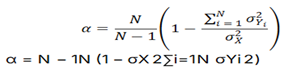
Where:

Table 1
|
Table 1 Cronbach Alpha
Analysis |
||
|
Construct |
Number
of Items |
Cronbach’s
Alpha |
|
Hybrid
Work Environment |
5 |
0.82 |
|
Employee
Commitment |
7 |
0.85 |
|
Holistic
Wellbeing |
8 |
0.88 |
Reliability
Interpretation (Cronbach’s Alpha)
Reliability
analysis was conducted to evaluate the internal consistency of the
questionnaire items used to measure the three study constructs: Hybrid Work
Environment, Employee Commitment, and Holistic Wellbeing. Cronbach’s Alpha
(α) assesses whether the items within each construct are sufficiently
consistent in capturing the same underlying concept. As a general guideline,
α values above 0.70 indicate acceptable reliability, values above 0.80
indicate good reliability, and values above 0.90 indicate excellent
reliability.
1)
Hybrid
Work Environment (α = 0.82; 5 items)
The hybrid work
environment scale demonstrates good internal consistency (α = 0.82). This
suggests that the five items used to assess hybrid work conditions such as
perceived suitability of hybrid work, flexibility, access to tools,
communication effectiveness, and overall experience are strongly related to one
another and collectively measure a common construct. In practical terms,
respondents answered these items in a reasonably consistent pattern, indicating
that the scale is dependable for capturing employees’ perceptions of hybrid
work practices.
2)
Employee
Commitment (α = 0.85; 7 items)
The employee
commitment scale shows strong internal consistency (α = 0.85), which
implies that the seven items measuring emotional attachment, pride,
belongingness, intention to stay, and feeling valued are highly cohesive. This
reliability level indicates that the scale is stable and suitable for assessing
affective organizational commitment. It also reduces the likelihood that the
observed commitment scores are influenced by random response variation.
Therefore, the commitment measure can be considered robust for further
statistical testing (e.g., correlation and regression) in this study.
3)
Holistic
Wellbeing (α = 0.88; 8 items)
The holistic
wellbeing scale records the highest reliability among the three constructs
(α = 0.88), indicating a very strong level of internal consistency. This
suggests that the eight wellbeing items covering work life balance, time for
rest, stress management, organizational care for wellbeing, mental health,
workload manageability, energy levels, and motivation work well together to
represent a single, coherent wellbeing construct. The high alpha value implies
that respondents perceived these wellbeing indicators as closely connected,
which supports the scale’s usefulness for measuring wellbeing in a
comprehensive way.
Correlation Analysis
Pearson
correlation analysis reveals no significant linear relationships.
·
Hybrid
Work Environment vs. Employee Commitment: r = -0.065 (p = 0.480)
·
Hybrid
Work Environment vs. Wellbeing: r = -0.007 (p = 0.938)
These weak
negative correlations indicate Hybrid work does not meaningfully predict
Commitment or Wellbeing at the 5% significance level.
Regression Analysis
Ordinary Least
Squares (OLS) regression assesses the impact of Hybrid Work (dummy: 1=Hybrid,
0=Other) on dependent variables.
Table 2
|
Table 2 Regression
Analysis Hybrid Work on Commitment |
||||||
|
OLS Regression Results |
||||||
|
Dep. Variable |
Commitment Number |
R-Squared |
0.004 |
|||
|
Model |
OLS |
Adj. R-Squared |
-0.004 |
|||
|
Method |
Least Squares |
F-Statistics |
0.504 |
|||
|
No. of Observation |
120 |
Prob (F-statistic) |
0.480 |
|||
|
|
Coeff |
Std error |
t |
p>|t| |
[0.025] |
0.975 |
|
Constant |
3.6173 |
0.105 |
34.532 |
0.000 |
3.410 |
3.825 |
|
Hybrid Work |
-0.1301 |
0.184 |
-0.708 |
0.480 |
-0.494 |
0.234 |
Hybrid Work shows no significant impact (β = -0.130, p = 0.480),
with negligible explanatory power (R² = 0.004).
Table 3
|
Table 3 Regression
Analysis Hybrid Work on Wellbeing |
||||||
|
OLS Regression Results |
||||||
|
Dep. Variable |
Wellbeing Number |
R-Squared |
0.000 |
|||
|
Model |
OLS |
Adj. R-Squared |
-0.008 |
|||
|
F-Statistics |
0.006037 |
Prob F-Statistics |
0.938 |
|||
|
No. of Observation |
120 |
|
|
|||
|
|
Coeff |
Std error |
t |
p>|t| |
[0.025] |
0.975 |
|
Constant |
3.6049 |
0.111 |
32.336 |
0.000 |
3.384 |
3.826 |
|
Hybrid Work |
-0.1301 |
0.184 |
-0.708 |
0.480 |
-0.494 |
0.234 |
No significant effect observed (β = -0.015, p = 0.938; R² ≈
0).
Independent T-test: Gender Differences
Independent
samples t-test compares Male (coded 0) vs. Female (coded 1) groups.
Table 4
|
Table 4 Independent
t-test: Gender Differences |
||||
|
Variable |
t-statistic |
p-value |
df |
Interpretation |
|
Commitment |
2.778 |
0.006 |
118 |
Significant (Males > Females) |
|
Wellbeing |
0.073 |
0.942 |
118 |
No difference |
Males exhibit significantly higher Commitment (p < 0.01), but no
Gender effect on Wellbeing.
One-Way ANOVA: Work Arrangement Differences
F-test (ANOVA)
evaluates mean differences across Work Modes (Hybrid, Online, Offline).
Table 5
|
Table 5 One-way Anova Work
Arrangement Differences |
|||
|
Variable |
F-statistic |
p-value |
Groups Tested |
|
Commitment |
0.617 |
0.541 |
No differences |
|
Wellbeing |
1.561 |
0.214 |
No differences |
No significant variations by Work Arrangement (p > 0.05).
Summary of Statistical Results
Table 6
|
Table 6 Key Findings are
Consolidated Below (all tests at α = 0.05). |
|||
|
Test |
Statistic |
p-value |
Significant? |
|
Corr: Hybrid-Commitment |
-0.065 |
0.480 |
No |
|
Corr: Hybrid-Wellbeing |
-0.007 |
0.938 |
No |
|
Reg: Hybrid on Commitment |
β=-0.130 |
0.480 |
No |
|
Reg: Hybrid on Wellbeing |
β=-0.015 |
0.938 |
No |
|
T-test: Gender-Commitment |
t=2.778 |
0.006 |
Yes |
|
T-test: Gender-Wellbeing |
t=0.073 |
0.942 |
No |
|
F-test: Work-Commitment |
F=0.617 |
0.541 |
No |
|
F-test: Work-Wellbeing |
F=1.561 |
0.214 |
No |
Discussion
Hybrid Work
Environment does not significantly influence Employee Commitment or Wellbeing,
suggesting other factors (e.g., individual traits) dominate. Gender emerges as
a key moderator for Commitment, warranting further qualitative exploration.
Null results for Work Arrangement imply uniform impacts across modes.
Limitations include sample size and self-reported data; future studies could
incorporate longitudinal designs.
Finding and Recommendations
This chapter
presents a consolidated synthesis of the key findings emerging from the
empirical analysis conducted in this study, followed by a comprehensive set of
evidence-based recommendations for organizational practice, HR strategy, and
future research. The analysis, drawing on survey responses from 120 employees
across hybrid, online, and offline work arrangements, employed Cronbach's Alpha
reliability tests, Pearson correlation analysis, OLS regression, independent
t-tests, and one-way ANOVA to examine the relationship between hybrid work
environments and two critical organizational outcomes: Employee Commitment and
Holistic Wellbeing.
The findings
reveal a nuanced and complex picture that challenges some widely held
assumptions about hybrid work while also affirming certain established
theoretical propositions. Rather than demonstrating a straightforward linear
benefit of hybrid work, the evidence points to a more context-dependent and
multidimensional reality one that necessitates deliberate organizational
intervention to convert flexibility into genuine employee fulfilment.
Key Findings
Measurement Reliability
The foundation of
any robust empirical study lies in the reliability of its measurement
instruments. The reliability analysis using Cronbach's Alpha confirmed that all
three constructs attained acceptable-to-excellent internal consistency levels:
|
Construct |
No. of Items |
Cronbach's Alpha |
Reliability Level |
|
Hybrid Work Environment |
5 |
0.82 |
Good |
|
Employee Commitment |
7 |
0.85 |
Strong |
|
Holistic Wellbeing |
8 |
0.88 |
Very Strong |
These values
exceed the commonly accepted threshold of 0.70, indicating that the scales used
in this study are internally consistent and conceptually coherent. The Holistic
Wellbeing scale, with the highest alpha (α = 0.88), reflects particularly
strong alignment across its eight items covering work-life balance, stress
management, mental health, motivation, and energy suggesting that respondents
perceived these dimensions as interrelated aspects of a single wellbeing
construct.
Finding 1: All three measurement scales demonstrated strong internal reliability,
with Cronbach's Alpha values ranging from 0.82 to 0.88, validating the
questionnaire's suitability for statistical analysis.
Hybrid Work and Employee Commitment: No Significant Direct Effect
Contrary to the
popular managerial belief that hybrid work arrangements automatically boost
employee commitment, the Pearson correlation analysis and OLS regression both
revealed no statistically significant relationship between the Hybrid Work
Environment and Employee Commitment scores.
·
Correlation:
r = -0.065 (p = 0.480) a negligible, statistically non-significant negative
correlation.
·
Regression:
β = -0.130 (p = 0.480; R² = 0.004) hybrid work explains less than 0.5% of
the variance in commitment.
This null finding
is theoretically significant. It suggests that the mere provision of hybrid
work flexibility in isolation does not generate the psychological attachment or
loyalty that constitutes genuine organizational commitment. Consistent with Kossek
et al. (2022), who argued that flexibility's positive
effects are contingent upon actual boundary control, the findings imply that
hybrid work's impact on commitment is mediated and moderated by factors not
captured in a simple bivariate analysis. These may include managerial quality,
perceived organizational support, clarity of communication, and the degree of
social connectedness maintained across physical and virtual spaces.
Finding 2: Hybrid
work arrangement alone does not significantly predict Employee Commitment
(β = -0.130, p = 0.480). The effect size is negligible (R² = 0.004),
suggesting that intervening variables such as organizational support and
leadership are the true drivers of commitment in hybrid settings.
Hybrid Work and Holistic Wellbeing: No Significant Direct Effect
Similarly, the
analysis found no statistically significant relationship between Hybrid Work
Environment and Holistic Wellbeing:
·
Correlation:
r = -0.007 (p = 0.938) essentially zero correlation.
·
Regression:
β = -0.015 (p = 0.938; R² ≈ 0) hybrid work has no meaningful
predictive power over wellbeing.
This finding
aligns with the conceptual framework advanced throughout this dissertation the
"Paradox of Flexibility." While hybrid models are theoretically
positioned to enhance wellbeing by reducing commuting stress and improving
work-life balance, their actual wellbeing effects appear to be counterbalanced
by concurrent risks. As evidenced by literature from Dale et al. (2024), Mateen
(2025), and Dong et al. (2025), hybrid work simultaneously introduces
digital exhaustion, sedentary behaviour, blurred professional-personal
boundaries, and social isolation. The net quantitative effect at the aggregate
level is therefore neutral the benefits and detriments cancel each other out.
Finding 3: Hybrid work arrangement does not significantly predict Holistic
Wellbeing (β = -0.015, p = 0.938; R² ≈ 0). The "Paradox of
Flexibility" manifests empirically: the wellbeing gains from hybrid work
are offset by its associated stressors, yielding a net-neutral effect.
Gender as a Significant Moderator of Commitment
One of the most
important and statistically significant findings of this study pertains to
gender differences in organizational commitment. The independent samples t-test
revealed:
·
T-statistic:
t (118) = 2.778, p = 0.006 (significant at the 1% level).
·
Direction:
Male employees reported significantly higher levels of organizational
commitment than female employees.
·
Wellbeing
comparison: No significant gender difference was found (t = 0.073, p = 0.942).
This finding is
particularly noteworthy in the context of hybrid work research. It suggests
that the hybrid model, while offering nominal flexibility, may not be equally
effective in cultivating commitment across genders. Female employees may face
disproportionate pressures in hybrid arrangements, including heightened
domestic responsibilities, greater susceptibility to proximity bias in career
advancement, and reduced visibility in organizational decision-making. As
highlighted by Austin-Egole et al. (2024),
flexible work can paradoxically create "inequities in visibility and
career opportunities" for those working remotely more frequently a burden
that often falls more heavily on women.
Finding 4: Gender
is a statistically significant moderator of Employee Commitment (p = 0.006),
with male employees demonstrating higher commitment scores. This disparity
warrants urgent attention in organizational equity and hybrid work policy
design.
Work Arrangement Has No Differential Impact
The one-way ANOVA
analysis comparing Employee Commitment and Holistic Wellbeing across the three
work modes (Hybrid, Online, and Offline) revealed no statistically significant
differences:
·
Commitment:
F = 0.617, p = 0.541 no significant variation across work modes.
·
Wellbeing:
F = 1.561, p = 0.214 no significant variation across work modes.
This finding
suggests that the type of work arrangement whether fully hybrid, fully online,
or fully offline does not, in isolation, produce differential outcomes in
commitment or wellbeing. This strongly implies that organizational processes,
leadership quality, team culture, and individual coping resources are more
powerful determinants of commitment and wellbeing than the structural modality
of work alone.
Finding 5: Work arrangement modality (Hybrid vs. Online vs. Offline) does not
produce significantly different levels of Commitment (p = 0.541) or Wellbeing
(p = 0.214), pointing to the primacy of organizational culture and leadership
over structural work arrangements.
Theoretical Implications: The Paradox of Flexibility Confirmed
Taken together,
the five key findings empirically validate the theoretical framework introduced
in this the Paradox of Flexibility. Hybrid work arrangements, as currently
implemented in many organizations, represent a structural change in the
modality of work without a commensurate strategic investment in the
psychological, social, and managerial infrastructure required to convert that
flexibility into genuine fulfilment.
The Social
Exchange Theory predicts that employees reciprocate perceived organizational
investment with loyalty and commitment. The Job Demands-Resources (JD-R) Model
posits that wellbeing is a function of the balance between demands and
resources. Both frameworks suggest that hybrid work only delivers positive
outcomes when organizations actively curate the resource environment providing
managerial trust, social connection, ergonomic support, and clear communication
alongside the structural flexibility.
Recommendations
For Organizations: Re-Architect the Psychological Contract
The most critical
organizational implication of this study is the urgent need to re-architect the
psychological contract in hybrid settings. Organizations must move beyond
treating hybrid work as merely a scheduling policy and instead invest in
deliberately engineering the social and motivational conditions that sustain
commitment.
·
Develop
a formalized Hybrid Work Charter that articulates the organization's commitment
to employees' wellbeing, career equity, and social connection in hybrid
environments.
·
Institute
regular intentional in-person days that prioritize team building, mentorship,
and affective cohesion, not merely task completion. Hopkins
and Bardoel (2023) identify structured in-person interaction as
essential to sustaining affective commitment.
·
Embed
organizational commitment KPIs into managerial performance reviews, making
leaders accountable for the engagement and wellbeing of their hybrid teams.
For HR Managers: Address Gender Disparity in Hybrid Commitment
Given the
significant finding that male employees report higher organizational commitment
than their female counterparts, HR strategy must proactively address the
structural inequities that hybrid work may exacerbate.
·
Conduct
disaggregated wellbeing and commitment surveys by gender, role, and work mode
to identify specific groups facing disproportionate pressures.
·
Implement
proximity bias mitigation training for all managers equipping leaders to
recognize and counteract the tendency to favour in-office employees for
promotions, high-visibility projects, and mentorship.
·
Create
structured sponsorship programmes for women in hybrid roles to ensure their
contributions are visible and their career trajectories are not penalized by
remote or flexible schedules.
·
Offer
gender-responsive flexible work design acknowledging that
"one-size-fits-all" flexibility may not address the distinct care and
boundary management challenges faced by female employees.
For Leaders and Managers: Prioritize Social Engineering and Trust
Since
organizational culture and leadership quality emerged as more powerful
determinants of commitment and wellbeing than work arrangement modality,
frontline managers represent the most critical lever for organizational
intervention.
·
Train
managers in "digital-first" leadership skills, including virtual
empathy, asynchronous communication, and remote performance coaching, rather
than relying on presence-based management.
·
Establish
regular structured check-ins that go beyond task management to include personal
wellbeing conversations, aligning with Mohammed
(2025) finding that intentional communication
strategies are essential for bridging physical distance.
·
Create
psychological safety frameworks in which employees feel comfortable disclosing
wellbeing challenges and boundary difficulties without fear of professional
consequence.
·
Implement
digital detox policies such as mandatory communication blackout periods,
discouraged after-hours messaging, and formally protected lunch breaks to
address the digital exhaustion identified by Mateen
(2025).
For Policy Makers: Institutionalize Holistic Wellbeing Frameworks
The finding that
hybrid work's wellbeing effects are net-neutral at the aggregate level
underscores the need for proactive, institutionalized wellbeing support rather
than the assumption that flexible work alone is sufficient.
·
Mandate
ergonomic home-office support, including equipment stipends and workspace
assessments, addressing the physical health deficits identified by Dale et al. (2024).
·
Institutionalize
mental health days as a formal part of the hybrid work policy, complemented by
access to Employee Assistance Programmes (EAPs) and mental health coaching.
·
Develop
technology governance policies that define acceptable digital connectivity
norms, protecting employees from the technostress and boundary erosion
identified in IJRAW (2025).
·
Align
hybrid work policies with SDG 8 (Decent Work and Economic Growth) principles as
advocated by Austin-Egole et al. (2024) and Loh and Cheng (2024) ensuring that flexibility serves as a vehicle for sustainable human
capital development.
For Future Research: Longitudinal and Mediational Studies
The null findings
for the direct effects of hybrid work on commitment and wellbeing reveal not
the absence of a relationship, but the inadequacy of a direct-effects model to
capture the complexity of hybrid work's impacts. Future research should:
·
Employ
longitudinal designs to capture the dynamic evolution of commitment and
wellbeing as hybrid work arrangements mature and become institutionalized.
·
Investigate
wellbeing as a mediator in the relationship between hybrid work and commitment,
as theorized in this study's conceptual framework and suggested by Ohri and Dutta (2025).
·
Include
managerial trust and perceived organizational support (POS) as formal
moderating variables to test whether their presence transforms the null direct
effects into significant positive relationships.
·
Explore
gender and demographic subgroup analyses with larger and more diverse samples
to better understand differential outcomes across intersectional employee
identities.
·
Expand
the scope to include qualitative data, particularly through in-depth
interviews, to surface the experiential and psychological mechanisms underlying
the quantitative patterns identified.
Conclusion
This started with
a straightforward but significant address does the move to hybrid work take
representatives from adaptability to satisfaction? The reply of this study
uncovers is conditional.
Hybrid work is not
one or the other a nostrum nor an issue. It may be a basic affordance a system
of plausibility whose extreme esteem to workers and associations depends
totally on the human choices made inside it. When associations contribute in
believe, value, association and reason nearby the auxiliary adaptability of
cross breed courses of action, the guarantee of satisfaction is achievable.
When they offer flexibility in confinement as an approach concession instead of
a human capital technique that guarantee remains unfulfilled.
The sexual
orientation difference in commitment found in this ponder may be a warning
signal that cannot be overlooked. It tells us that hybrid work, as right now
actualized in numerous associations, isn't experienced similarly. The travel
from adaptability to satisfaction must be an even-handed travel one that
effectively disassembles the vicinity predispositions, perceivability crevices,
and basic imbalances that anticipate all employees from getting to the
commitment and prosperity that hybrid work guarantees.
The observational
prove displayed in this dissertation affirms what the foremost astute voices in
hierarchical conduct have long contended long-standing time of work isn't a
question of where or when individuals work, but of how associations select to
esteem, bolster and invest within the individuals who do it. Hybrid work offers
a once in a generation opportunity to overhaul the mental contract between boss
and worker to construct working environments that are not just adaptable but
truly satisfying. Whether associations seize that opportunity is, eventually,
an address not of methodology, but of administration and ethical commitment to
human flourishing.
The future of work
is hybrid. But the future of fulfilment is human. It is built not in the spaces
between office and home, but in the trust between leaders and the people they
lead, the equity woven into every policy, and the genuine care for the whole person
that turns structural flexibility into a life well-lived at work.
Limitations of the study
An intellectually
honest conclusion must acknowledge the boundaries within which its findings
apply. This study carries several limitations that qualify the generalisability
and depth of its conclusions.
·
Cross-sectional
design: Data collected at a single point in time cannot establish causal
directionality. The relationships observed are associational, and the dynamic
evolution of hybrid work's effects over time remains uncharted.
·
Sample
size and diversity: While 120 responses surpass the threshold for basic
regression analysis, the relatively small and convenience-sampled dataset
limits the study's representativeness across industries, organisational
cultures, and geographic contexts.
·
Self-reported
measures: Likert-scale responses are subject to social desirability bias and
individual interpretation variance, which may attenuate the strength of
observed relationships.
·
Unmeasured
moderators: Key theoretical moderators including managerial quality, perceived
organisational support, team culture, and individual personality traits were
not formally measured, limiting the explanatory depth of the null findings.
·
Gender
binary coding: The study's gender analysis was limited to a binary male/female
classification, excluding non-binary and gender-diverse employees whose
experiences of hybrid work may differ substantially.
Directions for Future Research
The findings of
this study open several rich avenues for future scholarly inquiry.
·
Longitudinal
studies are urgently needed to capture how commitment and wellbeing evolve as
hybrid work matures from a crisis response to a routinised organisational
arrangement.
·
Mediation
analyses using Structural Equation Modelling (SEM) should formally test whether
wellbeing mediates the hybrid work–commitment relationship, and whether
managerial trust and perceived organisational support moderate this pathway.
·
Intersectional
research examining how gender, age, caregiving status, job level, and industry
interact with hybrid work to shape differential outcomes would substantially
enrich the equity dimensions of this field.
·
Qualitative
and mixed-methods research should be employed to surface the psychological
mechanisms, boundary management experiences, and social dynamics that
quantitative instruments cannot fully capture.
·
Cross-cultural
comparative studies would illuminate whether the "Paradox of
Flexibility" operates uniformly or is culturally conditioned, with
implications for multinational organisations designing global hybrid policies.
ACKNOWLEDGMENTS
None.
REFERENCES
Aboobaker, N., and Shanujas, V. (2025). Towards a Sustainable Workplace: Investigating Workplace Cyberbullying and Its Relationship with Employee Wellbeing and Intention to Stay in Remote and Hybrid Work Settings. International Journal of Productivity and Performance Management, 74(2), 453–470. https://doi.org/10.1108/IJPPM-12-2023-0662
Ahlgren,
S. (2024). Remote
Working and Innovative Work Behaviour: A Case of Australian Employees
[Unpublished doctoral dissertation]. Victoria University.
Arokiasamy, A. R. A. (2025). Assessing the Impact of Hybrid Work Models on Employee Well-Being, Productivity, and Job Satisfaction. South Eastern European Journal of Public Health, 3062.
Arvindh, R., Pavithra, S., Benjamin Prabahar, I., Antony Xavier, S., Prabhu, V., and Arun Prasad, S. (2024). Impact of Hybrid and Remote Work on Employee Engagement and Productivity. Educational Administration: Theory and Practice, 30(5), 15772–15783. https://doi.org/10.53555/kuey.v30i5.10782
Bloom, N., Han, R., and Liang, J. (2024). How Hybrid Working from Home Works Out. Nature. https://doi.org/10.1038/s41586-024-07500-2
Candra, and Sabtohadi. (2025). Remote and Hybrid Work Models: The Impact on Employee Productivity and Well-Being. Brilliant International Journal of Management and Tourism, 5(2), 271–283. https://doi.org/10.55606/bijmt.v5i2.4724
Chan, X. W. C., and Kinman, G. (2024). Work and Non-Work Boundary Management Including Remote and Hybrid Working. In Wellbeing at Work in a Turbulent Era (56–75). Edward Elgar Publishing. https://doi.org/10.4337/9781035300549.00008
Corral, R. J. P. (2024). Impact of Hybrid and On-Site Work Arrangements on Employee Motivation and Job Satisfaction in the BPO Industry: A Cross-Sectional Study. Open Journal of Social Sciences, 12, 205–230. https://doi.org/10.4236/jss.2024.122013
Cronbach, L. J. (1951). Coefficient Alpha and the Internal Structure of Tests. Psychometrika, 16(3), 297–334. https://doi.org/10.1007/BF02310555
Dale, G., Wilson, I., and Tucker, M. (2024). What Is Healthy Hybrid Work? International Journal of Workplace Health Management, 17(4), 335–352. https://doi.org/10.1108/IJWHM-03-2024-0041
Davidescu, A. A., Apostu, S. A., Paul, A., and Casuneanu, I. (2020). Work Flexibility, Job Satisfaction, and Job Performance Among Romanian Employees: Implications for Sustainable Human Resource Management. Sustainability, 12(15), 6086. https://doi.org/10.3390/su12156086
Diener, E., Wirtz, D., Tov, W., Kim-Prieto, C., Choi, D. W., Oishi, S., and Biswas-Diener, R. (2010). New Well-Being Measures: Short Scales to Assess Flourishing and Positive and Negative Feelings. Social Indicators Research, 97(2), 143–156. https://doi.org/10.1007/s11205-009-9493-y
Dong, J.-J., Tan, Z.-D., Zhang, Y.-L., Sun, Y.-J., and Huang, Y.-K. (2025). Work from Home and Employee Well-Being: A Double-Edged Sword. BMC Psychology, 13, 748. https://doi.org/10.1186/s40359-025-02994-5
Eng, I., Tjernberg, M., and Champoux-Larsson, M.-F. (2024). Hybrid Workers Describe Aspects That Promote Effectiveness, Work Engagement, Work-Life Balance, and Health. Cogent Psychology, 11(1), 2362535. https://doi.org/10.1080/23311908.2024.2362535
Franken, E., Bentley, T., Shafaei, A., Farr-Wharton, B., Onnis, L.-A., and Omari, M. (2021). Forced Flexibility and Remote Working: Opportunities and Challenges in the New Normal. Journal of Management and Organization, 27, 1131–1149. https://doi.org/10.1017/jmo.2021.40
Hopkins, J., and Bardoel, A. (2023). The Future Is Hybrid: How Organisations Are Designing and Supporting Sustainable Hybrid Work Models in Post-Pandemic Australia. Sustainability, 15(4), 3086. https://doi.org/10.3390/su15043086
Huma. (2024). Return to Office: Understanding Employee’s Perceptions of Well-Being and the Influence on Employers and Policymakers in Driving Engagement [Unpublished master’s thesis].
Kossek, E. E., Perrigino, M. B., and Lautsch, B. A. (2022). Work-Life Flexibility Policies from a Boundary Control and Implementation Perspective: A Review and Research Framework. Journal of Management, 49(6), 2062–2108. https://doi.org/10.1177/01492063221140354
Loh, C. W., and Cheng, M. L. (2024). The Role of Flexible Work Arrangements in Enhancing Employee Well-Being and Productivity: A Study on SDG 8 Implementation in Tech Companies. Journal of Business and Social Sciences, 2024(18). https://doi.org/10.61453/jobss.v2024no18
Maake, P. A. (2023). Assessing the Impact of Hybrid-Work-Model on Employee Performance and Job Satisfaction in the Workplace: A Case of Department of Science and Innovation in Gauteng, South Africa [Unpublished master’s dissertation]. Management College of Southern Africa (MANCOSA).
Mateen, A. (2025). Employee Well-Being in Hybrid Work Environments: Balancing Productivity and Digital Burnout. Inverge Journals, 4(4). https://doi.org/10.63544/ijss.v4i4.180
Meyer, J. P., Bobocel, D. R., and Allen, N. J. (1991). Development of Organizational Commitment During the First Year of Employment: A Longitudinal Study of Pre- and Post-Entry Influences. Journal of Management, 17(4), 717–733. https://doi.org/10.1177/014920639101700406
Mohammed, A. (2025). Effect of Flexible Work Arrangements on Employee Retention: A Case Study of an Education Consulting Company in Qatar [Unpublished master’s thesis]. University of Doha for Science and Technology.
Mustajab, D. (2024). Exploring the Effectiveness of Remote and Hybrid Work Policies: A Literature Review on Workforce Management Practices. Jurnal Manajemen Bisnis, 11(2), 891–908. https://doi.org/10.33096/jmb.v11i2.798
Nagori, V., and Lawton, C. (2024). The Design of Hybrid Work for Improved Employee Engagement and Wellbeing: Perspectives for HRD Practice. The International Journal of HRD Practice, Policy and Research. https://doi.org/10.2478/ijhrd-2024-0010
National Institutes of Health. (2022). Future of Work and BSSR Considerations Report. Office of Behavioral and Social Sciences Research.
Nielsen, K., Nielsen, M. B., Ogbonnaya, C., Känsälä, M., Saari, E., and Isaksson, K. (2017). Workplace Resources to Improve Both Employee Well-Being and Performance: A Systematic Review and Meta-Analysis. Work and Stress, 31(2), 101–120. https://doi.org/10.1080/02678373.2017.1304463
Nunnally, J. (1994). Psychometric Theory.
Ohri, K., and Dutta, H. (2025). Values-Driven Employee Engagement: Integrating Workplace Spirituality, HR Practices and Organisational [PRISM]. International Journal of Management. https://doi.org/10.1177/01672533251377880
Putri, F. A. T. (2025). Hybrid Work and Its Impact on Employee Productivity and Well-Being in Technology Companies. Journal of Management Economic and Financial, 2(3), 106–115. https://doi.org/10.46799/jmef.v2i3.169
Ray, T. K., and Pana-Cryan, R. (2021). Work Flexibility and Work-Related Well-Being. International Journal of Environmental Research and Public Health, 18(6), 3254. https://doi.org/10.3390/ijerph18063254
Salem, N. H., Ishaq, M. I., Yaqoob, S., Raza, A., and Zia, H. (2023). Employee Engagement, Innovative Work Behaviour, and Employee Wellbeing: Do Workplace Spirituality and Individual Spirituality Matter? Business Ethics, the Environment and Responsibility, 32(2), 657–669. https://doi.org/10.1111/beer.12463
Singh, B., Kaunert, C., and Vig, K. (2024). Harmonizing Productivity of Employees via Work-Life Balance in Remote Working: Projecting Sound Sleep, Health, and Well-Being for Boosting Organizational Performance. In Reskilling the Workforce for Technological Advancement (162–178). IGI Global Scientific Publishing. https://doi.org/10.4018/979-8-3693-0612-3.ch008
Telu, S., and Kumar, S. (2025). Towards a Sustainable Future: A Comprehensive Review of Employee Well-Being in Hybrid Work Settings. Management and Sustainability: An Arab Review, 4(3), 407–430. https://doi.org/10.1108/MSAR-10-2024-0182
Yunus, S., Whitfield, K., and Sayed Mostafa, A. M. (2023). High-Performance HR Practices, Job Demands and Employee Well-Being: The Moderating Role of Managerial Support. Stress and Health, 39(5), 1106–1123. https://doi.org/10.1002/smi.3252
 This work is licensed under a: Creative Commons Attribution 4.0 International License
© Granthaalayah 2014-2026. All Rights Reserved.


