ShodhKosh: Journal of Visual and Performing ArtsISSN (Online): 2582-7472
|
|
THE PERFORMANCE OF PORCELAIN: A TRIANGULATED STUDY OF EMBODIED MASTERY AND SPATIAL DESIGN IN JINGDEZHEN CERAMIC PAINTING
Cheng Xianhui 1 , Dr. Vuthipong Roadkasamsri
2
, Dr. Vuthipong Roadkasamsri
2
1 Mahasarakham University, Faculty of Fine-Applied Arts and Cultural Science, Mahasarakham, Thailand
2 Associate
Professor, Mahasarakham University, Faculty of
Fine-Applied Arts and Cultural Science, Mahasarakham,
Thailand
|
|
|
ABSTRACT |
|
|
The global
acknowledgment of Jingdezhen's ceramic heritage often emphasizes the visual
"artifact," neglecting the performative intimacy of the artisan's
"body-tool" relationship. This study utilizes qualitative
triangulation by combining historical literature, ethnographic interviews,
and systematic observation to analyze the socio-technical and aesthetic
dynamics of the traditional ceramic painting workstation. By merging legacy
studies with design sociology, the research reveals a "somatic
paradox": the traditional workstation operates as a constraining
apparatus that requires "somatic locking"—a purposeful
immobilization of the artist's joints to achieve micro-level precision.
Grounded theory study of ethnographic data uncovers a "culture of
pain," wherein artisans internalize chronic musculoskeletal strain as a
"natural sacrifice" intrinsic to artistic accomplishment. The
artists perceive these high-risk postures as a "sensory shelter,"
providing the deep psychological immersion essential for their craft. The
research delineates the manner in which the
historical workstation has "disciplined" the artisan's physique,
charting a diachronic progression from the "force-driven" carving
of the Song Dynasty to the "precision-control" of the Qing Dynasty.
The study concludes with a Research-through-Design (RtD)
intervention, showcasing a modular workbench prototype. This approach
transitions the artisan from "body compensation" to "tool
support," aligning physical health with the maintenance of cultural
distinctiveness. This research reinterprets the artisan's stance as an
essential element of "living heritage," offering a scientific and
aesthetic foundation for sustainable craft growth in anticipation of
Jingdezhen's 2026 UNESCO World Legacy designation. |
|||
|
Received 28 February 2026 Accepted 29 March 2026 Published 29 April 2026 Corresponding Author Cheng
Xianhui, 398330276@qq.com DOI 10.29121/shodhkosh.v7.i1.2026.7509 Funding: This research
received no specific grant from any funding agency in the public, commercial,
or not-for-profit sectors. Copyright: © 2026 The
Author(s). This work is licensed under a Creative Commons
Attribution 4.0 International License. With the
license CC-BY, authors retain the copyright, allowing anyone to download,
reuse, re-print, modify, distribute, and/or copy their contribution. The work
must be properly attributed to its author.
|
|||
|
Keywords: Somatic Paradox, Vernacular Mediation, Work-related
Musculoskeletal Disorders (WMSDs), Sensory Shelter |
|||



1. INTRODUCTION
The preservation of Intangible Cultural Heritage (ICH) has traditionally focused on artefacts, prioritising the visible and material characteristics of cultural objects rather than the embodied knowledge of practitioners. In Jingdezhen, internationally esteemed as the "Millennium Porcelain Capital", the artisans who uphold porcelain painting traditions are finally garnering academic recognition. As the city nears its 2026 UNESCO World Heritage designation and the creation of a National Ceramic Culture Innovation Pilot Zone, a neglected issue has emerged: the physical sustainability of the artisan's body as the principal medium of cultural transmission.
Despite the longstanding importance of ceramic painting, artisans often experience work-related musculoskeletal disorders (WMSDs). In the conventional guild culture, these afflictions are frequently internalised as necessary bodily sacrifices for creative success—a "natural price" for artistic excellence—rather than recognised as occupational dangers. This study argues that the traditional workstation functions not as neutral furniture but as a disciplinary tool that forces artists to assume high-risk positions to attain the micro-level precision necessary for advanced visual arts.
This conflict engenders a "somatic paradox", in which the body processes that ensure craft quality also threaten the long-term health of the practitioners. Contemporary heritage studies rarely examine the biomechanical foundations of handicraft, and conventional ergonomics research often overlooks the cultural and sensory requirements of the artisan. This study addresses the gap by utilising a combination of historical analysis, ethnographic interviews, and ergonomic assessment (RULA/NMQ) to examine the critical relationship between craft practice, physical strain, and workstation design.
Modern approaches to preserving Jingdezhen’s heritage primarily focus on the "static" artefacts, overlooking the "dynamic" conditions of the artists who maintain the craft. The conventional workstation imposes a structural constraint, requiring continuous muscle tension in the neck, shoulders, and arms to achieve accurate brush control. This creates a physical paradox: the practices required to sustain the trade simultaneously threaten the health and sustainability of its practitioners.
This study advances multidisciplinary heritage research by introducing the idea of the “somatic paradox", clarifying how embodied craft practices that safeguard cultural property simultaneously result in chronic physical strain. We create a new analytical framework for examining the relationship between craft practice, bodily sustainability, and workstation design by combining historical studies, ethnography, and ergonomic assessment. The study presents an ergonomically informed workstation paradigm—a design-focused approach that enhances precision in ceramic painting while minimising biomechanical risk, so ensuring the sustainable maintenance of Jingdezhen’s living artistry.
The section above has delineated the conflict between Jingdezhen’s meticulous ceramic craftsmanship and the physical strain it imposes on the artisan's body. To comprehensively grasp the origins of this 'somatic contradiction', it is essential to analyse the current corpus of information regarding craft heritage, corporeal skills, and ergonomic theory. This literature review offers a multidisciplinary synthesis of these issues, pinpointing the essential research gaps that this study intends to address by transitioning the emphasis from the aesthetic 'artefact' to the dynamic 'body-tool' interaction.
2. LITERATURE REVIEW
This study regards the Jingdezhen ceramic painting workstation as both furniture and an essential component within a complex body–tool–environment ecosystem. This synthesis creates a multidisciplinary framework with four thematic axes: the philosophy of embodied craftsmanship, the biomechanics of craft ergonomics, the sustainability of living heritage, and the integration of these concepts through research-through-design (RtD).
2.1. Embodied Craftsmanship and Material Engagement Theory (MET)
Current study in contemporary craft increasingly acknowledges embodied practice—the information gained through the "thinking hand"—as the principal source of design intelligence. Groth and Nimkulrat (2024) characterise "knowledge from making" as the fundamental methodology of research-through-design (RtD), especially in historic situations where tacit knowledge is essential.
This viewpoint is grounded in Material Engagement Theory (MET), which posits that human cognition is not an internalised mental process but rather an externalised engagement with the material world Malafouris (2013), Malafouris (2018). In the ceramics studio, creative practice manifests as a "dialogue in the making", wherein the artisan engages tactilely with the clay and pigment, responding to the material's resistance rather than imposing a predetermined form Brinck and Reddy (2020).
In this context, the workstation is redefined as an interface device that enables the shift from "exerting force" to "controlling force" Baber (2015). This allows the artisan to navigate the space of affordance space—the spectrum of physical possibilities presented by the environment—which broadens as their skill level develops O’Brien et al. (2025). The workstation serves as the "external cognitive scaffold" where the body and tool integrate into a cohesive performance unit Baber (2018), Groth (2017), Clark and Chalmers (1998).
2.2. Craft Ergonomics and the "Somatic Paradox"
Art history emphasizes the aesthetic "artifact"; however, the tangible existence of the creator frequently exposes a profound paradox. Ergonomic studies reveal that strategies essential for achieving high precision, such as "somatic locking" (the immobilization of muscle groups to stabilize the brush), are the principal contributors to work-related musculoskeletal diseases (WMSDs).
The workstation serves as a requisite "sensory shelter" for profound focus while concurrently functioning as a disciplinary mechanism O’Brien et al. (2025). This establishes the "Somatic Paradox": the physical stability necessary for crafting a masterpiece is closely linked to the long-term deterioration of the artisan's biological health Alessandroni and Malafouris (2022). This study seeks to bridge the gap between "designerly ways of knowing" Cross (1982) and the biomechanical safety of the practitioner.
2.3. Folklore, Living Heritage, and the Physical Conduit
The 2003 UNESCO Convention redirected the emphasis on conservation from "objects" to "processes." Within the realm of Intangible Cultural Heritage (ICH), the practitioner's body serves as the primary medium for cultural continuity Ahmad (2006), Bouchenaki (2007). In contrast to tangible heritage, which can be preserved in a climate-controlled museum, living heritage depends on the enactment of knowledge Aikawa (2004), Lázaro Ortiz and Jimenez de Madariaga (2022).
Workshop frameworks and the master-apprentice hierarchy are replicable cultural constructs embedded in somatic memory Blake (2000), which play a crucial role in ensuring that skills and traditions are passed down effectively. Nonetheless, if the physical medium (the artisan) is impaired by chronic pain, the transmission of the craft is endangered. Contemporary heritage studies posit that sustainability should encompass the workshop's microenvironment and the artisan's welfare Zhang and Li (2025), Chen et al. (2025). Identifying the workstation as a centre of "living heritage" is essential for the preservation of Jingdezhen’s porcelain traditions Falk and Hagsten (2025).
2.4. Research-through-Design (RtD) as Design Translation
This project utilises research-through-design (RtD) to convert ethnographic and ergonomic data into practical solutions, thereby addressing the somatic paradox Stappers and Giaccardi (2017). By upholding a stringent evidence chain, we guarantee that design interventions are rooted in the lived experiences of craftspeople Prochner and Godin (2022) rather than only in industrial rationale Jansson and Smith (1991).
Effective RtD in a heritage environment necessitates participatory design, positioning the craftsman as a co-creator instead of a passive consumer Van Oorschot et al. (2022), Busciantella-Ricci and Scataglini (2024), Boer and Donovan (2012). This "reflective practice" (Schön, 1983) guarantees that the resultant workstation honours the "survival wisdom" of the guild while including contemporary modularity and support Sanders (2002), Wenhart (2025). The translation process guarantees that the workstation accommodates the tool–body relationship while preserving the aesthetic "zone" or sensory environment of the craft Cash et al. (2023), Cross et al. (1981), Koskinen et al. (2013).
2.5. The Research Gap: From "Body Compensation" to "Tool Support"
This work tackles a significant transdisciplinary gap. Heritage studies frequently overlook the biomechanical aspects, whereas ergonomics commonly neglects the cultural dimensions. This project recontextualises the discourse around craft sustainability by:
1) Re-establishing the focus on tool-body interaction within the understanding of material culture.
2) Reconceptualising heritage sustainability as the physical welfare of the practitioner.
3) Proposing a culturally sensitive prototype that honours the "order" of the Jingdezhen workshop while reducing physical hazards.
The current literature identifies the crucial link between embodied artistry and ergonomic risk; however, there is a notable deficiency in converting these theoretical ideas into practical design solutions for the Jingdezhen environment. This section delineates the specific study objectives and questions that direct this inquiry, underpinned by a conceptual framework intended to connect the 'somatic paradox' with functional design aspects.
2.6. Theoretical Synthesis
This study's literature analysis creates a multidisciplinary basis by integrating scholarly discussions across four main themes: embodied craftsmanship, craft ergonomics, sustainability of living heritage, and research-through-design (RtD). The basis is centred on the notion of embodied craftsmanship and material engagement, which positions creative practice as a "dialogue in the making". In this setting, the workbench serves as both an interface and a cognitive scaffold, enabling "thinking with hands" and offering a "sensory shelter" crucial for profound concentration. This skill is hampered by craft ergonomics and musculoskeletal dangers, particularly the "somatic paradox", wherein the precise techniques necessary for artistic perfection, such as "somatic locking", endanger the artisan's long-term health. Conventional guild cultures frequently intensify this issue by perceiving chronic pain as a "natural sacrifice", while the workstation operates as a disciplinary mechanism that enforces hazardous postures.
To mitigate these hazards, the research transitions to living heritage and sustainability, redirecting attention from the visual "artefact" to the practitioner’s body as the principal medium for cultural continuity. The research posits that safeguarding Intangible Cultural Heritage (ICH) requires prioritising practitioner-focused conservation and micro-environment evaluation, hence ensuring the well-being and working conditions of the craftspeople. The study used research-through-design (RtD) for design translation, a methodology that transforms ethnographic "survival wisdom" and ergonomic data into evidence-based design parameters. This technique utilises participatory co-design with artisans to transform traditional "DIY" solutions into formal, culturally pertinent design elements—such as modularity and adjustable support—thus ensuring the sustainable transmission of ceramic expertise.
3. RESEARCH OBJECTIVES, RESEARCH QUESTION, AND RESEARCH FRAMEWORK
3.1. Research Objectives
1) Historical Context: Trace the development and cultural frameworks of Jingdezhen's decorating methods.
2) Embodied Experience: Examine work practices and cultural cognition of modern craftspeople.
3) Structural Analysis: Identify ergonomic hazards in conventional workbenches.
4) Design Intervention: Develop and evaluate a modular workbench prototype utilizing research-based design principles.
3.2. Key Research Question:
In what manner can research findings be translated into sustainable workstation designs that harmonise cultural sensitivity with physical well-being?
3.3. The Integrated Research Framework
The integrated research framework can be illustrated below.
Figure 1
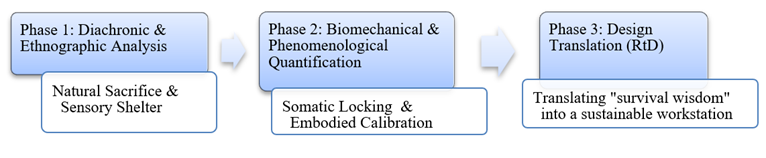
Figure 1 The Integrated Research Framework
The study framework is organised as a transdisciplinary progression, transitioning from historical analysis to ergonomic measurement and concluding with a design-oriented intervention. This framework guarantees that the ultimate prototype transcends mere industrial apparatus, emerging as a culturally significant "artefact of support" that honours the studio's established aesthetic.
The previous sections have contextualised the artisan's "culture of suffering" within the wider framework of heritage sustainability and ergonomic theory, highlighting a distinct necessity for a design-orientated solution. This chapter outlines the methods utilised to transition from theoretical insights to a verified prototype, emphasising a triangulation approach that encompasses the lived experiences of Jingdezhen painters through ethnographic observation and quantitative biomechanical investigation.
4. METHODOLOGY
4.1. Research Design
This study employs a qualitative triangulation approach, integrating historical literature, ethnographic interviews, and systematic observation to examine the socio-technical background of the traditional ceramic painting workstation. The selection of 21 master craftspeople as key informants in Jingdezhen employs a purposive sample strategy to guarantee both technical expertise and cultural representation.
The rationale for this specific cohort is built upon four strategic pillars:
· Pillar 1: Technical Proficiency and Data Abundance: Master artisans, acknowledged at the national or provincial level, epitomise the pinnacle of expertise. Their techniques for "somatic locking" and "embodied calibration" are exceptionally advanced. A sample size of 21 guarantees thematic saturation, ensuring that the physical actions and cultural rationales of the "Somatic Paradox" achieve continuous repetition in alignment with qualitative rigour in design research Prochner and Godin (2022).
· Pillar 2: Carriers of Intangible Cultural Heritage (UNESCO Adherence): According to the UNESCO 2003 Convention, these masters serve as the principal "bearers" of Intangible Cultural Heritage (ICH). They do not merely engage in the skill; they institute a "workshop order." Their selection is crucial for understanding how the "Natural Sacrifice" story is conveyed to apprentices, influencing the enduring physical sustainability of the craft.
· Pillar 3: Diversity of "Micro-compensation" Strategies: The study selects 21 informants from diverse locales, including Sanbaopeng and the Sculpture Factory, to triangulate prevalent “survival wisdoms” the DIY ergonomic fixes employed by artists. This guarantees that the modular workstation prototype adheres to general craft standards instead of personal preferences.
· Pillar 4: Longitudinal Physicality: The sample comprises solely artists possessing more than 20 years of professional expertise. This period is crucial for assessing the aggregate effects of non-ergonomic workbenches on the artisan's physical form.
4.2. The "Phenomenological Funnel"
The study utilises a "phenomenological funnel" of three analytical clusters to examine the Somatic Paradox, linking traditional practice with ergonomic science.
1) Cluster 1 (Somatic Experience): Explores tacit knowledge in meticulous brushwork and the perception of tools as extensions of the body Alessandroni and Malafouris (2022).
2) Cluster 2 (Spatial Adaptation): Delineates Outlines micro-compensation strategies and improvised aids that reveal shortcomings in the traditional workstation as an "interface apparatus" Baber (2015).
3) Cluster 3 (Cultural Rationalisation): Analyses the idea of "natural sacrifice" and its impact on the artisan's sense of pain in relation to the quality of craftsmanship.
Table 1
|
Table 1 Profile of Key Informants (n=21) |
|||||
|
ID |
Master
Level |
Age
Range |
Yrs
of Exp. |
Specialty |
Primary
Reported Discomfort |
|
P01-P04 |
National |
60–75 |
40+ |
Blue
& White (Fine Line) |
Chronic
Neck Flexion Pain |
|
P05-P10 |
Provincial |
50–65 |
30–40 |
Famille
Rose (Enamel) |
Shoulder
& Scapular Fatigue |
|
P11-P16 |
Municipal |
40–55 |
20–30 |
New
School / Mixed Media |
Lower
Back / Lumbar Strain |
|
P17-P21 |
Senior
Master |
45–60 |
25+ |
Micro-calligraphy |
Wrist
/ Forearm Tension |
4.3. Data Collection and Analysis
The data analysis employed a combined inductive and deductive coding methodology. The method began with Step 1: Familiarisation and transcription, wherein preliminary readings concentrated on recognising "somatic metaphors"—vivid expressions like "becoming a stone" or "holding the breath in the shoulders." During Step 2: Generating Initial Codes, descriptive names such as 'Pain-as-Honour' and 'Joint-Freezing' were created. Step 3: Theme Development categorised these into three pillars: somatic constraints, material/spatial agency, and cultural narratives. Ultimately, Step 4: Mapping to Design Variables "converted" these qualitative insights into technical specifications for the modular workbench (see Table 2).
Table 2
|
Table 2 Translation of Ethnographic Evidence into Design Variables |
|||
|
Thematic
Category |
Artisan
Insight (Qualitative Evidence) |
Socio-Technical
Requirement |
Design
Variable (Phase 3 Output) |
|
Somatic
Locking |
"I
have to turn my shoulder into a stone to keep the brush from shaking." |
Reduce
isometric loading while maintaining stability. |
Multi-axis
Adjustable Armrests: Provides mechanical locking to replace muscle tension. |
|
Micro-compensation |
Observation
of sponges taped to table edges. |
Soften
pressure points on the ulnar nerve and forearm. |
High-Density
Memory Foam Inlays: Integrated padding on contact zones. |
|
Sensory
Shelter |
"When
I am in the 'zone,' the world disappears; I need everything within
reach." |
Optimise "functional reach" without breaking
the focus loop. |
Modular
Tool Carousel: A tiered rail system that brings tools to the artisan. |
|
Somatic
Paradox |
"The
work is beautiful, but my neck is broken." |
Correct
forward neck flexion (>45°) identified in RULA scores. |
Tilting
Work Surface (0 °–60 °): Allows the porcelain to meet the eye. |
|
Natural
Sacrifice |
"Pain
is part of the tradition; I don't want a 'machine' to do it for me." |
Maintain
the "hand-made" feel and traditional aesthetic. |
Vernacular
Materials: Use of wood and matte finishes to blend with the workshop
"Order." |
4.4. Ethical Considerations and Rigor
To establish scholarly legitimacy Prochner and Godin (2022), the study employed member checking, wherein original concepts were validated by four master artisans. Inter-rater dependability was established by comparing the coding methodologies of researchers in both design and ergonomics to effectively link the "Domain Bridge."
The research complied with stringent ethical standards, providing informed permission in the native language. Participant identities were anonymised (e.g., P01), and the "Sensory Sanctuary" was safeguarded by non-invasive video analysis (Kinovea) instead of intrusive sensors. Feedback sessions were executed as co-design dialogues, guaranteeing that the outcomes immediately enhance the craftsmen' health and the enduring sustainability of the craft.
4.5. Ethical Considerations and Rigor
To establish scholarly legitimacy Prochner and Godin (2022), the study employed member checking, wherein original concepts were validated by four master artisans. Inter-rater dependability was established by comparing the coding methodologies of researchers in both design and ergonomics to effectively link the "Domain Bridge."
The research complied with stringent ethical standards, providing informed permission in the native language. Participant identities were anonymised (e.g., P01), and the "Sensory Sanctuary" was safeguarded by non-invasive video analysis (Kinovea) instead of intrusive sensors. Feedback sessions were executed as co-design dialogues, guaranteeing that the outcomes immediately enhance the craftsmen' health and the enduring sustainability of the craft.
The systematic technique outlined in the preceding chapter established the rigorous framework required to capture both the qualitative lived experiences and the quantitative biomechanical risks of Jingdezhen's ceramic artists. By integrating ethnographic observations with RULA postural assessments, the research transitions from the methodology of data collecting to the substance of the findings. This chapter delineates the findings of the research, elucidating the 'Somatic Paradox' through a comprehensive analysis of historical development, current physical stressors, and the necessary design elements to reconcile traditional craftsmanship with ergonomic wellness.
5. RESULTS AND DISCUSSION
5.1. Historical and Cultural Evolution
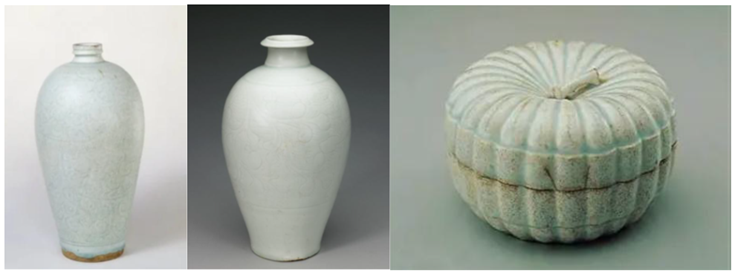
The shift from the Song Dynasty's "force-driven" carving to the Qing Dynasty's "precision-controlled" brushwork signifies the moment when the workbench evolved into a "disciplining tool." Historical artefacts such as the Celadon Glazed Carved Plum Vase exhibit a vibrant interaction with the material that has subsequently been supplanted by somatic locking.
Figure 2
(2-1) (2-2) (2-3)
Figure 2 The Diachronic Evolution of Ceramic Techniques and
Postural Discipline
(Source: Taipei Palace Museum)
Figure 2 illustrates comparative investigation of historical Jingdezhen artefacts demonstrating the evolution from dynamic, high-force manufacture to static precision. (2-1) Celadon Glazed Carved Plum Vase from the Song Dynasty Jingdezhen Kiln; (2-2) Celadon Vase adorned with Floral Motifs and Branches; (2-3) Celadon Chrysanthemum Petal Box from the Song Dynasty Jingdezhen Kiln. These artefacts illustrate the "force-driven" period of ceramic decorating, characterised by deep relief carving that demanded extensive physical movement and hand pressure preceding the "somatic locking" and ultra-static postures required by subsequent fine-line polychrome brushwork.
The workbench transformed from a neutral support surface, suitable for extensive, high-force movements necessary for deep carving, into a confining structure that necessitates high-risk, immobile postures to get the micron-level precision demanded by modern fine-line painting. The juxtaposition of these two periods underscores the "Somatic Paradox": as creative production grew more sophisticated and elaborate, the artisan's physique became progressively constrained and "locked" into the workstation to mitigate the natural tremors that could compromise such delicate craftsmanship.
5.2. Contemporary Lived Experience: The Somatic Paradox
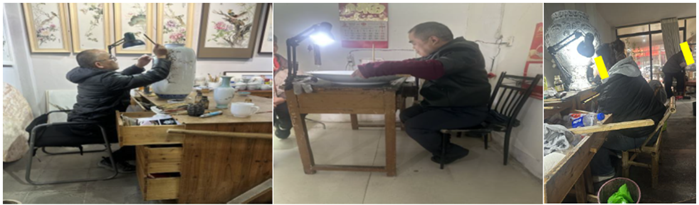
Ethnographic research indicates that the contemporary ceramic artist's experience is characterised by a "somatic paradox", a phenomenon wherein the techniques essential for achieving creative greatness concurrently compromise the artisan's physical well-being. This paradox is propelled by three interrelated internal dynamics: somatic locking—the prolonged isometric contraction of the neck and shoulders to mitigate tremors for micron-level precision; sensory shelter—a psychological "tunnelling" effect that converts the workbench into a mental sanctuary for profound concentration; and a pervasive culture of pain—an internalised justification where chronic musculoskeletal injuries are regarded as a "natural sacrifice" essential for attaining mastery.
Figure 3
(3-1) (3-2) (3-3)
Figure 3 The Somatic Paradox and Embodied Calibration in
Contemporary Practice
Figure 3 presents ethnographic data of ceramic artists in Jingdezhen, highlighting the precise "hairline" stroke method. (3-1, 3-2, 3-3) Visual recording of the internal struggle between the psychological sensory refuge—characterised by profound immersion and "visual tunnelling"—and the physiological consequences of somatic lockout. Note the significant neck flexion, elevated shoulder girdle, and unsupported upper limbs, which need sustained isometric muscular contraction to achieve the micro-level stability necessary for fine-line polychrome brushwork. Source: Field Documentation, 2023–2025
5.3. Ergonomic Risks: The Biomechanical Toll of Precision
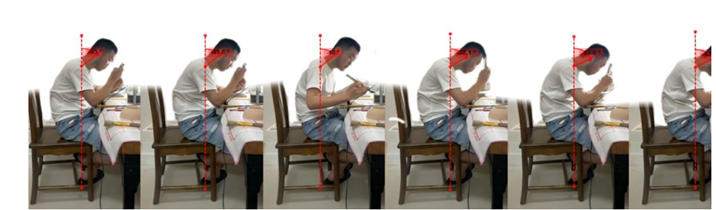
The quantitative assessment of these positions indicates a substantial structural mismatch between traditional furniture and the physiological requirements of the human body, which can lead to discomfort and increased risk of musculoskeletal disorders among users. The Rapid Upper Limb Assessment (RULA) performed in this study indicated that typical painting postures often yielded risk ratings of 7, the maximum level indicating the need for prompt design adjustment.
Figure 4
(a) (b) (c) (d) (e) (f)
Figure 4 Multi-Scalar Design Translation of the Modular Workbench Prototype
Figure 4 presents a detailed technical analysis of the suggested design intervention, correlating RULA-validated hazards with particular engineering solutions. (4-a) Postural Correction Model: Lateral view illustrating the 0°–60° inclined surface that mitigates excessive cervical flexion. (4-b) Primary Reach Envelope: Plan view depicting the 350 mm radius "Sensory Shelter" for enhanced tool accessibility. (4-c) Somatic Support Mechanism: Description of the 360° rotating armrests engineered to substitute isometric muscle tension with mechanical stabilisation. (4-d) Material Sympathy/ Vernacular Mask: Exploded view of the oak veneer over the aluminium extrusion structure. Height Adjustment Logic: Depiction of the 150mm pneumatic lift mechanism for anthropometric diversity. (4-f) Joint-Locking Interface: A detailed view of the modular locking hinges that enable the artisan to securely position the tool rest, replicating the accuracy of conventional methods without physical exertion.
5.4. Design Translation: From Risk to Variable
The study concludes by converting these biomechanical "red zones" into technical parameters. We transition from the "Body as Fixture" paradigm to the "Workstation as Support" paradigm.
Table 3
|
Table 3 Translation Matrix of Biomechanical Risks to Modular Design Variables |
|||
|
Design
Variable |
Ergonomic |
Translation
Logic (Design Strategy) |
Technical
Specification |
|
Risk |
|||
|
Work
Surface |
Extreme
Neck Flexion (>45°) & Cervical strain |
Visual
Field Optimization: Bringing the work to the eyes, rather than the head to
the work. |
0°–60°
variable tilt; 150mm pneumatic height adjustment. |
|
Somatic
Support |
Static
Loading & "Joint Freezing" (Somatic Locking) |
Mechanical
Stabilization: Replacing isometric muscle tension with external structural
support. |
Multi-axis,
360° rotating armrests with high-density foam padding. |
|
Reach
Envelope |
Lumbar
Overextension & Disruption of psychological "Flow" |
Anthropometric
Centering: Organizing the "Sensory Shelter" within the primary
reach zone. |
350
mm radius modular carousel for pigments and precision tools. |
|
Material
Sympathy |
Cultural
Resistance to "Industrial" interventions |
Vernacular
Integration: Masking high-tech functionality with traditional workshop
aesthetics. |
Hardwood
cladding (Oak/Teak) over 2020 Aluminum extrusion framework. |
Table 3 functions as the analytical link between the study's empirical results and its design outputs. It methodically correlates the "High Risk" signs obtained during the RULA (Rapid Upper Limb Assessment) phase with specific, adjustable elements of the proposed modular workbench. The table illustrates the "Translation Logic", showing how qualitative ethnographic insights, such as the artisan's requirement for a "Sensory Shelter", are transformed into quantitative technical specifications. This matrix substantiates each characteristic of the new workstation as a direct reaction to a recorded biomechanical or cultural risk.
The research findings indicate a systematic shift from "body compensation" to "tool support", defined by five principal design initiatives. This shift fundamentally involves the transition from biological to mechanical support, wherein the implementation of 360° rotating armrests alleviates the burden of stability from the artisan’s musculoskeletal system, the "internalised fixture"—to the workstation’s frame, thereby effectively mitigating lactic acid accumulation resulting from static loading. This is enhanced by visual field optimisation, employing a 0°–60° adjustable work surface tilt to mitigate the most critical postural failure—excessive neck flexion—thus aligning the workpiece with the natural line of sight while preserving cervical spine integrity.
The design prioritises the psychological aspect of craftsmanship by maintaining a "flow" state and positioning all necessary tools within a 350-mm-reach envelope. This configuration mitigates lumbar overextension and allows the artisan to sustain their "sensory shelter" without physical disruption. The study acknowledges that technical efficiency alone does not ensure success in a traditional heritage site, utilising vernacular mediation as an adoption strategy by specifying hardwood cladding over the aluminium core to establish a "vernacular mask" that mitigates cultural resistance and workshop hierarchy. Ultimately, these elements signify a transition to evidence-based geometry, wherein each specification—from height modifications to multi-axis rotation—constitutes a validated health intervention based on RULA Score 7 findings. The prototype has transitioned from intuitive furniture to data-driven engineering, functioning as a scientifically valid instrument for the sustainable preservation of Intangible Cultural Heritage (ICH).
5.5. Summary of Findings
The triangulated investigation of Jingdezhen ceramic artists produced several fundamental insights that connect traditional creativity with contemporary ergonomic research. The research yielded the following results through the integration of historical analysis, ethnographic interviews, and systematic observation:
The Somatic Paradox: The research reveals a fundamental contradiction in which the specific physical techniques necessary for sustaining high artistic quality—such as "somatic locking" (the intentional immobilisation of joints for micro-level precision)—result in chronic musculoskeletal degeneration.
Cultural Internalisation of Pain: Artisans exist within a dominant "culture of pain", where chronic musculoskeletal strain is perceived as a "natural sacrifice" or a hallmark of artistic excellence rather than a workplace health risk.
Historical Tool Discipline: A diachronic analysis indicates that the workbench transitioned from a neutral support of the Song Dynasty, intended for "force-driven" carving, to a regulatory framework that enforces the high-risk, immobile postures necessary for contemporary "precision-control" brushwork.
Ergonomic Crisis: Quantitative Rapid Upper Limb Assessment (RULA) scores attained a peak of 7, signifying an urgent requirement for design intervention due to excessive neck flexion (>45°) and unsupported upper limbs. The study effectively converted qualitative "survival wisdom" into a research-through-design (RtD) modular workstation prototype. This solution includes a tilting surface (0°–60°), 360° rotating armrests, and a "vernacular mask" of oak cladding to facilitate cultural integration within the traditional workshop hierarchy.
5.6. Discussion
5.6.1. Beyond Standard Ergonomics and Material Engagement
The study's finding that the workstation functions as an "external cognitive scaffold" is consistent with Material Engagement Theory (MET), which asserts that cognition involves an outward interaction with the material environment. Brinck and Reddy (2020) characterise craft as a "dialogue in the making"; however, their research emphasises that in Jingdezhen, this discussion is physically restricted by a workstation that serves as a "disciplinary tool". Standard ergonomics (ISO 9241) typically emphasise industrial efficiency, although they often falter in craft environments by establishing a "distance" that interrupts the artisan's psychological flow.
5.6.2. The Paradox of Somatic Locking and Sensory Shelters
In accordance with Groth (2017) research on the "thinking hand", the craftspeople in this study demonstrated sophisticated "embodied calibration". The identified phenomenon of "somatic locking", which involves the intentional immobilisation of joints for accuracy, is the principal factor contributing to work-related musculoskeletal disorders (WMSDs). This work validates the "Somatic Paradox" introduced by Alessandroni and Malafouris (2013), where physical stability for art is linked to biological deterioration. This study adds a new dimension to this theory by identifying the "sensory shelter"; while O’Brien et al. (2025) note the hedonic impacts of pottery, our findings show that this deep immersion can be dangerous, as it allows artisans to "tunnel" into their work and ignore the onset of pain.
5.6.3. Sustainability and Cultural Mediation
Contemporary legacy studies increasingly promote a transition from "objects" to "processes". Aikawa (2004) and Ahmad (2006) highlight the practitioner as the conduit for cultural continuity; nevertheless, this research identifies that this conduit is jeopardised by the "biomechanical toll" of traditional practice, which can lead to a decline in the transmission of cultural knowledge and skills essential for preserving Intangible Cultural Heritage (ICH). This study offers "Vernacular Material Sympathy" to ensure the sustainable transmission of Intangible Cultural Heritage (ICH). In contrast to clinical industrial interventions that may face rejection from traditional guilds, the implementation of a "vernacular mask"—hardwood cladding over an aluminium core—guarantees acceptance as an advancement of the craft's heritage, thereby endorsing the participatory design models proposed by van Oorschot et al. (2022) and Busciantella-Ricci and Scataglini (2024).
6. Conclusion
This study has uncovered a notable "somatic paradox" within the Jingdezhen ceramic painting tradition, where the methods vital for artistic proficiency—such as somatic locking—simultaneously compromise the biological sustainability of the artisan. The research indicates that the traditional workstation is not a neutral entity but a disciplinary tool that has evolved from the dynamic, force-driven requirements of the Song Dynasty to the restrictive, static precision control of modern times. The research successfully transitioned from "body compensation" to "tool support" by amalgamating ethnographic "survival wisdom" with quantitative RULA scores of 7, employing a modular workstation prototype. The study reinterprets the artisan's physical stance as an essential element of living heritage, providing a scientific foundation for craft preservation as Jingdezhen approaches its 2026 UNESCO World Heritage classification.
7. Implications and Novelty of the Study
This study's consequences span practical, theoretical, and policy areas, providing a comprehensive framework for preserving craft history. The research presents a modular workbench prototype featuring a 0°–60° adjustable tilt and 360° rotating armrests, offering a validated health intervention that markedly decreases severe neck flexion and isometric muscle strain. This study theoretically enhances transdisciplinary heritage research by presenting the "Somatic Paradox" paradigm. This idea elucidates the paradox in which the embodied behaviours necessary for the preservation of cultural properties such as collaborative stabilisation for accuracy—concurrently lead to persistent physical strain. Moreover, the policy ramifications of this research indicate a transformation in the methodologies employed by cultural organisations, like UNESCO, in the assessment of Intangible Cultural Heritage (ICH). The research emphasises the "biomechanical toll" of conventional practices, providing a framework to incorporate practitioner welfare as a fundamental criterion for enduring cultural sustainability.
This research is innovative in its transdisciplinary connection between the aesthetic "artefact" and the ergonomic "body-tool" interaction. This study is the first to objectively analyse the physical costs of pottery mastery in Jingdezhen using the RULA (Rapid Upper Limb Assessment) and NMQ (Nordic Musculoskeletal Questionnaire) evaluations, contrasting with prior research that primarily concentrated on ceramic history or material science. It distinctly characterises "Sensory Shelter" as a psychological condition of profound immersion that unintentionally conceals physical discomfort during the crafting process, permitting damage to advance unchecked. The study employs the notion of "Vernacular Mediation" by applying hardwood cladding to a high-tech aluminium framework to circumvent cultural opposition. This method guarantees acceptance of industrial ergonomic innovations in traditional guild environments by concealing modern functioning with a "vernacular mask" that honours classic workplace aesthetics.
8. Limitations and Suggestions for Future Study
Despite its constraints, this research provides a comprehensive framework for heritage ergonomics. The sample scope mostly concentrated on high-precision fine-line painters. While topic saturation was attained with 21 master artisans, these findings may not comprehensively reflect the varied ergonomic requirements of individuals engaged in large-scale vessel throwing or intensive kiln operations, which necessitate distinct biomechanical interactions. Secondly, concerning long-term validation, although the Research-through-Design (RtD) intervention offers a verified prototype, the longitudinal impact of the modular workbench on mitigating work-related musculoskeletal diseases (WMSDs) over many years remains unassessed. The "Vernacular Mask" design possesses a degree of cultural specificity, being specifically tailored to the unique "order" of the Jingdezhen workshop and may necessitate substantial aesthetic and structural modifications for application in other global craft traditions with distinct historical or social hierarchies.
To mitigate these limitations, various recommendations for future research are given to enhance the significance of this work. A key recommendation is the establishment of longitudinal health monitoring, encompassing a multi-year study to evaluate the physical health effects of apprentices utilising the modular workbench in contrast to those employing conventional, non-adjustable furniture. Moreover, substantial opportunities exist for digital integration through the investigation of non-invasive biofeedback sensors. This technology might be integrated into the "Sensory Shelter" to furnish artisans with immediate, haptic notifications upon entering high-risk "somatic locking" states, facilitating posture correction without interrupting their creative process. The research advocates the diversification of craft categories by implementing the "Heritage Ergonomics" framework to additional endangered crafts inside the National Ceramic Culture Innovation Pilot Zone. This would enable the development of a standardised array of supportive instruments designed for the many production stages of the ceramic sector, enabling the comprehensive preservation of both the craft and the artisan.
CONFLICT OF INTERESTS
None.
ACKNOWLEDGMENTS
The University Grants Commission (UGC) funds this research under the Junior Research Fellowship (JRF) scheme -NTA Ref. No. 190510564517 dated 29/11/2019.
REFERENCES
Ahmad, Y. (2006). The scope and definitions of heritage: From tangible to intangible. International Journal of Heritage Studies, 12(3), 292–300. https://doi.org/10.1080/13527250600604639
Aikawa, N. (2004). An Historical Overview of the Preparation of the Unesco International Convention for the Safeguarding of the Intangible Cultural Heritage. Museum International, 56(1–2), 137–149. https://doi.org/10.1111/j.1350-0775.2004.00468.x
Alessandroni, N., and Malafouris, L. (2022). Blurring Ontological Boundaries: The Transactional Nature of Material Engagement. Adaptive Behavior, 31(2), 127–131. https://doi.org/10.1177/10597123221098002
Atasoy, H., Şevgin, Ö., Karamancıoğlu, B., and Dikmen Hoşbaş, B. (2025). Ergonomics Training with Exercise and Manual Therapy in Textile Workers: A Randomized Controlled Trial. International Archives of Occupational and Environmental Health, 98(7), 661–672. https://doi.org/10.1007/s00420-025-02160-9
Baber, C. (2015). Thinking through Tools: What can Tool-Use Tell us About Distributed Cognition? Studies in Logic, Grammar and Rhetoric, 41(1), 25–40. https://doi.org/10.1515/slgr-2015-0018
Baber, C. (2018). Thinking
with Hands, Acting with Minds: Embodied Cognition and Creative Practice. In S.
Bagnara et al. (Eds.), Advances in Intelligent Systems and Computing (
225–234). Springer. https://doi.org/10.1007/978-3-319-96071-5_24
Bhatt, V., and Bhatia, R. (2023). An Analysis of Ergonomic Risk Factors Associated with the Wood Block Making Craft of Pethapur, Gujarat, India. Journal of Visual and Performing Arts, 4(2), 684–700. https://doi.org/10.29121/shodhkosh.v4.i2.2023.605
Blake, J. (2000). On defining the Cultural Heritage. International and Comparative Law Quarterly, 49(1), 61–85. https://doi.org/10.1017/S002058930006396X
Boer, L., and Donovan, J. (2012). Provotypes for Participatory Innovation. In Proceedings of the Designing Interactive Systems Conference ( 388–397). https://doi.org/10.1145/2317956.2318014
Bouchenaki, M. (2007). A Major Advance Towards a Holistic Approach to Heritage Conservation: The 2003 Intangible Heritage Convention. International Journal of Intangible Heritage, 2, 105–109.
Brinck, I., and Reddy, V. (2020). Dialogue in the Making: Emotional Engagement with Materials. Phenomenology and the Cognitive Sciences, 19(1), 23–45. https://doi.org/10.1007/s11097-019-09629-2
Busciantella-Ricci, D., and Scataglini, S. (2024). Research through Co-Design. Design Science, 10, e3. https://doi.org/10.1017/dsj.2023.35
Cash, P., Daalhuizen, J., and Hekkert, P. (2023). Evaluating the Efficacy and Effectiveness of Design Methods: A Systematic Review and Assessment Framework. Design Studies, 88, 101204. https://doi.org/10.1016/j.destud.2023.101204
Chami, M. F., and Kajiru, E. J. (2023). Assessment of 12 Years (2011–2023) Implementation of the 2003 UNESCO Convention on Safeguarding Intangible Cultural Heritage in Tanzania. Cogent Arts and Humanities, 10(1), Article 2254044.
Chen, Y., Dong, Q., Zhang, L., Shao, L., and Tang, Y. (2025). Using Natural Language Processing to Identify and Evaluate Heritage Value for Buffer Zone Delineation. npj Heritage Science, 13(1), 262. https://doi.org/10.1038/s40494-025-01715-w
Clark, A., and Chalmers, D. (1998). The Extended Mind. Analysis, 58(1), 7–19. https://doi.org/10.1093/analys/58.1.7
Cross, N. (1982). Designerly Ways of Knowing. Design Studies, 3(4), 221–227. https://doi.org/10.1016/0142-694X(82)90040-0
Cross, N., Naughton, J., and Walker, D. (1981). Design Method and Scientific Method. Design Studies, 2(4), 195–201. https://doi.org/10.1016/0142-694X(81)90050-8
Das, D., and Singh, A. K. (2022). Risk Factors Associated with Work-Related Musculoskeletal Disorders Among Floor-Sitting Precision Handicraft Workers. International Archives of Occupational and Environmental Health, 95, 1129.
Falk, M. T., and Hagsten, E. (2025). Intangible Cultural Heritage Differently Exposed Across Continents. npj Heritage Science, 13(1), 600. https://doi.org/10.1038/s40494-025-02169-w
Foucault, M. (1977). Discipline and Punish. Pantheon.
Groth, C. (2017). Making Sense through
Hands: Design and Craft Practice Analysed
as Embodied Cognition. Aalto ARTS Books.
Groth, C., and Nimkulrat, N. (2024). Introduction: Making as Reflecting through Interaction with the Material Environment. In Craft and Design Practice from an Embodied Perspective (1–12). Routledge.
Gür, İ., Şevgin, Ö., and Dikmen Hoşbaş, B. (2025). Effectiveness of Ergonomics Training and Exercise in Tea Workers. International Archives of Occupational and Environmental Health, 98(9), 945–955. https://doi.org/10.1007/s00420-025-02185-0
Jansson, D. G., and Smith, S. M. (1991). Design Fixation. Design Studies, 12(1), 3–11. https://doi.org/10.1016/0142-694X(91)90003-F
Kolb, M. J. (2019). Making Sense of Monuments. Routledge. https://doi.org/10.4324/9780429427756
Koskinen, I., Zimmerman, J., Binder, T., Redstrom, J., and Wensveen, S. (2013). Design Research Through Practice. IEEE Transactions on Professional Communication, 56(3), 262–263. https://doi.org/10.1109/TPC.2013.2274109
Lázaro Ortiz, S., and Jimenez de Madariaga, C. (2022). UNESCO Convention and ICH: A Critical Analysis. International Journal of Cultural Policy, 28(3), 327–341. https://doi.org/10.1080/10286632.2021.1941914
Mahmood, W., Bashir, M. S., Ehsan, S., and Qureshi, M. A. (2021). Upper Extremity Musculoskeletal Disorders Among Handicraft Workers. Pakistan Journal of Medical Sciences, 37(2), 494. https://doi.org/10.12669/pjms.37.2.749
Malafouris, L. (2013). How Things Shape the Mind. MIT Press. https://doi.org/10.7551/mitpress/9476.001.0001
Malafouris, L. (2018). Bringing Things to Mind: 4Es and Material Engagement. In The Oxford Handbook of 4E Cognition ( 755–771). Oxford University Press.
Marchand, T. H. (2010). Embodied Cognition and Communication. Journal of the Royal Anthropological Institute, 16, S100–S120. https://doi.org/10.1111/j.1467-9655.2010.01612.x
O’Brien, C., Gallagher, S., and Malafouris, L. (2025). Handmade Therapy. Topoi, 44(4), 1131–1144. https://doi.org/10.1007/s11245-025-10181-9
Prochner, I., and Godin, D. (2022). Quality in Research Through Design. Design Studies, 78, 101061. https://doi.org/10.1016/j.destud.2021.101061
Sahu, A., and Pandit, S. (2025). Ergonomic Workstation Design for Dhokra Artisans. Industrial
Health, 63(6), 579–596.
Sanders, E. B. N. (2002). From User-Centered to Participatory
Design Approaches. In Design and the Social Sciences
(18–25). CRC Press.
Schön, D. A. (2017). The Reflective Practitioner.
Routledge.
Sennett, R. (2008). The Craftsman. Yale University Press.
Shakerian, M., Esmaeili, R., and Rismanchian, M. (2023). Ergonomic Risks Among Calico Craftsmen. BMC Musculoskeletal Disorders, 24(1), 109. https://doi.org/10.1186/s12891-023-06219-x
Stappers, P. J., and Giaccardi, E. (2017). Research Through
Design. In The Encyclopedia of Human-Computer
Interaction.
Tangkittipaporn, J., and Jiangsathaporn, W. (2017). Musculoskeletal pain in Informal Work. Psychology, 7(2), 73–88.
Thinnakorn, W., et al. (2025). Sustainability Assessment of Vernacular Heritage. Cogent Arts and Humanities, 12(1), Article 2482385. https://doi.org/10.1080/23311983.2025.2482385
Van Oorschot, R., Snelders, D., Kleinsmann, M., and Buur, J. (2022). Participation in Design Research. Design Studies, 78, 101073. https://doi.org/10.1016/j.destud.2021.101073
Veisi, H., et al. (2020). Musculoskeletal Symptoms Among Shoe Workers. Work, 67(1), 129–139. https://doi.org/10.3233/WOR-203258
Wenhart, C., et al. (2025). Relatedness Technologies. In CHI Conference Proceedings (1–48). https://doi.org/10.1145/3706598.3714260
Zhang, Z., and Li, F. E. (2025). Transforming Exhibition Experience of ICH. Asian Journal of Technology Innovation, 1–39. https://doi.org/10.1080/19761597.2025.2565164
|
|
 This work is licensed under a: Creative Commons Attribution 4.0 International License
© ShodhKosh 2026. All Rights Reserved.