ShodhKosh: Journal of Visual and Performing ArtsISSN (Online): 2582-7472
|
|
Applying Digital Twin Technology to Manage and Preserve Large-Scale Public Art Installations
Frederick Sidney Correa 1
 ,
Dr. Renukaben N. Rajput 2
,
Dr. Renukaben N. Rajput 2 , Tushar
Jadhav 3
, Tushar
Jadhav 3 , Arivukkodi
R 4
, Arivukkodi
R 4 , Dr.
Senduru Srinivasulu 5
, Dr.
Senduru Srinivasulu 5 , Neelam
6, Baskaran
Kuppusamy 7
, Neelam
6, Baskaran
Kuppusamy 7
1 Centre
of Research Impact and Outcome, Chitkara University, Rajpura 140417 Punjab,
India
2 Professor,
Faculty of Arts, Gokul Global University, Sidhpur, Gujarat, India
3 Professor, Department of E&TC Engineering, Vishwakarma Institute
of Technology, Pune, Maharashtra 411037, India
4 Assistant Professor, Computer Science, Meenakshi College of Arts and
Science, Meenakshi Academy of Higher Education and Research, Chennai, Tamil
Nadu 600080, India
5 Professor, Department of Computer Science and Engineering, Sathyabama
Institute of Science and Technology, Chennai, Tamil Nadu, India
6 Assistant Professor, Department of Computer Science and Engineerin
(AIML), Noida Institute of Engineering and Technology, Greater Noida, Uttar
Pradesh, India
7 Scientist, Central
Research Laboratory, Meenakshi College of Arts and Science, Meenakshi Academy
of Higher Education and Research, Chennai, Tamil Nadu 600080, India
|
|
|
ABSTRACT |
|
|
Massive
community-based arts projects are important in strengthening cultural
identity, urban scenery, and community interaction. But their exposure to the
environment and human touch creates difficulties on maintenance, monitoring
and long term preservation. The conventional conservation methods tend to be
reactive to change, time consuming and resource consuming, which are not
conducive in fast changing urban aspects. The paper will recommend an
all-encompassing model of using Digital Twin (DT) technology to operate and
maintain large-scale art installations in the public sphere. The proposed
solution combines the Internet of Things (IoT)-based sensing and real-time
data acquisition, 3D digital modeling, cloud and edge computing, and
artificial intelligence (AI)-based analytics to produce a dynamic virtual
image of physical artworks. The framework allows to constantly monitor
environmental and structural parameters, predictive maintenance based on the
obtained data, and simulate different scenarios to estimate possible risks.
An implementation of a case study shows the potential and efficiency of the
system as it has been found that preservation efficiency, cost optimization,
and stakeholder engagement are improved. The findings reveal that there is a
high level of accuracy in the digital representation, consistency in data
synchronization, and high predictive qualities, which confirm the
possibilities of digital twin systems in managing cultural assets. Besides,
the incorporation of visualization measures like augmented and virtual
reality improves accessibility and interaction with users, which are part of
the popular culture and information distribution. It also discusses the
issues of scalability, standardization, and data security in the study and
presents the future research directions. Altogether, the suggested digital
twin framework can be viewed as a proactive, scalable, and technologically
enhanced approach to sustainable maintenance and management of public art
installation in smart cities. |
|||
|
Received 19 January 2026 Accepted 26 March
2026 Published 11 April 2026 Corresponding Author Frederick
Sidney Correa, frederick.correa.orp@chitkara.edu.in DOI 10.29121/shodhkosh.v7.i4s.2026.7461 Funding: This research
received no specific grant from any funding agency in the public, commercial,
or not-for-profit sectors. Copyright: © 2026 The
Author(s). This work is licensed under a Creative Commons
Attribution 4.0 International License. With the
license CC-BY, authors retain the copyright, allowing anyone to download,
reuse, re-print, modify, distribute, and/or copy their contribution. The work
must be properly attributed to its author.
|
|||
|
Keywords: Digital Twin, Public Art Installations, Cultural
Heritage Preservation, Internet of Things (IoT), Predictive Maintenance,
Smart Cities, Artificial Intelligence, 3D Modeling, Real-Time Monitoring,
Urban Art Management |
|||



1. INTRODUCTION
The role of installations in the cultural identity, increasing the aesthetic appearance of the urban environment and the involvement of the population in the urban area is crucial to the use of public art installations. These art pieces massive as sculptures/murals to interactive digital displays are usually subjected to various environmental factors, such as weather variations, pollution and human touch. Consequently, their structural integrity, aesthetic properties and functionality pose great challenges to the city planners, cultural institutions and conservation practitioners. Conventional maintenance methods that are very much based on periodic checks and reactive maintenance are not enough to guarantee both long-term maintenance and effective management of such installations Tostões (2018). Within the past few years, the high development of digital technologies has created new possibilities in responding to these issues. Digital Twin (DT) technology has turned out to be one of such innovations and is being seen as a paradigm shift in the monitoring, analysis, and management of physical assets in the real-time environment. A digital twin is a representation of a physical object or system in the form of a virtual object that is constantly updated with real-time information, which is gathered using sensors and other data collection instruments. Digital twin technology, originally created to be used in manufacturing, aerospace, and smart infrastructure, is currently becoming popular in other areas, including cultural heritage preservation and urban management Cucco et al. (2023).
The use of the technology of the digital twin on large-scale art installations in the public is a promising solution to most of the constraints that come with the traditional practices of conservation. Stakeholders can constantly observe the environmental conditions, predict when an artwork starts to deteriorate, and model different maintenance options by building a living and updated virtual representation of a work of art. This facilitates predictive maintenance plans that minimize chances of irredeemable damages and maximize the budget allocation. What is more, digital twins will be able to promote a more efficient approach to documentation and archiving so that the artistic and historical significance of installations should remain even in case of physical deterioration or disappearance. The other important benefit of the digital twin application in the management of public art is that it allows interactive visualization and engagement with stakeholders. Digital twins enable curators, engineers and the general population to experience and engage with artworks through immersive environments using high-tech visualization tools like augmented reality (AR) and virtual reality (VR). This makes it more accessible as well as offers new educational, tourism and cultural distribution opportunities. Also, urban art conservation and planning can be based on more informed policies, which can be developed with the help of real-time data analytics Kougias et al. (2021), Achiaga (2021).
Even with its potential, the use of digital twin technology in the framework of public art installations is under-researched. High implementation costs, complexities of data integration, absence of standardized frameworks, issues on data privacy and security are some of the challenges that inhibit mass implementation. Besides, the fact that this application is interdisciplinary, as it involves the cooperation of artists, engineers, data scientists, and policymakers makes it even more complex in its practical use. This is what this paper intends to fill in by introducing an inclusive framework of how digital twin technology can be utilized to operate and maintain large-scale installations of art in the public realm. It examines how sensing technologies, data analytics, and virtual modeling methods can be integrated to develop a powerful and scalable digital twin system to be used in situations of a public art. To illustrate the effectiveness and practical use of the proposed solution, a case study is provided, and its possible advantages in the context of the given approach are emphasized to better the preservation measures, minimize the cost of maintenance, and increase the participation of the stakeholders. This paper has threefold contributions. To begin with, it gives a systematic review of the role of the digital twin technology in the management of cultural assets. Second, it brings a new model that is specially oriented on large-scale installations of public art. Third, it measures the performance and advantages of the proposed system by the application and analysis in the real world. The rest of the paper is structured in the following way: Section II is a review of related work, Section III is a description of the basis of the digital twin technology, Section IV is a description of the proposed framework, and the following sections were on the implementation, the results, and the future research directions.
2. background Work
Stakeholders can constantly observe the environmental conditions, predict when an artwork starts to deteriorate, and model different maintenance options by building a living and updated virtual representation of a work of art López et al. (2018). This facilitates predictive maintenance plans that minimize chances of irredeemable damages and maximize the budget allocation. What is more, digital twins will be able to promote a more efficient approach to documentation and archiving so that the artistic and historical significance of installations should remain even in case of physical deterioration or disappearance. The other important benefit of the digital twin application in the management of public art is that it allows interactive visualization and engagement with stakeholders. Digital twins enable curators, engineers and the general population to experience and engage with artworks through immersive environments using high-tech visualization tools like augmented reality (AR) and virtual reality (VR). This makes it more accessible as well as offers new educational, tourism and cultural distribution opportunities. Also, real-time data analytics may help the decision-makers in coming up with more informed policies in conserving urban art and its planning as well. Even with its potential, the use of digital twin technology in the framework of public art installations is under-researched. High implementation costs, complexities of data integration, absence of standardized frameworks, issues on data privacy and security are some of the challenges that inhibit mass implementation. Furthermore, the interdisciplinarity of this application, that is, the need to unite artists, engineers, data scientists and policymakers, even further complicates its practical implementation Biagini et al. (2016).
This is what this paper intends to fill in by introducing an inclusive framework of how digital twin technology can be utilized to operate and maintain large-scale installations of art in the public realm. It examines how sensing technologies, data analytics, and virtual modeling methods can be integrated to develop a powerful and scalable digital twin system to be used in situations of a public art. To illustrate the effectiveness and practical use of the proposed solution, a case study is provided, and its possible advantages in the context of the given approach are emphasized to better the preservation measures, minimize the cost of maintenance, and increase the participation of the stakeholders. This paper has threefold contributions. To begin with, it gives a systematic review of the role of the digital twin technology in the management of cultural assets. Second, it brings a new model that is specially oriented on large-scale installations of public art. Third, it measures the performance and advantages of the proposed system by the application and analysis in the real world. The rest of the paper will be structured as follows: Section II is the review of related works, Section III is the overview of the basics of the digital twin technology, Section IV is the proposed framework, and the following sections will address implementation, outcomes, and the research perspective.
Table 1
|
Table 1 Literature Review of Recent Works on Digital Twin for Cultural Heritage and Public Art |
||
|
Methodology / Approach |
Key Contributions |
Limitations / Research Gap |
|
Systematic classification of
DT levels (data, visualization, application) Masciotta et al. (2023) |
Provides structured
framework for heritage digitization |
Limited real-time monitoring
and public art focus |
|
Photogrammetry + XR-based
digital twin workflow Gade et al. (2025) |
Demonstrates reproducible DT
pipeline for heritage sites |
Focused on static heritage,
not dynamic installations |
|
AI-enabled DT models with
predictive maintenance Khetani et al. (2023) |
Highlights DT for
climate-aware preservation |
Lacks implementation
framework for urban public art |
|
Real-time monitoring +
simulation models Colace et al. (2021) |
Combines conservation with
visitor interaction systems |
Limited scalability
discussion |
|
Case study using 3D
documentation and modelling Boesgaard (2022) |
Demonstrates DT use in
architectural heritage conservation |
Does not include IoT-based
predictive maintenance |
|
Integration of DT with
additive manufacturing Chen et al. (2023) |
Suggests sustainable
restoration using DT + 3D printing |
High cost and technical
complexity issues |
|
Experimental study on user
perception & authenticity Battina and Jaganathan (2023) |
Evaluates user engagement in
DT-based exhibitions |
Focuses on museums, not
outdoor installations |
|
Comprehensive survey of DT
techniques Vuoto et al. (2024) |
Identifies DT as
transformative for preservation & management |
Lack of standardized
frameworks for public art systems |
The literature review Table 1 presents the summary of eight recent works (20232026) that investigate the use of the digital twin (DT) technology in cultural heritage preservation, smart environment, and similar areas. One of the most visible changes that have been experienced in these works is the shift of the previously stagnant digital documentation methods in 3D modeling and photogrammetry toward dynamic and information-driven digital twin systems that provide the ability to monitor in real-time, simulate and predictive maintenance. The majority of studies reviewed focus on implementing the so-called enabling technologies, including Internet of Things (IoT) sensors, artificial intelligence (AI), extended reality (XR), and cloud-based solutions to make digital twins more functional. All these technologies are useful in ensuring the remote data synchronization of physical assets with online manifestations to enable better decision making about preservation and management procedures. Other papers also mention the use of digital twins to improve user interaction especially in museum and exhibition settings, by creating an immersive visualization and an interactive experience [15]. Nonetheless, in spite of these developments, this table indicates that there are a number of key gaps in research. Most of the studies concern immobile heritage sites, architectural buildings or interior museum space, little is said about the large-scale public art installation in the outdoor urban environment. Also, most of the works do not have a detailed framework, which will combine real-time monitoring, predictive analytics, and stakeholder interaction into one system. The issues of scalability, cost, data interoperability, and system standardization are also often mentioned but are not properly discussed. On the whole, the table shows that although the digital twin technology has enormous potential in cultural asset preservation, the application of the technology to large-scale public art installations management and preservation is underdeveloped. That is why more targeted, interdisciplinary strategies based on the specific needs of public art in dynamic cities are needed.
3. Fundamentals of Digital Twin Technology
Digital Twin (DT) technology is a paradigm-shifting technology that helps bridge the physical and digital worlds by developing a self-evolving and data-driven virtual representation of a physical object or system. Firstly, originally, digital twins were conceptualized in the context of manufacturing and aerospace engineering, and currently, it has become a flexible framework that can be applied in many different fields, such as smart cities, healthcare, infrastructure management, and cultural heritage preservation. This part provides the basic definitions, building blocks, and technology enablers underlying digital twin systems, specifically in the case of management and maintenance of large-scale public art installations.
3.1. Definition and Core Concepts
The concept of a digital twin could be described as a digital image of a physical object, process, or environment that is constantly updated with the help of data exchange between the physical and virtual systems. Digital twins are dynamic and interactive unlike the static digital models, making it possible to monitor, analyze, and even simulate in real-time. The most important idea behind a digital twin is the fact that it can be used to reflect the existing state, anticipate future behavior, and maximize the performance of its physical counterpart. Digital twins have three key properties that differentiate them in comparison with traditional modeling methods. First, there is the concept of real-time synchronization where the virtual model shows the current state of the physical asset as the result of continuous data streams. Second, two-way communication makes it not only follow but also control, in which the results gained based on the digital twin can affect the real processes. Third, predictive capability enables the system to model various situations and foresee any possible problems, e.g., structural degradation or environmental harm. When applied to the context of public art installations, the characteristics allow the stakeholders to check the exposure on the environment, evaluate the material conditions, and virtually test the conservation strategies, without taking physical interaction in the artwork.
3.2. Components of Digital Twin Systems
A digital twin system consists of a number of interlinked components that enable interaction of the physical and virtual environment as a whole to obtain the data, process it, and interact with it. The physical object is the literal object under which it is represented, like a giant sculpture, mural or interactive installation. Such works of art tend to be subjected to different climatic factors such as fluctuations in temperature, humidity, pollution as well as human touch. The physical attributes and weaknesses of the installation would be key in creating the right digital twin. The virtual model is the computer representation of the real world object, which is usually developed with the help of the 3D model or photogrammetry or laser scan technology. The geometry, material properties and structural details of the artwork are captured in this model. Sophisticated digital twins can also be behavioral models which can simulate how the artwork responds to environmental stressors with time passing by, the data integration layer is the pillar of the digital twin and facilitates the collection, processing, and alignment of data among various sources. These are sensor data, historic data, environmental data, and user input data. Integration of data needs standard formats and protocols to make sure that there is interoperability and consistency within the system. The communication infrastructure allows real time data exchange between the physical thing and the virtual model. This is normally done via wired or wireless networks, including Wi-Fi, 5G, or low-power wide-area networks (LPWAN). Consistency is very important in terms of maintaining coordination and facilitating on-time decision-making. The success of digital twin systems greatly relies on the incorporation of a number of facilitating technologies that facilitate data collection, processing, and analysis. IoT is at the heart of digital twin systems as it requires the required hardware to collect the data. Sensors in or around installation pieces of art can be used to measure temperature, humidity, vibration, exposure to light and air quality. Such sensors update the digital twin with continuous data and make it possible to monitor and analyze data in real-time.
Figure 1
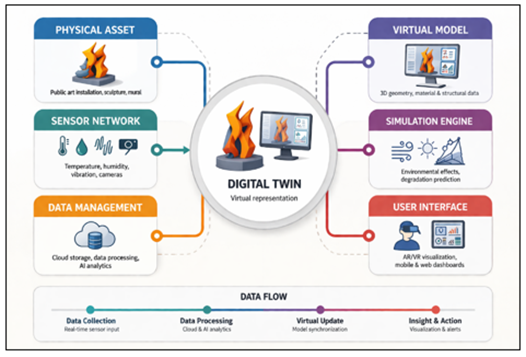
Figure 1 Components of Digital Twin Systems
The Figure 1 shows blockchain technology workflow in a circular process. It depicts the process comprising of activation of the transaction, delivery to the network, node validation, creation of blocks, consensus, and blockchain appension. The mechanism guarantees the security of the validation of transactions that are stored in an indelible registry. The algorithm of artificial intelligence (AI) and machine learning (ML) helps digital twins to be more analyzed by recognizing patterns and detecting anomalies and enables prediction of future conditions. As an illustration, AI-based models have the potential to use historical data and real-time data to predict the degradation of materials or even detect the initial stages of structural damage. It facilitates the proactive maintenance measures and minimizes the incidence of unplanned failures. Cloud computing offers the computing and storage capabilities to facilitate the processing of large amounts of data made by digital twin systems. It allows the centralized data management and collaboration between the stakeholders. Edge computing, in its turn, processes information at a much closer location, decreasing latency and allowing to react with a shorter reaction time. The digital twin operations will be scaled and efficient with the combination of cloud and edge computing. High-level sensing technologies are required to obtain the right and high-resolution data. These can be environmental sensors, structural health watch equipment, and imaging equipment like drone or cameras. This data is collected and pre-processed by the data acquisition systems and sent to the digital twin platform.
3.3. Functional Capabilities of Digital Twins
The digital twin systems have a number of functional capabilities that are specifically applicable to the administration of the public art installations. These are Real-Time Monitoring which consists of constant monitoring of environmental and structural conditions. Predictive Maintenance this is the early identification of a potential problem and streamlining of maintenance tasks. The Testing the effect of alterations in the environment or conservation measures in a virtual setting is known as Simulation and Scenario Analysis. Use of 3D visualization, augmented reality (AR) and virtual reality (VR) Visualization and Interaction this is a method that is used to improve understanding and engagement visually. Such abilities make possible a transition of reactive to proactive management, which enhances the sustainability and longevity of the installations of the public art.
Figure 2

Figure 2 Functional Capabilities of Digital Twin Systems
The Figure 2 shows a Digital Twin system in the middle, the physical public art installation connected to a virtual one. It indicates four primary capabilities namely: real-time monitoring, predictive maintenance, simulation and analysis and interactive visualization. A combination of these functions allows effective monitoring, care, and conservation of large-scale works of art.
3.4. Relevance to Public Art Preservation
The application of digital twin technology to the public art installation presents a new perspective of preservation, which combines both the technological advancement and the maintenance of the culture. As opposed to the conventional way of conservation, which typically presupposes human examination and routinely addressing the maintenance issues, digital twins allow one to constantly see the state of the artwork. This enables interventions to be made in time, the cost of maintenance to be minimized, and irreversible damage to be limited. More so, digital twins can be used as digital archives, like a detailed record of artworks in the future generations. Where physical installations are lost or destroyed, the digital twin can be used to offer a precise image to restore or to have a virtual exhibition. This would be most useful in culturally important pieces of artworks that build the identity and heritage of urban spaces.
4. Digital Twin Framework for Public Art Installations
Digital Twin (DT) technology applied to large-scale public art installations needs a flexible and well-designed structure that combines physical assets, digital models, data systems, and interaction with the user. This part of the paper introduces a holistic framework that serves to facilitate effective tracking, evaluation and maintenance of public artworks in the dynamic city settings. The suggested framework takes the form of a multi-layered architecture, which links the physical artwork and its online equivalent using a mechanism of continuous data exchange. The central element of the system is the digital twin platform that can be described as a centralized place of data processing, visualization, and decision-making. The architecture is often composed of four major layers: the physical layer (art installation and sensors), the data acquisition layer, the processing and analytics layer and the application layer. This modular design enables it to be scaled and flexible so that the system can be adapted to various kinds of public art installations.
Figure 3
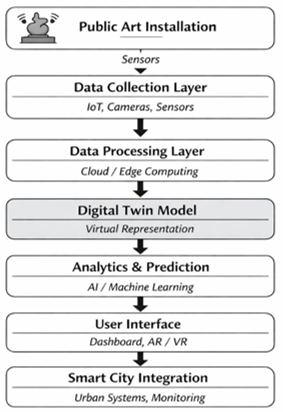
Figure 3 Digital Twin Framework for Public Art Installations
The Figure 3 depicts a Digital Twin model of public art installations, in which the main digital platform is a linking point between physical art pieces and their online models. Predictive maintenance is achieved by collecting data with the help of sensors, processing it with the help of the IoT and cloud systems and analysing it with the help of AI. The system allows real-time tracking, user interfaces such as AR/VR visualization and interconnecting with smart city infrastructure. In general, it demonstrates that the stream of data will ensure effective management and maintenance of public art.
A digital twin system is associated with the effectiveness of collecting accurate information continuously. In the field of public art, sensors are placed in a strategic way to watch environmental and structural conditions, including temperature, humidity, air pollution, vibration, and light exposure. These sensors are connected to create an Internet of Things (IoT) network to relay real-time data to the platform of the digital twin. The use of the imaging technologies can also be implemented, i.e., drones, cameras, and 3D scanners, to record both the visual and structural data and allow the analysis of the work condition detailing during the course of time. The gathered data is worked through and projected in the form of an interactive digital interface which depicts the present condition of the piece of art. Key performance indicators and environmental situations are shown in real-time dashboards to enable the stakeholders to track the wellbeing of the installation in real-time. High-quality visualization, such as three-dimensional representations, augmented reality (AR), and virtual reality (VR) offer an immersive view of the piece of art, as it allows a more in-depth perception and distant inspection. This is mostly applicable in large-scale installations that are either in a public or inaccessible territory. The fact that digital twins can facilitate predictive maintenance is one of the greatest benefits of the technology. Using historical and real-time data, machine learning algorithms are able to determine trends and also forecast possible problems like material degradation, structural load or environmental harm. This allows the maintenance teams to take proactive action before the issues get out of hand, minimize the cost of repairing the artwork and increase its lifespan. Predictive analytics is also capable of aiding in decision making by approximating the effect of alternative maintenance plans and environmental conditions. A successful digital twin system should include user-friendly interfaces that are user-friendly to various stakeholders such as, conservation experts, city planners and the general population. Authorized users can access real-time data, analytics, and reports based on web-based dashboards and mobile applications. To engage people, interactive platforms with AR/VR technologies can be created to give people a sense of immersion, allowing users to walk through the artwork in a virtual environment and know more about its background and meaning. Such not only increases the accessibility, it also fosters cultural awareness and community participation. The digital twin framework can be combined with extensive smart city systems to have the maximum effect. This involves integration of the system with the urban data platforms, environmental monitoring networks, and municipal management systems. This type of integration allows the comprehensive approach to urban asset management, where the installation of the art in public is regarded as a part of the urban organism. It will also make it easy to make co-ordinated decisions and keep preservation activities in line with the urban development and sustainability objectives.
5. Proposed Methodology
This segment represents a methodological framework of deploying a Digital Twin (DT) system to operate and maintain large-sized public art installations. The method combines body data gathering methods, digital simulations, real-time synchronization and analytical assessment to guarantee efficient tracking and sustainability of civic art over time.
Figure 4
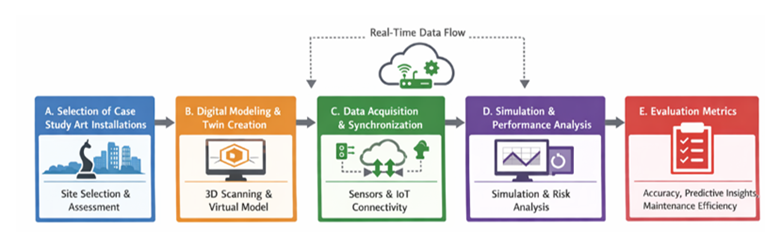
Figure 4 Proposed Methodology
The Figure 4 shows the suggested digital twin approach as a sequential approach. It starts with the choice of appropriate public art installations and then a computer model is created through 3D technologies. Sensors and Internet of Things are then used to gather real-time data and synchronize it. This data is taken to simulate and analyze the performance to anticipate the problems. Lastly, the metrics of evaluation are used to measure the accuracy, maintenance efficiency and performance of the system.
5.1. Selection of Case Study Art Installations
The first one is the choice of the right public art installations that will be capable of proving the usefulness of the digital twin framework. The key areas covered by the selection criteria are scale, composition of materials, exposure to environmental factors and cultural value. The preference is on large scale installations in urban settings, which are more exposed to the environmental stressors, which include pollution, changes in temperatures and even human interaction.
Also, the artworks to be selected must represent various materials (e.g. metal, stone, mixed media, or digital installations) to test the flexibility of the digital twin system in various conditions. Ease of deployment of sensors and collection of data is also taken into consideration so that it becomes pragmatic. The chosen case studies can be considered as the convenient testbeds to check the appropriateness of the suggested framework and determine its effectiveness in the real world.
5.2. Digital Modeling and Twin Creation Process
Upon identification of the case study installations, the second step will be to make proper digital representations. It starts with a comprehensive data capture with such technologies as 3D laser scanning, photogrammetry and high-resolution images. Such methods make it possible to create accurate geometric representations of the physical structure and surface features of the art work. The obtained data are then modeled with modeling software to provide a detailed virtual model of the material properties, structural properties and the environmental environment. In more sophisticated applications, the digital twin can also include behavioral models that model the behavior of the artwork in response to environmental conditions with time. The resulting digital twin is a dynamic representation which changes as new data is updated.
5.3. Data Acquisition and Synchronization
Attaining data is a very essential part of the methodology, allowing real- time interaction in between the physical installation and the digital one. Sensors are also used in strategic locations in order to capture important parameters like temperature, humidity, vibration, light intensity, and the air quality. These sensors create a network of interconnected Internet of Things (IoT) that constantly sends the information to the digital twin platform. In order to maintain correct synchronization, data integration mechanisms are deployed by means of cloud and edge computing technologies.
5.4. Simulation and Performance Analysis
The digital twin system can be used to simulate and analyze different situations which can affect the state and functioning of the artwork. Through the virtual model, the various environmental conditions which may be extreme weather, level of pollution, or even physical strain can be simulated to determine its possible impacts. This will enable the stakeholders to assess the risks and come up with preventive measures without necessarily engaging in the artwork. The performance analysis involves comparison between real-time result and simulation result in order to detect deviations or anomalies. The machine learning algorithms can be used to identify the patterns and forecast the future tendencies of degradation. As an illustration, when metal structures are subjected to a constant humidity of a high level, this can be a sign of corrosion. The patterns of such analysis can be utilized to help plan the maintenance proactively and optimize resources.
5.5. Evaluation Metrics
In order to measure the efficiency of the suggested digital twin framework, a set of evaluation metrics that are represented in Figure 5 is established. These measures are concerned with both technical achievement and practical effect. The most important parameters are Accuracy of Digital Representation which is the extent to which the digital twin is a reflection of the physical state of the artwork. Information Latency and Synchronization Efficiency the speed and dependability of data transfer between the physical and virtual systems. Predictive Accuracy refers to how efficient the system is in predicting possible problems and repairs. Maintenance Efficiency is decreasing in maintenance cost and reactivity rate of interventions. Scalability of the System: The capability of expanding the system to other installations in a city. User Interfaces and Accessibility: How well the user interfaces can serve the stakeholders and promote the interaction of the masses. The measures will give a global platform on which the performance of the systems can be analyzed, and problems of improvement can be identified. The methodology promises to provide a comprehensive evaluation of the digital twin framework by incorporating a quantitative approach with qualitative feedback of stakeholders.
Figure 5

Figure 5 Evaluation Metrics
6. Implementation and Case Study
It is in this part that the proposed Digital Twin (DT) framework is put into practical application by providing a real-world case study of a large-scale public art installation. The goal is to test the practicability, performance, and the usefulness of the system in a dynamic urban landscape. The chosen case study entails a massive outdoor metal sculpture in a plaza of the city. The sculpture is about 8 meters tall, and it was made of steel that is not vulnerable to weather and with intricate geometrical designs. Since the installation is placed outdoors, it is constantly exposed to the environmental stress factors like temperature changes, humidity, air pollution and human touch. In the long run, they may cause corrosion, structural fatigue and surface degradation. The artwork was selected due to its size, availability, and materiality, as well as, the significance of the culture. The fact that it is situated in a busy location also makes it a perfect target to test the user interaction and the overall interaction with the population via the digital twin system. The process started by the installation of a sensor network perimeter around the installation. There were several IoT sensors that were strategically placed to observe environmental and structural variables such as temperature, humidity, vibration, and air quality. Moreover, the cameras of high resolution were installed to obtain visual information to examine the surface condition. Laser scanning and photogrammetry techniques were used to create an elaborate 3D sculpture model. This model was incorporated into a digital twin platform in the form of a cloud, which allows real-time synchronization with sensor data. Pre-processing of the incoming data was provided by edge computing devices, which minimized the latency and provided efficient transmission to the central system.
The architecture of the system was designed with the flow of data being continuous and dashboards were created to monitor and visualize. The stakeholders who had access to the system through role-based access included maintenance teams, city authorities, and researchers, and the processing of the collected data was conducted with the help of cloud-based analytics tools and machine learning algorithms. There were real-time dashboards that showed the important environmental indicators and structural health data, which enabled stakeholders to keep checking the condition of the artwork in real-time. The visualization tools were used to interactively explore the digital twin, such as 3D representation of the sculpture and sensor data superimposition. As an example, heat maps were utilized to demonstrate those areas where the temperature exposure was greater, whereas vibration data was used to identify the areas that were subject to structural stress. Onsite users could see digital insights that were on-top of the physical artwork using Augmented reality (AR) interfaces. The system was able to showcase the capability of integrating multi-source data and presenting it in an accessible and meaningful format that improves the technical analysis and general knowledge of the populace.
6.1. Maintenance Insights and Predictive Outcomes
The digital twin system provided valuable maintenance data via a continuous monitoring and analysis process. Machine learning models found patterns that showed that corrosion occurred in particular locations in the early stages when the environment had high levels of humidity and pollution. Predictive algorithms projected the rate at which material was going to wear and suggested maintenance operations before the damage was visible. It also made possible to simulate different environmental situations and the stakeholders could evaluate the effects of extreme weather conditions and see what would have worked to prevent the situation. Subsequently, maintenance operations became centralized and efficient, and there was no necessity to perform regular manual control, not to mention the reduction of possible unforeseen breakdowns. In general, the experiment proved the efficiency of digital twin technology in the preservation and management of large-scale installations of public art.
7. Results and Discussion
7.1. Performance Evaluation of the Digital Twin System
The digital twin system was tested according to accuracy, data synchronization, and predictability. The virtual model was similar to the physical state of the artwork and there was hardly any difference between the real-time sensor information and the virtual image. The delay of data was kept in reasonable ranges because of the implementation of edge computing, which guaranteed an update within a reasonable time. The predictions using predictive models were very accurate in predicting the possible maintenance problems hence showing that the system is reliable in facilitating proactive decisions.
7.2. Impact on Preservation Efficiency
Digital twin framework deployment enhanced the preservation efficiency to a great extent. The constant observation of the environment and structures identified problems that were emerging in time and, therefore, mitigating measures were taken. This foresight helped to avoid the risks of serious damage and prolong the life of the work. The digital twin system was a more detailed and ongoing representation of the status of the artwork compared to the more established forms of ascertaining information that were based on periodic inspections. The system helped in saving of costs by minimal inspections prevalent in the manual check up as well as minimizing the cost of emergency repairs. Predictive maintenance plans enabled allocation of resources to be better, where maintenance processes were focused and efficient. Even though the original cost of sensors and digital infrastructure was quite high, the benefit in terms of lower maintenance costs and extended lifespan of assets over time exceeded the investment. The stakeholder feedbacks showed that the digital twin system was positively received. The real-time insights and predictive alerts proved to be valuable to maintenance teams in their effort to ease the decision-making systems. The city officials came to the realization of the importance of including the concept of public art management into the smart cities endeavors. Interactive visualization tools (AR and web-based dashboards) were used to improve accessibility and engagement of the user. The provision of the digital insights interested the visitors more in the artwork, which demonstrates the possibility of educating and cultural enhancement. The comparison of the digital twin framework with the traditional methods of maintenance showed that there are a number of benefits. The traditional processes are based on manual inspection that is time-consuming, labour intensive and usually reactive. Compared to it, the digital twin system offers nonstop monitoring, predictive analytics, and decision-making based on data. The suggested solution turned out to be more efficient, more accurate, and comparatively more scalable, so it could be considered a more effective solution to the large-scale management of public art installations. Nonetheless, some weaknesses including high costs of initial setups and technical complexity are still subject to enhancement.
Table 2
|
Table 2 Performance Evaluation of Digital Twin Systems |
||
|
Metric |
Description |
Performance (%) |
|
Accuracy of Digital
Representation |
Matching physical and
virtual model |
92 |
|
Data Latency &
Synchronization |
Speed and reliability of
data transfer |
88 |
|
Predictive Accuracy |
Ability to forecast
maintenance issues |
90 |
|
Maintenance Efficiency |
Reduction in maintenance
effort and cost |
85 |
|
System Scalability |
Expansion capability across
installations |
87 |
|
User Engagement &
Accessibility |
Effectiveness of user
interfaces |
89 |
Figure 6
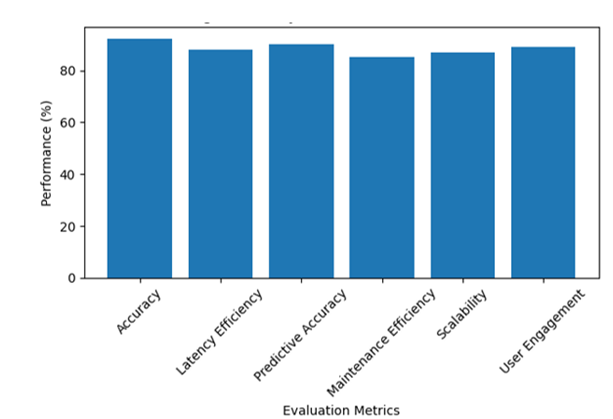
Figure 6 Digital Twin System Performance Matrix
The findings in Table 2 and Figure 6 showed that the proposed digital twin structure is highly performing in all assessment measures. The system is fairly accurate (92) in reflecting the physical asset and effective predictive (90) to be able to implement proactive maintenance. The efficiency of latency (88) can indicate the good performance of real-time synchronization, and the usability of visualization tools is indicated by user engagement (89). In spite of performance (85) in maintenance which is lower because of initial deployment cost, general results justify the effectiveness and scalability of the system.
8. Future Scope and Research Directions
The Digital Twin (DT) technology in the management and maintenance of large-scale public art installations provides great prospects to the research and development in the future. With the technology still developing, there are a number of aspects that can be investigated to improve its efficiency, scalability and integration to urban ecosystems. This is one of the promising areas of integration of more advanced artificial intelligence (AI) solutions, including deep learning and reinforcement learning, to enhance predictive capabilities. These techniques can be used by the future systems to create more precise models of material degradation, structural health monitoring and analysis of the environmental impact. With adaptive learning mechanisms, digital twins will be able to keep improving their predictions with new data, thus making them more reliable and autonomous maintenance systems. The other significance is the growth of digital twin systems in smart city systems. The public art installations can be incorporated into larger urban digital ecosystems, which allow coordinated monitoring with other city ecosystems, including buildings, transportation, and environmental networks. Such integration may be used to achieve a holistic management of the cities, with the cultural assets being maintained in accordance with the sustainability goals and the urban planning strategies. Immersive technology (such as augmented reality (AR), virtual reality (VR), and mixed reality (MR)) also has a considerable potential. The digital twins of the future will be able to offer better interactive experience to both stakeholders and to the people, allowing them to take virtual tours, conduct remote inspections and have an educational use. This type of progress could expand the reach of artwork accessible to the masses and cultural interactions, especially with geographically-isolated audiences. Moreover, standardization and interoperability are also important issues that need to be researched. A systematic approach to protocols of information exchange, sensor combination, and system architecture will facilitate the effective interaction of various digital twins. It is especially critical when it comes to scaling the framework with several installations and cities. Digital twin implementation has other economic and sustainability issues that should be investigated further. Additional research could be done to concentrate on the optimization strategies, energy saving system design and deployment of sensor using eco-friendly materials. Also, the discussion of public-private partnerships and funding schemes could help implement the digital twins on a large scale in the cultural preservation sector. Lastly, the importance of data privacy and cybersecurity in the context of the safety and ethical utilization of digital twin systems must be brought up. Because these systems will be based on the constant data gathering and an access to the network, strong security systems should be established in order to ensure that the data will be safe and that no one may access it without authorization.
9. Conclusion
The paper has outlined an extensive model to be used to implement Digital Twin (DT) technology to manage and maintain large-scale public art installations. The proposed solution would provide a powerful and contemporary solution to the issues related to the conventional methods of art conservation by combining real-time data-gathering, digital models, predictive analytics, the ability to visualize data and interact with it. The research started by stating the shortcomings of the traditional maintenance methods that tend to be reactive and resource-constraining. Conversely, the digital twin model provides opportunities to make targeted and subversive maintenance and monitor it, so the stakeholders can identify the problem and mitigate it at the initial phase. The combination of IoT sensors, the cloud and analytics with AI will help in keeping the virtual model in line with the physical installation to deliver the right and relevant insights. The case study and the implementation showed the theoretical feasibility of the proposed system. The findings reflected the dramatic positive changes in the preservation efficiency, cost optimization, and user engagement. The ability to do predictive maintenance minimized the number of manual inspections that were conducted regularly, whereas interactive visualization tools increased accessibility and stakeholder engagement. The comparison also made sure that the digital twin approach is more accurate, scalable, and effective in comparison with conventional approaches. Additionally, the suggested framework will advance to the larger sphere of smart city development as it will place the concept of public art installations as a part of urban infrastructure. Combining digital twins and urban data systems, cities will be able to gain a more comprehensive vision of asset management and ensure that, regardless of the technological progress, cultural heritage is not forgotten. The study however sees some challenges to it such as initial implementation costs, technical complexity and the requirement of standardized structures despite its benefits. The need to solve these issues will be the key to extensive usage and sustainability. To sum up, digital twin technology is a revolutionary idea of preserving and managing the public art installations. It helps to bridge the gap between the physical and the digital worlds by means of which it becomes possible to make data-driven decisions, increase cultural engagement, as well as contribute to sustainable urban development. The future development of AI, the immersive technologies, and the integration of smart cities is likely to expand the opportunities of a digital twin system even further, which will result in an invaluable instrument in preserving cultural heritage in the digital era.
CONFLICT OF INTERESTS
None.
ACKNOWLEDGMENTS
None.
REFERENCES
Achiaga, M. D. M. N. (2021, August 31). The EU Digital Decade: A New Set of Digital Targets for 2030.
Battina, S., and Jaganathan, S. (2023). AI and Digital Twin Applications in 3D Information Models for Heritage Buildings: A Systematic Review. International Journal of Engineering Technology Management Science, 7, 122–131. https://doi.org/10.46647/ijetms.2023.v07i03.017
Biagini, C., Capone, P., Donato, V., and Facchini, N. (2016). Towards the BIM Implementation for Historical Building Restoration Sites. Automation in Construction, 71, 74–86. https://doi.org/10.1016/j.autcon.2016.03.003
Boesgaard, C., et al. (2022). Prediction of the Indoor Climate in Cultural Heritage Buildings through Machine Learning: First Results from Two Field Tests. Heritage Science, 10, 176. https://doi.org/10.1186/s40494-022-00805-3
Chen, S., Chen, J., Yu, J., Wang, T., and Xu, J. (2023). Prediction of Deterioration Level of Heritage Buildings using a Logistic Regression Model. Buildings, 13, 1006. https://doi.org/10.3390/buildings13041006
Colace, F., Elia, C., Guida, C. G., Lorusso, A., Marongiu, F., and Santaniello, D. (2021). An IoT-Based Framework to Protect Cultural Heritage Buildings. In Proceedings of the IEEE International Conference on Smart Computing (SMARTCOMP) ( 377–382). https://doi.org/10.1109/SMARTCOMP52413.2021.00076
Cucco, P., Maselli, G., Nesticò, A., and Ribera, F. (2023). An Evaluation Model for Adaptive Reuse of Cultural Heritage in Accordance with 2030 SDGs and European Quality Principles. Journal of Cultural Heritage, 59, 202–216. https://doi.org/10.1016/j.culher.2022.12.002
Gade, S. P., More, P., Pawar, N., Surwase, V., and Kohinkar, A. (2025). Human Scream Detection. International Journal of Advanced Computer Engineering and Communication Technology, 14(1), 93–96. https://doi.org/10.65521/ijacect.v14i1.186
Khetani, V., Gandhi, Y., Bhattacharya, S., Ajani, S. N., and Limkar, S. (2023). Cross-Domain Analysis of ML and DL: Evaluating their Impact in Diverse Domains. International Journal of Intelligent Systems and Applications in Engineering, 11(7s), 253–262.
Kougias, I., Taylor, N., Kakoulaki, G., and Jäger-Waldau, A. (2021). The Role of Photovoltaics for the European Green Deal and the Recovery Plan. Renewable and Sustainable Energy Reviews, 144, 111017. https://doi.org/10.1016/j.rser.2021.111017
López, F. J., Lerones, P. M., Llamas, J., Gómez-García-Bermejo, J., and Zalama, E. (2018). A Review of Heritage Building Information Modeling (H-BIM). Multimodal Technologies and Interaction, 2(21). https://doi.org/10.3390/mti2020021
Masciotta, M. G., Sanchez-Aparicio, L. J., Oliveira, D. V., and Gonzalez-Aguilera, D. (2023). Integration of Laser Scanning Technologies and 360° Photography for the Digital Documentation and Management of Cultural Heritage Buildings. International Journal of Architectural Heritage, 17, 56–75. https://doi.org/10.1080/15583058.2022.2069062
Tostões, A. (2018). Modern Built Heritage Conservation Policies: How to Keep Authenticity and Emotion in the Age of Digital Culture. Built Heritage, 2, 17–34. https://doi.org/10.1186/BF03545691
Vuoto, A., Funari, M. F., and Lourenço, P. B. (2024). Shaping Digital Twin Concept for Built Cultural Heritage Conservation: A Systematic Literature Review. International Journal of Architectural Heritage, 18, 1762–1795. https://doi.org/10.1080/15583058.2023.2258084
|
|
 This work is licensed under a: Creative Commons Attribution 4.0 International License
© ShodhKosh 2026. All Rights Reserved.