ShodhKosh: Journal of Visual and Performing ArtsISSN (Online): 2582-7472
|
|
Exploring the Impact of Virtual Reality Environments on Modern Exhibition Design Practices
Gauri Dhopavkar
1 , Kapil Mundada 2
 , Yogesh
Damodar Kute 3
, Yogesh
Damodar Kute 3 , Baoxin
Le 4
, Baoxin
Le 4
 , Vinitha
M 5
, Vinitha
M 5 , Seethaladevi
S 6
, Seethaladevi
S 6
1 Department
of Computer Technology, Yeshwantrao Chavan College of
Engineering, Nagpur, India
2 Associate
Professor, Department of Instrumentation and Control Engineering, Vishwakarma
Institute of Technology, Pune, Maharashtra 411037, India
3 Department of Engineering Sciences and Allied Engineering, Bharati
Vidyapeeth's College of Engineering for Women, Pune, Maharashtra, India
4 Faculty of Education Shinawatra University, Thailand
5 Assistant Professor, Computer Science, Meenakshi College of Arts and
Science, Meenakshi Academy of Higher Education and Research, Chennai, Tamil
Nadu 600080, India
6 Assistant Professor, Department of Mathematics,
Meenakshi College of Arts and Science, Meenakshi Academy of Higher Education
and Research, Chennai, Tamil Nadu 600080, India
|
|
|
ABSTRACT |
|
|
The quick
development of immersive technologies has changed the field of exhibition
design in museums, galleries, and other cultural establishments tremendously.
One of these technologies is Virtual Reality (VR) that has become one of the
most promising technologies to create interactive and immersive environment of the exhibition. The paper will discuss the consequences
of VR spaces on current exhibition designing methods and will explore how VR
results in improving spatial visualization, workflows of designing, and
customer experience. The conventional approaches to exhibition design
traditionally depend on physical layouts, fixed displays and two dimensional planning tools which could restrict
designers in terms of assessing the experience of visitors fully prior to its
implementation. On the contrary, VR-based exhibition systems enable designers
and curators to design three-dimensional exhibit spaces, experiment with the
layout of spaces, and experience visitor interaction scenarios within an
immersive virtual environment. The conceptual framework that has been
introduced by the study incorporates VR in the planning of the exhibitions,
virtual prototyping, mechanism to engage the
audience, and multi-user design processes. By comparing and
contrasting the two, the study demonstrates the superiority of
VR-based design solutions to the conventional ones regarding visualization
power, flexibility of design, efficiency of prototyping, and accessibility.
Additionally, the paper mentions the current trends, including the adaptation
of VR to augmented reality, artificial intelligence, and exhibition platforms
in the metaverse that are likely to increase the opportunities of immersive
cultural experiences. The results indicate that the exhibition design with VR
could provide more interaction with the visitor, enhance design
effectiveness, and allow more access to cultural elements worldwide. The
study will add to the emerging body of knowledge on immersive technologies in
cultural heritage and exhibition design. |
|||
|
Received 26 January 2026 Accepted 21 March
2026 Published 11 April 2026 Corresponding Author Gauri
Dhopavkar, gauri.ycce@gmail.com DOI 10.29121/shodhkosh.v7.i4s.2026.7454 Funding: This research
received no specific grant from any funding agency in the public, commercial,
or not-for-profit sectors. Copyright: © 2026 The
Author(s). This work is licensed under a Creative Commons
Attribution 4.0 International License. With the
license CC-BY, authors retain the copyright, allowing anyone to download,
reuse, re-print, modify, distribute, and/or copy their contribution. The work
must be properly attributed to its author.
|
|||
|
Keywords: Virtual Reality, Exhibition Design, Immersive
Environments, Digital Museums, Interactive Exhibitions, Cultural Heritage
Technology, VR-Based Design Framework |
|||



1. INTRODUCTION
1.1. Background of Exhibition Design in the Digital Era
The exhibition design has experienced a remarkable redesign in the digital era as a result of the high rate of the development of information and communication technologies. Conventionally, museum, gallery and cultural institution exhibitions used the physical spatial layout, inert display, printed sources and lighting effects to convey artistic, historical or scientific stories. Although these traditional methods were informative, they tended to reduce the interaction with the visitors as well as the presentation of the complex information. As digital media expanded, the exhibition environments have seen the integration of multimedia features of interactive displays, projection mapping, digital screens, and sensors-based installations. These technologies have increased the extent of storytelling and customer interaction by making the experience of the exhibition more dynamic and interactive. Also, the emergence of online platforms has prompted designers to reconsider the spatial planning, visitor circulation, and the presentation of content in the exhibition. Consequently, contemporary exhibition design currently incorporates both physical and digital elements to produce hybrid spaces that can increase the interaction of the visitor and experience learning.
1.2. Emergence of Virtual Reality in Creative Industries
Virtual Reality (VR) has become a revolutionary technology in several creative sectors, architecture, entertainment, education and digital art. VR can be used to allow users to immerse themselves in a three dimensional space where they are able to interact with virtual objects and plan spatial arrangements in real time. Within the design and creative production industry, VR can be used to provide potent visualization, simulation, and collaboration in design. The growing use of VR platforms by creative professionals has been to prototype environments and test spatial layouts and experiment with visual aesthetics prior to installing them physically. VR technologies are used in exhibition design as they enable designers to develop virtual galleries, simulate an exhibition layout, and assess visitor perspectives in the virtual digital environment. This feature gives a more human-friendly visualization of scale, spatial relations, and interactivity with the user than the conventional two-dimensional design tools. Moreover, VR allows establishing full virtual exhibitions, which can be viewed remotely and thus opens the boundaries of cultural institutions and gives people around the world an opportunity to explore curated collections without being based on geography.
1.3. Research Problem and Objectives
Although there has been an increased use of digital technology in exhibition design, there are still numerous design practices that continue to use the conventional planning methods that might not entirely reflect the spatial and experiential complexity of exhibition settings. Designers have a tendency to find it difficult to visualize visitor flow, test interfaces as well as gauge customer interest before the actual installation of exhibitions. Such constraints may be associated with design inefficiencies, elevated production expenses, and complications in attaining the best visitor experiences. Virtual Reality serves as an opportunity to overcome such issues as the possibility to have an immersive simulation and interactive prototyping of the exhibition spaces in the design stage. Nonetheless, the influence of VR environments on current practice of designing an exhibition is a developing field of study. The overall aim of the research is to investigate the impact of VR technologies on exhibition design processes, spatial visualization, and strategy of interacting with the audience. The study is also expected to reveal the advantages, constraints, and real-world application of VR use in the modern exhibition design process Li et al. (2023).
1.4. Scope and Significance of the Study
This paper is devoted to the impact of Virtual Reality space on the contemporary way of designing exhibitions in museums, galleries, and other cultural facilities. The study analyses the role of VR technology in visualizing design, spatial exploration, and interactive narrative of an exhibition development. Through the case of VR technologies integration in the exhibition design process, the study will also pinpoint the emerging possibilities of engaging audience through immersive experiences and digital cultural experiences. The importance of the study is that it can be involved in interdisciplinary discourse in the field of interaction of digital technology and design innovation and cultural communication. The perception of how VR affects the design of an exhibition can also assist designers, curators, and cultural organizations to implement better and more innovative design approaches. Furthermore, the research paper gives an understanding of the manner in which the immersive technologies may increase accessibility, reach larger audiences as well as contribute to the transformation of exhibition spaces in the digital era. The results can also be used in future studies of immersive media and how it can transform both the cultural and learning space.
2. Evolution of Exhibition Design Practices
2.1. Traditional Exhibition Design Approaches
The design of traditional exhibitions was more focused on the material and spatial layout of objects and visual materials in a specific space. Museums, culture halls and galleries used architectural planning, display racks, printed panels and lighting systems and material objects to convey information and stories to the visitors. The exhibition designers properly structured objects and interpretive material to direct movement of visitors and emphasize central thematic display. The visual hierarchy, space composition and lighting played critical roles in the development of the viewing experience of the audience. There was close cooperation between the curators and the designers in order to make sure that the exhibits communicated a meaningful educational, cultural or historical message. Whereas the conventional exhibition design focused on visual display and sensory experience of the objects, the interaction between the visitors was mostly passive as the audience only watched as opposed to participating in the content of the display itself.
Figure 1
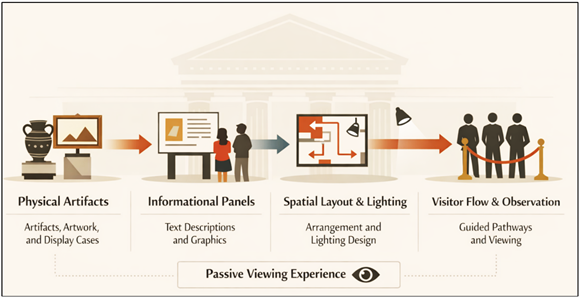
Figure 1 Traditional Exhibition Design Approaches
Figure 1 shows the basic elements of the traditional practices within the fields of exhibition design. The main content of the exhibitions consists of the physical objects, and the informational panels that offer the context of interpretation. The spatial layout and lighting design leads the visual focus and design of objects in the exhibition space. All these make up the visitor flow and viewing experiences wherein viewers mainly see organised exhibits via ordered routes. The framework underscores the conventional purpose of introducing objects in exhibition design and passive spectators Cheng et al. (2024).
2.2. Transition from Physical to Hybrid Exhibition Spaces
As the digital technologies evolve and people grow more and more demanding about interactivity and immersion, the exhibition spaces have been slowly transforming into a hybrid format where digital aspects are incorporated into the design of an exhibition. Hybrid exhibition spaces integrate physical presentations with electronic interfaces in form of touch screens, multimedia installations, augmented screens and interactive projection systems. This change enables designers to create more interactive and easier ways of presenting complex information. Digital storytelling tools may offer some more layers of interpretation by audio-visual narratives, virtual reconstructions and interactive simulations as an example. Hybrid exhibitions also help institutions to broaden the scope of their collections by extending their physical collections by virtual tours and online shows. This shift represents a more general shift in audience engagement with the cultural experience, as visitors are growing more and more demanding of a more participatory and immersive experience as opposed to mere displays.
2.3. Role of Digital Technologies in Exhibition Environments
The digital technologies are now part and parcel of the modern exhibition design. Virtual reality (VR), augmented reality (AR), projection mapping, motion sensors, and interactive media platforms are some of the tools that enable designers to design dynamic and immersive experiences that would increase visitor engagement. Exhibitions using these technologies can integrate multimedia narration, instant interaction, and personalized experiences in exhibitions. As an example, VR environments can recreate historical locations, artistic spaces or conceptual installations that are physically unaccessible in conventional exhibition spaces. Equally, AR applications enable visitors to receive more information about the context by engaging with digital overlay on real-world objects. Even the design process is facilitated by digital technologies, as they allow the designers to see spatial layouts, experiment with exhibition layouts, and simulate visitor experience and implement physical installation. Consequently, the creative and interpretive opportunities of exhibition spaces have greatly been widened by the digital integration.
2.4. Limitations of Conventional Exhibition Design Methods
Although the traditional approaches to designing exhibitions have historical importance, and are still applicable, they have some shortcomings in the modern cultural and educational practices. Conventional design solutions usually focus on the usage of the fixed exhibition that provides few possibilities to the visitor to interact with the displays and get the experience. This may diminish the capacity of exhibitions to convey complicated concepts or fit various learning needs of viewers. Also, physical exhibitions need lots of resources in form of construction, installation and maintenance and therefore, it is hard to design them later the exhibition has been put in place. The planners might also have difficulties forecasting the movement, the level of engagement and perception of space of the visitors during the planning process. It may be challenging to consider the experience audiences will have when attending the exhibition setting without sophisticated visualization tools until it is physically built. The limitations have prompted researchers and designers to consider new technologies like virtual reality, immersive media as the novel way that can be applied in improving the planning of the exhibition, audience engagement, and in designing the experience Hu and Wang (2024).
3. Virtual Reality Technologies in Exhibition Design
Virtual Reality (VR) technologies are becoming a key factor in the evolution and revolution of the modern exhibition design. Computer-generated immersive environments that enable users to perceive and interact with simulated environments that are three-dimensional in nature are called VR and typically require specialized hardware like head-mounted displays (HMDs), motion sensors, and other interactive control mechanisms. The VR technologies can be used in exhibition design to build virtual environments that recreate or expand the physical exhibition area in order to provide designers, curators, cultural organizations with a valuable tool to create an environment that mimics real space. These immersive spaces have created new visualization opportunities and spatial experimentation as well as interactive storytelling that was hard to create under traditional design practices. VR can improve the design, evaluation, and presentation of the exhibition concepts to the audience by permitting users to navigate and interact within the digital exhibition spaces.
Among the most important advantages of VR in exhibition design, it is possible to mention the opportunity to obtain the immersive visualization of the exhibition environment even prior to the actual construction works. The designers have an opportunity to build three-dimensional virtual images of galleries and museum halls or exhibit layouts and tour them in real time. This feature enables the designers to examine the spatial relations, object location, the presence of light, and the walk route of the visitors more effectively as compared to the two-dimensional drawings or non-animated images. VR simulation allows curators and design teams to explore various set-ups of the exhibition and how the visitor will feel in the space. This type of immersive visualization is beneficial in the decision-making process of planning and in minimizing the chance of errors or ineffective space plans in design as soon as the exhibition becomes a reality. VR technologies also help to create interactive experiences of the exhibition, which may be more active in the visitors than the traditional displays. Visitors in virtual space do not just observe but have access to digital objects, can browse recreated spaces, and can find other layers of information with the help of immersive interfaces. As an illustration, a VR exhibition can enable someone to stroll around a historical location, view archaeological recreations, or engage with a virtual image of an artwork and cultural objects. These participatory experiences add to the visitor experience, providing motivation to explore, show interest and even greater mental engagement with the exhibition material. Consequently, VR could alter the experience of exhibitions by turning a static display space into the dynamic experience space.
Besides enhancing visitor interaction, VR technologies can be of great importance in the collaboration of curators and designers. Many stakeholders are usually involved in the development of exhibitions, and they include the designers, curators, historians, educators, and technical specialists. VR systems also facilitate teamwork in designing the virtual exhibition because they allow the stakeholders to view the prototypes of the virtual exhibition and give feedback on the project at the initial development phase. Visualizing the exhibition space, in an immersive format also allows team members to collaborate on the design concepts, review space concepts, and make a knowledgeable modification to the design prior to the start of construction. This interdependent practice is aimed at improving interaction between creative and technical teams and can assist in making sure that the goals of the exhibitions are properly converted into space planning. One more significant thing about VR in exhibition design is that it can increase the opportunities to access the cultural content by means of virtual exhibitions. Cultural organizations and museums start to implement VR to make digital exhibitions, which can be viewed remotely online or by making use of VR-based applications. These online galleries enable viewers in disparate geographical areas to view exhibited collections without going to the actual exhibition space. This feature is especially useful when it comes to institutions that want to access the wider audience and bring cultural heritage closer to the people and offer them educational materials. Virtual exhibitions may also maintain and make available delicate or inaccessible objects that can otherwise be inconvenient to exhibit, and thus, play a role in digital cultural preservation Yang et al. (2024).
Although the application of VR technologies in the design of an exhibition has a number of benefits, it also has a set of challenges. The creation of the high-quality VR environment involves specific technical expertise, high-quality hardware, as well as a considerable amount of investment in digital media production. The factor of usability, accessibility, and user comfort should be taken into account by designers in the creation of immersive environments since the long use of VR can make some users feel uncomfortable. Also, the curators should balance technological innovation and curatorial integrity in a careful manner to make sure that the digital experiences are a complement, and not a shadow of the cultural and educational value of the content in the exhibition. These challenges can only be tackled through interdisciplinary efforts of designers, technologists and cultural institutions.
On balance, Virtual Reality technologies are a strong solution to changing the contemporary approach to the exhibition design. VR expands the range of ways in which exhibitions can be conceptualized and experienced through the ability to visualize them in an immersive way, engage with them interactively, participatively design, and be remotely accessed. With the further development of VR technologies, they will become more and more important in designing the future of exhibition spaces and communication based on culture.
4. Conceptual Framework for VR-Based Exhibition Design
4.1. Integration of VR in Exhibition Planning and Development
Virtual Reality (VR) integration in the planning and developing of an exhibition is a major change in the way designers conceptualizes and structures exhibition spaces. Conventionally, exhibition planning used to be based on sketches, architectural drawings, scale models, and computer rendering to visualize space layouts and display arrangement. Although such techniques are helpful planning aids, they do not feel as immersive as to get the whole picture of the experience of the visitors to the exhibition space. VR technologies help in overcome this drawback by allowing designers to design digital environments whereby the concept of an exhibition can be experienced in real time. Using VR platforms, curators and designers are able to model the gallery spaces, experiment with the positioning of objects, and the spatial arrangement, without the physical exhibition starting to be built. This incorporation improves the effectiveness of planning process and enables the stakeholders to comprehend the general picture of the exhibition, its space flow and hierarchy better. Due to that, VR allows making a better-informed design decision and promotes more iterative and flexible exhibition development Baradaran Rahimi et al. (2022).
4.2. Virtual Prototyping and Spatial Layout Testing
The possibility to create the virtual prototypes of the exhibition set-ups also is one of the most significant contributions of VR to the work of an exhibition designer. Virtual prototyping is the production of comprehensive three-dimensional models of exhibition spaces, such as wall space, display space, lighting, and digital display space. These virtual environments enable the designers to test various spatial setups and the interaction of objects and visual elements in the exhibition space. The designers are able to test the scale, view, visibility, and movement pattern of visitors by walking into the virtual world using VR headsets or simulated activities. It allows designers to test different options of designs and space arrangements without the expense and logistical issues of physical mock-ups. Virtual prototyping can also help in the early detection of the design problems like overcrowded display space, poor lighting or inefficient visitor routes. Therefore, VR-based testing spatial layout enhances the functionality and aesthetic integrity of exhibition spaces.
4.3. Audience Interaction and Engagement Mechanisms
There is also the new opportunity to increase the interaction and engagement of the audience through the use of VR-based display settings. In classical exhibition, the main interaction of visitors in the exhibition is via observation and text interpretation. VR worlds, on the contrary, provide the visitor with the opportunity to engage in exploration and work with the digital interpretation of the exhibition material. Interactive features like gesture based controls, immersive navigation and interactive storytelling features allow users to immerse themselves more into the narratives of exhibitions. As an illustration, the virtual artifact can be manipulated by visitors, they can visit recreated historical environment, or they can view embedded multimedia information in the virtual space. Such interactive experiences facilitate active learning and help the visitors to explore the contents of the exhibitions at their own time. Also, with VR technologies, designers can test visitor experience at the design stage, which will help them assess how visitors would engage with the digital features, as well as move around the digital exhibition space. Using the interactive mechanisms in the conceptual framework will allow VR-based exhibitions to contribute to higher emotional appeal, curiosity, and knowledge retention in the audience.
4.4. Design Workflow Using VR Environments
VR technologies also alters the process of working on an exhibition design as they present new tools and co-working processes. Under a VR-based design process, the exhibition ideas are usually initiated by the creation of virtual models through 3D design software or virtual environment platforms. This is then imported into the VR systems where the designers can use to explore and make changes to the exhibition space in immersive format. The virtual exhibition can be reviewed by designers, curators, and other stakeholders where any design choice can be discussed and modified instantly. The iterative model enables design teams to perfect the layouts of exhibitions, optimize lighting conditions, multimedia installations and assess visitor navigation patterns, and consider the physical design finalized. Remote collaboration using VR-based workflows can also help in allowing team members to collaborate on the design process despite being in different places using virtual environments. Through the introduction of VR in the design proxemis, the process of exhibition creation would be more flexible, collaborative, and responsive to a creative experimentation. This style eventually improves the design quality and the effectiveness of the new exhibition design through the integration of both artistic imagery and the ability to engage tech-wise and be immersive Kim et al. (2020).
Figure 2
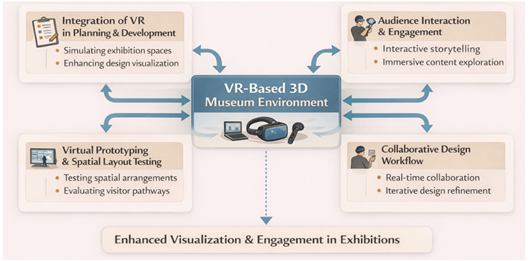
Figure 2 VR-Based Exhibition Design Framework
Figure 2 below depicts the conceptual structure of VR-based exhibition design. The main part of the structure is the VR-Based 3D Museum Environment, which is the dynamic virtual reality of creating, visualizing, and testing exhibition ideas. Four main functional modules are found round this central component. Integration of VR in Planning and Development is the first module that is dedicated to the simulation of the exhibition space and the design visualization improvement at the planning phase. The second of these modules is Virtual Prototyping and Spatial Layout Testing that will provide the designers with an opportunity to test the spatial layout, placement of objects, and visitor routes in the virtual world and implement them physically. The third category, Audience Interaction and Engagement, sheds light on the contribution of immersive storytelling and interactive exploration to visitor experiences. The fourth module, Collaborative Design Workflow, focuses on creating a real-time collaboration between a designer, a curator, and technical team as a result of the iterative design refinement process. All these elements interrelate with the main VR environment, which eventually results in better visualization, greater design performance, and further involvement of the audience in contemporary exhibitions Flavián et al. (2019).
5. Comparative Analysis of Traditional and VR-Based Exhibition Design Framework
The comparative analysis shows the difference between the traditional ways of exhibition design and the VR-based framework of exhibition design that is suggested in this paper. Conventional exhibition design is based on the physical layout, fixed exhibition and manual techniques of planning. On the contrary, VR-based exhibition design incorporates immersive digital technology which enables designers to recreate exhibition setting, experiment with space arrangement and design interactive experiences, prior to actual physical implementation. Spatial visualization ability is one of the greatest distinctions. Conventional designing strategies usually depend on 2D drawings, floor plans, and physical models, which might not reflect the spatial experience of the visitors in a wholesome manner. The virtual reality contents built on VR offer a 3D view that allows designers and stakeholders to navigate the virtual exhibition areas and assess layouts in a more productive manner.
The other important difference is design flexibility. Conventional exhibition planings are usually very laborious and expensive to alter after the construction has started. VR environments enable quick design cycles in which it is possible to change spatial layouts, lighting effects, and digital environments on-the-fly without physical limitations. The involvement of the audience is also significantly improved in VR-based exhibitions. Conventional exhibitions tend to develop passive viewing of objects and information stands. VR, in its turn, can be used to create an interactive storytelling experience, allow exploration of the world in a unique way, and be more personalized, giving the visitors an opportunity to engage in the experiences with digital content. Moreover, efficiency in prototyping is enhanced with the use of VR. Physical prototyping consists of time, resources and materials where VR enables designers to create and test virtual prototypes in a short time frame. Likewise, the joint design processes also can be enhanced with VR platforms enabling several designers and curators to collaborate within common virtual spaces. Lastly, VR technologies make things more accessible and global through the use of remote virtual exhibitions which could be accessed online, allowing cultural institutions to see more people than they would otherwise. Altogether, the comparative analysis shows that VR-based exhibition design has significant benefits in visualization, ability to flexibly design an exhibition, audience involvement, and teamwork during the development process.
Table 1
|
Table 1 Comparative Analysis Table |
||
|
Aspect |
Traditional Exhibition
Design |
VR-Based Exhibition Design |
|
Spatial Visualization |
2D drawings, physical
mock-ups |
Immersive 3D virtual
environments |
|
Design Flexibility |
Changes require physical
reconstruction |
Real-time modifications in
virtual space |
|
Audience Engagement |
Passive viewing of displays |
Interactive and immersive
experiences |
|
Prototyping Efficiency |
Physical prototypes required |
Rapid virtual prototyping |
|
Collaboration |
Limited to physical meetings |
Real-time virtual
collaboration |
|
Accessibility |
Restricted to physical
visitors |
Global access through
virtual exhibitions |
In Table 1, the comparative analysis table shows the disparities between the conventional exhibition design and VR-based exhibition design using the main parameters of spatial visualization, design flexibility, audience engagement, prototyping efficiency, collaboration, and accessibility. Conventional exhibition design uses predominantly 2D drawings, physical layouts and passive viewing experiences, restricting the way of interacting and being flexible. By comparison, VR-based exhibition design offers more immersive 3D visualization, interactive visitor interaction, faster virtual prototyping, as well as collaborative design experiences, and also allows worldwide access to exhibitions through virtual exhibit designs. Altogether, the table demonstrates that VR-based structures contribute significantly to efficiency, interactivity, and accessibility in the current practice of designing the exhibitions Han et al. (2018).
Figure 3
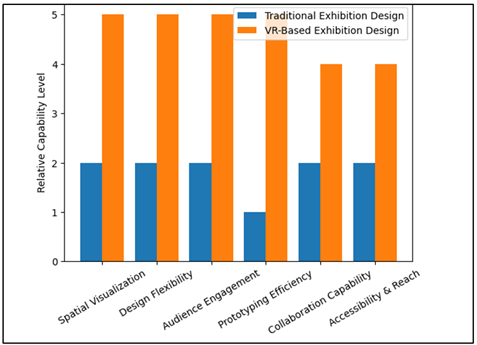
Figure 3 Comparative Analysis of Traditional Vs VR-Based
Exhibition Design Framework
The graph in Figure 3 provides a comparative visual representation of the efficiency of conventional exhibition design procedures and VR-based exhibitions design constructs in a number of important design and operating parameters. The bar graph makes comparisons on the two approaches based on six evaluation criteria which include spatial visualization, flexibility in design, audience engagement, efficiency in prototyping, capability of collaboration and accessibility and reach. All parameters are significant issues that can help to determine the efficiency of exhibition design and visitor experience. The bars of the traditional design of the exhibition reflect comparatively less capability levels of most parameters in the diagram. It is so because the old methods work mainly with 2D drawings, the physical mock-ups and manual planning systems. Such methods give minimal space intelligence and demand a lot of work to adjust once the exhibition structure is constructed. One such limitation of traditional design is the use of spatial visualization, which can only be done in the form of floor plans or scale models, which do not always reflect the perception of how the visitors will go through the exhibition space. Likewise, the viewers of the conventional exhibitions can be restricted to mere observation of objects and informational stands. On the contrary, the bars on VR-based exhibition design show much greater capability levels on all the parameters of evaluation. VR spaces enable designers the freedom to develop full simulation of three-dimensional environments of exhibition areas in which layouts, lighting, and positioning of objects can be interactively tested. This enhances spatial visualization, and gives the designers an opportunity to have a glimpse of the exhibition in the view of the visitor. The diagram also depicts that there is a significant improvement in design flexibility in VR environment as changes can be completed immediately in the virtual model without being physically built. The other important feature depicted in the diagram is engagement of the audience. Exhibitions based on VR offer the advantages of interactive storytelling, feeling their way around through the virtual space, and experiencing the multimedia in motion and action enabling visitors to actively engage with the content of the exhibition instead of merely observing the stagnant displays. Moreover, VR technologies enhance the efficiency of prototyping as they enable the designer to preview numerous options of the design in a virtual space and only implement the final exhibition Rahimi et al. (2020).
6. Future Trends in VR-Driven Exhibition Design
The recent growth of the immersive technologies is still transforming the environment of the exhibition design, and Virtual Reality (VR) is likely to become even more significant in the design of the future exhibition space. The combination of VR and the technologies of Augmented Reality (AR) and Mixed Reality (MR) is one of the important trends. Whereas VR generates complete digitalized worlds, AR and MR make it possible to project digital components onto the real world. A hybridization of these technologies can result in a hybridizing experience of an exhibition through the addition of digital data, interactive visualizations, and immersive narrative with physical objects. In this case, a person, who visits a museum, can use AR gadgets and see the reconstruction of historical buildings or the context when standing near the actual objects. Mixed Reality technologies also contribute to this experience as it enables the contact of digital and physical components with each other in dynamical ways, producing more impressive and involving displays of exhibitions. The other trend on the horizon is the application of Artificial Intelligence (AI) in exhibition layout and visitor communication. The systems powered by AI have the ability to scan visitor behavior, preferences and engagement patterns in order to deliver individualized experiences during exhibitions. As an example, AI-based recommendation systems can direct visitors to the exhibition according to their interests, and intelligent virtual assistants may give real-time explanations of arts or artifacts. AI can also assist the design process through assisting the curators and designers to analyze spatial arrangement and creating interactive content to the exhibitions by optimizing visitor flow. The combination of AI and VR technologies can result in the creation of adaptive exhibition spaces with dynamic reactions to interactions with visitors and their learning preferences Choi and Nam (2024).
The idea behind the metaverse also shows new opportunities to the design of the shows in the future. Exhibition spaces in the metaverse are virtual places that are permanent and in which users communicate with digital objects, artworks, and other participants via avatars. Virtual exhibitions are possible within such environments, which can be created in museums, galleries, and cultural institutions in order to recreate physical spaces or establish completely different digital exhibitions. Such metaverse exhibitions enable the international audiences to see cultural collections and engage in collaborative art experiences irrespective of geographical status. With the development of metaverse platforms, they can become significant cultural exchange places, experimental art spaces, and places of digital heritage. Besides technological innovation, sustainability and distance accessibility are emerging as the important issues when it comes to the future of exhibition design. Exhibitions used to be traditional, which means that a lot of resources are needed to transport the exhibition, install it, illuminate and maintain the displayed goods. VR-based exhibitions may decrease the impact on the environment because it is possible to minimize the use of physical material and create virtual exhibition space which may be viewed at a distance. Remote exhibitions also make it possible to allow educational institutions, scholars, and people across the world to experience cultural content without traveling. Through the immersive technologies and sustainable design practices, the cultural institutions can create both environmentally responsible and widely accessible models of exhibitions Bankar et al. (2025).
7. Conclusion
This paper has examined the role played by Virtual Reality worlds in contemporary exhibition design and also how the immersive technologies can reinvent the approach to the way exhibitions are planned, designed, and experienced. The study also indicated the role of VR technologies in helping designers develop three-dimensional space environments, which have a more positive impact on spatial visualization, interactive experiences, and collaborative design. Virtual prototyping and simulation allow designers to run tests on the layouts of and lighting of exhibitions and visitor routes prior to physical execution, enhancing the efficiency of designing exhibitions and minimizing the chances of making errors. The results of the current study prove that VR-based exhibition models include a number of benefits in comparison with conventional exhibition design systems. These are; better spatial visualization, more design flexibility, better audience engagement as well as better access in terms of virtual exhibition. VR-based exhibitions are more dynamic and participatory experiences, unlike traditional standalone displays because they provide visitors with an opportunity to engage with digital artifacts and immersive spaces Man and Gao (2022). The designers, curators and cultural institutions can have important implications of such findings. VR technologies can be utilized as a potent tool of conceptualizing and testing exhibition spaces by designers, and immersive media can also be used by curators to articulate cultural stories in more exciting and groundbreaking manners. Cultural institutions are also able to reach more people by providing virtual exhibitions where they can access the cultural collections and educational resources all over the world. Although these technologies have been developed, another significant issue arising when using VR technologies in the design of exhibitions concerns the technical equipment, the creation of content, and accessibility to it. The combination of designers, technologists, researchers, and cultural organizations will be necessary in order to address those challenges. The upcoming study must continue by engaging in the instances of how immersive technologies can be integrated with artificial intelligence, augmented reality, and metaverse to create more adaptive and intelligent exhibition spaces. Other studies can also be done to explore the user experience, learning outcomes and the long term cultural impacts of immersive exhibits. Researchers and practitioners can also help in creating new models of exhibitions to improve communication of diverse cultures and involvement of audience in the digital era by further exploring the emerging technologies.
CONFLICT OF INTERESTS
None.
ACKNOWLEDGMENTS
None.
REFERENCES
Bankar, A., Sonekar, A. M., Kashyap, A. R., Pathan, A. A., and Ansari, R. S. (2025). Effect of Print Speed, Infill Pattern, and Infill Density on Tensile Strength of Part Produced by ABS Filament using FDM 3D Printing Technology. International Journal of Trendy and Advanced Research in Mechanical Engineering, 14(1), 41–47. https://doi.org/10.65521/ijtarme.v14i1.520
Baradaran Rahimi, F. B., Boyd, J. E., Eiserman, J. R., Levy, R. M., and Kim, B. (2022). Museum Beyond Physical Walls: An Exploration of Virtual Reality-Enhanced Experience in an Exhibition-Like Space. Virtual Reality, 26, 1471–1488. https://doi.org/10.1007/s10055-022-00643-5
Cheng, L., Xu, J., and Pan, Y. (2024). Investigating User Experience of VR Art Exhibitions: The Impact of Immersion, Satisfaction, and Expectation Confirmation. Informatics, 11(2), Article 30. https://doi.org/10.3390/informatics11020030
Choi, K., and Nam, Y. (2024). Do Presence and Authenticity in VR Experience Enhance Visitor Satisfaction and Museum Re-Visitation Intentions? International Journal of Tourism Research, 26, Article e2737. https://doi.org/10.1002/jtr.2737
Flavián, C., Ibáñez-Sánchez, S., and Orús, C. (2019). The Impact of Virtual, Augmented, and Mixed Reality Technologies on the Customer Experience. Journal of Business Research, 100, 547–560. https://doi.org/10.1016/j.jbusres.2018.10.050
Han, D. I., tom Dieck, M. C., and Jung, T. (2018). User Experience Model for Augmented Reality Applications in Urban Heritage Tourism. Journal of Heritage Tourism, 13(1), 46–61. https://doi.org/10.1080/1743873X.2016.1251931
Hu, X., and Wang, P. H. (2024). Virtual Reality in Museums: Exploring the User Experience of Exhibition Narrative. In Proceedings of the Intelligent Human Systems Integration Conference (IHSI 2024) ( 656–664). AHFE International. https://doi.org/10.54941/ahfe1004530
Kim, M. J., Lee, C. K., and Jung, T. (2020). Exploring Consumer Behavior in Virtual Reality Tourism Using an Extended Stimulus–Organism–Response Model. Journal of Travel Research, 59(1), 69–89. https://doi.org/10.1177/0047287518818915
Li, J., Wider, W., Ochiai, Y., and Fauzi, M. A. (2023). A Bibliometric Analysis of Immersive Technology in Museum Exhibitions: Exploring user Experience. Frontiers in Virtual Reality, 4, Article 1240562. https://doi.org/10.3389/frvir.2023.1240562
Man, S., and Gao, Z. (2022). Digital Immersive Interactive Experience Design of Museum Cultural Heritage Based on Virtual Reality Technology. Journal of Electronic Imaging, 32(1), Article 011208. https://doi.org/10.1117/1.JEI.32.1.011208
Rahimi, F. B., Boyd, J., Levy, R., and Eiserman, J. (2020). New Media and Space: An Empirical Study of Learning and Enjoyment through Museum Hybrid Space. IEEE Transactions on Visualization and Computer Graphics, 28(7), 3013–3021. https://doi.org/10.1109/TVCG.2020.3043324
Yang, L., Cheng, N., Jiang, P., and Noriega, P. (2024). Virtual Museums: State of the Art, Trends, and Challenges. In Proceedings of the International Conference on Human-Computer Interaction ( 226–237). Springer Nature. https://doi.org/10.1007/978-3-031-61966-3_26
|
|
 This work is licensed under a: Creative Commons Attribution 4.0 International License
© ShodhKosh 2026. All Rights Reserved.