ShodhKosh: Journal of Visual and Performing ArtsISSN (Online): 2582-7472
|
|
Yoga Philosophy and Aesthetic Experience in Indian Performing Arts
Sujata V. Patil 1 , Suhas Bhise 2
 , Dr.
M. Madhumitha 3
, Dr.
M. Madhumitha 3 , Vimal
Bibhu 4
, Vimal
Bibhu 4 , Dr.
Vijay Suresh 5
, Dr.
Vijay Suresh 5 , Karwande,
Alok Kumar 6
, Karwande,
Alok Kumar 6
1 Department
of Community Medicine, Krishna Institute of Medical Sciences, Krishna Vishwa
Vidyapeeth (Deemed to be University), Taluka-Karad, Dist-Satara, Pin-415 539,
Maharashtra, India
2 Assistant
Professor, Department of E&TC Engineering, Vishwakarma Institute of
Technology, Pune, Maharashtra, 411037, India
3 Department of Paediatric and Preventive dentistry, Sree Balaji Dental
College and Hospital, Bharath Institute of Higher Education and Research
(BIHER), Tamil Nadu, India
4 Professor, School of Engineering and Technology, Noida International
University, Uttar Pradesh 203201, India
5 Assistant Professor, Department of Computer Engineering, Sandip
Institute of Technology and Research Centre, Nashik, Inida
6 Assistant Professor, School of Engineering and Technology, Noida
International University, Uttar Pradesh 203201, India
|
|
|
ABSTRACT |
|
|
Indian
performing arts have been influenced over a long time by yoga philosophy,
which highlights harmony of body, mind and consciousness. The study examines
how yogic practices are correlated with aesthetic experience in the
traditional Indian performance traditions. The paper discusses the role of
the principles based on the philosophy of classical yoga in artistic
discipline, expressive eloquence, and interaction with the audience. Analysis
of yoga philosophy and Indian aesthetic theory is offered conceptually and a
case study with yoga-integrated training amongst classical dance performers
is presented. Such performance measures as posture stability, breath control,
rhythm synchronization, emotional expression, and endurance during the
performance were measured prior to and after a structured training program
that involves yoga practices. The results show the stable improvement of all
measured parameters, though the emotional expression and performance
endurance show the highest improvement. The findings of the evaluation of the
audience also show that there is higher engagement and a greater aesthetic
perception after the training in yoga basis. Such effects indicate that the
yogic practices enhance the self-awareness of performers, their
concentration, and the expression of messages, which enhances the aesthetic
quality of art performances. The study brings out the trans-disciplinary
nature of yoga philosophy in the development of physical, cognitive and
emotional aspects of performing arts practice. Introducing yoga into modern
performing arts education programs will not only improve health and
performance of the performers but also increase the authenticity of the art
form and retain the philosophical roots of the Indian artistic circles. |
|||
|
Received 15 January 2026 Accepted 19 March
2026 Published 03 April 2026 Corresponding Author Sujata V.
Patil, sujapatil99@gmail.com
DOI 10.29121/shodhkosh.v7.i3s.2026.7445 Funding: This research
received no specific grant from any funding agency in the public, commercial,
or not-for-profit sectors. Copyright: © 2026 The
Author(s). This work is licensed under a Creative Commons
Attribution 4.0 International License. With the
license CC-BY, authors retain the copyright, allowing anyone to download,
reuse, re-print, modify, distribute, and/or copy their contribution. The work
must be properly attributed to its author.
|
|||
|
Keywords: Yoga Philosophy, Indian Performing Arts, Aesthetic
Experience, Rasa Theory, Classical Dance, Performing Arts Training, Audience
Perception, Artistic Expression |
|||



1. INTRODUCTION
The Indian performing arts have a long track record of developing within a philosophical and spiritual context which puts much emphasis on harmony of the body, the mind and the consciousness. Among numerous philosophical traditions that have shaped the artistic practice in India, the Yoga philosophy has taken a rather prominent place Timalsina (2012). Since yoga was not only a physical training program but an entire system of mental discipline, moral behavior, and spiritual sensibility, it has long been used to train performers of classical dance, music, and theatrical traditions. The Indian aesthetics theory also focuses on the transformative nature of art where the performers and the audiences undergo a mutual emotional and spiritual experience Trousdale (2013). Such experiences may be philosophically traced to the exchange of the yogic practice and aesthetic theories including the idea of rasa presented in the classical literature. The traditions of performing arts in India are traditionally looked upon as the means of inner consciousness and spiritual development. Classical texts like the Natya Shastra and the Yoga Sutras offer complementary systems of explanations how the expression of art can lead to the higher states of consciousness Tulasi (2018). Whereas the concept of Natya Shastra is concerned with the production of aesthetic feeling in the form of performance, the philosophy of Yoga is concerned with concentration, control of breathing, and mental sharpness, making the performers reach a higher state of artistic authenticity. By the combination of these concepts, Indian performing arts are not only the entertainment source, but also the means of cultural transmission and spiritual investigation. The growing popularity of yoga and Indian performing arts in the world, resulted in a new academic interest in comprehending their philosophical relationships. Modern dancers and teachers are taking more and more of the yogic methods to improve their body awareness, emotional restraint and expressiveness Ulland (2012). In-depth discussion of the connection between yoga philosophy and aesthetics experience consequently offers useful information regarding both the ancient and contemporary training of the artist. This paper will analyze the role of the principles of yoga in the aesthetics perception and the art of expression within the Indian performing arts as well as reveal their relevance in the modern artistic environment.
2. Conceptual Foundations of Yoga Philosophy
Yoga philosophy is one of the most persuasive intellectual traditions in the Indian thought providing a systematic way of attaining mental clarity, physical discipline, and spiritual liberation. The classical basis of yoga is described in the Yoga sutras of Patanjali where yoga is the state of balancing the variations of mind. This philosophical school focuses on amalgamation of ethical behavior, physical control, control of breathing, concentration, meditation, and self-realization Vasudeva (2004), Vijayakumar (2017). All these factors will lead to the development of a moderate level of consciousness that will enable human beings to go beyond normal sensory pleasure and attain a greater sense of consciousness.
Table 1
|
Table 1 Core Principles of Yoga Philosophy and Their Relevance to Performing Arts |
|||
|
Yoga
Principle |
Concept
in Yoga Philosophy |
Application
in Performing Arts |
Artistic
Outcome |
|
Asana
Wheelock (1989) |
Physical
postures and body alignment |
Posture
control in dance and theatre |
Stability,
balance, and graceful movement |
|
Pranayama
White (2000) |
Regulation
of breathing |
Breath
control in singing, acting, and dance |
Sustained
performance and vocal clarity |
|
Dharana
White (2012) , Wilke (2012) |
Concentration
and mental focus Meditation
and awareness |
Maintaining
rhythm, timing, and emotional expression Emotional
immersion during performance |
Enhanced
performance precision Authentic
expression and stage presence |
|
Samadhi Zarrilli (1998) |
State of deep absorption |
Performer–audience emotional connection |
Elevated aesthetic experience |
Ashtanga Yoga is the most commonly used eightfold path to describe the philosophical structure of yoga and it comprises of moral (Yama), personal practices (Niyama), poses (Asana), breath (Pranayama), sense withdrawal (Pratyahara), concentration (Dharana), meditation (Dhyana), and absorption (Samadhi) as the data presented in Table 1. All these levels play the role of developing self-control and concentration of the mind. Although yoga is commonly considered the physical poses in how it is practiced today, the overall school of thought focuses on how a person can develop inner awareness and emotional balance. This form of mental and emotional sophistication is critical in performing arts whereby the performer should be highly concentrated when conveying a complicated emotional state Zarrilli (2005). Within the framework of performing arts, yoga philosophy offers technology of improving physical elasticity, breathing capacity, and psychological calmness. Musicians may need to be accurate in their body movements, breathing patterns, and in-depth involvement in the story that is being told. These needs are supported using the yogic techniques that will lead to body mind integration and sensory awareness. Consequently, yoga is not only a method of physical training, but a philosophical platform which helps performers to reach a better interpretation of artfulness. With the help of mindfulness and emotional clarity, yoga philosophy allows promoting genuine and substantial aesthetic experiences in the field of Indian performing arts.
3. Indian Aesthetic Theory and the Concept of Rasa
The aesthetics of Indians is well embedded in philosophical considerations of what art experience and expression of emotion is. A theory of Rasa, written in the Natya Shastra by the sage Bharata, is one of the most significant works in this field. Rasa is a term used to denote the aesthetic nature or the taste of feeling an audience goes through upon interaction with an art piece. This theory claims that artistic performances arouse certain emotions states enabling the viewers to undergo cultured version of pleasure that goes beyond normal emotional responses Lorenzen (2006). According to the theory, a number of main rasas exist: love, compassion, heroism, anger, fear, disgust, wonder, and tranquility, each of which refers to specific emotional expressions that a person can express through acting.
Table 2
|
Table 2 Relationship Between Rasa Theory and Emotional Expression in Performing Arts |
|||
|
Rasa
(Aesthetic Emotion) |
Associated
Human Emotion |
Example
in Performing Arts |
Audience
Experience |
|
Shringara
Mallinson and Singleton (2016) |
Love
and beauty |
Romantic
dance sequences in Bharatanatyam |
Emotional
engagement and appreciation |
|
Karuna
Mallinson (2004) |
Compassion
and sorrow |
Dramatic
storytelling in classical theatre |
Empathy
and emotional reflection |
|
Veera
Marjanovic (2002) |
Courage
and heroism |
Heroic
narrative in dance-drama |
Inspiration
and admiration |
|
Adbhuta
McDonald (2007) |
Wonder
and amazement |
Mythological
performances |
Sense
of curiosity and fascination |
|
Shanta
Muller-Ortega (1991) |
Peace
and tranquility |
Meditative
music performances |
Calmness
and spiritual reflection |
The rasa creation process includes several artistic elements, such as gestures, facial expression, musical accompaniment, structure of the story, and stage presentation by interacting with each other. The use of an advanced network of symbolic communication among performers is used to express emotional states that the audience relate to emotionally and culturally. In this way the personal emotions are converted into the general aesthetic experiences Nair (2014). Instead of responding to the performance as a depiction of the daily occurrence, the audience looks at it as an artistic interpretation that causes them to think about and have emotional consciousness as presented information in Table 2. Amazingly, the relationship between rasa and yoga philosophy is in the development of increased sensitivity and mental attention Niharranjan (2002). Yogic techniques also help the performers to learn how to be able to concentrate and control their emotions so that they are able to perform intricate emotions with precision and genuineness. This restrained method of expression of emotions improves the success of aesthetic communication where the audience are able to receive a greater emotional resonance Gahankari et al. (2025). Speaking of which, the aesthetic experience that rasa allows one to feel can be regarded as a meditative consciousness, in which artistic experience turns into a way of internal attentiveness and emotional perfection. Incorporation of yoga philosophy and aesthetic theory thus adds to the great expressive centrality of Indian performing arts Pasty-Abdul Wahid (2020).
4. Interconnection Between Yoga and Performing Arts
The connection between yoga and performing art has been demonstrated in the similarity of discipline, focus and unity between body and mind. The performing artists also have intense workouts that demand physical stamina, emotional delicateness, and accuracy when moving the body. The practices of yoga offer a methodology that can be used to meet these needs by developing physical abilities of the performer as well as enhancing mental acuity and steadiness of mood. The control of breath, the correctness of the posture and concentration are the major elements of the yoga and performance on stage. Classical Indian dance traditions require dancers to be balanced, flexible, and rhythmical and convey complicated emotional stories. Pasty-Abdul Wahid (2020)
Figure 1
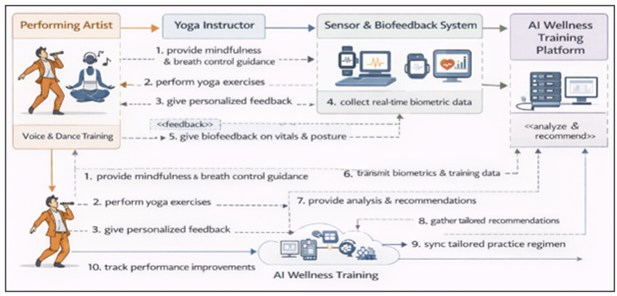
Figure 1 Yoga-Integrated Training Workflow for Performing
Artists with Biofeedback
Yogic poses help in building muscular strength and flexibility which enable the dancers to perform complex movements gracefully and steadily. On the same note, yoga-based breath-control methods improve the ability of the performer to make vocal or physical displays without exhausting themselves. Concentration is also enhanced by the art of meditation, which allows musicians to be performance-centered and at the same time minding rhythm, timing, and engagement with the audience. Yoga also has a bearing on the philosophical interpretation of expression of art. Most of the classical performance traditions consider art as an act of spiritual training and not as a technical art as presented in Figure 1. The performers take their work devotionally and mindfully to the performance space, where they identify the space as a place of cultural and spiritual expression. This view is rather consistent with the concept of yogic beliefs that put special emphasis on self-awareness, discipline, and the search of inner harmony. Using the yogic philosophy as the part of the artistic training, the performers also develop a better bond with the creative process and improve the naturalness of their plays. This relationship between yoga and performing arts is thus a wholesome form of artistic growth which brings together physical discipline, emotional expression and consciousness of spirituality. Jadhav et al. (2025)- Mirajkar et al. (2023)
5. Yoga Elements in Classical Indian Dance Forms
Classical Indian traditions of dance can be regarded as
quite sophisticated manifestations of aesthetic philosophy and physical
training. Such dances like Bharatanatyam, Kathak, Odissi, and Kuchipindi
involve a lot of body movements, rhythmic footwork and acting out of stories
that demand a high physical discipline and emotional sensitivity. A lot of
these movements are strictly synchronized with the yogic principles that teach
of balance, stability of postures and a synchronized breathing. Yoga has manifested
itself in the form of structural order of dance training, whereby the
performers achieve body awareness by practicing repetitively and obeying
disciplined forms of movement. In the case of Bharatanatyam, dancers are
exercising certain body poses, which seem like yoga poses and need a well-built
core and straightness of the backbone. Such stances help to perform complicated
footwork patterns and retain aesthetic symmetry and visual harmony. On the same
note, the Odissi dance incorporates the use of sculptural positions requiring a
degree of flexibility and constant muscular action effects which are usually
developed in the process of yogic practices. Kathak dancers use a specific
breath and mental focus in order to create rhythmic body movements to the musical
accompaniment. These physical and psychological trainings are indicators of
yogic training in developing the technical skills of the performer. Hoque et al. (2025)
Table 3
|
Table 3 Integration of Yoga Practices in Indian Performing Arts Traditions |
|||
|
Performing Art Form |
Yogic Elements Applied |
Purpose in Performance
Training |
Resulting Artistic
Benefit |
|
Bharatanatyam |
Asana and breath control |
Balance and posture stability |
Elegant movements and expressive gestures |
|
Kathak |
Concentration and rhythmic awareness |
Synchronization with musical rhythm |
Precision and dynamic performance |
|
Odissi |
Body flexibility and meditative awareness |
Sculptural poses and expressive storytelling |
Visual harmony and emotional depth |
|
Indian Classical Music |
Pranayama and meditation |
Vocal control and tonal stability |
Improved musical expression |
|
Theatre (Natya) |
Dharana and emotional discipline |
Character immersion and dialogue delivery |
Powerful dramatic performance |
Yoga also adds emotional color in the dance work. The way of expressing the themes in the narrative through facial expression and gestures means that the performers have to be more aware of their emotions when they are keeping the physical movements constant. Yogic meditation activities can be used to make dancers develop inner calmness and focus so that they can use emotions clearly and authentically as presented information in Table 3. Classical dance forms through this combination of physical training and emotional delicacy constitute a combination of beauty of form and wisdom. The incorporation of these yogic aspects in dance training thus improves the technical skills and ability to express the performers, which has continued to make the Indian performing arts rich. Rawandale et al. (2023)
6. Yoga Philosophy in Indian Music and Theatre
There is also a close relation to the yogic philosophy in the Indian classics of music and theatrical performance. Indian musical performance tends to center on the meditative aspect of the sound, in which melodic improvisation and cycles or rhythmic patterns produce an effect of meditative involvement. Musicians often define their practice as spiritual practice, which involves focus, breathing control, and emotional sensitivity. These attributes are manifestations of the main concepts of yoga, namely developing mindfulness and self-awareness. Vocal music cultures depend on the restricted breathing and a strict control of the sound. Breathing through yoga improves the capacity of the lungs and also helps the voice to be sustained over extended periods of time in music, thereby enabling the singers to stay on a specific note over a long period of time. The same applies to instrumental musicians who have the advantage of enhanced yogic practices that enhance better posture, less tension and increased mental concentration. By regulated training, artists learn to engage in the music at its fullest extent and produce a performance that would appeal to the audience on an emotional level. Even theatrical customs like classical Sanskrit drama contain some yogic philosophy. The actors have to represent various emotional conditions but still be capable of voice, gesture, and movement control. The methods of concentration in yoga also allow the performers to switch between emotional expressions and remain clear about their performance. The stage is considered a holy place in most theatrical cultures, where the expression of arts not only has aesthetic but also cultural value. This school of thought is compatible with the teachings of yoga which focuses on concepts of awareness and self-transformation as a result of disciplined practice. Through the incorporation of the concepts of yoga in training of musicians and actors, artists develop a greater sense of artistic expression and help in the generation of the rich aesthetic experiences by the viewers. Venkata et al. (2025)
7. Contemporary Relevance of Yoga in Performing Arts
The contemporary performing arts world still appreciates the importance of yoga as a training method among the artists. Modern dancers, musicians and theatre players are more likely to use yoga in their daily routines in order to enhance their flexibility, balance and mental concentration. Yoga-based training programs are becoming quite common in performing art institutions as they increase physical endurance at the same time decrease the risk of getting injured. With these advantages, yoga is especially useful among the performers who are needed to maintain rigorous schedules of their rehearsals and stay at high standards of artistic performance. In addition to physical training, yoga can help in psychological and creative life. Artistic careers will entail high-level emotional interaction and performance stress as represented in Figure 2. Meditation and breath control are one of the yogic interventions that help performers cope with stress, stay focused, and develop emotional stability. Consequently, artists can utilize their creative potential more and come up with more performances that are entertaining and authentic to the audience.
Figure 2
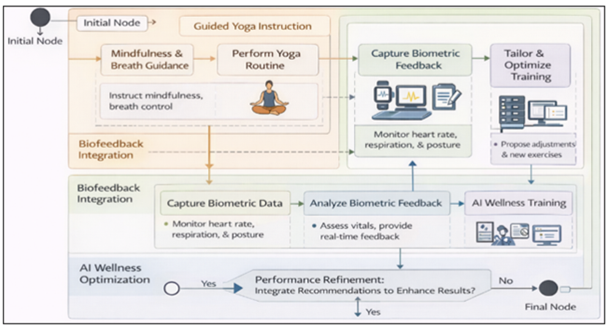
Figure 2 Interaction Overview of Yoga-Based Performing Arts
Training
Yoga has also helped in the upsurge in the interest of Indian performing arts traditions due to the growing popularity of yoga across the world. Giving yoga a combination with dance and music training, cultural institutions and educational programs often focus on the holistic approach of artistic progression. This cross-disciplinary method represents a wider appreciation of the fact that artistic quality is a product of a harmonious fusing of bodily control, sensitivity and mental realization. The flexibility in traditional philosophical principles in discussing the modern challenges of performing art is thus established by the fact that yoga remains relevant in the current performing art. With this amalgamation, yoga philosophy has still contributed to the aesthetic and the cultural value of the Indian performing arts. Banerjee et al. (2018)
8. Case Study: Influence of Yoga-Based Training on Aesthetic Performance in Classical Dance
The application of yoga philosophy in performing arts training has been well-known to enhance the technical and expressive ability of the performers. A case study was carried out to demonstrate the practical application of this relationship by using the classical Indian dancers who are exposed to training of yoga integrated with training. The case study aimed at conducting an assessment of the role of yogic practices in physical control, emotional expression and aesthetic quality perception by the audience during performance. The dancers of a performing academy of Bharatanatyam were ten who underwent a twelve weeks of training that included well-structured yoga drills consisting of asanas, pranayama, and brief meditation before dance practices.
Table 4
|
Table 4 Performer Performance Metrics Before and After Yoga Training |
|||
|
Performance
Parameter |
Before
Training (Avg Score /10) |
After
Training (Avg Score /10) |
Improvement
(%) |
|
Posture
Stability |
6.5 |
8.4 |
29% |
|
Breath
Control |
6.8 |
8.7 |
28% |
|
Rhythm
Synchronization |
7.1 |
8.6 |
21% |
|
Emotional
Expression |
6.3 |
8.5 |
35% |
|
Performance
Endurance |
6.9 |
8.8 |
27% |
The parameters which dancers were measured on before the introduction of yoga-based training included stability of posture, ability to control breath, expressing emotions, and endurance of the performance. The scoring was conducted expertly by three instructors of performing arts with a score of 1 to 10 on given data in Table 4. The parameters were re-evaluated after the end of the twelve weeks training in the form of a live performance evaluation.
Figure 3

Figure 3 Parameter-Wise Performance Comparison Before & After Yoga Training
The radar chart is a multidimensional comparison of the performance metrics of the performers prior to and after the training based on yoga. Every axis is a major performance measure such as stability in posture, breath control, rhythm control, expression in the emotion, and endurance in performing. The outer polygon that depicts the performance in the post-training phase is obviously larger by all parameters, which demonstrates that there is always an increase in the performance following the incorporation of the yoga practices. Eternal responses and respiratory control show quite interesting improvement, which implies that yoga methods like pranayama and meditation can help to make the expression more coherent and the body more stable when performing as in Figure 3. The depiction of the image brings out the overall impact of yoga on the development of art, which supports the role of yogic discipline and the quality of performances. It was observed that there were quantifiable improvements in most parameters and especially the alignment of posture, synchronization of rhythms and clarity of expression. These gains were credited to body awareness and concentration that had been obtained by a regular practice of yoga.
Table 5
|
Table 5 Yoga Training Activities and Practice Duration |
|||
|
Yoga
Activity |
Weekly
Sessions |
Average
Duration per Session (minutes) |
Total
Practice Time (12 weeks) |
|
Asana
Practice |
3 |
30 |
1080
minutes |
|
Pranayama |
3 |
15 |
540
minutes |
|
Meditation
(Dhyana) |
3 |
10 |
360
minutes |
|
Flexibility
Exercises |
3 |
20 |
720
minutes |
Perception of the audience was also determined by the use of feedback questionnaires which were administered to thirty viewers who attended the last performance. The answers indicated that the post performances of yoga-integrated training showed a greater degree of emotional clarity and aesthetics as provided in Table 5. The audience members claimed more involvement in the narrative aspects of the dance and felt more emotionally immersed. These results allow concluding that yoga-based training does not only help in technical mastery but also in the development of more aesthetic experiences in performing arts.
Figure 4

Figure 4 Bubble Analysis of Baseline Performance Versus
Improvement After Yoga Training
The horizontal axis is used to show the baseline levels of the performance scores and the vertical axis shows the rate of improvement after training. Bubble size is related to the size of the baseline performance levels which enable the visualization of three levels of analysis simultaneously. The plot indicates that the parameters whose values of the baseline are relatively low especially the expression of emotions exhibit more improvement with yoga training as indicated in Figure 4. This trend indicates that yogic activities like pranayama and meditation can have a great contribution to the expressive and cognitive performance dimensions in performing arts. It is also revealed in the visualization that middle-range parameters have a stable increase which supports the comprehensive influence of the yoga practice on the development of the artistic performances.
Table 6
|
Table 6 Audience Evaluation of Aesthetic Experience |
||
|
Evaluation
Parameter |
Before
Yoga Integration (Score /10) |
After
Yoga Integration (Score /10) |
|
Visual
Grace and Posture |
7 |
8.8 |
|
Emotional
Clarity |
6.8 |
8.6 |
|
Narrative
Expression |
7.2 |
8.7 |
|
Audience
Engagement |
7.1 |
8.9 |
|
Overall
Aesthetic Experience |
7 |
8.8 |
The case study shows that the incorporation of the principles of yoga in the training of performing artists can improve the ability of the performers and their acceptance by the audience. These results support the theoretical relationship between philosophy of yoga and aesthetic experience as reported data in Table 6, and the significance of interdisciplinary training methodology in modern performing arts education.
Figure 5

Figure 5 Heatmap of Performer Performance Metrics Before and After Yoga Training
The visualization in the form of a heatmap indicates the relative differences in the performance scores of the parameters considered at the beginning and end of the yoga-based training as presented in Figure 5. When there is a distinct change towards increased intensity levels in the post-training row, it indicates that there is uninterrupted improvement in all aspects of performance. The greatest focus of training in terms of the highest level of score is breath control, emotional expression, and performance endurance, which indicates a strong effect caused by yogic breathing and mindfulness practices.
9. Discussion and Analysis
The findings related to the case study indicate the existence of a strong connection between yoga-oriented training and the enhancement of the quality of artistic performance in the sphere of Indian performing arts. The analysis of the psychological parameters of the performance, like stability of the posture, breath control, rhythm Co-location, emotional expression, and endurance, show positive changes that could be measured following the incorporation of yogic exercises into the training program. In this regard, these findings substantiate the theoretical case that yoga can lead to development of physical and cognitive abilities to express artistic ideas effectively. Improvement of the stability of posture and breath control indicates that through yogic practice, including asanas and pranayama exercises, performers can have physical stability and respiratory effectiveness in their complicated movements and extended performance. The other notable observation is that the growth in expression of emotions was also notable and it registered the greatest growth compared to all the parameters evaluated. In Indian aesthetics, emotional clarity is the major aspect especially when it comes to the rasa system where the artists have to express the emotional states in a sophisticated and well-manageable way. The expressive ability is also improved which indicates that those practices of meditation and concentration related to yoga do increase the ability of the performer to internalize the emotions and express them naturally in front of the audience. This finding is also supported by the graphical analyses since the rankings of the improvement and the contribution plots show that expressive and endurance-related parameters are the most beneficially changed by yoga-based training. These findings are further confirmed by the results of the audience evaluation. Higher ratings of audience engagement, narrative clarity, and experience of the whole aesthetic experience means that when the performance of the performer becomes more disciplined and the emotion is brought under control, the overall result in more convincing artistic execution. In a more general view, these results indicate the comprehensive nature of yoga philosophy in the education of performing arts. Combination of physical discipline, psychological concentration and emotional sensitivity enable performers to attain greater aesthetic communication. Indian performing arts are culturally authentic and their experience is enhanced with such interdisciplinary combination of yogic philosophy and artistic practice.
10. Conclusion
This was the case that the current study examined the philosophical and practical connection of yoga philosophy and aesthetic experience in the Indian performing arts. The paper emphasized the role played by the traditional principles of yogic in improving the technical and expressive side of art performance. The results are presented in terms of conceptual analysis and a case study of yoga-based training of classical dance dancers, showing that the outcomes in posture stability, breath regulation, expression of emotions, rhythmic regulation, and performance endurance improved in measurable ways. These advances are the culminated effects of systematic effects of yoga poses including asana, pranayama and meditation on performer consciousness and physical restraint. It is also shown by the analysis that yoga-based training allows the performer to convey some aesthetic feelings better, which is similar to the classical Indian idea of rasa. Better emotional clarity and stage presence experienced in performances led to increased audience interest and general aesthetic appreciation. They include the fact that the incorporation of yoga into the training of performing arts promotes physical conditioning along with the more artistic and emotional expressiveness. The work supports the idea that Indian performing arts have an interdisciplinary character, consisting of philosophy, aesthetics, and embodied practice. Yoga philosophy as a part of modern performing arts education will help to support the well-being of the performer and the quality of performance. It is possible that future studies can build on this study by investigating a larger sample of performers, studying various performing arts fields, and determining the long-term effects of yoga-based training on artistic creativity and viewer response.
CONFLICT OF INTERESTS
None.
ACKNOWLEDGMENTS
None.
REFERENCES
Banerjee, R., Hazarika, I., and Abdualla, A. (2018, December 15). An Analysis of Cash Flow and Investments: A Case of Consumer Staples Sector in UAE. In Proceedings of the 12th International NCM Conference: Challenges in Industrial Engineering and Operation Management. https://doi.org/10.2139/ssrn.3301793
Gahankari, D. A., Waghade, K., Joshi, A., Taklikar, K., and Raut, A. (2025). Integration of Satellite Remote Sensing and Machine Learning for Pond Water Quality Prediction in Eluru. International Journal of Modern Engineering Research, 14(2), 8–15. https://doi.org/10.65521/ijmer.v14i2.1703
Hoque, M. S., Vasanthan, R., Dzüvichü, K., Saini, J., Parashar, K., and Grover, M. (2025). AI-Generated Visual Art and its Ethical Implications in Academia. Shodhkosh, 6(1S), Article 66. https://doi.org/10.29121/shodhkosh.v6.i1s.2025.66
Jadhav, K. D., Pathak, A., Bhosale, K. S., Nair, S., Pokale, N. B., Bogam, V. A., and Arguelles Jr., P. R. (2025). Smart Groundwater Management: Affordable IoT-Based Solutions for Rural Water Supply. Waterlines, 43(2), 149–167. https://doi.org/10.3362/waterlines.v43i2.530
Lorenzen, D. (2006). Who Invented Hinduism? Yoda Press.
Mallinson, J. (2004). The Gheranda Samhita: The Original Sanskrit and an English
Translation. YogaVidya.com.
Mallinson, J., and Singleton, M. (2016). Roots of Yoga. Penguin.
Marjanovic, B. (2002). Abhinavagupta’s Commentary on Bhagavad Gita (Gītārtha Saṃgraha). Indica.
McDonald, I. (2007). Bodily Practice, Performance Art, competitive Sport: A Critique of Kaḷarippayaṯṯu, the Martial Art of Kerala. Contributions to Indian Sociology, 41(2), 143–168. https://doi.org/10.1177/006996670704100201
Mirajkar, G., Garg, L., Alagirisamy, M., and Shinde, S. (2023). Image Processing in Toxicology: A Systematic Review. In A. Mirzazadeh, Z. Molamohamadi, B. Erdebilli, E. Babaee Tirkolaee, and G. W. Weber (Eds.), Science, Engineering Management, and Information Technology (SEMIT 2023) (Communications in Computer and Information Science, Vol. 2198). Springer. https://doi.org/10.1007/978-3-031-72284-4_10
Muller-Ortega, P. (1991). Foreword. In J. Singh (Trans.), The Yoga of Delight, Wonder, and
Astonishment: A Translation of Vijnana Bhairava with an Introduction and Notes
( xi–xxii). State University of New York Press.
Nair, C. S. (2014). Kalarippayattu: The Complete Guide to Kerala’s Ancient Martial Art.
Westland.
Niharranjan, R. (2002). An Introduction to the Study of Theravada Buddhism in Burma: A Study in Indo-Burmese Historical and Cultural Relations from the Earliest Times to the British Conquest. Orchid Press.
Pasty-Abdul Wahid, M. (2020). Bloodthirsty, or Not, that is the Question: An Ethnography-Based Discussion of Bhadrakāḷi’s use of Violence in Popular Worship, Ritual Performing Arts and Narratives in Central Kerala (South India). Religions, 11(4), 170. https://doi.org/10.3390/rel11040170
Rawandale, U. S., Ganorkar, S. R., and Kolte, M. T. (2023). Aquila-Based Adaptive Filtering for Hearing Aid with Optimized Performance. International Journal of Intelligent Engineering Systems, 16(3), 151–161. https://doi.org/10.22266/ijies2023.0630.12
Timalsina, S. (2012). Reconstructing the Tantric Body: Elements of the Symbolism of Body in the Monistic Kaula and Trika Tantric Traditions. International Journal of Hindu Studies, 16(1), 57–91. https://doi.org/10.1007/s11407-012-9111-5
Trousdale, A. (2013). Embodied Spirituality. International Journal of Children’s Spirituality, 18(1), 18–29. https://doi.org/10.1080/1364436X.2013.766880
Tulasi, S. (2018). The Cow in the Elevator: An Anthropology of Wonder. Duke University Press.
Ulland, D. (2012). Embodied Spirituality. Archive for the Psychology of Religion, 34(1), 83–104. https://doi.org/10.1163/157361212X645340
Vasudeva, S. (2004). The Yoga of the Mālinīvijayottaratantra. Institut Français de Pondichéry.
Venkata, S. B., Wong, C. H., Karwande, V. S., Divyaraj, G., Singh, S., and Patil, R. V. (2025). Metaheuristic-Tuned GraMNet Architecture for Enhanced Video-Based Anomaly Detection Using UCF50 Dataset. In Proceedings of the International Conference on Innovations in Intelligent Systems: Advancements in Computing, Communication, and Cybersecurity (ISAC3 2025). https://doi.org/10.1109/ISAC364032.2025.11156508
Vijayakumar, K. (2017). Kalarippayattu-Keralathinte Sakthiyum Soundaryavum. State Institute
of Language.
Wheelock, W. (1989). Mantra in Vedic and Tantric Ritual. In H. Alper (Ed.), Understanding Mantras ( 96–122). State University of New York Press.
White, D. (2000). Introduction. In D. White (Ed.), Tantra in Practice ( 3–38). Princeton University Press. https://doi.org/10.1515/9780691190457-006
White, D. (2012). Introduction. In D. White (Ed.), Yoga in Practice ( 1–23). Princeton University Press.
Wilke, A. (2012). Recoding the Natural and Animating the Imaginary: Kaula Body-Practices in the Paraśurāma-Kalpasūtra, Ritual Transfers, and the Politics of Representation. In I. Keul (Ed.), Transformations and Transfer of Tantra in Asia and Beyond ( 19–76). De Gruyter. https://doi.org/10.1515/9783110258110.19
Zarrilli, P. (1998). When the Body Becomes All Eyes: Paradigms, Discourses and Practices of Power in Kaḷarippayattu, a South Indian Martial Art. Oxford University Press.
Zarrilli, P. (2005). “Kaḷarippayattu is Eighty Percent Mental and Only the Remainder is Physical”: Power, Agency and Self in a South Asian Martial Art. In J. Mills (Ed.), Subaltern Sports: Politics and Sports in South Asia ( 19–46). Anthem Press. https://doi.org/10.7135/UPO9781843317609.002
|
|
 This work is licensed under a: Creative Commons Attribution 4.0 International License
© ShodhKosh 2026. All Rights Reserved.