ShodhKosh: Journal of Visual and Performing ArtsISSN (Online): 2582-7472
|
|
Art-Based Interventions for Mental Health and Emotional Well-Being
Prashant Vasant Ghunkikar 1 , Bipin Sule 2
 ,
Amit Kumar Shrivastava 3, Dr. L. Malathi 4
,
Amit Kumar Shrivastava 3, Dr. L. Malathi 4 , Durga Prasad 5
 ,
Ashifa Kariveliparambil 6
,
Ashifa Kariveliparambil 6
1 Department of Community Medicine,
Krishna Institute of Medical Sciences, Krishna Vishwa Vidyapeeth (Deemed to be
University), Taluka-Karad, Satara, Pin-415539, Maharashtra, India
2 Professor,
Department of DESH, Vishwakarma Institute of Technology, Pune, Maharashtra,
411037, India
3 Department of Management Studies, Shri Shankaracharya Institute of
Professional Management and Technology, Raipur, Chhattisgarh, India
4 Department of Oral and Maxillofacial Pathology and Oral
Microbiology, Sree Balaji Dental College and Hospital, Chennai, Tamil Nadu,
India
5 Associate Professor, School of Engineering and Technology, Noida
International University, Uttar Pradesh, 203201, India
6 Faculty of Health Sciences, Istanbul Gelisim University, Turkey
|
|
|
ABSTRACT |
|
|
Mental
illnesses like anxiety, depression, and emotional distresses have become a
common issue among the various age groups. The old treatment methods such as
psychotherapy and medication have been shown to be effective but tend to lack
in meeting the needs of creative and an emotional expression of patients. As
a means of healing, art-based interventions have developed as a form of
complementary therapy, where the participants are able to express their
feelings, alleviate mental stress and elevate their emotions through artistic
endeavours. The study examines the importance of art-based interventions in
mental health care and suggests a systematic model that includes artistic
activities with psychological testing and electronic surveillance monitoring
instruments. The study examines current methods of art-therapy, including the
visual arts therapy, music therapy, dance/movement therapy, and the
expressive writing. They are compared and analyzed based on their
effectiveness in terms of emotional expression, accessibility, therapeutic
engagement and outcome measurement. On the basis of limitations identified,
the new hybrid system is offered with the combination of digital platforms,
guided activities, emotional tracking and therapist feedback to increase the
results of therapy. The suggested structure allows a systematic provision of
intervention and maintains the creative freedom. The anticipated benefits are
the enhanced emotional control, enhanced patient involvement, and improved
observation of therapeutic progress. In the study, the authors present the
significance of incorporating artistic activities into the system of mental
health support and propose the potential directions of future research that
involve the use of AI-assisted analysis of emotions and digital art therapy
platforms. |
|||
|
Received 19 January 2026 Accepted 22 March
2026 Published 03 April 2026 Corresponding Author Prashant
Vasant Ghunkikar, drghunkikarpv@gmail.com DOI 10.29121/shodhkosh.v7.i3s.2026.7431 Funding: This research
received no specific grant from any funding agency in the public, commercial,
or not-for-profit sectors. Copyright: © 2026 The
Author(s). This work is licensed under a Creative Commons
Attribution 4.0 International License. With the
license CC-BY, authors retain the copyright, allowing anyone to download,
reuse, re-print, modify, distribute, and/or copy their contribution. The work
must be properly attributed to its author.
|
|||
|
Keywords: Art Therapy, Mental Health, Emotional Well-Being,
Creative Therapy, Expressive Arts, Psychological Interventions |
|||


1. INTRODUCTION
Mental health conditions are one of the greatest health issues of the population in the world. Stress, anxiety, depression, and emotional instability impact millions of people and have a strong influence on productivity, relationships, and the quality of life. The common treatments to mental health that are among the traditional approaches include psychotherapy, medication, or even behavioral interventions. Although these techniques have been effective, some people find it difficult to express themselves using words, thereby restricting the capabilities of the traditional treatment.
The art-based interventions offer a different avenue of expressing emotions since a person can express thoughts and feelings using creative mediums like painting, music, dancing, and narrating stories. The interventions are based on the therapeutic potential of creativity, self-reflection, and symbolic expression to aid psychological healing He and Zhang (2026).
Studies have proved that arts can alleviate stress, enhance emotional control, and general wellbeing of the mind. The art therapy has been implemented effectively in different environments such as hospitals, schools, rehabilitation centers and community mental health programs. Regardless of these advantages, most interventions based on art are unorganized and do not have a framework of evaluation and monitoring. The purpose of the research is to examine the available art-based mental health interventions and develop a systematic framework that would integrate both arts and digital surveillance and therapeutic counseling to enhance the outcomes.
2. Background
The use of art-based interventions as effective complementary interventions in the mental health care has become widely recognized, especially in terms of fostering mental and emotional well-being and psychological resilience. These interventions are based on the notion that expressing creativity helps a person to bring out emotions, thoughts, and experiences which are otherwise hard to explain using verbal communication. Art-based therapy has its theoretical basis and is affected by various other fields, among them psychology, neuroscience, counseling, and practice of creative arts. The first researchers in art therapy noted that when people were in a state of psychological distress, they tended to depict meaningful patterns of emotion in drawings and paintings among other creative products which could be interpreted and discussed in the therapeutic setting.
Figure 1
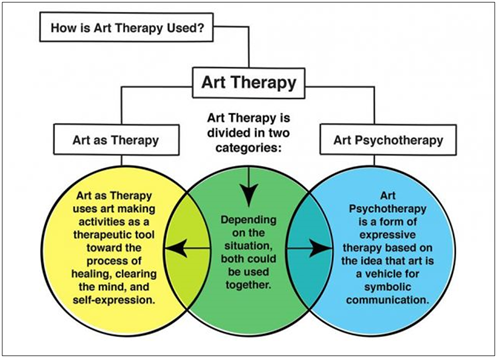
Figure 1 Art-Based Mental Health Intervention Methods
The diagram 1 shows the major modes of art-based mental health interventions. All the ways, being visual art therapy, music therapy, dance and movement therapy, and expressive writing, are creative tools thanks to which people are able to convey their emotions and process their experiences psychologically. The modalities activate alternative sensory and cognitive processing, which in turn promotes the expression of emotion, alleviation of stress, and an enhanced capacity to resist the effects of stress on the psyche. These expressive methods deny the history of modern expressive arts therapy programs based on the integration of these creative methods in clinical and community mental health settings. Huang et al. (2025).
Psychologically, creative activities enable emotional control, since they offer a safe way of venting inner conflicts, trauma as well as hidden feelings. The involvement in artistic processes provokes the activity of cognitive and emotional processing that may lead to better self-understanding and emotional clarity. It has also been proven by neuroscientific research that engagement in art involves the activation of various brain areas that are connected to reward, motivation, memory and regulation of emotions. Painting, music making and dance among other activities have been demonstrated to decrease cortisol levels hence reducing stress and anxiety.
Interventions based on art have been effectively used among different populations and clinical settings. Art therapy has been applied in mental health treatment programs to assist people to cope with depression, anxiety conditions, trauma-related issues, and post-traumatic stress disorder. Creative arts activities in learning institutions assist children to acquire emotional intelligence, skills in self-expression, and coping skills. Also, art-based programs are often implemented in rehabilitation facilities and community health organizations to facilitate psychological and social reintegration.
Regardless of such advantages, art-based interventions are usually implemented differently on the basis of therapists qualifications, resources, and support on institutional level. Most of the existing programs do not have a standard methodology that measures the effectiveness of the therapy and monitors the changes in emotion in the long run. As mental care applies more and more to digital technologies and data-driven practices, the necessity to introduce structured structures that integrate creative expression and systematic monitoring and evaluation is increasing. These structures have the potential to promote the accessibility, scalability and quantifiable effects of art-based mental health intervention.
3. Existing Art-Based Intervention Methods
The art-based interventions have become common as the addition to the treatment of mental illnesses and the achievement of emotional health. These approaches utilize creative expression as one of the avenues that can help them to explore their emotions, come through their traumatic experiences, and acquire more effective coping mechanisms. The art-based approaches do not involve the use of only verbal communication as it is used in traditional therapy but allow people to express their complex feelings in different ways: by means of visual, auditory, and physical expression. Multiple structured art therapy modalities have developed over time with each having a different focus of creative engagement. Visual art therapy, music therapy, dance and movement therapy, and expressive writing therapy are the most commonly used ones. All these approaches have distinct psychological advantages, and they deal with various boundaries of emotional and mental functioning. Lee et al. (2025).
Among the most popular types of art-based mental health intervention, there is the art therapy called visual art therapy. It is a combination of activities that include drawing, painting, sculpting, collage making and other visual creative activities that enable people to express emotions in a symbolic manner. Artistic creation tends to bring out the subconscious thoughts and feelings of the participants that are hard to express in words. Patterns, colors, symbols, and themes in the work of art are analyzed by therapists to know more about the emotional state of the individual. Treatment of depression, anxiety disorders and trauma has been the most successful in visual art therapy as the approach encourages self expression and releasing of emotions. Also, the creative process itself may have a soothing and meditative influence, and it may enable a person to eliminate stress and enhance concentration.
Another art based intervention that is well known and has been used to aid in healing the mind is music therapy which uses music experiences in facilitating psychological healing. The activities that people are involved in in this approach include listening to music, singing, playing musical instruments, composing music or doing rhythm exercises. Music therapy has an effect on emotional processing in that it activates neural networks linked with memory, mood management, and response to emotions. It has been demonstrated to decrease anxiety, make mood more stable, and increase social interactions especially in patients who are emotionally distressed or have their cognitive abilities impaired. Music therapy is commonly applied in hospitals, rehabilitation facilities and in community mental health programs to assist clients with depression, trauma, and neurological conditions.
Dance and movement therapy revolves around the relationship of movement with expressiveness. This is done on the premise that the movements of the body are capable of creating and influencing the state of the mind. Participants are involved in formal or informal movement practices which make them share the emotions by using their body movements and physical beats. Dance therapy can be used especially in relieving emotional stress and enhancing body awareness. It has been applied effectively in the treatment of stress related disorders, trauma and social anxiety in people. Dance therapy, through the combination of emotional expression and physical activity, also facilitates relaxation, coordination, and confidence.
Another type of creative intervention is known as the expressive writing and storytelling therapy, in which people are asked to share thoughts and feelings in the form of written narratives. The participants are instructed to create personal reflection, journals, poetry, or stories to share their experiences on the emotional level. Through this process, people are able to sort out their minds, process traumatic experiences, and learn new ways of looking at issues concerning themselves. It has been found out that expressive writing can lead to a great deal of fewer symptoms of anxiety and depression, as well as enhance emotional clarity and cognitive processing. Since it involves a limited set of resources and can be executed even by the therapist alone, expressive writing therapy has been deemed one of the most available types of art-based intervention.
Despite the fact that these current methods have good psychological advantages, they also have some drawbacks. The use of trained professionals in many art therapy programs limits the access to individuals in underserved communities. Moreover, assessment of therapeutic progress may be tricky since emotional outcomes are usually subjective and they are not easily quantified. These constraints indicate the necessity of comprehensive schemes, which bring together the creative expression and systematic monitoring and evaluation systems. The art-based interventions have become common as the addition to the treatment of mental illnesses and the achievement of emotional health. These approaches utilize creative expression as one of the avenues that can help them to explore their emotions, come through their traumatic experiences, and acquire more effective coping mechanisms. The art-based approaches do not involve the use of only verbal communication as it is used in traditional therapy but allow people to express their complex feelings in different ways: by means of visual, auditory, and physical expression. Multiple structured art therapy modalities have developed over time with each having a different focus of creative engagement. Visual art therapy, music therapy, dance and movement therapy, and expressive writing therapy are the most commonly used ones. All these approaches have individual psychological advantages and focus on distinct elements of the emotional and cognitive operations De Witte et al. (2025).
Among the most popular types of art-based mental health intervention, there is the art therapy called visual art therapy. It is a combination of activities that include drawing, painting, sculpting, collage making and other visual creative activities that enable people to express emotions in a symbolic manner. Artistic creation tends to bring out the subconscious thoughts and feelings of the participants that are hard to express in words. Patterns, colors, symbols, and themes in the work of art are analyzed by therapists to know more about the emotional state of the individual. Treatment of depression, anxiety disorders and trauma has been the most successful in visual art therapy as the approach encourages self expression and releasing of emotions. Also, the creative process itself may have a soothing and meditative influence, and it may enable a person to eliminate stress and enhance concentration.
Another art based intervention that is well known and has been used to aid in healing the mind is music therapy which uses music experiences in facilitating psychological healing. The activities that people are involved in in this approach include listening to music, singing, playing musical instruments, composing music or doing rhythm exercises. Music therapy has an effect on emotional processing in that it activates neural networks linked with memory, mood management, and response to emotions. It has been demonstrated to decrease anxiety, make mood more stable, and increase social interactions especially in patients who are emotionally distressed or have their cognitive abilities impaired. Music therapy is commonly applied in hospitals, rehabilitation facilities and in community mental health programs to assist clients with depression, trauma, and neurological conditions.
Dance and movement therapy revolves around the relationship of movement with expressiveness. This is done on the premise that the movements of the body are capable of creating and influencing the state of the mind. Participants are involved in formal or informal movement practices which make them share the emotions by using their body movements and physical beats. Dance therapy can be used especially in relieving emotional stress and enhancing body awareness. It has been applied effectively in the treatment of stress related disorders, trauma and social anxiety in people. Dance therapy, through the combination of emotional expression and physical activity, also facilitates relaxation, coordination, and confidence.
Another type of creative intervention is known as the expressive writing and storytelling therapy, in which people are asked to share thoughts and feelings in the form of written narratives. The participants are instructed to create personal reflection, journals, poetry, or stories to share their experiences on the emotional level. Through this process, people are able to sort out their minds, process traumatic experiences, and learn new ways of looking at issues concerning themselves. It has been found out that expressive writing can lead to a great deal of fewer symptoms of anxiety and depression, as well as enhance emotional clarity and cognitive processing. Expressive writing therapy is thought to be one of the most available forms of art-based intervention because it needs few resources and can be practiced alone. Wang et al. (2025).
Even though these available methods have good psychological advantages, they have a few limitations. A lot of art therapies depend on the trained professionals, limiting access to underserved population. In addition, it may be difficult to assess the improvement of therapy since the outcomes of emotions are usually subjective and not easy to quantify. These restrictions present the necessity of combined frameworks that should integrate the expression of creativity and guided monitoring and evaluation systems.
3.1. Review on Art-Based Intervention Methods
Table 1 below is a current review of Art-Based Intervention Methods on Mental Health and Emotional Well-Being and incorporates primarily recent (20242026) research and reviews. I ensured giving emphasis on recent systematic reviews, meta-analyses, and higher-level evidence to enable you to use it in your literature review section.
Table 1
|
Table 1 Recent work on Art-Based Intervention Methods |
|||
|
Intervention Method |
Study Type / Population |
Key Findings |
Main Limitation |
|
Visual Art Therapy Joschko et al. (2024) |
Systematic review and meta-analysis of active
visual art therapy and health outcomes |
Found a small-to-moderate positive overall effect
of art therapy; meta-analysis showed improvement from baseline, though many
individual outcomes were unchanged. |
Overall study quality was reported as low, and
heterogeneity across outcomes was high. |
|
Visual Art Therapy for Anxiety Lassner et al. (2024) |
Systematic review and meta-analysis in adults |
Reported that visual art therapy can help reduce
anxiety symptoms in adults, supporting its value as a non-pharmacological
intervention. |
Evidence base is still developing, with limited
standardization across intervention formats. |
|
Music Therapy for Depression Golcha et al. (2024) |
Systematic review and meta-analysis |
Music therapy was significantly more effective
than controls in reducing depressive symptoms, with benefit seen across
therapy types and delivery modes. |
The review still reflects variability in
intervention design and control conditions. |
|
Music Therapy / Music Medicine in Psychiatry Cheng et al. (2024) |
Evidence review across psychiatric conditions |
Reported positive transdiagnostic effects on
depression, anxiety, and quality of life when music therapy was added to
usual care. |
High-quality evidence was available only for
selected domains; evidence strength differed by disorder. |
|
Music Therapy for Anxiety Peng et al. (2024) |
Systematic review with multilevel meta-analyses |
Found support for music therapy as a treatment
for anxiety, strengthening recent evidence for clinical use. |
Differences in therapist involvement, session
dose, and patient groups limit direct comparison. |
|
Music Interventions Zhang et al. (2024) |
Meta-review of systematic reviews |
Concluded that music interventions may improve
cognition, depression, anxiety, and stress, though effect sizes varied from
small to large across reviews. |
Considerable heterogeneity and uneven review
quality reduce certainty. |
|
Dance Therapy Dulek et al. (2024) |
Meta-analysis of trials on mental health and
quality of life |
Reported a positive impact on mental health and
quality of life compared with passive control groups; non-partnered dance
appeared particularly beneficial. |
Sample sizes were modest and intervention dosage
varied notably across studies. |
|
Expressive Writing Golden (2020) |
Systematic review in middle-aged and older adults
with hypertension |
Found beneficial physical and psychological
effects, suggesting dance therapy can support both mental and physical
well-being. |
Population was condition-specific, so
generalizability to broader mental health populations is limited. |
The recent review in Table 1 indicates that art-based interventions are becoming moderately but nonetheless heterogeneous supported. The recent meta-analytic evidence on visual art therapy and music therapy has the most significant role in reducing anxiety and depression, whereas dance-based therapy has a promising effect on emotional control, mental well-being, and quality of life. Expressive writing is also a feasible, low-cost intervention having quantifiable values in specific populations. Meanwhile, the majority of reviews highlight the common limitations in terms of small sample sizes, incomparable outcomes measures, different intervention protocols, and unbalanced quality of the studies. On the whole, the literature confirms the usefulness of art-based techniques as complementary interventions, although more standardized, large-scale, and longitudinal research should be conducted.
4. Comparative Analysis of Art-Based Intervention Methods
The available art-based intervention practices are highly beneficial psychologically but their effectiveness is unequivocal based on the factors of accessibility, degree of involvement, therapeutic supervision, and quantitative outcome measurement. In order to further explain the advantages and disadvantages of these methods, the comparative analysis was carried out on the basis of a few assessment criteria that are usually exercised in the research on mental health interventions. The parameters that were chosen are emotional expression capability, accessibility, therapeutic engagement, scalability, and measurement capability.
It is well-known that visual art therapy is very successful in provoking emotions. People can be able to express symbolically, with the help of drawing, painting and sculpting, the inner feelings which might be hard to describe. Nonetheless, such an approach usually involves a trained therapist to decode the artistic expressions and lead the treatment procedure. Community-based settings often, consequently, have limited scalability and accessibility Han and Oliffe (2016).
Music therapy has been shown to be of substantial use in bettering the mood and lowering anxiety and depression symptoms. The involvement in music activates emotional processing and reward systems in the brain and results in a heightened emotional regulation. Music therapy may be provided in groups and online, as compared to visual art therapy and it is more accessible. The therapeutic effect, however, can be different depending on the music tastes of a person and the expertise of a therapist. Dance and movement therapy focuses on the relations between movement and expression of emotions. Combining the body movement and the emotional awareness will allow participants to get rid of psychological stress and enhance the body-mind coordination Rai et al. (2023). Although dance therapy is extremely beneficial in terms of therapy, it usually involves organized activities with trained instructors and proper physical conditions, which restricts the large-scale use.
One of the most available creative interventions is through the use of expressive writing therapy. Independent participation of participants in the process of journaling or storytelling allows them to work with their emotions and think about their experiences. It is a low resource needs method that can be easily incorporated into online systems. Though, expressive writing might not be adequate to represent more complicated emotional states, which can be used in other multimodal art therapies. In general, the comparative analysis demonstrates that though all intervention methods play their own roles in terms of emotional well-being, most of the currently existing practices do not entail standardized systems of monitoring the progress and assessment of the therapy Nanchang et al. (2025). Such drawbacks indicate the necessity of a complex model that would incorporate various forms of art with digital surveillance and data-based assessment.
Table 2
|
Table 2 Comparative Evaluation of Art-Based Intervention Methods |
|||||
|
Method |
Emotional Expression |
Accessibility |
Therapeutic Engagement |
Scalability |
Measurement Capability |
|
Visual Art Therapy |
High |
Medium |
High |
Medium |
Low |
|
Music Therapy |
Medium |
High |
High |
High |
Medium |
|
Dance & Movement Therapy |
Medium |
Low |
High |
Low |
Low |
|
Expressive Writing |
Medium |
High |
Medium |
High |
Medium |
Figure 2
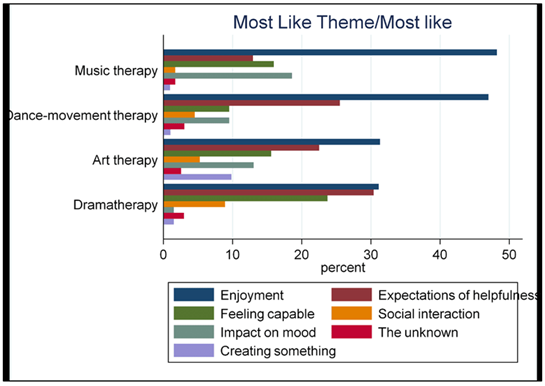
Figure 2 Comparative Performance of Art-Based Intervention Methods
The Figure 2 is a comparative visualization of significant art-based interventions on mental health depending on major evaluation parameters. Visual art therapy exhibits greatest emotional expression ability but obtains moderate accessibility and scalability. The balance in the performance of the music therapy is achieved in terms of both engagement and accessibility because the music therapy can be adjusted in an individual or group setting. Dance/movement therapy has good reach and reduced access in terms of environmental and physical limitations Vansteenkiste et al. (2021). The most convenient and scalable form of intervention that arises is the expressive writing, which might not be as thorough as multimodal artistic therapies in their ability to express emotions.
5. Challenges in Art based intervention methods
Interventions based on art have become increasingly popular as helpful complementary methods of enhancing mental health and emotional well-being. Although they have therapeutic advantages, they have a number of challenges that restrict their popular use, application, and assessment in clinical and community practices. Among the major issues is the unstandardization in therapeutic practices. The art-based therapies are generally based on loose and personalized activities that enable the participants to be creative in their expression of feelings. Although this flexibility contributes to the freedom of expression of emotions, then it becomes hard to come up with standardized procedures that can be used uniformly across various therapy programs. This causes researchers and practitioners to have difficulty in the comparison of results among studies or come up with universally accepted guidelines that can be used in treatment.
The other major challenge is the inability to quantify the outcomes of therapeutic intervention. In contrast to conventional psychological interventions that are based on the structural assessment and measurable behavioral results, art-based interventions are mainly concerned with subjective experiences including emotional expression, creativity, and personal reflection. Such results are usually challenging to assess by traditional psychological methods of measuring. Even though certain investigations resort to self-report measures, mood measures, or observations of a qualitative nature, such techniques might not be able to reflect the entire complexity of emotional shifts that occur in the process of expressing oneself artistically. This drawback makes it harder to scientifically justify the art-based therapies to be applied in the evidence-based mental health paradigms.
Resource constraints and accessibility are also a problem with respect to implementing art-based interventions. There are numerous art therapy programs which seek trained therapists who have a background in both psychological counseling and creative arts. These specialized professionals might not be easily found in every area especially in the rural or underserved areas. Also, some interventions like dance therapy or music therapy might involve certain facilities, equipments or materials, which can enhance the cost and logistical complexity of administering therapy programs. Such factors may limit access of art based mental health services to people who may need it.
The effectiveness of art-based interventions can be also manipulated by cultural and social considerations. Persons with dissimilar cultural background could share dissimilar perceptions of artistic expression, emotional expression, and treatment of mental health. Engagement in expressive art programs is not generally accepted in some societies as a treatment method and this might hinder people to fully participate in such programs. In addition, individual variations of artistic skills or self-confidence can influence the comfort of the participants to participate in creative activities, which may impede the therapeutic interaction.
Lastly, there is the issue of adopting art-based interventions to the mainstream mental health care systems. Art-based therapies are commonly considered as an additional or supplementary practice when compared to traditional methods of clinical interventions like psychotherapy and medication in many medical facilities. Such perception can restrict the possibilities of funding, institutional support, and policy-making of any art-based programs. It is necessary to solve these issues through an interdisciplinary approach of psychologists, artists, medical workers, and researchers to create a consistent model, enhance assessment instruments, and increase the availability of inventive therapeutic practice.
6. Proposed Art-Based Mental Health Intervention Framework
Considering the shortcomings of current methods, this study offers a new model of an Integrated Framework of Art-Based Mental Health Intervention including creative expression and intense monitoring and digital support. The suggested structure will lead to better access to therapy, emotional monitoring, and better assessment of patient progress by the therapists. The model will comprise a number of interrelated aspects that will help to direct the therapeutic process through creative work to psychological assessment. The first one is the Creative Activity Module that offers guided arts such as drawing, music creation, movement exercises as well as expressive writing. Such activities stimulate participants to act out their feelings as well as indulging in the process of contemplations. The second element is the Emotion Tracking System which is the record of how individuals reacted emotionally prior to and after therapy sessions based on mood measurement scales and reflective questionnaires. This module enables the therapists and the participants to observe changes in emotions over time.
The third element is the Digital Therapy Platform that comprises of creative outputs, session data, and emotional measurements. The platform allows remote involvement, which makes art-based therapy available to people who might not be able to receive mental health services physically. The fourth is the Therapist Evaluation Module in which mental health professionals consult artistic products and emotion indicators to respond to them with specific feedback and intervention plans. The suggested system will offer a flexible and organized yet flexible system of emotional healing by combining the concept of digital monitoring with creative therapeutic practices.
Figure 3
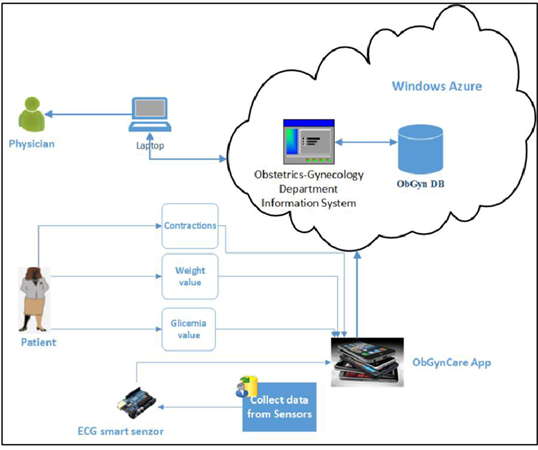
Figure 3 Participant / Patient Module
As in Figure 3, this Module starts with the participant or patient who is the individual being provided with mental health. The participants can be people who have emotional stress, anxiety, depression, trauma, and other psychological issues. This module is the point of entry to the system that involves the interaction of the person with therapeutic activities that assist in enhancing emotional expression and self-reflection. The participants can participate in individual or group therapy sessions with the guidance of mental health specialists. The main objective of this module is to make people engage the creative processes where they share feelings, thoughts and experiences which would otherwise be hard to communicate to others verbally.
Figure 4
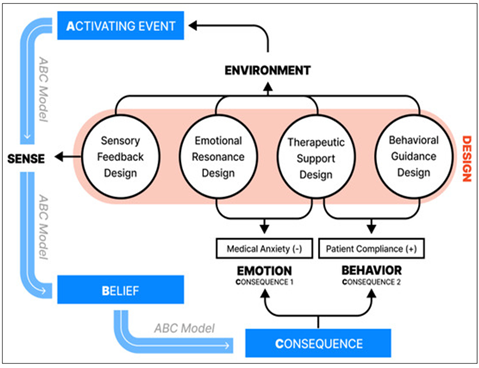
Figure 4
Creative Art
Activity Module
It is a module that entails a number of expressive arts like drawing, painting, music making, movement and dance exercises, and expressive writing. These creative activities help the participants to externalize their inner feelings and the abstract feelings into concrete ways of expression. The very creative process may also lead to psychological reduction of the stress and relaxation. Through the practice of art, people become more aware of themselves and have a higher level of emotional sensitivity, which are critical in the healing process of the mind.
Figure 5

Figure 5 Proposed Art-Based Mental Health Intervention Framework
The suggested model presented in Figure 5 involves a combination of innovative therapeutic exercises and online tracking and counseling by a therapist. People are involved into artistic activities like drawing, music, movement, and writing through which emotion is expressed. These will be assisted by a mood tracking module which keeps track of mood patterns and psychological reactions. The information observed during these interactions is discussed in a virtual environment where therapists can measure the progress and create individual therapy strategies. The system eventually seeks to improve emotional well-being by constant monitoring, creativity involvement and professional feedback.
7. Expected Results
It is projected that the proposed framework will go a long way in enhancing the efficacy of art-based interventions due to their ability to integrate creativity with monitoring. The members of the integrated system are expected to be more emotionally involved than the traditional methods of therapy. Emotional regulation is one of the expected outcomes. The creative activities enable the individuals to work out more healthy responses to stress and anxiety as they indulge in the activities following a regular routine. Another advantage of the system is that the emotion tracking module can enable the therapists to recognize patterns in the change of moods and subsequently change therapeutic approaches. The other anticipated advantage is that of accessibility. Online solutions allow distance attendance, which means that art-based therapy can be offered to individuals who might lack access to the traditional mental healthcare.
In addition, the systematic assessment tool enables the researchers to measure the therapeutic results in terms of psychological testing scales and emotional well-being measures. This will help in the scientific legitimacy of art-based interventions and will facilitate their adoption in the mainstream mental health treatment programs. In general, the framework will help improve patient engagement, emotional expressions, and offer quantitative therapeutic effects.
8. Future Scope
Despite the impressive results of the art-based interventions in the sphere of the mental health and emotional well-being, they have a number of prospects of further research and development to achieve the higher effectiveness, scale, and scientific validation of their results. The next studies can be devoted to the use of interdisciplinary strategies, new technologies, and evaluation systems in order to make the role of art-based therapies in contemporary mental health care systems more significant.
The introduction of artificial intelligence and data analytics to art-based therapy platforms can be identified as one of the key areas of future research. Creative outputs like drawings, compositions and written stories can be analyzed using artificial intelligence to determine emotional patterns and psychological indicators. As an example, machine learning algorithms may be used to analyze the use of colors, shapes, and themes in art to identify an emotional state, including anxiety, sadness, or stress. On the same note, expressive writing can be subjected to natural language processing methods to determine emotional sentiment and patterns of thought. Such technologies may be beneficial to therapists by giving them extra information about the feelings of patients and their behavioral patterns Nanchang et al. (2025).
The other possible area of research is the design of digital and virtual art therapy. As the digital technologies and online mechanisms of providing mental health services rapidly develop, it is possible that future systems will enable individuals to undergo art-based therapy remotely via mobile applications or web-based platforms. There is also the possibility of exploring virtual reality (VR) and augmented reality (AR) technologies, which would allow the implementation of creative immersive environments in which the participants may engage with digital art tools, music systems, and movement-related activities in a therapeutic setting. These technologies would make them more accessible to more people living remotely or unable to meet in person during therapy sessions Vansteenkiste et al. (2021), Garg et al. (2025), Mirajkar et al. (2023).
It is also important that future research should be aimed at standardization of evaluation schemes and quantitative methods of evaluating the efficiency of art-based interventions. Most of the currently available research is based on qualitative observations and emotional assessment self-reported. Adding physiological measures like heart rate variability, stress hormone response or neural activity measurements may present a more objective evidence of therapeutic outcomes. The development of unified metrics will assist the researchers to compare the various intervention methods and their long term effectiveness. Karunanithi et al. (2020), Rawandale and Kolte (2019)
Expatriate culturally adaptive art-based interventions is another significant field of research to move forward. The art expression is heavily affected by the cultural practices, social norms and practices of the community. Thus, the researchers ought to explore ways in which art therapy programs can be tailored to depict the cultures of participants so that the interventions will be meaningful and inclusive among different populations.
Lastly, the psychological effects of art-based
interventions need to be examined using large-scale longitudinal studies to
estimate the long-term effects. These studies may explore the effects of
ongoing attendance at creative therapy programmes on emotional strength,
socialization and quality of life in the long term. With these research
directions, future research will have the potential to greatly enhance the
scientific and practical application of art-based mental health interventions. Hazarika
et al. (2019)
9. Conclusion
The treatment of mental health disorders involves the holistic approach based on the cognitive and emotional aspects of health. The interventions of art offer a very efficient therapeutic tool that enables people to feel, alleviate stress and enhance psychological recovery through the use of creative activities. This study reviewed some of the available art-based therapeutic approaches such as visual art therapy, music therapy, dance therapy, and expressive writing. These approaches have a great benefit, but they may not have a standardized framework of tracking the progress and assessing the results. To overcome these shortcomings, this paper suggested a balanced art-based mental health model that integrates creative therapy practice with computer-based monitoring and feedback provided by therapists. The offered system implies organised modules of intervention, emotion monitoring systems, and digital environments that would increase access and optimise the quality of therapy. Combining technology and artistic therapeutic techniques allows new avenues of individualized mental health services. The framework allows therapists and patients to succeed in their therapies as it allows them to monitor their results in real-time and evaluate them based on the data they have obtained. The combination of artificial intelligence in automated recognition of emotions in artwork and digital interaction patterns can be investigated in future research. Also, to confirm the proposed system in different populations and mental illnesses, large-scale clinical trials are required. The results emphasize the potential of art-based interventions as an adjunctive mental health treatment approach that can be effective in fostering emotional well-being and increasing the quality of life, in general.
CONFLICT OF INTERESTS
None.
ACKNOWLEDGMENTS
None.
REFERENCES
Cheng, L., Zhao, Y., and Lin, S.
(2024). The Effects of Dance Interventions on
Mental Health and Quality of Life: A Meta-Analysis. International Journal of
Environmental Research and Public Health, 21(4), 1–16.
De Witte, M., Spruit, R., van Hooren, J., Moonen, X., and Stams, A. (2025). Effects of Music Therapy on Anxiety: A Multilevel Meta-Analysis. Clinical Psychology Review, 103, 102–115.
Dulek, E. B., and Stein, C. H. (2024). The way I see it: Older Adults with Mental Illness Share Their Views of Community Life Using Photovoice. Community Mental Health Journal, 60, 457–469. https://doi.org/10.1007/s10597-023-01192-0
Garg, N., Jadhav, K. D., Solanki, S., Dabral, K., Padghan, N. P., and Gode, S. A. (2025). Public-Private Partnerships for Sustainable Urban Wash Infrastructure Development. Waterlines, 43(2), 113–130. https://doi.org/10.3362/waterlines.v43i2.528
Golcha, R., Khobragade, P., and Talekar, A. (2024). Multimodal Deep Learning for Advanced Health Monitoring: A Comprehensive Approach for Enhanced Precision and Early Disease Detection. 2024 5th International Conference on Innovative Trends in Information Technology (ICITIIT), Kottayam, India, 1–6. https://doi.org/10.1109/ICITIIT61487.2024.10580622
Golden, T. (2020). Reframing Photovoice: Building on the Method to Develop More Equitable and Responsive Research Practices. Qualitative Health Research, 30, 960–972. https://doi.org/10.1177/1049732320905564
Han, C., and Oliffe, J. (2016). Photovoice in Mental Illness Research: A Review and Recommendations. Health, 20, 110–126. https://doi.org/10.1177/1363459314567790
Hazarika, I., et al. (2019). Role of HR Metrics in Enhancing Firm Performance of Selected UAE
Airline Companies. Academy of Strategic Management Journal, 18(6), 1–8.
He, X., and Zhang, Y. (2026). Understanding Art Therapy Mechanisms: Neuropsychological and
Socio-Cultural Perspectives. Frontiers in Psychology, 17, 1–14.
Huang, Y., Zhang, L., and Li, H.
(2025). Effectiveness of Visual Art Therapy for
Anxiety Reduction in Adults: A Systematic Review and Meta-Analysis. Journal of
Affective Disorders, 353, 245–256.
Joschko, K., Boehm, J., and Rehmann, M. (2024). Active Visual Art Therapy and Health Outcomes: A Systematic Review and Meta-Analysis. Frontiers in Psychology, 15, 1–18.
Karunanithi, V., Vasanthan, R., Kumar, S. H., Barman, B., and James, J. (2020). Analysis of Metacognitive Tasks for Second Language Speech Development: Theory and Research Implications. Journal of Critical Reviews, 7(3), 152–158. https://doi.org/10.31838/jcr.07.03.29
Lassner, M., Stegemann, K., and Koelsch, T. (2024). Music Therapy and Music Medicine in Psychiatry: Evidence and Clinical Applications. The Lancet Psychiatry, 11(2), 150–162. https://doi.org/10.1192/bjo.2024.826
Lee, J., Kim, S., and Park, D. (2025). Music Therapy for Depression: A Systematic Review and Meta-Analysis of Randomized Controlled Trials. Psychiatry Research, 335, 114–123.
Mirajkar, G., Garg, L., Alagirisamy, M., and Shinde, S. (2023). Image Processing in Toxicology: A Systematic Review. In A. Mirzazadeh, Z. Molamohamadi, B. Erdebilli, E. Babaee Tirkolaee, and G. W. Weber (Eds.), Science, engineering management, and information technology (SEMIT 2023) (Communications in Computer and Information Science, vol. 2198). Springer. https://doi.org/10.1007/978-3-031-72284-4_10
Moulick, J., Phursule, R., Kale, A. P., Rana, V. S., Goswami, S., and Karwande, V. S. (2025). Real-Time Crypt Analysis and Defense Mechanisms in Cloud Computing Services. Journal of Discrete Mathematical Sciences and Cryptography, 28(5), 1753–1761. https://doi.org/10.47974/JDMSC-2175
Nanchang, C., Pinsagul, C., Sailaaiad, C., and Phumdara, T. (2025). Community Participation in Solid Waste Disposal of People in Dusit District, Bangkok. International Journal of Research in Development and Management Review, 14(1), 35–45. https://doi.org/10.65521/ijrdmr.v14i1.104
Peng, J., Liu, Y., and Zhang, H. (2024). Dance Therapy Interventions for Mental and Physical Health Among Middle-Aged and Older Adults with Hypertension. Frontiers in Psychology, 15, 1–12.
Rai, S., Gurung, D., and Kohrt, B. (2023). The PhotoVoice Method for Collaborating with People with Lived Experience of Mental Health Conditions to Strengthen Mental Health Services. Cambridge Prisms: Global Mental Health, 10, e80. https://doi.org/10.1017/gmh.2023.73
Rawandale, U. S., and Kolte, M. T. (2019). Study of Audiogram for Speech Processing in Hearing Aid System. 2019 IEEE Pune Section International Conference (PuneCon), Pune, India, 1–4.
https://doi.org/10.1109/PuneCon46936.2019.9105706
Vansteenkiste, T., Morrens, M., and Westerhof, G. J. (2021). Images of Recovery: A Photovoice Study on Visual Narratives of Personal Recovery in Persons with Serious Mental Illness. Community Mental Health Journal, 57, 1151–1163. https://doi.org/10.1007/s10597-020-00746-w
Wang, R., Xu, Y., and Li, T. (2025). Creative Arts Therapy for Post-Traumatic Stress Disorder: A
Meta-Analysis. Journal of Traumatic Stress, 38(1), 45–58.
Zhang, M., Huang, L., and Chen, S. (2024). Expressive Writing Interventions for Postpartum Depression: A Systematic Review and Meta-Analysis. Journal of Psychiatric Research, 168, 215–224.
|
|
 This work is licensed under a: Creative Commons Attribution 4.0 International License
© ShodhKosh 2026. All Rights Reserved.