ShodhKosh: Journal of Visual and Performing ArtsISSN (Online): 2582-7472
|
|
Impact of Industry-Oriented Skill Development Programs on Employability of Management Students in Tamil Nadu: The Mediating Role of Experiential Learning and Career Self-Efficacy
Dr. E. Anandharaja
1 , Dr. S. Kavitha 2
 , Dr. M. Radhakrishnan 3
 , Dr. Ranjithaa K. C. 4
 ,
Sudha S. 5
,
Sudha S. 5 , J. Poovaraghavan 6
1 Professor,
Saveetha School of Management, SIMATS Deemed University, Velapanchavadi,
Tamil Nadu, India
2 Assistant
Professor, School of Management, SASTRA Deemed University, Thanjavur, Tamil
Nadu, India
2 Professor,
Department of Management Studies, Dhaanish Ahmed
College of Engineering, Tamil Nadu, India
2 Assistant
Professor, Saveetha School of Management, SIMATS, Deemed University, Velapanchavadi, Tamil Nadu, India
2 Assistant
Professor, Department of Management Studies, Dhanraj Baid Jain College, Tamil Nadu,
India
2 Assistant
Professor, Department of Mathematics, Dhanraj Baid Jain College, Chennai, Tamil
Nadu, India
|
|
|
ABSTRACT |
|
|
With the changing environment in the field of higher education, the employability of management graduates has become a top priority alongside the growing demands of the industry and the skill shortage. This paper examines the effects of industry-based skill development initiatives on employability of management students in Tamil Nadu with particular emphasis on the mediation roles of both experiential learning and career self-efficacy. The research design adopted was quantitative and a structured questionnaire was used to gather data among final year undergraduate and post graduate management students. The research utilizes Structural Equation Modeling (SEM) to address the correlation of the variables as well as testing the hypotheses. Industry-oriented skill development programs are shown to impact employability indirectly and directly in a highly positive way. Experiential learning is reported to be particularly important in improving the practical aspects of students and their problem solving skills, hence making them employable. Equally, the career self-efficacy plays a crucial role in determining the confidence of students in their ability to perform the job which enhances their employment preparedness. The findings also establish that there is chain mediation effect in that career self-efficacy is boosted by experiential learning, which culminates to better employability outcomes. It is believed that this research will add to the already existing literature by incorporating the pedagogical and psychological approaches into one cohesive system and also offer an empirical evidence based on the context of management education in Tamil Nadu. The results also provide valuable suggestions to schools, governments and industry players in planning successful skill acquisition programs and curriculum reviews. On the whole, the study highlights the importance of the holistic approach to education that is based on integrated practical exposure, experiential learning, and confidence-building to increase graduate employability. |
|||
|
Received 10 January 2026 Accepted 03 March
2026 Published 03 April 2026 Corresponding Author Dr. S.
Kavitha, kavitha@mba.sastra.edu DOI 10.29121/shodhkosh.v7.i3s.2026.7392 Funding: This research
received no specific grant from any funding agency in the public, commercial,
or not-for-profit sectors. Copyright: © 2026 The
Author(s). This work is licensed under a Creative Commons
Attribution 4.0 International License. With the
license CC-BY, authors retain the copyright, allowing anyone to download,
reuse, re-print, modify, distribute, and/or copy their contribution. The work
must be properly attributed to its author.
|
|||
|
Keywords: Industry-Oriented Skill Development Programs,
Employability, Experiential Learning, Career Self-Efficacy, Management
Education, Structural Equation Modeling (SEM), Industry-Academia
Collaboration, Skill Development, Tamil Nadu |
|||



1. INTRODUCTION
In modern world economy, employability has become a significant parameter in considering the efficiency of the higher system of education, especially in the sphere of management education. The dynamism of industries that have been accelerated by the digital transformation, globalization, and technology disruption, has changed the knowledge and skills that graduates need to attain in order to succeed in the market. Conventional classroom-based learning whereby teaching is based on theoretical facts is increasingly being considered to be inadequate in equipping learners with what they know in the real world. Consequently, emphasis on industry oriented skill development programs which narrow the academic learning and industry expectations gap is on the increase. Over the last twenty years, the management education (in India and Tamil Nadu, in particular) has experienced a significant development, and many institutions have been providing an MBA and other programs Tan et al. (2025). This growth notwithstanding, there is still worry about the employability of management graduates. Industry reports and scholarly research papers indicate that a high percentage of graduates are found to be lacking in essential practical skills, problem-solving, communication, decision-making and flexibility. This mismatch between the achievement of academic excellence and the industry demands highlights the necessity of systematic interventions that can help in aligning the academic practices with the market demands.
Skills development programs focusing on industry orientation have become popular as strategic response to such challenge. Such programs often feature internships, live projects, case-based learning, simulation exercises, industry credentials, workshops and practitioner guest lectures. These programs are designed to expose students to practical elements of business operations, both in technical knowledge and other non-technical skills. Because these programs incorporate industry perspectives in the curriculum, they help in an even more holistic learning experience which transcends traditional pedagogy. Another pedagogical strategy that forms the basis of these initiatives is experiential learning, which stresses on learning through experience, reflection, and application. Founded in the works of scholars like Kolb, the theory of experiential learning assumes that knowledge can be built as the transformation of experience. Experiential learning in management education allows the student to actively approach a real life business issue and gain deeper knowledge and grasp of concepts. It also improves critical thinking and team-working and decision-making skills, which are critical to employability. Hence, experiential learning is becoming widely accepted as an important process by which industry-focused programs affect student performance Wang et al. (2026).
Career self-efficacy that can be described as the beliefs of an individual in his or her ability to effectively carry out activities in terms of career development and job performance is another critical psychological construct that determines employability. More highly career self-efficacious students tend to have ambitious career aspirations, pursue opportunities, and have resilience in the face of difficulties. By exposing them to practical exposure and offering a chance to practice their skills, industry-oriented programs can greatly contribute to building confidence in students regarding their abilities. In its turn, this has a positive impact on their employment and career advancement. Although the association between skill development programs and employability has previously been studied, there is an emerging awareness of the importance of investigating the mechanisms that contribute to how such programs exercise their impact. In particular, limited focus has been on the mediating effects of experiential learning and career self-efficacy as applied in management education in Tamil Nadu. Knowledge of these mediating effects is necessary in the development of more effective educational interventions and to fully utilize the effectiveness of the skill development programs Al Issa et al. (2025). This research paper will overcome this research gap by examining how industry-based skill development initiatives can influence increasing employability among management students in Tamil Nadu with reference to the moderating effects of experiential learning and career self-efficacy. The research aims at furnishing empirical data on the role of such programs in the provision of employability and at determining the channels through which the effects of such programs are achieved. The specific objectives of the research include: (i) to test the relationship between enrolment in industry-oriented skill development programs and student employability; (ii) to test the role of experiential learning on student employability; (iii) to test the effect of career self-efficacy on student employability; and (iv) to test the mediating variables between career self-efficacy and skills development program and student employability Musa et al. (2025).
The emphasis on the Tamil Nadu as a region with a good educational infrastructure and a good industrial base will offer a good piece of regional information that can be used by the academic institutions as well as by policymakers. The results are likely to add to the body of existing knowledge by including pedagogical and psychological approaches to the study of employability. Moreover, the research has practical implications on the curriculum design, teaching techniques and integration of industry and academia as a way of enhancing the creation of a more skilled and employable workforce. In conclusion, this study highlights the significance of matching the management education to the industry requirements by systematic program of developing skills. It emphasizes the contributions of experiential learning and career self-efficacy to offer a very rich framework upon which educational interventions might be applied to improve employability in an increasingly dynamic economic environment Sahabuddin et al. (2024).
2. Recent Literature Review
Through the idea of employability, much emphasis has been put on research in higher education, more so in the field of management education where graduates are supposed to show a level of not only knowledge in a particular domain, but also their ability to fit in the workplace. Employability is widely understood as a complex of accomplishments, skills, knowledge, personal qualities and competence that can help graduates get and maintain significant jobs. Over the last few years, researchers have pointed out that employability goes beyond academic performance to involve job transferable skills like communication, teamwork, adaptability, critical thinking and problem solving. This is changing according to the anticipations of the employers in a changing competitive labor market. The first significant limitation that has been reported in the literature is the existing disjunction between the skills taught in educational institutions and those required in industry. Some studies have emphasized that management graduates are mostly lacking viability and employment skills and thus employability is low even though they have formal qualifications Adib (2024). This is especially acute in emerging markets, such as India, where the growth in higher education has not, in all cases, been matched by a growth in quality and industry relevance. In Tamil Nadu, the lack of skills and employability-related outcomes have been reported despite the established management institutions in the state.
Industry-based skill development programs have become an important measure in tackling such issues. These programs are tailored to meet the industry needs in academic education through the integration of real-life training and professional exposure into the program. Some typical elements of these programs are internships, industrial visits, live projects, certification courses, workshops and expert industry visit lectures. It has been shown that enrolment in these programs can considerably boost student technical capabilities, professional capability, and knowledge of workplace dynamics. In addition, the initiatives contribute to the enhancement of industry-academia connections, which are necessary to check the relevance of the curriculum and enhance the outcome of the placement Petrov (2025). These programs are based on a critical pedagogical approach, which focuses on experiential learning, learning by doing and reflecting. According to the Experiential Learning Theory by Kolb, learning is perceived as a cyclic process warranting four stages, including concrete experience, reflective observation, abstract conceptualization, and active experimentation. Experiential learning in management is applied via case studies, simulations, role-plays, internships and project-based learning. Research has shown that experiential learning boosts student’s cognitive and behavioural abilities because it allows learners to put theoretical ideas into practice. It also facilitates a greater learning involvement, learning retention, and critical thinking abilities, among others, which lead to enhanced employability Zawacki-Richter et al. (2019).
Psychological constructs in addition to those related to pedagogy are crucial determinants of employability. Career self-efficacy is one of them; it is an offshoot of the Social Cognitive Theory, developed by Bandura. Career self-efficacy is the individual conviction that they will be effective in carrying out activities associated with career planning, job search activities, and performance in the workplace. Studies have always indicated that with increased career self-efficacy, students become more proactive in pursuing career opportunities, goals, and challenges. They also feel more confident and better equipped to make the transition between school and work. Skill development programs based on industry experience have been reported to have a positive effect on career self-efficacy through opportunities to apply and master skills. As an example, internships and live projects can help students to acquire real-life experience, feedback, and confidence in their skills. This greater confidence is carried into greater motivation and job preparedness. Moreover, experiential learning activities consolidate self efficacy since the students are allowed to put into practice their abilities in real life contexts hence their faith in their ability becomes more solid Kurtz et al. (2024).
Although the importance of each of the described programs and the impact of each of the mentioned elements on the individual level is already known, the necessity to study the relationships between them increases. Recent studies have indicated that experiential learning and career self-efficacy could be some of the mediating variables that can be used to explain how the skill development initiatives impact employability. In particular, programs oriented towards industry can improve employability both directly and indirectly through the promotion of experiential learning and supporting the feeling of self-efficacy in students. Nonetheless, there are not many empirical studies exploring these mediating effects, especially related to the management education in Tamil Nadu. Majority of past studies have been direct relationships or done in other geographical or disciplinary areas. This is an important research gap that needs to be addressed.
Table 1
|
Table 1 Summary of Recent Survey |
||
|
Methodology |
Key Findings |
Cons |
|
Quantitative survey; validated scales; regression
with bootstrap mediation; 5,026 students surveyed, with 1,240 low-income
students analyzed. Nishad et al. (2026) |
Career social support positively predicted
employability directly and indirectly through career decision-making
self-efficacy and career goals. |
Focused on low-income Chinese undergraduates, so
generalizability to management students in Tamil Nadu may be limited. |
|
Quantitative mediation study using self-efficacy,
achievement motivation, occupational aspiration, and employability variables.
Creswell and Clark (2017) |
General self-efficacy had a significant positive
effect on employability and also worked through indirect paths via
achievement motivation and occupational aspiration. |
Does not specifically test experiential learning
or industry-oriented programs. |
|
Quantitative study using PLS-SEM; 437 final-year
students at two Malaysian universities. Kolb (1984) |
Experiential learning enhanced outcomes, and
self-efficacy partially mediated the relationship between experiential
learning and social entrepreneurial intentions. |
Outcome is entrepreneurial intention, not
employability directly. |
|
Mixed-methods; survey of 100 undergraduates plus
in-depth interviews; descriptive statistics, correlation, regression, and
thematic analysis. Bandura (1977) |
Internships improved employability perceptions;
communication, adaptability, and software proficiency were key predictors of
job readiness; many students reported improved confidence and career clarity. |
Small sample and self-reported outcomes; mostly
perception-based rather than actual employment outcomes. |
|
Quantitative causal design using SEM-PLS; 116
management students who had attended soft-skills training. Yorke (2006) |
Soft-skills training had a positive significant
effect on employability, and self-efficacy significantly mediated the
relationship. |
Single institution, small sample, and focuses on
soft-skills training rather than a wider industry-oriented program. |
The three patterns in Table 1 are found in these studies. To begin with, employment-related skills and preparedness are always enhanced through industry-oriented and practical interventions like internships and simulations, as well as project-based learning. Second, self-efficacy emerges as a focal point, time and again, with respect to links between learning experience and more robust career outcomes. Third, the best evidence of your suggested framework relates to the papers displaying mediation pathways particularly those ones connecting training or support to employability, via self-efficacy. In your paper, this will support a model whereby industry-oriented skill development program enhances employability either directly or indirectly using experience learning and career self-efficacy.
3. Conceptual Framework and Hypotheses Development
This section will provide the conceptual background and relationships of the study in theory. It combines approaches of the employability theory, the experiential learning theory, and the social cognitive theory to demonstrate the impact of industry-focused programs of developing skills on the employability of management students in which the mediating approach operates through experiential learning and career self-efficacy.
3.1. Theoretical Foundation
The theoretical framework behind the conceptual model of this research includes three essential theoretical approaches: First, the Human Capital Theory that assumes the productivity and employability of an individual to increase as a result of investment in education and skills development. Skill development programs that focus on practical and market relevant skills through industry oriented programs, are a source of human capital improvement. Through these programs, students are able to gain technical and soft skills which are appreciated by employers. Second, Experiential Learning Theory (Kolb, 1984) highlights that knowledge is generated as a result of experience transformation. This theory states that effective learning takes place in a process of concrete experience, reflective observation, abstract conceptualization and active experimentation. Industry-based programs like internships, live projects, and simulations give the students a chance to take part in this circle of learning experience and this way further expands their knowledge base and enhances the capacity to real-life application of their learning. Third, the Social Cognitive Theory (Bandura, 1986) brings out the issue of self-efficacy as a behaviour and performance influencer. Efficacy in career in specific is a perception that an individual has in their ability to complete tasks related to career. Highly self-efficous students are more prone to initiative, to continuing in the face of obstacles and are more successful in their career than less highly self-efficacy students. The self-efficacy of the industry exposure and learning activities are based on experiential learning activities that give the experience of mastery and feedback. A combination of these theories offers a holistic approach to explaining the effect of skill development programs on employability and so on in a direct and indirect way.
3.2. Relationship between Industry-Oriented Skill Development Programs and Employability
Skill development programs are industry oriented and are meant to fill the gap between academic learning and industry requirements. The programs make students more employable by building a job-specific set of skills, enhancing professional skills, and becoming better aware of work expectations. Empirical research has always indicated that learners who undertake internships, certification programs and collaborations with industry have a greater employability level than those who only rely on classical learning in the classrooms. The hypothesis is, therefore, as follows: H1: Industry oriented skill development programs affect the employability of management students significantly and in a positive way.
3.3. Mediating Role of Experiential Learning
As an essential process by which programmes on skills development affect employability, experiential learning plays a pivotal role. Industry-based programs help students to take part in practical activities and to reflect on their experience and to use theoretical knowledge in real life. The process also improves critical thinking, problem-solving skills and decision-making skills which are key elements of employability. In addition, experiential learning helps students gain a better grasp of industry practices, enhancing their preparedness to work. It also encourages active participation and motivation resulting in improved learning. Based on this, the hypotheses are as follows:
H2: Experiential learning is positively influenced significantly by industry-oriented programs of skill development.
H3: Experience learning has a large positive influence on employability.
H4: Experiential learning will mediate the correlation that exists between industry-based skill development programs and employability.
3.4. Mediating Role of Career Self-Efficacy
Another factor that is significant in determining employability is career self-efficacy. Industry based courses can give students experience to work on tasks, to get feedback and to master certain tasks. The experiences boost student confidence in their ability and thus their career self-efficacy. Increased career self-efficacy results in increased motivation, active career behavior and enhanced job performance. Individuals who have high self-efficacy tend to pursue difficult opportunities, they are also likely to succeed in interviews and fit well in the workplace.
The hypothesis formulated is as follows based on this:
H5: There is a positive impact of the industry-based skill development programs on career self-efficacy that is significant.
H6: There is a positive significant impact of career self-efficacy on employability.
H7: The mediator occurring between the industry-oriented skill development programs and employability is career self-efficacy.
3.5. Integrated Mediation Model
Besides the individual mediating roles, there is a possibility that experiential learning and career self-efficacy can have a sequential effect on employability. Particularly, programs with an industry focus can initially improve experiential learning, consequently increasing career self-efficacy, and eventually resulting in enhanced employability. It is a chain mediation effect, with experiential learning being a precursor to the evolution of self-efficacy. Accordingly, the last hypothesis is: H8: Experiential learning and career self-efficacy are both mediating variables between industry-oriented skill development programs and employability.
3.6. Conceptual Model Overview
On the basis of the hypotheses above, the conceptual framework proposed indicates that industry-based skill development initiatives affect the employability in both direct and indirect ways. These indirect effects are effected by experiential learning and career self-efficacy, at an individual, and sequential level. The model gives a detailed insight into the effects of educational interventions that can be used to improve the employability outcomes of management students. It is also providing a systematic foundation upon which empirical testing of both sophisticated statistical methods like Structural Equation modelling (SEM) can be carried out.
Figure 1
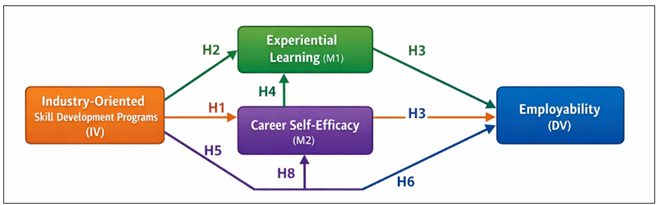
Figure 1 Skill Development and Employability Framework
The Figure 1 represents the conceptual model that depicts the impacts of Industry-Oriented Skill Development Programs (IV) on the Employability (DV) of management students, by the direct and indirect mechanisms. Fundamentally, the model hypothesizes that there is a positive direct effect of skill development programs on employability (H1) such that exposure to industry training is a direct benefit in terms of job readiness. Besides this direct effect, the model points at two important mediators:
· Experiential Learning (M1): Skill development programs increase the hands-on learning experience (H2), which further makes them more employable (H3). This demonstrates the fact that real world exposure assists students in putting knowledge into practice in real life situations.
· Career Self-Efficacy (M2): Students are also confident in their career skills, which is developed through career development programs (H5), that has a positive impact on employability (H6).
The Figure 1 also indicates chain mediation effect (H8), through which experiential learning will result in increased career self-efficacy, which in its turn will result in better employability. This means that not only does learning by doing provide skills, but it also increases confidence which eventually increases job preparedness. The framework has also shown that the employability is not only a direct product of training programs but it is also greatly influenced by experiences of learning and psychological confidence factors.
4. Research Methodology
In this research, a quantitative and explanatory research design will be used due to investigating the effects of industry-oriented skill development programs on the employability of management students as the study is mediated by the variables of experiential learning and career self-efficacy. Cross-sectional survey method is used because it allows collecting data at one point in time and to test the relationships between variables. The research is guided by positivist research paradigm that emphasizes on objective measurements, statistical analysis and testing of hypothesis in order to support the proposed conceptual framework. This study has a target population of final-year undergraduate (BBA) and postgraduate (MBA) undergraduate and post graduate management students who are studying in known institutions within Tamil Nadu. It is assumed that these students will be suitable respondents because they are on the brink of joining the job market and will most likely have been involved in different skill development programs. To represent various categories of institutions such as government and privately owned colleges, urban and semi-urban regions are adopted by means of stratified random sampling. The study will gather the answers of about 250 to 400 students which these figures are deemed sufficient in analysis of Structural Equation Modeling (SEM) which will provide statistical reliability as well as validity of the model.
The study data will be gathered using a structured questionnaire that will be distributed via online sources (via Google Forms) and in case it is possible, directly to institutional participants. The questionnaire will capture the views of the students on their experience about exposure to industry oriented programs, their outcome of the learning experiences, their career self-efficacy levels and the level of employability. The measurement of all items is conducted with the help of five-point Likert-scale, which is based on strongly disagree to strongly agree, which permits consistent and standardized answers. Besides primary data, secondary sources like academic literature, institutional reports, and policy documents are adopted so as to supplement the theoretical basis of the study. Variables are measured using constructs developed in the previous studies. The independent variable, industry-oriented skill development programs, are operationalized by such indicators as the participation in the internship, live projects, the courses of certification, workshops, and interactions with the industry. The initial mediating variable (experience learning) describes how much the students involve themselves in practical learning, use theoretical concepts and acquire problem-solving capabilities. The second mediator, career self-efficacy, denotes the belief that students have in their capability to handle career related activities, make career choices, and achieve in work places. Employability the dependent variable is evaluated in terms of dimensions, which include job preparedness, communication, adaptability and work competence.
In order to make sure of the reliability and validity of the instrument, the questionnaire items are modulated off valid scales that have been utilized before. The tool is subject to a professional evaluation by scholars and professionals in the industry to determine content validity. The pretest with 3050 students is carried out to optimize the questionnaire and make sure that the items are easy to understand. Cronbach alpha and composite reliability are used to determine the reliability, and the acceptable levels are considered to be 0.70 or more. Validity is tested with convergent validity, Average Variance Extracted (AVE) and discriminant validity, the Fornell-Larcker method or HTMT ratio. The data collected is statistically analyzed by using SPSS and SmartPLS/AMOS statistical packages. First, descriptive statistics are calculated to describe demographic variables and distributions of variables. This is then succeeded by reviewing the measurement model where reliability and construct validity is evaluated. The structural model is then tested to check the hypothesized variables relationships. The strength of the relationships is checked on path coefficients, significant level, and explanatory power (R 2). The analysis of the mediation is performed through the bootstrapping method to determine the indirect role of experiential learning and career self-efficacy. Model fit indices like CFI, TLI, RMSEA, and SRMR are also applied to assess the general model fit where necessary. All issues surrounding ethics are taken into account during the research process. As a research participant, attending the study is optional and every participant is aware of the study purpose. Participants are assured privacy and anonymity and the data obtained is not utilized in any other way. No identifiers (P. I.) will be collected, the privacy of the respondents will be preserved.
5. Data Analysis and Results
This part contains the data analysis of the obtained data and the findings of the test of the hypotheses in statistics. The assessment is performed in a systematic fashion, starting with the descriptive statistics, proceeding to the reliability and validity analysis, and finally, to the evaluation of structural models and testing of the hypotheses, with the use of Structural Equation Modeling (SEM). The demographic of the respondents shows that there is a balance in the sample of the management students in the state of Tamil Nadu. The sample will comprise of undergraduate (BBA) students, and post graduate (MBA) students and include state and non state institutions. The ratio of gender is quite even and most of the respondents are of the age group 20-25 years old, which is normal among final-year management students. A considerable percentage of the students indicated that they have been engaged in internships, workshops, and certification programs which means that they have been properly exposed to industry based skills development programs. The analysis of the central tendencies and dispersion of the study variables is implemented with the help of descriptive statistics. The average scores of industry-oriented skill development programs, experiential learning, career self-efficacy, and employability have been revealed as above the average point, which implies that the students have a generally positive perception. The values of standard deviations imply average variability, which means that people have different experiences and levels of exposure.
The reliability of the constructs is measured with the help of Cronbach alpha and composite reliability (CR). The constructs have satisfactory reliability with all of the values being more than the recommended value of 0.70. This implies internal consistency of the items measuring. The evaluation of convergent validity is done by extracting Average Variance (AVC) and the AVE of all the constructs is above 0.50 which establishes that the items are serving the purpose they are supposed to serve. Discriminant validity is determined by Fornell-Larcker criterion and HTMT ratio, so that the constructs are not similar to each other. The evaluation through measurement model shows that the constructs are reliable and valid and further analysis of the structural relationships can be made. The structural model is then evaluated to test the assumptions on the direction of variables. Findings indicate that Hypothesis H1 is supported by a lot of positive effect of industry-oriented skill development programs on employability. This means that students who engage in activities that are related to the industry at an active level are more job ready and competent in their career.
Further discussion reveals that industry-based programs play an important role in influencing experience learning, and it supports Hypothesis H2. On its part, experiential learning influences positively employability significantly, which validates Hypothesis H3. These results emphasise the value of practical and hand-on learning experiences in improving employability impacts of students. On the same note, the correlation between industry-oriented programs and career self-efficacy is observed to be meaningful and favorable, which confirms Hypothesis H5. Hypothesis H6 is also confirmed when career self-efficacy has a strong positive impact on employability. This implies that confidence of students in their capabilities is a key factor that contributes to the preparedness to take up the job.
The bootstrapping method used to test indirect effects in mediation analysis. The findings suggest that the interrelationship between skill development programmes and employability partly takes place through experiential learning, which corroborates Hypothesis H4. Similarly, career self-efficacy is also a major mediator that proves the Hypothesis H7. In addition, the analysis ratifies the existence of a chain mediation effect, in which experiential learning increases career self-efficacy, which consequently increases employability. This favors Hypothesis H8 and shows that there is a sequential route that the skill development programs induce employability. Gauging the explanatory power of the model is done by examining the values of the R 2, which suggest that a considerable amount of the variance in the employability is attributed to independent and mediating variables. Model fit measures (in the AMOS context) or the measures of predictive relevance (in SmartPLS) also prove that a proposed model is statistically sound and fits the data quite well. Overall, the findings are a solid empirical evidence of the suggested conceptual framework. Industry-directed skill development initiatives do not only directly affect employability, but also indirectly influence it due to their strong impact on experiential learning and career self-efficacy. The results of this study highlight the significance of the combination of practical learning and confidence-building mechanisms into the management learning programs in order to increase the effects of student employability.
Table 2
|
Table 2 Descriptive Statistics |
||
|
Construct |
Mean |
Std. Deviation |
|
Skill Development Programs |
3.85 |
0.62 |
|
Experiential Learning |
3.78 |
0.65 |
|
Career Self-Efficacy |
3.92 |
0.58 |
|
Employability |
3.88 |
0.60 |
Table 2 indicates that the mean of all the constructs, which include the skill development program, experiential learning, career self-efficacy, and employability, are more than 3.7, which implies that students enjoy a positive attitude towards their skills and readiness to work. The median standard deviation indicates that there is a variation in the experience of students.
Table 3
|
Table 3 Reliability and Validity |
|||
|
Construct |
Cronbach’s Alpha |
CR |
AVE |
|
Skill Development Programs |
0.88 |
0.91 |
0.65 |
|
Experiential Learning |
0.86 |
0.89 |
0.61 |
|
Career Self-Efficacy |
0.90 |
0.92 |
0.68 |
|
Employability |
0.89 |
0.91 |
0.66 |
Table 3 affirms that the constructs are all statistically sound and valid. The alpha of Cronbach and composite reliability have values greater than 0.70 which means that internal consistency is good and values greater than 0.50 indicate adequacy of the measurement items to their constructs.
Table 4
|
Table 4 Hypothesis Testing Results |
||||
|
Hypothesis |
Path |
β (Beta) |
p-value |
Result |
|
H1 |
SDP → Employability |
0.42 |
0.001 |
Supported |
|
H2 |
SDP → Experiential Learning |
0.55 |
0.001 |
Supported |
|
H3 |
Experiential Learning → Employability |
0.36 |
0.002 |
Supported |
|
H5 |
SDP → Self-Efficacy |
0.48 |
0.001 |
Supported |
|
H6 |
Self-Efficacy → Employability |
0.40 |
0.001 |
Supported |
As shown in Table 4, all the suggested relations are significant and supported. The employment skills programs in the industry directly and indirectly have a positive impact on employability. Skill development programs relate the best with experiential learning (β= 0.55), showing the necessity of the practical exposure.
Figure 2
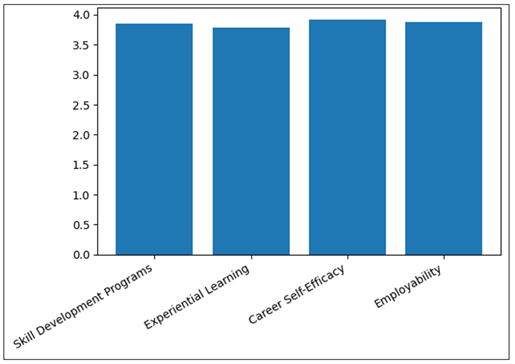
Figure 2 Mean Scores of Constructs
Figure 2 provides visual confirmation that mean scores on all the variables are high, with all the responses to the constructs being positive.
Figure 3
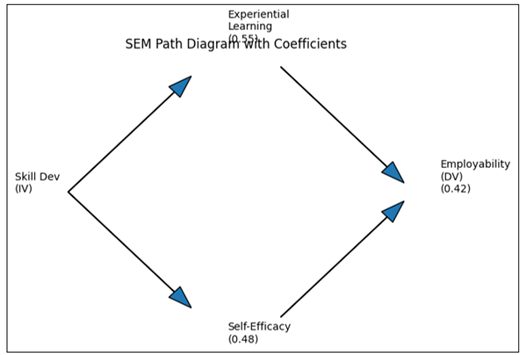
Figure 3 SEM Path Diagram with Coefficients
Figure 3 is a graph that demonstrates the associations between variables and therefore, experiential learning and career self-efficacy serve as crucial mediators. It emphasizes that the skill development programs are not only directly effective in enhancing employability but also by expanding the learning experiences and student confidence.
6. Discussion
The outcomes of this research have a high empirical value to the proposed conceptual frameworks because they indicate the high relevance of industry-based skill development programs in improving the employability of management students in Tamil Nadu. These findings support the hypothesis that such programs not only affect employability directly in a positive way but also affect the development of employability indirectly, through experiential learning and career self-efficacy, which proves the multidimensionality of the development of employability. The hypothesis of a direct correlation between the industry-oriented skill development programs and the employability (H1) implies that the systematic exposure to the industry practices, i.e. internships, live projects, programs certification, etc., is a key factor in equipping the students with the necessary workforce skills. This observation conforms to the available literature that has stressed on the significance of matching academic curricula with the demands of the industry. It shows that students active in such programs are in a better position to acquire practical skills, professional awareness, and employment preparedness skills.
The findings also indicate that industry based programmes contribute to a great extent in improving the experiential learning (H2) which positively influences employability (H3). This supports the ideas of experiential learning theory that postulates that the best way to learn is by being engaged and active and practicing what one has learned. The high correlation between skills development courses and on-the-job learning emphasizes the need to add practical, practice-oriented elements to the management learning. Experiential activities help students acquire critical thinking, problem-solving and decision-making skills which are critical to employability. On the same note, the research verifies that industry-oriented programs affect career self-efficacy (H5) positively, and career self-efficacy (H6) has a significant effect on employability. The discovery highlights the psychological aspect of employability, which implies that the belief in individual capabilities is just equal to the learning of skills. Students who feel competent take initiative in finding opportunities, do well during interviews and adjust to work related challenges. It is in line with the social cognitive theory which emphasizes self efficacy in determining performance and behavioral outcomes.
The mediation analysis sheds more light on the processes that stand behind these relations. The high level of mediating effect of experiential learning (H4) states that the success of skill development programs is partially achieved through the learning experience that it offers. Similarly, the mediation effect of career self-efficacy (H7) implies that the programs increase employability by increasing the confidence and motivation of students. Notably, another mediation effect also exists in the study in terms of a chain mediating effect (H8), which is that experiential learning leads to better career self-efficacy, which in turn results in enhanced employability. The sequential pathway emphasizes that there is an interactive relationship between learning and psychological development in the process of shaping career outcomes. Comparing the research results with the previous literature, the results obtained in the given research study are in line with the previous research that underlines the significance of self-efficacy and experience in education and career development. Nevertheless, the research also contributes to the area by incorporating these variables into one construct and testing their interaction empirically with regard to management education in Tamil Nadu. This contextual orientation is a value addition to the available body of knowledge because most of the previous studies have been done in other geographical or discipline setting.
Educational institutions and policymakers are also interested in the implications of the results. Experiential learning is very strong and therefore it implies that the traditional approach of teaching should be supported by practical activities that are industry-related. Equally, career self efficacy role indicates the necessity of career-building interventions that develop students confidence which includes mentoring programs, career counseling and skills-based training. Incorporating these elements into the curriculum, the institutions will be able to develop a more comprehensive learning environment that will not only improve the acquisition of skills, but also improve the psychological preparedness. Overall, the discussion proves that the concept of employability can be characterized as a complex phenomenon that depends on educational practices and psychological individual factors. The programs of industry-oriented skills development can be viewed as a stimulus to engage experiential learning and build self-efficacy that can eventually result in a better employability outcome. These findings support the necessity of an integrated approach to management teaching with theory, practice, and personal development being aligned to the needs of the contemporary working environment.
7. Implications and Recommendations
The results of the current research can produce important effects on the educational establishments, policymakers, and the representatives of the industry due to their emphasis on the need to implement industry-focused practices, hands-on learning, and mental growth in management education in order to improve the results of employability. In academic sense, the research highlights the imperative of management institutions redesigning their curricula such that they adopt industry-based skill development programs as part and parcel and not as an add-on. Conventional learning methods that rely on lectures, should be complemented by experiential learning methods including internships, live projects, simulations, case-based learning and industry partnerships. Incorporating these aspects into a curriculum can guarantee students obtain a hands-on experience and acquire skills in accordance with the demands of the real world. Continuous review of curriculum by institutions with consultation with industry professionals should also be considered as part of keeping abreast with the job market, which is rapidly changing.
The other implication is associated with the impact of career self-efficacy on the employability. Schools must resort to organized measures designed to improve the confidence of students and their readiness to enter a career. It can be done by means of career counseling programmes, mentorship programmes, mock interviews, skill enhancement and personality development programmes. Allowing students to do well on real-life tasks and get constructive feedback can go a long way in increasing their self-efficacy and motivation. The study reminds policymakers of the need to improve the structures of industryacademia collaboration. The policies are to promote collaboration between schools and business organizations to promote internship, apprenticeship, and group projects. The government can assist in coming up with Centers of Excellence, skill development hubs, and incubation centers in institutions. Also, the regulatory bodies like AICTE and UGC can require the incorporation of the elements of experiential learning and exposure to the industry as a component of accreditation and quality assurance.
The results also point to a necessary involvement of the industry in the education ecosystem. Organizations should also proactively work with schools and colleges providing internship opportunities, through guest lectures, co-structuring curriculum and through skill-building programs. This type of collaboration will make sure that students get trained according to the latest industry practices and expectations. Additionally, industries will be able to tap into a source of highly skilled and employment-ready graduates. Faculty members have a significant role to play, in relation to pedagogical practices, in promotion of experiential learning. Faculty development programs are needed that could help prepare the educators in the skills necessary to create and provide an interactive, practice-focused learning experience. Faculty training in contemporary instructional practices, computer applications, and technology can make teaching more effective and improve student performance. It is also proposed in the study that continuous evaluation and feedback systems are essential. Institutions are expected to embrace assessment techniques that extend beyond examinations into things such as project based tests, presentations and real life application of problems. Consistent feedback provided by industry mentors and faculty can help students recognize strengths and areas of weakness, and thus improve learning and self-efficacy.
8. Conclusion and Future Research
This paper aimed at exploring the effects of industry oriented skill development programs on employability of management students in Tamil Nadu with particular reference to mediating effects of experiential learning and career self-efficacy. The results present good empirical data that not only direct exposure to industry-based programs affects employability but also the learning experience and psychological confidence generated under the influence of the latter. The findings affirm that skills development programs that are industry oriented play a significant role in increasing the employability which supports the relevance of ensuring that academic curriculums are aligned to the needs of the industry. What is even more important, the study has emphasized that experimental learning and career self-efficacy are the key mediating variables, the effects of skill development programs are achieved by using the mediating variables. The discovery that a chain mediation effect exists further reinforces the knowledge that experiential learning is one of the factors that help in raising self-efficacy, which consequently results in a better outcome of employability. This combined view is a complete account on how applied exposure and psychological preparedness together determine the career preparedness of students. The research adds value to the body of knowledge in a number of ways. First, it expands the body of literature concerning the use of pedagogical (experience learning) and psychological (career self-efficacy) dimensions within one set of concepts. Second, it empirically confirms such relationships within the scope of management education in Tamil Nadu, thus filling a significant gap in the research within the region. Third, the study provides a systematic framework that may be used and experimented in the similar educational environment, which has some contribution to both theoretical and practical development. The study is not without limitations, although it has contributed greatly. A cross-sectional research design limits the possibility to make causal links in the long term. The use of self-reported information also has the possibility of introducing bias in the responses, with students having a perception that is not entirely accurate regarding the outcomes of employability. The research also has a limitation since the sample consists of only management students in Tamil Nadu, which can be of concern regarding the extrapolation of the results to other locations or fields.
Considering these constraints, a number of research possibilities are suggested. The longitudinal research design can be used in future research to follow changes in employability across time and provide reliable causal connections. Generalizability of the findings can be improved by increasing the population of students covered by the study to different disciplines, different regions or countries. The researchers are also able to add other variables like digital skills, emotional intelligence, quality of internship and organizational support to create a more detailed model of employability. Furthermore, the potential of emerging technologies and electronic learning settings to influence experiential learning and employability is a topic to be addressed in future studies. As virtual internships, simulation based learning or AI based learning tools become more widely used, we need to learn the impact of these new technologies on student outcomes. A comparison of traditional and technology based learning methods can give us useful information about the success of various pedagogical methods. An alternative route is to look at the employer side of employability, which can be used to supplement student data and get a more comprehensive picture of workforce preparedness. It is also possible to conduct qualitative studies like interviews and case studies in order to learn more about the experience of students and the effectiveness of skill development programs.
CONFLICT OF INTERESTS
None.
ACKNOWLEDGMENTS
None.
REFERENCES
Adib, M. (2024). Experiential Learning in Higher Education: Assessing the Role of Business Simulations in Shaping Student Outcomes. International Journal of Management Education, 22(3). https://doi.org/10.1016/j.ijme.2024.100968
Al Issa, N., Rahman, M. A., and Abdullah, S. H. (2025). Empowering Social Entrepreneurial Intentions Through Experiential Learning and Self-Efficacy. International Journal of Management Education, 23(1). https://doi.org/10.1016/j.ijme.2025.101154
Bandura, A. (1977). Self-Efficacy: Toward a Unifying Theory of Behavioral Change. Psychological Review, 84(2), 191–215. https://doi.org/10.1037/0033-295X.84.2.191
Creswell, J. W., and Plano
Clark, V. L. (2017). Designing
and Conducting Mixed Methods Research
(3rd ed.). Sage.
Kolb, D. A. (1984). Experiential Learning: Experience as the Source of Learning and Development. Prentice-Hall.
Kurtz, G., Amzalag, M., and Shaked, N. (2024). Strategies for Integrating Generative AI into Higher Education. Education Sciences, 14, Article 503. https://doi.org/10.3390/educsci14050503
Musa, M., Ibrahim, R., and Sulaiman, N. (2025). The Effect of Internships on Graduates’ Employability, Soft Skills, and Digital Competence. Journal of Education and Learning, 14(2), 210–222. https://doi.org/10.22521/edupij.2025.17.306
Nishad, S., Singh, N., Tiwari, S., and Panday, M. A. (2026). A Deep Learning Approach to Detecting and Preventing Misinformation in Online Media. International Journal of Advanced Computer Theory and Engineering, 15(1), 6–10. https://doi.org/10.65521/ijacte.v15i1S.1300
Petrov, I. (2025). Enhancing Employability Skills Through Project-Based Learning in Business Education. Education and Training, 67(2), 150–165. https://doi.org/10.47408/jldhe.vi34.1391
Sahabuddin, S., Rahman, A., and Yusuf, F. (2024). The Role of Soft Skills Training on Employability with Self-Efficacy as an Intervening Variable. Journal of Management Education, 9(1), 45–58.
Tan, A., Liu, X., and Zhang, Y. (2025). How General Self-Efficacy Facilitates Undergraduate Employability: A Multiple Mediation Model. Education Sciences, 15(4), 486–502. https://doi.org/10.3390/bs15040514
Wang, Y., Chen, L., and Zhao, H.
(2026). The Impact of Career
Social Support on Employability: Chain Mediating Roles of Career Decision-Making Self-Efficacy and
Career Goals. Current Psychology. Advance Online
Publication.
Yorke, P. (2006). Employability in Higher Education: What it is and what it is Not. Higher Education Academy.
Zawacki-Richter, O., Marín, V. I., Bond, M., and Gouverneur, F. (2019). Systematic Review of Research on Artificial Intelligence Applications in Higher Education. International Journal of Educational Technology in Higher Education, 16(39). https://doi.org/10.1186/s41239-019-0171-0
|
|
 This work is licensed under a: Creative Commons Attribution 4.0 International License
© ShodhKosh 2026. All Rights Reserved.