ShodhKosh: Journal of Visual and Performing ArtsISSN (Online): 2582-7472
|
|
Unchehara’s Phool Metal Craft: Heritage, Decline, and the Urgent Need for Preservation
Manjari Kanungo 1
 ,
Dr. Kakoli Biswas 2
,
Dr. Kakoli Biswas 2
1 Research
Scholar and Assistant Professor, Karnavati University, Avantika University, India
2 Associate
Professor, Karnavati University, India
|
|
|
ABSTRACT |
|
|
The Unchehara Phool metal craft of Satna district Madhya Pradesh represents a traditional bronze-working art which originates from the metallurgical practices of the Tamrakar community. The craft which started in the Unchehara area used Phool a special copper-tin alloy to create bells and ritual objects and utensils for domestic use. The items which originated during the Gupta period functioned as essential domestic items and sacred objects and elements of communal identity. The research studies the historical development and current state of the craft by documenting its operational methods and equipment and its cultural significance. The craft maintains its existence through approximately fifteen practitioners who produce work for local fairs and temple events but its heritage remains extensive. The study uses oral histories and fieldwork and archival sources to analyze the social and economic and cultural elements that contributed to its decline. The study
presents a historical and modern narrative which enhances the documentation
of India's metallurgical heritage while it shows the need for protection
initiatives to preserve endangered traditional knowledge |
|||
|
Received 16 January 2026 Accepted 27 March
2026 Published 11 April 2026 Corresponding Author Manjari
Kanungo, manjari.kanungo@avantika.edu.in DOI 10.29121/shodhkosh.v7.i4s.2026.7368 Funding: This research
received no specific grant from any funding agency in the public, commercial,
or not-for-profit sectors. Copyright: © 2026 The
Author(s). This work is licensed under a Creative Commons
Attribution 4.0 International License. With the
license CC-BY, authors retain the copyright, allowing anyone to download,
reuse, re-print, modify, distribute, and/or copy their contribution. The work
must be properly attributed to its author.
|
|||
|
Keywords: Phool Metal Craft, Unchehara, Tamrakar Community,
Copper-Tin Alloy, Traditional Metallurgy, Craft Heritage |
|||



1. INTRODUCTION
The traditional handicrafts of India serve as one of the oldest continuous methods which people use to express their cultural heritage because they maintain traditional skills and materials and aesthetic designs which have been passed down through generations. The metal crafts of this diverse heritage showcase their unique character by combining practical uses with their ceremonial and religious significance. The crafts serve as artistic objects which display the identity of the community and the historical background of the area and the technological expertise of its people according to Roy (2012). The Phool metal craft of Unchehara which exists in the small Madhya Pradesh town of Unchehara functions as one particular example.
ऊँचे
बसा उचेहरा, तर
है बरूआ नार,
बेटी
बनी बघेल की, कुंवर
बने परिहार।
पीर
नौगजा के जहां
नौ गज केर
मजार,
साल
भरे का मिलत
हैं बर्तन
जहां उधार।।
कुंइयन
का पानी जहां
लगै बहुत सखार,
हेन
कुटीर उद्योग
अस मडवन का
व्यापार ।।
Source: Agarwal (2023). नागौद राज्य का इतिहास
The Phool craft derives its name from a distinctive bronze alloy which metalworkers use to create various items including utensils and bells and ceremonial objects. The Tamrakar community has maintained this craft in Unchehara since its inception during the Gupta period which marked a peak in the region's metalworking and governmental and temple architectural activities (Ghosh and Bhattacharya 2023). The entire Tamrakar community used to participate in this tradition which established an economic system that relied on their artisanal expertise and local commerce and the support of religious institutions.
Figure 1
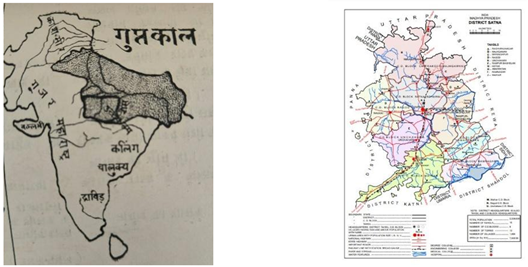
Figure 1(a) Old map Of Unchehara in Gupta Period Author: Karim (1946)
(b) New Map of Unchehara Highlighted in Pink Colour Author: Directorate of Census Operations Madhya Pradesh. (2011).
Phool metal craft exhibits cultural associations and health-related links which extend beyond its physical materials. Ayurvedic practitioners consider copper-tin alloys to provide positive health effects when people use them for food storage and cooking according to Sharma (2020). The craft produces items which people use for daily activities and ceremonial purposes through their use in home environments and temple ceremonies that show their cultural value.
The traditional practice which has existed for many centuries now confronts its most severe decline since its inception. The craft faces decreased market demand because of high production costs and difficulty obtaining needed materials and industrial products that compete with traditional craftsmanship and young people who refuse to learn this skill according to Mehta (2021). Unchehara residents maintain their artistic skills through their work at Unchehara where elderly artists use their art to generate minimal income from temple visits and local festivals. The community maintains certain special traditions which include making bronze bells and manjiras since these activities function as weak connections between modern times and ancient history.
The purpose of this paper is to document the history and current practices of Phool metal craft, preserving knowledge of its origins, techniques, and cultural contexts. The study uses archival research and oral histories and field interviews to create a complete documentation of the craft and its current status. The documentation process functions as an essential element for maintaining cultural heritage, while it establishes a fundamental base which will support upcoming restoration initiatives to protect Phool craft heritage from extinction.
1.1. Uses of Phool (bronze)
Phool Bronze serves as a crucial material across multiple industries. Unchehara keeps using its traditional production techniques which have become essential for their operations. Its capacity to withstand wear and tear in different situations makes it an important asset for various applications:
1.2. Household Uses of Phool (Bronze) – Plates and Bowls
Phool (Bronze) has been extensively used for creating durable and functional household items, especially plates and bowls. The utensils from this collection hold great worth because of multiple factors:
· Durability and Longevity: The strength and corrosion resistance of bronze plates and bowls make them perfect for extended usage. The items can withstand daily meal usage while maintaining their originalshape and originalfinish during multiple decades of service.
· Heat Conduction: Bronze functions as an outstanding heat conductor which enables its use for making kitchen utensils and serving tools that handle hot food. The material's capacity to retain heat enables it to maintain food temperature throughout extended time periods which proves especially beneficial in conventional dining settings.
· Health Benefits: Many cultures believe that using bronze utensils provides health benefits because people believe that the alloy has antimicrobial properties which prevent food contamination.
· Cultural Significance: In many regions of India, including Unchehara, people maintain a cultural practice that involves using bronze plates and bowls for their ceremonial and festive activities. The utensils serve as family heirlooms which people hand down through generations to show their cultural traditions..
Figure 2
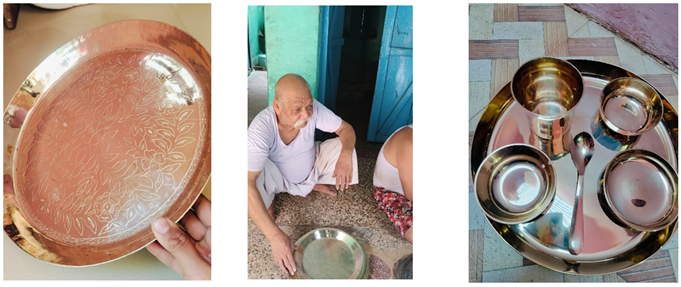
Figure 2
Traditional Tali and
Katori
Source: Author
1.3. Artistic Creations with Phool (Bronze) – Paintings of Deities and
Custom Gifts: Phool Bronze functions as a material for religious objects and ceremonial tools and also serves artists who create complex designs and religious artworks of deities and sacred symbols. The designs of these products serve as gifts which carry both cultural and spiritual value:
Paintings of Deities: Bronze serves as the material for creating three-dimensional reliefs and engraved artworks which depict various deities including Lord Krishna and Goddess Sharda and additional divine figures. The pieces hold two types of value because people display them in their homes and temples for both their visual appeal and their religious significance. The bronze paintings display intricate details which demonstrate the artistic skills of the craftsmen who created them for use as both sacred objects and decorative items.
Figure 3
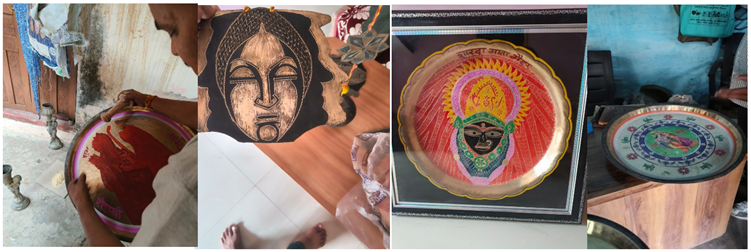
Figure 3 Paintings of Deities and Custom Gifts
Source: Author
1.4. Wind Chimes and Singing Bowls Made from Phool (Bronze)
Wind Chimes: People use bronze wind chimes for their calming musical sounds in home and garden and spiritual space settings. The acoustic properties of bronze give wind chimes a unique resonant tone which improves the sound quality of any space. The wind chimes are made with exacting standards which produce musical sounds that change according to the dimensions and weight of the bronze components. The objects serve two purposes because they function as decorative items and people think they bring good energy and tranquility.
Singing Bowls: Bronze forms the material basis for singing bowls, which people use in meditation and healing practices. The bowls create deep resonant sounds when struck or when a mallet moves around their edges, which people believe helps them achieve relaxation and mindfulness. The sound quality derives from both the bronze purity and the skill of the artisans who worked on the project, while Unchehara's Phool bronze delivers exceptional sound quality through its enduring tonal characteristics.
The artistic beauty of Phool bronze demonstrates its capacity to create wind chimes and musical bowls which enable dual purposes of aesthetic beauty and spiritual and practical use.
Figure 4
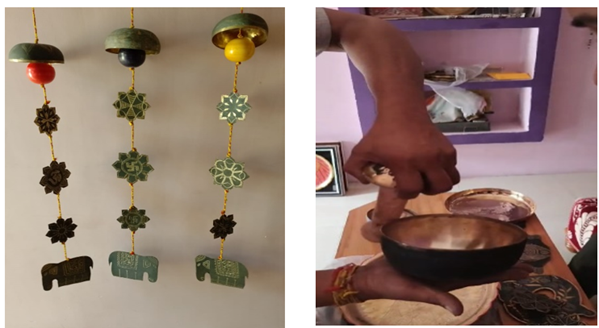
Figure 4 Wind Chimes and Singing Bowls
Source: Author
Custom Gift Items: Artisans in Unchehara design bronze plaques or framed images as unique gift items. The pieces display religious images and mythological scenes and special occasion designs which customers create through custom orders. The durability of bronze together with its timeless aesthetic quality makes these presents permanent keepsakes which people will cherish throughout their lives.
1.4. Religious Items Made from Phool (Bronze) – Ghanta, Gharial, and Manjeera
The Phool (Bronze) material serves as a vital element in producing religious objects through its application in developing sacred instruments and ceremonial artifacts. The Unchehara display depicts common religious items which artisans have created using bronze, as seen in Figure 4
Ghanta (Bell): The bronze bell, or "ghanta," is commonly used in temples and homes for religious rituals. The sound of the bronze bell creates a resonant tone which people believe will purify the space and bring forth spiritual power and mark the beginning of their prayers. Bronze serves as the perfect material for these bells because its properties create both lasting strength and excellent sound performance capabilities.
Gharial (Traditional Gong): The gharial functions as a percussion instrument. The instrument is made of bronze and serves its primary purpose at temples and religious events. The deep musical sound which results when a mallet strikes the gharial produces auspiciousness which helps sustain the rhythmic pattern during religious ceremonies.
Manjeera (Cymbals): Manjeera are small bronze cymbals used in devotional music and rituals. The instruments create a high-pitched sound which blends well with other musical instruments used in worship and bhajans and kirtans. Musicians choose bronze as the main material to create traditional musical instruments because of its superior sound properties. These religious items serve as essential components for spiritual practices in Indian culture which demonstrates how bronze craftsmanship helps maintain religious customs.
Figure 5
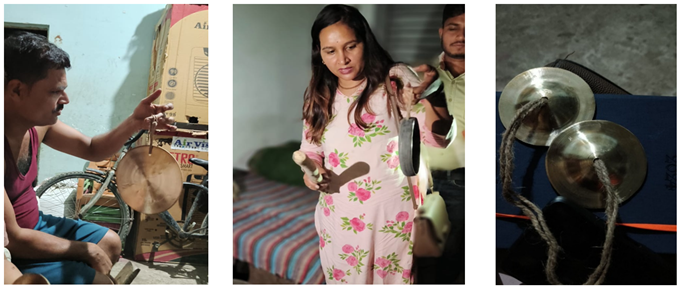
Figure 5 Ghanta, Gharial, and Manjeera
Source: Author
1.5. History and Background of the Tamrakar Community in Unchehara
The Tamrakar community in Unchehara, located in the Satna district of Madhya Pradesh, shares the same historical and cultural background as other Tamrakar communities, with a focus on their traditional role as artisans, particularly in metalworking. The name "Tamrakar" comes from "tamra" (copper) and "kar" (maker), which signifies their historical connection to the production of copper and other metal items. The community has produced metal utensils and religious artifacts and tools since ancient times, but its operations have changed throughout history because of economic and social transformations.
1.6. Geographical and Historical Context
Unchehara is a small town in the Satna district of Madhya Pradesh which belongs to the Vindhya region that has historically served as a center for craftsmen and merchants. The ancient trade routes and the diverse cultural heritage of the region have determined how the Tamrakar artisan community operates its business activities.
The Tamrakar community in Unchehara likely originated as metalworkers who created vital market products for both local merchants and religious establishments and residential properties. In earlier times, they specialized in crafting copper utensils, religious icons, and ceremonial items, which were essential for both daily life and religious practices.
1.7. Cultural and Religious Practices
The Tamrakar community in Unchehara, like their counterparts in other parts of Madhya Pradesh, follows Hinduism and adheres to traditional customs and religious practices. The community maintains its strong relationship with Vishwakarma, who serves as their protected deity because he serves as the divine architect and protector of all artisans and craftsmen.
The community worships Sahastrabahu as their strength and craftsmanship deity who is similar to the artisan deities worshiped by various central Indian craft communities.
The community celebrates Diwali, Holi, Navaratri, and Makar Sankranti with great enthusiasm. The community performs these festivals by worshiping both household and community deities while they conduct rituals that bring prosperity to their traditional craft and business operations.
1.8. Traditional Craftsmanship and its Evolution
The Tamrakar community of Unchehara developed their expertise through their work with copper to produce utensils and religious artifacts and various metal products which served both ceremonial and household purposes. The community has evolved through industrialization and modern economic changes to pursue multiple areas of development. The community members continue to practice their traditional metalworking trade while they explore various business and trade and skilled work fields.
1.9. Economic and Social Role
The Tamrakar community maintained their economic activities through their metal goods sales in local markets. The artisanship of these workers was vital because their metalwork included copper items which people used for both their daily needs and their ceremonial rituals.
The current economic conditions have led the community to adopt new economic practices. The Tamrakar community members in Unchehara have moved away from their traditional metalworking work to pursue small-scale businesses and shop operations and professional services. The artisans maintain their cultural identity through their historical connection to their traditional craft.
1.10. Social Structure and Marriages
Unchehara residents practice endogamous marriage traditions which require them to marry within their Tamrakar community and their allied artisan and Vaishya communities. The community has used this practice throughout history to sustain their social bonds while safeguarding their cultural traditions. The traditional practices of the community have evolved through modernization which has led to increased inter-community marriage among young people. The traditional practices of the community have developed through time into their current state.
1.11. Modern Development and Education
The Tamrakar community in Unchehara has chosen education as its main goal because this need exists in many rural and semi-urban Indian communities. Most families now prioritize education together with professional development which leads them to guide their children towards business and government services and skilled trades careers.
The community requires more modern business practices which its members use to enter retail and entrepreneurship and other fields that provide them with economic advancement.
2. Literature Review
2.1. Traditional Metallurgy, Materials, and Craft Lineages
Indian metal crafts create a continuous civilizational tradition which combines material science with ritual practice and artisanal expertise. The development of regional metallurgical specializations from the Gupta era to later periods shows how patronage from courts temples and households influenced their growth Roy (2012). The research on metal traditions, particularly brass and bell-metal groupings and lost-wax communities, shows how communities maintained their metal traditions through hereditary training and selection of alloys that provided both durability and sound quality and ceremonial cleanliness Ghosh and Bhattacharya (2023), Sahu (2020), Das (2024). Unchehara's Phool alloy practice (copper-tin) shows how function through utensils and bells and manjiras connects with both ritual symbols and daily usage.
2.2. Cultural Embedding and Social Role of Metalware
Ethnographic and cultural studies demonstrate that metal utensils and ritual objects function as more than commodities because these items establish permanent ties to ceremonial rites and temple worship and seasonal celebrations while they define people's personal style and social standing and ethnic background Roy (2012). The Unchehara region functions as a base from which temple economies distribute bells and lamps and musical instruments to local markets because these items maintain constant demand throughout the year while connecting craftsmen to various religious institutions Ghosh and Bhattacharya (2023), Sharma (2020). The system of craft apprenticeship which included men working at furnace and forge and women finishing and polishing crafts became a means to pass down skills from one generation to another.
2.3. Health Beliefs and Alloyed Utensils
The ongoing discussion about craft work centers on the health benefits which people believe exist in particular metals and alloys used for cooking purposes. The scientific research results about Ayurveda show mixed findings yet people still choose copper-tin and brass materials for their vessels because of their trust in Ayurveda (Sharma 2020). The belief system establishes the product range which includes lota and plates and cooking vessels to maintain traditional home products despite the increasing availability of factory-made products.
2.4. Contemporary Challenges: Costs, Markets, and Demographics
Metal clusters throughout India experience their four main reasons for decline because of: (1) increasing price and market instability for copper and tin; (2) stainless steel and aluminum and plastic materials as alternative products; (3) restricted access to markets; and (4) decreasing ability of older generations to pass down traditional skills because young people leave the craft Ghosh and Bhattacharya (2023), Mehta (2021). The Chhattisgarh and Rajasthan case studies show that artisans face difficulties in maintaining their profit margins and purchasing tools or design improvements without the support of branding and aggregation and institutional support Sharma (2020), Walia et al. (2024). The Unchehara cluster faces significant dangers because its small number of old workers leads to two critical problems: loss of expert skills and disappearance of essential knowledge.
2.5. Documentation, Design Intervention, and Craft-Led Sustainability
The research work of the past two decades shows that documentation which includes process mapping and visual ethnography together with design facilitation and co-creation methods serves as effective tools for developing organizational resilience. The design process which involves field experts to create prototypes with artisans while changing product dimensions and using traditional design elements from their culture demonstrates a method to develop new markets while maintaining material properties and cultural meanings Jain (2016) Saxena and Pandey (2023). The Kansari tradition of Odisha shows how structured design inputs lead to functional expansion and renewed market interest through "gentle innovation" which develops heritage products while maintaining their original identity Pattnaik (2018).
2.6. Digital Enablement and Platform Access
The physical markets became less active which led to digital channels becoming essential for discovering products and telling stories and determining market prices. The research examined how e-commerce platforms through Amazon Karigar and GoCoop and Okhai and social media platforms enable rural micro-entrepreneurs and artisan collectives to extend their market reach while standardizing their product catalogs and increasing their revenue streams. The evidence indicates that platform usage achieves optimal results when it combines with local network coordination and marketing strategies that rely on location and production methods.
2.7. Policy, GI Tagging, and Institutional Ecosystems
The successful process of revival depends on two key elements which include policy tools and institutional collaborations. The programs use Geographical Indications (GI) system to protect specific craft areas and develop their clusters through state-run training programs and certification courses which the Development Commissioner (Handicrafts) oversees Jain (2016), Pattnaik (2018). The Geographical Indications (GI) system contains value but its complete potential emerges through its combination with three components which are quality control, design renewal, and market access Pandey (2016), Waghmare (2018). The link between museums and bell-metal and inlay crafts research shows that exhibitions and heritage tourism create more visibility for these crafts Dutta and Chanu (2025).
3. Tools and Equipment
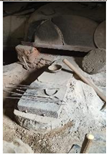
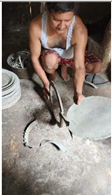
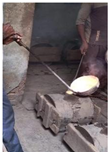
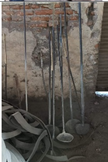
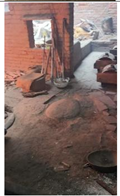
The Tamrakars, who specialize in traditional metalwork, continue their ancestral work of creating lost agricultural tools and equipment from the past. The summary needs to establish its conclusion through research tools which experts developed from their research work and studied research materials and tools. The work of metal artisans requires specific natural resources because they need clay to create furnace parts and their creation molds and wooden molds which require "Chille" wood and "Seherua" wood for furnace operation and "Tendu" wood for hammer handles and specific strong stones and Khair's wood post and natural substances which include Amla and Reetha and Amrola for cleaning rust from utensils. The metal artisans who use fire in their work need long tools which enable them to create distance from dangerous fire hazards. The workers prefer to use fewer clothes because it helps them stay safe during minor fire-related accidents.
|
S.No. |
Tool Name |
Image |
|
1 |
Anvil (Nihai): A sturdy
iron block used as a base for hammering and shaping metal. |
|
|
2 |
Hammer
(Hathoda): Used for hammering and shaping the metal. |
|
|
3 |
Chisel (Chheni): Used
for cutting or carving the metal. |
|
|
4 |
Various
Pliers (Shanshi): Available in different sizes and shapes, used for holding
and manipulating hot metals. |
|
|
5 |
Large scissors: It is
used for cutting thin sheets of metal. |
|
|
6 |
Metal
Pouring Tool: A ladle-like device attached to an iron rod for carrying molten
metal to molds. |
|
|
7 |
Metal Spreader (Chapa):
Used for spreading or flattening metal. |
|
|
8 |
Bellows
(Pankhi): Used for intensifying the fire. |
|
|
9 |
Fuel Manipulating Rods:
Long, straight, or bent rods used for moving fuel within the fire. |
|
|
10 |
Shovel
(Fawda): Used for moving clay or fuel around. |
|
|
11 |
Iron Tubs (Tasle): Used
for holding wood, coal, or other fuel for the fire. |
|
|
12 |
Sabri
(Digging Tool): Used for digging pits. |
|
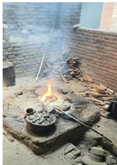
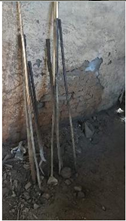
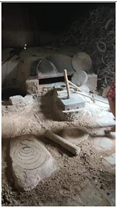
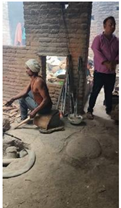
3.1. Alloy Preparation
The alloy-making process started with the measurement of exact amounts for copper and tin. The metals underwent heating in a furnace until they became molten. The metals required complete mixing to achieve uniform composition throughout the material. The metalworkers needed to master temperature control because high temperatures produced brittle metal and low temperatures resulted in contaminated alloy.
3.2. Casting and Forging
Two primary methods were employed:
· Casting: Molten Phool was poured into moulds to create basic shapes such as bells, plates, and utensils.
· Forging: Solid ingots of Phool were reheated and hammered into the desired form. This method allowed for greater variation in thickness and fine detailing.
For musical instruments like manjiras, forging was preferred to ensure a clear, resonant sound.
3.3. Finishing and Ornamentation
The process of object creation began with shaping, which was followed by the cooling and polishing stages, while some objects received simple engravings. The traditional method of polishing used a combination of tamarind and ash to create a surface that reflected light with high brightness. The decorative engraving showed minimal design work but maintained accurate execution, which typically used temple patterns and folk designs as its base.
3.4. Product Range
Historically, the Phool metal craft catered to both domestic and ritual markets, producing:
· Utensils: Plates, bowls, water storage vessels (lota), and cooking pots.
· Religious Objects: Temple bells, ritual lamps (deepdan), and panchpatra (priestly vessels).
· Musical Instruments: Manjiras and small bells for devotional music.
The domestic market which used to be the main source of production now faces production limits because consumer trends have shifted to demand temple and ceremonial products.
4. Current Practices and Status
The Phool metal craft of Unchehara which used to function as the main economic and cultural practice of the Tamrakar community now exists as a diminished enterprise operated by its current struggling metal workers. Field interviews and on-site observations reveal that only 15 artisans remain active in the trade most of them aged above 50 and with few younger successors interested in learning the skill. The demographic change presents a critical danger to the ongoing preservation of the traditional art form.
4.1. Artisan Demographics
The majority of active artisans belong to families that have practiced the craft for generations. The younger members of these households increasingly choose to pursue different career paths which include wage labor and small business operations and service sector employment. The research findings came from the conducted interviews:
· Age group: 70% above 50 years, 20% between 35–50 years, only 10% below 35 years.
· Education: Limited formal education among older artisans, which restricts their ability to engage with modern marketing and business tools.
4.2. Surviving Micro-Practices
While the full-scale production of Phool utensils for domestic use has declined drastically, certain niche applications still persist:
· Bell-making for temples within the Satna district and nearby regions.
· Manjira production for devotional music groups and regional fairs.
· Occasional ritual utensils commissioned by temples or for weddings.
These products are often custom-made and rely on established personal networks rather than open market systems.
4.3. Key Challenges Identified
·
Raw Material Costs and Availability
The price of copper and tin has risen sharply during the past twenty years because market fluctuations create difficulties for small-scale artisans who need to buy materials in bulk. The absence of local supply chains drives up expenses for businesses Mehta (2021).
·
Market Access Limitations
The craft business sells its products mainly through three distribution channels which include local fairs and direct customer orders and temple commission work. The business operates with very limited access to both urban and national markets while lacking any substantial online presence Bhatia-Kalluri (2021).
·
Generational Disengagement
Younger generations view the craft as unprofitable because it offers insufficient financial returns and requires strenuous labor and lacks modern infrastructure facilities.
·
Absence of Institutional Support
Phool craft does not receive official acknowledgment nor inclusion in state-level artisan development programs because it does not have any government schemes or training workshops or GI tagging protection which other heritage crafts have received Pattnaik (2018).
·
Current Output and Income Patterns
The artisans produce small quantities because their monthly production reaches 10 to 15 items which depends on their current order commitments. Their income fluctuates between ₹5,000 and ₹10,000 each month because they work on agricultural jobs and other small business activities.
5. Cultural and Socio-Economic Context
The Phool metal craft of Unchehara is not an isolated just simple kind of economic activity, but is instead a symbolic storehouse of culture, community identity and traditional information. The practise has over centuries determined both material and immaterial heritage of the Tamrakar community and has impacted upon social practices, economic structure, and artisanal status of the region.
5.1. Role in Community Life
In the past Phool utensils and ritual objects were directly connected to the activities and events of the community, festivals and religious activities observed throughout the seasons. The metal was frequently used to make utensils that were used at marriage ceremonies, rituals in the temples, and other festivals like the navratri and diwali which signified purity and prosperity. The craft was directly related to the spiritual life of the region as bells and manjiras were an essential part of the devotional meetings.
Production of crafts was commonly a family affair in Tamrakar households. Furnace work, alloy preparation and forging were done by men, polishing, cleaning and in some cases engraving were done by women. This division of labor strengthened the intergenerational transfer of knowledge and the craft became a tradition in the household Ghosh and Bhattacharya (2023).
5.2. Economic Importance in the Past
Phool craft used to be a consistent and main means of livelihood of the Tamrakar. Artisans served the domestic as well as regional markets and sold their products in the village market, pilgrimage centres and to the travelling merchants. The fact that the craft was being incorporated into religious economies was that the demand was generally stable throughout the year with fluctuations at the festive season.
At its zenith, the craft income was good enough to support families that did not need any additional income. This financial independence brought pride and professionalism to the artisans and made the younger generations want to learn and carry on with the business Jain (2016).
5.3. Cultural Symbolism and Identity
Phool metalware had a symbolic meaning, in addition to utility. The possession of a set of Phool utensils in many households was regarded as a cultural sophistication and traditionalism. The association of the craft with temple ceremonies made it higher and its historical background during the Gupta period associated it with a regional pride in the ancient heritage of Unchehara Roy (2012).
Caste and community identity were also upheld through the craft. The artisanal status of Tamrakar community made it stand out of the rest of the working communities, a feeling of belonging and cultural responsibility.
5.4. Decline and Socio-Economic Impact
Death of the Phool craft has had some very severe socio-economic impacts. As artisanal livelihoods were eroded, several families have moved to either low paying service employment or unskilled labor resulting in low economic security. Craft-based identity has also been lost, leading to a conclusion of communal cohesion, since the community is no longer united by practices and cultural pride Mehta (2021).
5.5. Cultural Continuity Through Micro-Practices
Nevertheless, some micro-practices, including the production of bells to be used in temples, manjira, etc. remain cultural anchorages. Small in scale, these activities do not necessarily lose any aspects of skill, symbolism and ritual connection. They are also avenues of potential access to specific revival measures, like niche marketing and integration of heritage tourism.
6. Challenges and Threats to Survival
The degradation of the Phool metal craft in Unchehara can be attributed to the interrelation between economic, social, and institutional issues that have multiplied in the last few decades. Although the craft still holds a very important cultural value, the survival of the craft is at risk due to a symbiosis of both structural and generational forces.
6.1. Economic Challenges
· Rising Raw Material Costs: Phool alloy mainly consists of copper and tin, which have experienced massive price increases over the past 2 decades because of fluctuations in the global market and supply chain availability. Artisans are saying that they have no trouble buying at least small amounts at a price that they are indebted Mehta (2021).
· Low Profit Margins: Artisans face challenges to set competitive product prices that will maintain business profitability because of their expensive raw material costs and their restricted ability to sell products in the market. The situation leads to two negative outcomes which include decreased commitment to the craft and restricted ability to acquire tools and infrastructure.
6.2. Market and Access Barriers
· Restricted Market Reach: Artisans mainly sell their products at local fairs and village markets and through temple commissions. The business suffers from stagnant demand because of its lack of online presence and connections to urban craft markets Bhatia-Kalluri (2021).
· Competition from Modern Alternatives: Mass-produced stainless steel, aluminum, and plastic utensils provide cost-effective lightweight options which require minimal maintenance for home use. Phool utensils have been replaced in daily household use by these alternative products.
6.3. Generational Disengagement
· Lack of Youth Participation: The majority of young Tamrakar community members choose to work as wage laborers or in service sector positions or they relocate to cities because they find physical work too demanding and their pay rates to be insufficient Ghosh and Bhattacharya (2023).
· Loss of Skill Transmission: The craft faces a critical risk because elder artisans face retirement or death without sharing their vital technical and design expertise which needs to be preserved for future use.
6.4. Institutional and Policy Gaps
· Absence of Formal Recognition: Phool craft does not receive government funding or visibility through its absence of GI tagging and major government craft promotion program which exists for Bidriware of Karnataka and Dhokra of Chhattisgarh. Pattnaik (2018).
· No Organized Cooperative Structure: There are no cooperatives or artisan clusters in Unchehara for joint marketing, pooling of resources, or advocacy, and this vulnerability places artisans at great risk to changes and market exploitation.
6.5. Cultural and Social Risks
· Erosion of Cultural Identity: The decline of the craft also erodes its symbolic role in the community's cultural heritage because it decreases shared traditions and decreases intergenerational cultural pride.
· Potential Loss of Ritual Practices: The complete shutdown of production operations will lead to the disappearance of all temple and ritual activities that use Phool objects for their bell ringing and manjira devotional music practices.
6.6. Summary of Threats
The threats to Phool craft survival can be summarized as:
· Economic unsustainability
· Market isolation
· Loss of skilled labor
· Lack of institutional support
· Weak cultural transmission
These challenges highlight the urgent need for targeted revival strategies that address both economic viability and cultural preservation.
7. Revival Potential and Recommendations
The Phool metal craft of Unchehara retains its authentic cultural and historical and artisanal qualities even after experiencing its significant decline. The craft can be transformed into cultural heritage through heritage branding and modern marketing methods and institutional backing.
7.1. Potential for Revival
· Cultural Uniqueness: The craft connects to the Gupta period through its historical links which together with its temple ritual usage create a strong cultural story that appeals to heritage-minded tourists and consumers Roy (2012).
· Product Differentiation: Phool utensils become different from mass-produced products through their Ayurvedic health benefits and traditional craftsmanship which define the alloy used in their production Sharma (2020).
7.2. Tourism Integration
Heritage tourism circuits in Madhya Pradesh can benefit from craft demonstrations and workshops and sales operations because of their proximity to historical and religious sites.
Recommended Strategies for Revival
7.2.1. Institutional Support and Policy Inclusion
· Apply for Geographical Indication (GI) Tagging to protect the craft’s identity and increase its market value.
· Advocate for inclusion in Development Commissioner (Handicrafts) and Madhya Pradesh Handloom and Handicrafts Development Corporation schemes.
· Lobby for financial aid through MPRDC (Madhya Pradesh Rural Development Corporation) for artisan training and infrastructure.
7.2.2. Formation of Artisan Cooperatives
· The artisans should be grouped together to create a cooperative society which will handle their collective needs for raw material purchasing and their requirements for quality standards and their shared marketing activities.
· Use the cooperative model to negotiate better prices and reduce dependence on middlemen.
7.2.3. Design-Led Innovation
· The organization needs to establish design collaborations with National Institute of Design (NID) through which they can develop new products for their tableware and decor collection.
· To retain the traditional design patterns and, progressively, to scale them down to a more discernable and genuinely pleasing size for the urban dwellings of today.
7.2.4. Digital and Market Linkages
· Train artisans in digital literacy and e-commerce.
· Partner with platforms like Amazon Karigar, GoCoop, and Okhai to reach national and global consumers Mehta (2021).
· Develop social media branding with storytelling elements that emphasize heritage and craftsmanship.
7.2.5. Skill Development and Knowledge Transfer
· Initiate formal apprenticeship programs for young community members.
· Conduct workshops to blend traditional techniques with contemporary design.
8. Conclusion
At a crossroad, the Phool metal craft of Unchehara: a tradition with strong cultural roots and centuries-old history that is in danger of being exterminated. It was a prosperous economic and social centre of the Tamrakar community that is now maintained by just a few old-aged artisans, and the lack of generational continuity. It is clear that the decline of this craft has a combination of increased prices of raw materials, isolation in the market, lack of institutional support, and a change in community idealized livelihoods to other alternatives.Nonetheless, the potential of revival remains high, as seen in the findings of this research, which concentrated on history, and present practices and challenges of the craft. The historical prestige, ritual applicability and health-related values of the craft offer a branding chance unexplored in the domestic and global markets. The fact that micro-practices like making bells and manjiras have not died yet proves that the skill base is as shaky as it is, but it still exists and can be used to deliver a more comprehensive revival strategy.
To make the craft survive, a multi-pronged strategy is necessary - a policy recognition (GI tagging and participation in government schemes), market diversification (through e-commerce platforms and heritage tourism), and design innovation (to attract the interest of modern consumers and preserve the traditional identity). Also, the ability to sustain an economic gain on artisans and prevent cultural extinction will be central to cooperative models and skill transfer programs.
It is not just a matter of economic interventions to revive the Phool metal craft; it is a matter of cultural responsibility. By continuing this tradition, one will be protecting a part of the history of Unchehara, its skills in metallurgy and the history it carries with itself. Timely intervention, stakeholder mobilization, and community involvement can help Phool craft be a source of pride generation, livelihood, and cultural connection to the area once again.
9. Limitations and Recommendations
The sample size is small and the research does not utilize the artisan sample, which might be inadequate as reflecting the diversity of the Phool craft practice in the past. The fact that the research relies on oral histories limits the research to the scope of the study. The lack of detailed archiving documents also limited the historical reconstruction, whereas the concentration on Unchehara limits the generalization.
These gaps can be filled by the systematic documentation of archives and preservation of oral history in the future, as well as government governmental interventions, like GI tagging, ODOP registration, and facilitation of artisan cards. Sustainable revival pathways may be in the form of skill-transfer workshops, integration into heritage tourism, and digital market platforms. The comparison of the flourishing metal crafts with the other socio-economic conditions can also provide valuable information to enhance the socio-economic standing of the artisans of Unchehara.
CONFLICT OF INTERESTS
None.
ACKNOWLEDGMENTS
None.
REFERENCES
Bhatia-Kalluri, A. (2021). E-Commerce for Rural Micro-Entrepreneurs: Mapping Restrictions, Ecologies of Use and Trends for Development. arXiv.
Das, S. (2024). The Lost-Wax Technique of Dokra Art: An Empirical Study on Bikna Village of Bankura, West Bengal. International Education and Research Journal, 10(8). https://doi.org/10.21276/IERJ24537157334322
Dutta, R., and Chanu, S. (2025). Bell Metal Craft of Assam: An Economic Sustainability Approach. Journal of Traditional Art Studies, 9(1), 33–44.
Ghosh, A., and Bhattacharya, T. (2023). Assessment of the Issues and Opportunities of the Traditional Brass and Bell Metal Crafts of Birbhum District, West Bengal. ShodhKosh: Journal of Visual and Performing Arts, 5(1), 980–991. https://doi.org/10.29121/shodhkosh.v4.i2CDSDAD.2023.572
Jain, J. (2016). Handmade in India: Artisan Livelihoods and Craft Revival Strategies.
National Institute of Design Press.
Mehta, S. (2021). Digital Empowerment of Rural Artisans: A Study on Online Craft Marketing Platforms in India. International Journal of Rural Management, 17(1), 45–58.
Pandey, A. (2016). Bidri Ware: A Unique Metal Craft of India. International Journal of Research - Granthaalayah, 4(3), 170–175. https://doi.org/10.29121/granthaalayah.v4.i3.2016.2799
Pattnaik, S. (2018). Revival of Kansari Craft in Odisha through Design Intervention. Indian Crafts Journal, 12(2), 88–94.
Roy, T. (2012). India in the World Economy: From Antiquity to the Present. Cambridge University Press. https://doi.org/10.1017/CBO9780511920516
Sahu, B. (2020). Traditional Knowledge on Dhokra Craft of Mayurbhanj. International Journal of Conservation Science, 15, 219–230.
Saxena, A., and Pandey, S. (2023). Design for Sustainability using a Craft-Based Human-Centric Approach. Journal of Design Research, 21(1), 21–37. https://doi.org/10.29121/shodhkosh.v5.i1.2024.774
Sharma, A. (2020). Sustainability of Dhokra Artisans in Chhattisgarh: A Case Study of
Bastar Region. Art and Heritage Quarterly, 14(3), 47–54.
Waghmare, N. A. (2018). Scientific and Technical Study of Bidriware. International Journal of Management, Technology and Engineering, 8(7), 773–782.
Walia, M., Datt, S., and Brar, T. (2024). Comparative Analysis of Design Thinking Process and Traditional Craft Practices of Rajasthan. ShodhKosh: Journal of Visual and Performing Arts, 5(1), 1262–1275. https://doi.org/10.29121/shodhkosh.v5.i1.2024.989
|
|
 This work is licensed under a: Creative Commons Attribution 4.0 International License
© ShodhKosh 2026. All Rights Reserved.