ShodhKosh: Journal of Visual and Performing ArtsISSN (Online): 2582-7472
|
|
Digital Platforms and Globalization of Performing Arts
Arivukkodi R 1 , Anitha M 2
 , Sivasankari
V 3
, Sivasankari
V 3 , Baskaran
Kuppusamy 4
, Baskaran
Kuppusamy 4 ,
Durga B 5
,
Durga B 5 , Srimathi
N 6
, Srimathi
N 6
1 Department
of Computer Science, Meenakshi College of Arts and Science, Meenakshi Academy
of Higher Education and Research, India
2 Assistant
Professor, Department of Mathematics, Meenakshi College of Arts and Science,
Meenakshi Academy of Higher Education and Research, India
3 Assistant Professor, Department of Mathematics, Meenakshi College of
Arts and Science, Meenakshi Academy of Higher Education and Research, India
4 Scientist, Central Research Laboratory, Meenakshi Medical College
Hospital and Research Institute, Meenakshi Academy of Higher Education and
Research, India
5 Associate Professor, Meenakshi College of Allied Health Sciences,
Meenakshi Academy of Higher Education and Research, India
6 Assistant Professor, Arulmigu Meenakshi College of Nursing, Meenakshi
Academy of Higher Education and Research, Tamil Nadu, India
|
|
|
ABSTRACT |
|
|
The rapid advancement of digital technologies has significantly transformed the landscape of performing arts, enabling unprecedented levels of global connectivity and audience engagement. Digital platforms such as streaming services, social media networks, and virtual performance spaces have redefined how performing arts—including theatre, dance, and music—are produced, distributed, and consumed worldwide. This globalization through digitalization has allowed artists and cultural institutions to transcend geographical limitations, making performances accessible to diverse audiences across continents. As a result, digital platforms have become essential tools for cultural exchange, preservation, and innovation in the performing arts sector. This study explores the role of digital platforms in facilitating the globalization of performing arts and examines how technological advancements have reshaped artistic production, audience participation, and cultural dissemination. The research analyzes the opportunities offered by digital platforms, such as increased visibility for artists, new revenue models, and interactive audience experiences. At the same time, it addresses key challenges including digital inequality, copyright protection, authenticity of live performances, and the commercialization of cultural expressions. Furthermore, the paper investigates how performing artists and organizations adapt their creative practices to suit digital environments through hybrid and virtual performances. The study also evaluates the impact of digital globalization on cultural diversity and the preservation of traditional art forms. By examining case studies and current digital trends, this research highlights the transformative potential of digital platforms in sustaining and expanding the global reach of performing arts while maintaining cultural integrity. The findings aim to provide insights for artists, cultural institutions, and policymakers on effectively leveraging digital technologies for the sustainable development of the performing arts industry. |
|||
|
Received 15 December 2025 Accepted 27 March
2026 Published 03 April 2026 Corresponding Author Arivukkodi
R, arivukodir@maher.ac.in DOI 10.29121/shodhkosh.v7.i3s.2026.7338 Funding: This research
received no specific grant from any funding agency in the public, commercial,
or not-for-profit sectors. Copyright: © 2026 The
Author(s). This work is licensed under a Creative Commons
Attribution 4.0 International License. With the
license CC-BY, authors retain the copyright, allowing anyone to download,
reuse, re-print, modify, distribute, and/or copy their contribution. The work
must be properly attributed to its author.
|
|||
|
Keywords: Digital Platforms, Globalization, Performing Arts,
Cultural Exchange, Virtual Performances, Digital Media |
|||



1. INTRODUCTION
Performing arts have long been an essential component of human culture and social expression. Forms such as theatre, dance, music, and live performances have historically served as mediums for storytelling, cultural preservation, and community engagement. Traditionally, these art forms were limited by geographical boundaries, physical venues, and the availability of audiences who could attend performances in person. Cultural exchange in performing arts largely depended on international tours, festivals, and collaborations among artists from different regions. While these methods enabled the sharing of artistic traditions, they also posed challenges such as high costs, limited accessibility, and restricted audience reach.
The emergence of digital technology has dramatically reshaped the way performing arts are produced, distributed, and experienced. With the increasing availability of the internet and digital communication technologies, artists and cultural institutions are no longer confined to traditional performance spaces. Instead, digital environments have opened new possibilities for sharing performances globally. The integration of digital platforms into the performing arts ecosystem has created opportunities for wider cultural dissemination, allowing artists to connect with audiences across different countries and cultural backgrounds. As a result, the globalization of performing arts has accelerated in recent years, particularly with the rise of online platforms and digital media tools.
1.1. Concept of Performing Arts in the Digital Era
In the digital era, the concept of performing arts has expanded beyond conventional live performances to include virtual, hybrid, and digitally mediated experiences. Digital technologies have enabled performances to be recorded, streamed, and shared through various online platforms, allowing audiences to experience artistic productions regardless of their location. This transformation has redefined the traditional relationship between performers and audiences by introducing new forms of interaction and engagement.
Digital performing arts involve the integration of technologies such as live streaming, virtual reality (VR), augmented reality (AR), and interactive multimedia into artistic performances. These technologies enhance the visual and auditory experience of audiences while enabling innovative storytelling techniques. For instance, artists can now incorporate digital projections, motion capture, and immersive environments to create performances that blend physical and virtual elements.
Furthermore, digital platforms have allowed emerging artists to showcase their talent without the need for traditional institutional support. Independent performers can share their work through online channels and build global audiences. This democratization of artistic production has contributed to a more inclusive performing arts ecosystem where artists from diverse cultural and socio-economic backgrounds can participate and gain recognition.
1.2. Growth of Digital Platforms and Globalization
The rapid growth of digital platforms has played a crucial role in accelerating the globalization of performing arts. Platforms such as video-sharing websites, social media networks, and streaming services have transformed the distribution of artistic content by enabling performances to reach global audiences instantly. Through these platforms, artists can promote their work, interact with viewers, and collaborate with other performers across geographical boundaries.
Digital platforms have also facilitated cross-cultural exchange by exposing audiences to diverse artistic traditions and cultural expressions. For example, traditional dance forms, theatre performances, and musical genres from one region can now be easily accessed by audiences worldwide. This accessibility promotes cultural appreciation and encourages creative collaborations among artists from different cultural backgrounds.
In addition, the COVID-19 pandemic significantly accelerated the adoption of digital platforms in the performing arts sector. With physical venues temporarily closed, many artists and cultural organizations turned to online platforms to continue their performances. Virtual concerts, online theatre productions, and digital dance performances became widely popular during this period. These developments demonstrated the potential of digital platforms to sustain artistic activities even in challenging circumstances and highlighted their role in expanding the global reach of performing arts.
1.3. Importance of Digital Transformation in Performing Arts
Digital transformation has become increasingly important for the sustainability and growth of the performing arts industry. By adopting digital technologies, artists and cultural institutions can reach wider audiences, diversify revenue streams, and enhance audience engagement. Online platforms provide opportunities for ticketed virtual performances, subscription-based content, and crowdfunding initiatives, which support artists financially while enabling audiences to access performances conveniently.
Moreover, digital transformation plays a vital role in preserving and documenting cultural heritage. Traditional performing arts that may be at risk of fading due to changing societal trends can be recorded and archived through digital media. This digital preservation ensures that future generations can access and learn about diverse cultural traditions.
Another significant advantage of digital transformation is the ability to create interactive and immersive experiences for audiences. Technologies such as AR and VR allow audiences to participate in performances in ways that were previously unimaginable. These innovations not only enhance audience engagement but also attract younger generations who are accustomed to digital media and interactive content.
Despite these benefits, digital transformation also presents challenges. Issues such as intellectual property rights, digital inequality, and maintaining the authenticity of live performances remain important concerns. Therefore, balancing technological innovation with cultural authenticity is essential for the sustainable development of performing arts in the digital age.
1.4. Objectives of the Study
The primary objective of this study is to examine the role of digital platforms in facilitating the globalization of performing arts. Specifically, the study aims to:
· Analyze how digital platforms have transformed the production, distribution, and consumption of performing arts.
· Explore the impact of digital technologies on audience engagement and artistic creativity.
· Investigate the role of digital platforms in promoting cross-cultural exchange and global accessibility of performing arts.
· Identify the opportunities and challenges associated with the digital transformation of performing arts.
· Provide insights and recommendations for artists, cultural institutions, and policymakers to effectively utilize digital platforms for the sustainable growth of performing arts.
Through these objectives, the study seeks to contribute to a deeper understanding of how digital technologies are reshaping the global performing arts landscape and how stakeholders can leverage these innovations to support artistic development and cultural exchange.
2. Literature Review
The rapid growth of digital technologies has significantly transformed the landscape of performing arts, enabling new forms of creation, distribution, and audience engagement. Recent research has focused on the integration of digital platforms, artificial intelligence, streaming technologies, and immersive media in theatre, music, and dance performances. These studies highlight both the opportunities and challenges associated with the globalization and digital transformation of performing arts.
Evci et al. (2025) examined how disruptive events, particularly the COVID-19 pandemic, accelerated the digital transformation of theatre and performing arts. Their study used a systematic literature review and semi-structured interviews with professionals to analyze how digital platforms reshaped the production, distribution, and consumption of performances. The findings highlight that crises can act as catalysts for technological adoption, increasing the integration of digital tools and online platforms in artistic practices. The authors also emphasize changes in audience engagement and economic models, while recommending policy support and innovative strategies to address challenges such as the digital divide in the performing arts sector. Zhou and Bidin (2025) examined how low-latency streaming technologies can facilitate real-time music collaboration across geographically distant regions. Their study proposed a technical framework using the JackTrip protocol to enable high-quality audio transmission with minimal delay, which is essential for synchronous musical performances. The research highlights that traditional internet infrastructure often creates latency issues that hinder live collaboration among musicians in different locations. By introducing optimized streaming frameworks, the study demonstrates how digital platforms can bridge both technological and cultural divides. The findings suggest that improved digital connectivity enables musicians to collaborate internationally, expand creative possibilities, and develop new forms of digital performances, thereby supporting the globalization of performing arts through advanced networking technologies. Johansson et al. (2025) explored the development of a comprehensive digital knowledge base designed to support arts inclusion and the preservation of multimodal cultural heritage. Their research emphasizes the importance of digital archives that capture diverse forms of artistic expression, including audio, video, images, and performance documentation. The study highlights how digital repositories allow cultural institutions to store, organize, and share performing arts materials with global audiences and researchers. By integrating advanced data management and digital humanities techniques, the proposed system improves accessibility and supports interdisciplinary research in the arts. The authors conclude that digital archival platforms play a crucial role in preserving cultural heritage while enabling broader participation, knowledge sharing, and long-term sustainability of performing arts in the digital era.
Fang and Jiang (2024) investigated the integration of artificial intelligence (AI) and Internet of Things (IoT) technologies in art education and digital artistic practices. Their study analyzed how AI-driven digital tools can enhance artistic learning environments by enabling interactive content creation, real-time feedback, and personalized educational experiences. The authors highlight that IoT-supported platforms allow students and artists to access digital resources, virtual studios, and collaborative environments regardless of location. The findings indicate that AI technologies can significantly improve creativity, efficiency, and accessibility in art education. Furthermore, the research emphasizes that the adoption of intelligent digital systems is transforming how artistic skills are developed and shared, contributing to the broader digital transformation of performing and visual arts. Akil (2024) examined the transformation of the global music industry within a highly mediatized digital environment. The study explored how digital platforms, streaming services, and social media networks have reshaped music production, distribution, and consumption patterns. The research highlights that artists increasingly rely on digital platforms to promote their work, reach international audiences, and establish direct communication with fans. While digital media has expanded opportunities for global exposure and collaboration, the study also identifies several challenges, including copyright protection, market competition, and the dominance of large streaming platforms. The author concludes that the digitalization of the music industry has significantly influenced artistic practices and economic models, making digital media an essential component of modern performing arts. Francksen (2024) explored how live performances are evolving within digital environments and how these transformations affect audience experience and presence. The study analyzed performances conducted through online platforms and virtual spaces, focusing on the ways in which digital mediation alters traditional performer–audience relationships. The author argues that digital environments create new forms of presence where audiences can participate remotely while still experiencing elements of live performance. The research also discusses how artists adapt staging, choreography, and visual elements to suit digital platforms. The findings suggest that digital technologies expand the accessibility of performing arts while encouraging innovative artistic expressions, ultimately reshaping the meaning of “liveness” in contemporary performance practices. Bay‑Cheng (2023) examined the rapid expansion of digital theatre and media practices during the COVID-19 pandemic and their influence on contemporary performance culture. The study explored how theatres adopted digital platforms such as livestreaming, video recordings, and online collaborations to maintain audience engagement during periods of social distancing. The author discusses both the opportunities and limitations of digital performance, emphasizing how digital media enables wider accessibility and global reach for theatrical productions. At the same time, the research highlights challenges related to technological mediation, audience interaction, and the preservation of theatrical authenticity. The findings suggest that the pandemic accelerated digital experimentation in theatre, permanently influencing how performances are produced, distributed, and experienced in the digital era. Otto (2023) analyzed how the performing arts sector responded to the disruptions caused by the pandemic by experimenting with digital technologies and data-driven performance practices. The study focused on how theatre practitioners incorporated digital platforms, big data, and remote collaboration tools to develop innovative performance formats. Otto emphasized that digital technologies allowed artists to reimagine theatrical spaces and audience participation beyond traditional stage environments. The research also highlighted the emergence of new artistic methodologies that combine performance with digital analytics and audience interaction. The findings indicate that these experimental practices not only helped sustain theatrical activities during the crisis but also contributed to long-term changes in artistic production, audience engagement, and the technological evolution of theatre.
Kim et al. (2022) investigated distribution strategies for dance performances using over-the-top (OTT) streaming platforms in the post-COVID-19 era. The study employed a modified importance–performance analysis to evaluate the effectiveness of digital distribution channels for performing arts content. The authors found that OTT platforms significantly improve the accessibility and visibility of dance performances by enabling artists to reach international audiences. Additionally, the research highlights the role of streaming services in supporting new business models and expanding revenue opportunities for performers and cultural organizations. The study concludes that digital streaming platforms will continue to play an important role in the future development of performing arts by combining traditional stage performances with online distribution strategies. Sermon (2022) explored the concept of telepresence theatre, where performances are conducted across geographically separated locations using advanced communication technologies. The study examined how digital networks, video streaming, and interactive platforms enable performers in different physical spaces to appear and interact within a shared virtual stage. This approach allows artists and audiences from various regions to participate in a single theatrical experience without the need for physical travel. The research highlights that telepresence technologies expand creative possibilities in theatre production and foster international collaboration among performers. The findings suggest that digital connectivity not only enhances artistic experimentation but also supports the globalization of performing arts by enabling performances to transcend spatial and geographical limitations. Alizadeh (2022) investigated the role of theatre in digital environments as a tool for promoting mental health awareness and social engagement. The study examined how online theatre performances and digital storytelling platforms can be used to address psychological and social issues while encouraging community participation. The research highlights that digital theatre enables wider audience reach, particularly for individuals who may face barriers to attending traditional performances. Through interactive online performances and discussions, theatre practitioners can foster meaningful dialogue and emotional connection among audiences. The findings demonstrate that digital platforms not only transform artistic presentation but also contribute to social well-being by creating inclusive spaces for communication, education, and cultural expression. Houlihan (2022) analyzed the rapid shift toward digital performance practices during the COVID-19 pandemic and its implications for the performing arts sector. The study examined how theatre practitioners adopted online platforms, live streaming, and virtual performance formats to continue engaging with audiences despite restrictions on physical gatherings. The research emphasizes that digital performance allowed artists to maintain creative activity while reaching broader and more diverse audiences worldwide. However, the study also notes challenges such as technological limitations, reduced audience interaction, and questions about maintaining the authenticity of live performance. Houlihan concludes that the pandemic accelerated the integration of digital technologies into theatre practices, influencing the long-term evolution of performing arts in the digital age.
Puggioni et al. (2021) introduced ScoolAR, an educational platform that utilizes virtual reality (VR) technologies to enhance interactive learning experiences. The study demonstrates how immersive VR environments allow students to engage with digital content in a more visual and experiential manner compared to traditional learning approaches. By integrating augmented and virtual reality tools, the platform enables users to interact with 3D models, simulations, and collaborative virtual environments. Although the research focuses on education, its findings highlight the broader potential of immersive technologies in creative and cultural fields. The authors emphasize that VR-based platforms can also be applied to artistic training, performance simulations, and virtual stage environments, supporting innovation and audience engagement in modern performing arts. Couraud et al. (2020) proposed a design framework for low-complexity NFC-RFID inductively coupled antennas aimed at improving wireless communication efficiency in smart devices. The research focuses on optimizing antenna design for reliable data transmission in connected environments while maintaining low power consumption and reduced system complexity. Although the primary focus is on communication engineering, the study contributes to the broader development of Internet of Things (IoT) technologies that support digital platforms and connected media systems. Such wireless communication technologies play an important role in enabling seamless connectivity among smart devices, mobile platforms, and interactive systems that are increasingly used in digital entertainment, live streaming, and technologically enhanced performing arts environments. Al‑Hammadi et al. (2020) developed a deep learning-based system for sign language gesture recognition using efficient hand gesture representation techniques. The study employed advanced neural network models to accurately detect and classify hand gestures from video inputs, improving communication accessibility for individuals with hearing impairments. The proposed approach achieved high recognition accuracy and demonstrated the effectiveness of deep learning in interpreting complex visual gestures. The research highlights the importance of intelligent recognition systems in enabling more inclusive digital communication. In the context of performing arts and digital media, such gesture recognition technologies can support interactive performances, motion-based artistic expression, and accessible audience participation in digital and virtual performance environments.
Table 1
|
Table 1 Comparative Analysis of Literature Review |
||||
|
Author & Ref. No. |
Methodology Used |
Datasets Used |
Advantages |
Results |
|
Evci et al. (2025) |
Systematic literature
review and semi-structured interviews to analyze digital transformation in
performing arts |
Case studies and
interview data from theatre professionals |
Identifies role of
disruptive events in accelerating digital transformation |
Demonstrated that
crises like COVID-19 significantly accelerate digital adoption in theatre
production and distribution |
|
Zhou and Bidin (2025) |
Development of
low-latency streaming framework using JackTrip protocol |
Experimental streaming
data and network performance tests |
Enables real-time
remote music collaboration |
Achieved improved
audio synchronization and reduced latency for distributed music performances |
|
Johansson et al. (2025) |
Digital humanities
framework for multimodal cultural heritage archives |
Multimodal cultural
heritage data (audio, video, documents) |
Supports preservation
and accessibility of performing arts |
Developed a digital
knowledge base improving archival access and cultural inclusion |
|
Fang and Jiang (2024) |
AI and IoT-based
digital learning system for art education |
IoT-generated
educational data and digital art learning datasets |
Enhances personalized
and interactive art education |
Improved learning
engagement and efficiency using AI-driven educational platforms |
|
Akil (2024) |
Qualitative analysis
of digital transformation in the music industry |
Industry reports,
media data, and digital platform observations |
Identifies emerging
digital revenue and distribution models |
Shows how streaming
platforms reshape music production and artist visibility |
|
Francksen (2024) |
Conceptual analysis of
digital performance environments |
Case examples of
online performances |
Explores
transformation of audience presence in digital spaces |
Demonstrates how
digital platforms redefine the concept of live performance |
|
Bay‑Cheng (2023) |
Critical analysis of
digital theatre during pandemic |
Online theatre
productions and digital media performances |
Highlights
opportunities and limitations of digital theatre |
Shows increased
accessibility but challenges in maintaining theatrical authenticity |
|
Otto (2023) |
Experimental
performance studies using digital tools and big data |
Digital theatre
experiments and performance data |
Encourages new digital
performance methodologies |
Demonstrates
innovative approaches integrating big data with theatre production |
|
Kim et al. (2022) |
Modified
Importance–Performance Analysis (IPA) for OTT distribution strategies |
Survey data from OTT
dance performance audiences |
Identifies effective
strategies for streaming performing arts |
Shows OTT platforms
enhance accessibility and global reach of dance performances |
|
Sermon (2022) |
Telepresence theatre
using networked communication systems |
Remote stage
performance experiments |
Enables geographically
distributed theatre performances |
Demonstrates
feasibility of interactive performances across remote locations |
|
Alizadeh (2022) |
Digital theatre
applications for mental health engagement |
Online theatre
sessions and participant feedback |
Promotes social
engagement and mental health awareness |
Digital theatre shown
to increase community participation and dialogue |
|
Houlihan (2022) |
Analytical study of
digital performance practices during COVID-19 |
Online performance
case studies |
Explores digital
adaptation strategies for theatre |
Demonstrates how
digital tools sustain performing arts during disruptions |
|
Puggioni et al. (2021). |
Virtual Reality (VR)
educational platform (ScoolAR) |
Interactive VR
educational datasets |
Provides immersive
learning environments |
Improves engagement
and interactive learning experiences |
|
Couraud et al. (2020) |
NFC-RFID antenna
design framework using inductive coupling |
Simulation and
hardware testing datasets |
Efficient
communication for IoT-enabled systems |
Achieved
low-complexity antenna design with improved communication efficiency |
|
Al‑Hammadi et al. (2020) |
Deep learning-based
sign language gesture recognition |
Sign language gesture
image/video datasets |
Improves accessibility
and gesture recognition accuracy |
Achieved high
classification accuracy for gesture recognition using deep neural networks |
The comparative analysis table summarizes key research studies related to digital transformation in performing arts and digital technologies. It highlights the methodologies, datasets, advantages, and results of each study, allowing a clear comparison of existing approaches. This analysis helps identify current technological trends and research gaps in digital platforms and globalization of performing arts. Banerjee and Hazarika (2014)
3. Digital Platforms in Performing Arts
Figure 1
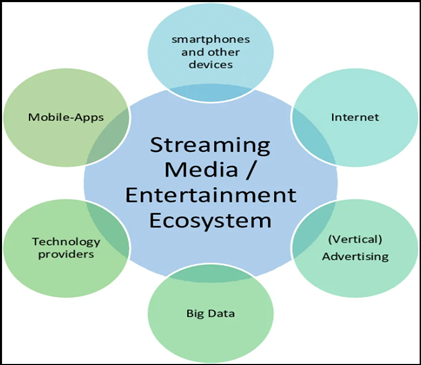
Figure 1 Framework Diagram for Digital Ecosystem of Performing Arts
The Figure 1 represents the Streaming Media and Entertainment Ecosystem, highlighting the key technological components that support digital content distribution. Elements such as smartphones and other devices, the internet, mobile apps, technology providers, big data, and advertising work together to enable seamless streaming services. These interconnected components facilitate the creation, delivery, and monetization of digital entertainment content. In the context of performing arts, this ecosystem allows artists and organizations to distribute performances globally through digital platforms.
3.1. Platforms such as YouTube, Streaming Services, and Social Media
The emergence of digital platforms has significantly transformed the performing arts industry by providing new channels for distribution, promotion, and audience interaction. Platforms such as YouTube, streaming services, and social media networks have enabled artists, performers, and cultural organizations to share their work with global audiences without the limitations of physical venues. These platforms have democratized the performing arts sector by allowing independent artists and smaller cultural groups to gain visibility alongside established institutions. Vasanthan, and Nandhini (2022)
YouTube has become one of the most widely used platforms for sharing performing arts content. Musicians, dancers, theatre groups, and performance artists can upload recordings of their performances, rehearsals, and behind-the-scenes content. This accessibility enables artists to build a global fan base and reach audiences who may not have the opportunity to attend live performances. Additionally, YouTube allows artists to monetize their content through advertisements, memberships, and sponsorships, thereby creating alternative revenue streams.
Streaming services have also contributed to the digital transformation of performing arts. Many cultural institutions and performing arts organizations now broadcast live performances through dedicated streaming platforms. Concerts, theatrical productions, and dance performances are often streamed live or made available on-demand, allowing audiences to watch performances from any location. These services enhance accessibility and enable cultural institutions to maintain audience engagement even when in-person attendance is limited.
pSocial media platforms play a crucial role in promoting performing arts and fostering interaction between artists and audiences. Platforms such as Instagram, Facebook, and TikTok allow performers to share short clips, promotional content, rehearsal footage, and live sessions. Social media also encourages audience participation through comments, shares, and interactive features. As a result, these platforms have become powerful tools for marketing, audience development, and community building within the performing arts ecosystem. Garg et al. (2025)
3.2. Virtual Concerts, Online Theatre, and Digital Dance Performances
The integration of digital technologies has led to the development of new formats of performing arts such as virtual concerts, online theatre productions, and digital dance performances. These formats allow artists to present performances in virtual environments while maintaining artistic creativity and audience engagement.
Virtual concerts have become increasingly popular, particularly during global events such as the COVID-19 pandemic when physical gatherings were restricted. Artists began hosting live concerts through streaming platforms, enabling audiences to attend performances from their homes. Similarly, theatre companies started producing online theatre performances that could be streamed live or recorded for later viewing.
Digital dance performances have also evolved through the use of multimedia technologies. Choreographers often incorporate digital projections, video editing, and virtual stage designs to enhance the visual experience. These performances combine traditional dance techniques with digital storytelling, creating innovative artistic expressions.
To illustrate the various forms of digital performances, Table 2 presents different types of digital performing arts and their key characteristics.
Table 2
|
Table 2 Types of Digital Performing Arts and Their Features |
|||
|
Type of Digital
Performance |
Description |
Key Technologies Used |
Benefits |
|
Virtual Concerts |
Music performances
streamed live or recorded for online audiences |
Live streaming,
digital audio systems, online ticketing |
Global audience reach,
convenient access, real-time interaction |
|
Online Theatre |
Theatre productions
broadcast through digital platforms |
Video streaming,
digital stage design, multimedia editing |
Wider accessibility,
preservation of theatrical works |
|
Digital Dance
Performances |
Dance performances
enhanced with digital visuals and editing |
Motion capture, video
projection, AR/VR technologies |
Creative expression,
immersive visual experience |
|
Hybrid Performances |
Combination of live
stage performance with online streaming |
Live broadcast
technology, multi-camera setups |
Engagement of both
physical and virtual audiences |
Table 2 demonstrates how digital technologies enable performing arts to evolve while maintaining artistic integrity.
3.3. Audience Engagement through Interactive Technologies
Audience engagement is a fundamental aspect of performing arts, and digital technologies have introduced new ways for audiences to interact with performances. Interactive technologies allow audiences to participate in performances rather than simply observing them, thereby creating more immersive experiences. Live streaming platforms often include features such as live chat, reactions, and virtual applause, allowing audiences to communicate with performers in real time. These interactions help recreate the sense of connection typically experienced during live performances. Additionally, performers can respond to audience comments, requests, or feedback during live broadcasts, making performances more dynamic and engaging. Another significant development in audience engagement is the use of immersive technologies such as virtual reality (VR) and augmented reality (AR). VR environments allow audiences to experience performances in a simulated virtual space where they can move around and observe the performance from different perspectives. Similarly, AR technology overlays digital elements onto real-world environments, enhancing the visual and interactive aspects of performances. Gamification and interactive storytelling are also emerging trends in digital performing arts. Some performances incorporate interactive elements where audience members can influence the storyline or participate in creative decision-making. This participatory approach strengthens the relationship between performers and audiences while creating unique and personalized experiences. Overall, digital platforms and interactive technologies have transformed the way audiences engage with performing arts. By combining creativity with technological innovation, artists can create engaging, accessible, and globally connected performances that redefine the traditional boundaries of artistic expression. Moulick et al. (2025)
4. Globalization of Performing Arts
Figure 2
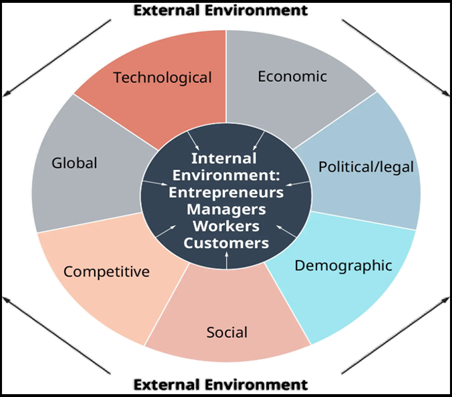
Figure 2 Globalization Flow of Performing Arts
The Figure 2 illustrates how the internal environment of an organization—comprising entrepreneurs, managers, workers, and customers—is influenced by various external environmental factors. These external factors include technological, economic, political/legal, demographic, social, competitive, and global elements, which collectively shape organizational decisions and strategies. The model highlights that organizations must continuously adapt to these external conditions to remain competitive and sustainable. In the context of performing arts, such factors influence how digital platforms, audience behavior, and global cultural interactions evolve. Rawandale and Kolte (2019)
4.1. Cross-Cultural Collaborations
Globalization has significantly influenced the performing arts by encouraging collaboration among artists from diverse cultural backgrounds. With the advancement of communication technologies and digital platforms, artists are now able to connect, share ideas, and collaborate on creative projects regardless of geographical boundaries. These cross-cultural collaborations allow performers to integrate different artistic traditions, techniques, and styles, resulting in innovative and unique performances.
Collaborative projects between artists from different countries have become increasingly common in music, theatre, and dance. For instance, musicians from different cultural traditions may combine classical, folk, and contemporary musical elements to produce new genres and performance styles. Similarly, theatre productions often incorporate storytelling techniques, costumes, and performance methods from multiple cultures. These collaborations enrich artistic creativity and broaden the perspectives of both performers and audiences. Vijayakumar et al. (2026)
Digital communication tools such as video conferencing, online rehearsal platforms, and collaborative production software have further facilitated cross-cultural partnerships. Artists can now rehearse together remotely, exchange creative ideas in real time, and produce performances without the need for extensive travel. Such collaborations not only enhance artistic innovation but also strengthen international relationships and cultural understanding among communities.
4.2. International Audience Reach
One of the most significant impacts of globalization on performing arts is the ability to reach international audiences. Traditionally, performances were limited to audiences who could physically attend events at theatres, concert halls, or cultural festivals. However, digital technologies have removed these geographical barriers, enabling performances to be viewed by audiences across the world. Through online streaming, recorded performances, and social media platforms, artists can now present their work to global audiences instantly. This expanded reach provides performers with greater exposure and recognition, allowing them to build international fan bases. Emerging artists, who may have limited opportunities to perform in traditional venues, can gain visibility by sharing their performances online.
For audiences, globalization provides access to a diverse range of cultural performances that may not be available locally. Viewers can experience traditional dance forms, theatrical productions, and musical performances from different regions of the world. This increased accessibility promotes cultural appreciation and awareness among global audiences. Furthermore, international audience reach has economic benefits for the performing arts industry. Artists and organizations can generate revenue through online ticket sales, digital subscriptions, and virtual event participation. By reaching broader audiences, performing arts institutions can expand their financial sustainability and continue producing high-quality artistic content.
4.3. Cultural Exchange and Hybrid Art Forms
Globalization has also fostered cultural exchange and the development of hybrid art forms in performing arts. When artists interact with different cultural traditions, they often incorporate elements from various artistic practices into their performances. This blending of cultural influences leads to the creation of hybrid art forms that combine traditional and contemporary elements.
Hybrid performances may include the fusion of classical dance with modern choreography, the integration of traditional musical instruments with electronic music, or the adaptation of cultural narratives into contemporary theatrical productions. These artistic innovations reflect the dynamic nature of global culture and demonstrate how performing arts evolve through interaction and exchange.
Cultural exchange through performing arts also plays a crucial role in promoting mutual understanding and respect among societies. By sharing artistic traditions with international audiences, performers contribute to the preservation and appreciation of cultural heritage. At the same time, audiences gain exposure to diverse cultural perspectives, which can foster greater cultural sensitivity and global awareness.
However, the globalization of performing arts also raises important considerations regarding cultural authenticity and representation. While hybrid art forms can promote creativity, it is essential to ensure that cultural elements are represented respectfully and accurately. Artists and cultural institutions must strive to balance innovation with the preservation of traditional artistic values.
In conclusion, globalization has transformed the performing arts by facilitating cross-cultural collaborations, expanding international audience reach, and encouraging cultural exchange through hybrid artistic forms. These developments have enriched the global cultural landscape and created new opportunities for artistic expression and intercultural dialogue.
4.4. Challenges in Digital Performing Arts
Table 3
|
Table 3 Challenges in Digital Performing Arts |
|||
|
Challenge |
Description |
Impact on Performing
Arts |
Possible Solutions |
|
Copyright and
Intellectual Property Issues |
Digital distribution
makes it easier for performances to be copied, shared, or redistributed
without permission from creators. |
Artists and
organizations may lose control over their creative works and face financial
losses due to piracy or unauthorized use. |
Implementation of
strong copyright policies, digital rights management (DRM), licensing
agreements, and legal frameworks to protect artistic content. |
|
Digital Divide and
Accessibility |
Not all artists and
audiences have equal access to high-speed internet, digital devices, or
technological resources. |
Limits participation
from artists in underdeveloped regions and restricts audiences who cannot
access online performances. |
Investment in digital
infrastructure, affordable internet access, and training programs to improve
digital literacy and inclusivity. |
|
Authenticity of Live
Performance Experiences |
Digital performances
may lack the emotional intensity and immersive atmosphere that traditional
live performances provide. |
Audience engagement
may be reduced, and the unique interaction between performers and live
audiences may be diminished. |
Development of hybrid
performances, use of immersive technologies such as AR/VR, and interactive
features to enhance audience engagement. |
5. Opportunities
The integration of digital platforms into the performing arts sector has created numerous opportunities for artists, cultural organizations, and audiences. With the advancement of digital technologies, performing arts are no longer restricted to physical venues or local audiences. Instead, artists can now showcase their performances to a global audience, explore new economic opportunities, and preserve traditional art forms through digital documentation. These opportunities have significantly contributed to the expansion and sustainability of the performing arts industry in the digital age.
5.1. Global Visibility for Artists
One of the most significant advantages of digital platforms is the global visibility they offer to performing artists. Traditionally, artists relied on live performances in theatres, concert halls, or cultural festivals to reach audiences. These opportunities were often limited by geographical boundaries, financial constraints, and logistical challenges. However, digital platforms such as streaming services and social media have enabled artists to share their performances with audiences worldwide.
Through online platforms, performers can upload videos, live-stream performances, and interact with audiences in real time. This accessibility allows artists from different cultural and regional backgrounds to present their work to international viewers who may not have access to these performances otherwise. As a result, emerging artists can gain recognition and establish a global presence without depending solely on traditional cultural institutions or large production companies. In addition, digital visibility promotes cultural diversity by allowing audiences to explore a wide range of artistic traditions and performance styles from different parts of the world. Audiences can experience traditional dances, theatrical productions, and musical performances from various cultures, which contributes to greater cultural awareness and appreciation.
5.2. New Economic and Revenue Models
Digital transformation has also introduced innovative economic opportunities for performing artists and cultural organizations. In the past, revenue for performing arts primarily depended on ticket sales from live events and funding from cultural institutions or sponsors. However, digital platforms have enabled the development of new revenue models that support the financial sustainability of artists.
· Online streaming services allow artists to host virtual performances that audiences can access through paid subscriptions or ticketed events. Additionally, artists can generate income through digital advertisements, brand collaborations, and sponsorships on online platforms. Crowdfunding and online donation platforms also allow audiences to directly support performers, creating a stronger connection between artists and their supporters.
· Another important revenue model is the creation of exclusive digital content for members or subscribers. Artists can offer behind-the-scenes footage, rehearsal sessions, workshops, and interactive sessions with audiences. These additional services not only generate income but also enhance audience engagement and loyalty.
· The ability to monetize performances through multiple digital channels reduces dependence on traditional venues and provides artists with greater financial flexibility. This diversification of revenue sources strengthens the long-term sustainability of the performing arts sector.
5.3. Digital Preservation of Traditional Art Forms
Digital technology also plays a crucial role in preserving traditional performing arts that may be at risk of disappearing due to modernization and changing cultural preferences. Many traditional art forms have historically been transmitted through oral traditions and live performances, making them vulnerable to loss over time. By recording performances and storing them in digital archives, cultural institutions and artists can preserve these valuable cultural expressions for future generations. Digital documentation allows traditional dance forms, theatrical performances, and musical traditions to be preserved in high-quality formats that can be accessed globally.
Furthermore, digital platforms provide opportunities for educational institutions and cultural organizations to promote awareness of traditional performing arts. Online archives, digital museums, and educational platforms can share these performances with students, researchers, and audiences worldwide. This exposure not only preserves cultural heritage but also encourages younger generations to learn and participate in traditional art forms. In conclusion, digital platforms have created significant opportunities for the performing arts industry. By enabling global visibility, supporting new economic models, and preserving traditional cultural expressions, digital technologies are transforming the way performing arts are created, shared, and sustained in the modern world.
6. Case Studies
6.1. Examples of Successful Digital Performances or Festivals
The integration of digital platforms into the performing arts industry has resulted in several successful online performances and virtual festivals that demonstrate the potential of digital transformation. One notable example is the Global Citizen “One World: Together at Home” virtual concert organized in 2020. This global online event brought together internationally renowned artists who performed live from their homes and studios. The concert was streamed through multiple digital platforms, including social media and streaming services, allowing millions of viewers from different countries to participate simultaneously. The event demonstrated how digital platforms could unite global audiences while supporting social causes, as it also raised significant funds for pandemic relief efforts.
Figure 3

Figure 3
Example of Digital
Dance Performances
Another important example is the National Theatre at Home initiative in the United Kingdom. During the pandemic, when theatres were temporarily closed, the National Theatre began streaming recorded versions of its stage productions online. These performances were made available to audiences worldwide, allowing people who had never attended the theatre in person to experience high-quality theatrical productions. The initiative significantly expanded the theatre’s audience base and introduced many viewers to the performing arts for the first time.
Similarly, several international dance festivals adapted to digital formats by organizing online performances and workshops. Virtual dance festivals allowed dancers and choreographers from different countries to collaborate and present their work to global audiences through live streaming. These festivals also included online masterclasses and discussions, creating opportunities for learning and cultural exchange. Such initiatives illustrate how digital platforms can sustain artistic activities while promoting creativity and collaboration among artists from diverse backgrounds.
6.2. Impact of Online Streaming During and After the Pandemic
The COVID-19 pandemic had a profound impact on the performing arts industry, as physical venues such as theatres, concert halls, and cultural centers were temporarily closed to prevent the spread of the virus. As a result, many artists and cultural organizations turned to digital platforms and online streaming as alternative ways to continue performing and engaging with audiences.
During the pandemic, online streaming became an essential tool for maintaining the continuity of artistic expression. Musicians organized virtual concerts, theatre companies produced online plays, and dance performers shared digital performances through streaming platforms. These digital initiatives allowed artists to remain connected with audiences while overcoming the limitations of physical distancing. In many cases, audiences were able to participate in performances through live chat, comments, and social media interactions, creating a new form of audience engagement.
The widespread adoption of online streaming also introduced new economic opportunities for artists. Virtual ticket sales, online donations, and subscription-based streaming services helped performers generate revenue despite the absence of traditional live events. Moreover, the accessibility of digital performances enabled audiences from different parts of the world to attend events that they might not have been able to experience otherwise.
Even after the reopening of physical venues, the impact of online streaming continues to shape the performing arts sector. Many organizations now adopt hybrid performance models, combining live performances with digital broadcasts to reach both in-person and online audiences. This approach expands audience reach while providing flexibility and convenience for viewers. As a result, online streaming has become a permanent and valuable component of the modern performing arts ecosystem, contributing to the continued globalization and digital transformation of the industry.
7. Future Trends
The rapid advancement of digital technologies continues to reshape the performing arts landscape, creating new opportunities for innovation and audience engagement. Among the most promising future trends are metaverse performances and the integration of artificial intelligence (AI) and immersive technologies such as augmented reality (AR) and virtual reality (VR). These technologies are expected to redefine how performances are created, experienced, and shared across the globe.
Metaverse performances represent an emerging concept where artists perform in fully virtual environments that audiences can access through digital avatars. In the metaverse, audiences can attend concerts, theatre productions, or dance performances in interactive virtual spaces that simulate real-world venues or imaginative digital worlds. These environments enable audiences from different countries to participate simultaneously, interact with performers, and experience performances in a more immersive and personalized way. Metaverse platforms also allow artists to experiment with creative stage designs, digital costumes, and special effects that may not be possible in physical venues. As technology advances, metaverse performances may become a major platform for global artistic collaboration and audience engagement.
Another significant trend is the growing use of artificial intelligence and immersive technologies such as AR and VR in performing arts. AI can assist artists in areas such as music composition, choreography analysis, audience preference prediction, and stage design. AI-driven tools can also help performers create interactive experiences where performances adapt in real time based on audience responses. Meanwhile, AR and VR technologies enable audiences to experience performances in immersive digital environments. VR allows viewers to feel as though they are present inside a performance space, while AR can overlay digital visual elements onto live performances to enhance storytelling and visual effects. Together, these technologies are expected to expand creative possibilities, attract younger audiences, and further globalize the performing arts industry in the coming years.
8. Conclusion
In conclusion, the rapid advancement of digital technologies has significantly transformed the performing arts industry, enabling new opportunities for global connectivity, creative expression, and audience engagement. Digital platforms such as streaming services, social media, and virtual performance environments have expanded the reach of performing arts beyond traditional physical venues, allowing artists to connect with international audiences and participate in cross-cultural collaborations. As discussed throughout this study, technologies including artificial intelligence, virtual reality, and online streaming have contributed to innovative forms of performance, interactive audience experiences, and the development of hybrid artistic practices. The research also highlights how digital platforms have created new economic opportunities for artists through online ticketing, digital content distribution, and virtual performances. At the same time, digital technologies play an essential role in preserving traditional performing arts by enabling documentation and global accessibility of cultural heritage. However, the study also identifies several challenges, including copyright protection, digital inequality, and maintaining the authenticity of live performances in digital environments. Overall, digital transformation has become a key driver in the globalization of performing arts, reshaping how performances are produced, distributed, and experienced worldwide. By effectively integrating technological innovation with cultural preservation, artists and cultural institutions can ensure the sustainable growth of performing arts in the evolving digital landscape.
CONFLICT OF INTERESTS
None.
ACKNOWLEDGMENTS
None.
REFERENCES
Akil, R. (2024). Mediatized world in the digital music industry: Transformations and challenges. Daengku: Journal of Humanities and Social Sciences, 4(2), 101–110. https://doi.org/10.35877/454RI.daengku2549
Alizadeh, F. (2022). Application of theatre in digital space for mental health and social engagement. Management Issues in Education Research, 12 (2), 97–108. https://doi.org/10.52634/mier/2022/v12/i2/2249
Al‑Hammadi, M., et al. (2020). Deep learning-based approach for sign language gesture recognition with efficient hand gesture representation. IEEE Access, 8, 192527–192542. https://doi.org/10.1109/ACCESS.2020.3032140
Banerjee, R., and Hazarika, I. (2014). Determinants of Financial Performance of Commercial Banks in Dubai, UAE—A CAMELS Model Analysis. In International Proceedings of AWBMAMD Conference, Dubai.
Bay‑Cheng, S. (2023). Digital Performance and its Discontents: Theatre and Media in the Pandemic era. Theatre Research International, 48(1), 70–86. https://doi.org/10.1017/S0307883322000372
Couraud, B., Deleruyelle, T., Vauche, R., Flynn, D., and Daskalakis, S. N. (2020). A low complexity design framework for NFC‑RFID inductive coupled antennas. IEEE Access, 8, 111074–111088. https://doi.org/10.1109/ACCESS.2020.3001610
Evci, D., Çelebi, D., and Çebi, F. (2025). Exploring the role of disruptive periods in the digital transformation of theatre and performing arts. IEEE Transactions on Engineering Management, 72, 1608–1621. https://doi.org/10.1109/TEM.2025.3555331
Fang, F., and Jiang, X. (2024). The Analysis of Artificial Intelligence Digital technology in art education under the Internet of Things. IEEE Access, 12, 22928–22937. https://doi.org/10.1109/ACCESS.2024.3363655
Francksen, K. (2024). Live Performance in Digital Environments: Transformations of audience and presence. Performance Research, 29(2), 112–120. https://doi.org/10.1080/14794713.2024.2358719
Garg, N., Jadhav, K. D., Solanki, S., Dabral, K., Padghan, N. P., and Gode, S. A. (2025). Public private partnerships for sustainable urban WASH infrastructure development. Waterlines, 43(2), 113–130. https://doi.org/10.3362/waterlines.v43i2.528
Houlihan, B. (2022). Performing in digital in the COVID‑19 era. Research in Drama Education: The Journal of Applied Theatre and Performance, 27 (2), 153–158. https://doi.org/10.1080/13569783.2022.2064214
Johansson, M., Tykhonov, V., Alexandersson, S., Ferguson, K., Hanlon, J., Scharnhorst, A., and Osborne, N. (2025). A knowledge base for arts and inclusion: Digital archives for multimodal cultural heritage. Digital Humanities Quarterly, 19(1), 1–15. https://doi.org/10.48550/arXiv.2504.05976
Kim, J., Kim, E., and Hong, A. (2022). OTT Streaming Distribution Strategies for Dance Performances in the Post‑CoviD‑19 age: A Modified Importance‑Performance Analysis. International Journal of Environmental Research and Public Health, 19(1), 327. https://doi.org/10.3390/ijerph19010327
Moulick, J., Phursule, R., Kale, A. P., Rana, V. S., Goswami, S., and Karwande, V. S. (2025). Real‑Time Crypt Analysis and Defense Mechanisms in Cloud Computing Services. Journal of Discrete Mathematical Sciences and Cryptography, 28(5), 1753–1761. https://doi.org/10.47974/JDMSC-2175
Otto, U. (2023). Post‑performance: Pandemic breach experiments, big data and theatre. Theatre Research International, 48(1), 87–102. https://doi.org/10.1017/S0307883322000384
Puggioni, M., Frontoni, E., Paolanti, M., and Pierdicca, R. (2021). ScoolAR: An Educational Platform to Improve Students’ Learning Through Virtual Reality. IEEE Access, 9, 21059–21070. https://doi.org/10.1109/ACCESS.2021.3051275
Rawandale, U. S., and Kolte, M. T. (2019). Study of Audiogram for Speech Processing in Hearing aid System. In 2019 IEEE Pune Section International Conference (PuneCon) (1–4). https://doi.org/10.1109/PuneCon46936.2019.9105706
Sermon, P. (2022). A Telepresence Stage: How to Create Theatre Performances Across Remote Spaces. Performance Research, 27(5), 72–81. https://doi.org/10.1080/14794713.2021.2015562
Vasanthan, R., and Nandhini, R. (2022). Integrating the sub‑skills of LSRW for ESL learners. In Contemporary ELT Strategies in Engineering Pedagogy: Theory and Practice (95–116).
Vijayakumar, M., Muniyandy, E., Mirajkar, G., et al. (2026). Intrusion Detection and Localization Using Deep Learning Approaches in VANET environments. SN Computer Science, 7, 234. https://doi.org/10.1007/s42979-026-04769-0
Zhou, T., and Bidin, M. (2025). Bridging cultural and digital divides: Low‑latency streaming frameworks for music collaboration. Journal of New Music Research, 54(2), 140–155. https://doi.org/10.48550/arXiv.2505.00550
|
|
 This work is licensed under a: Creative Commons Attribution 4.0 International License
© ShodhKosh 2026. All Rights Reserved.