ShodhKosh: Journal of Visual and Performing ArtsISSN (Online): 2582-7472
|
|
Management Models for Creative Industries in the Digital Age
Dr. J. Satish Kumar 1
 ,
Dr. Prabha D 2, Brindha
P 3
,
Dr. Prabha D 2, Brindha
P 3 , Dr.
G. Vasanth 4, Dr.
Janaki L 5
, Dr.
G. Vasanth 4, Dr.
Janaki L 5
 , Dr.
K. S. Sathyanarayanan 6
, Dr.
K. S. Sathyanarayanan 6
1 Assistant
Professor (Senior Grade), SRM Institute of Science and Technology, Ramapuram,
Chennai – 89, India
2 Assistant
Professor, School of Management, St. Francis de Sales College (Autonomous),
Bengaluru, Electronics City, India
3 Assistant Professor,
School of Management, St. Francis de Sales College (Autonomous), Bengaluru,
Electronics City, India
4 Associate Professor and
Head, Department of Visual Communication, Dwaraka Doss Goverdhan Doss Vaishnav
College (Autonomous), Arumbakkam, Chennai – 600106, India
5 Assistant Professor,
School of Commerce, Vel Tech Rangarajan Dr. Sagunthala R and D Institute of
Science and Technology, Avadi, Chennai – 600062, India
6 Department of Management
Studies, Gurunanak College, Velachery, Chennai – 600042, India
|
|
|
ABSTRACT |
|
|
The high pace
of innovations in digital technologies has dramatically changed the
organization and operation of the creative sectors in the world. Media,
performing arts, design, publishing, film, and the production of digital
content are some of the sectors that technologies like artificial
intelligence, big data analytics, digital platforms, and cloud-based
collaboration systems are introducing more influence. The creative content is
produced, distributed and consumed in new ways due to these developments in
technology and this necessitates new management styles that combine
creativity and the changes being brought about by technology. The evolving
models of management that are used in the creative industries and their
efficacy in the digital economy are the topics of interest of this research
paper. The paper begins with the review of the conceptual assumptions of
creative industries, and the review of the already existing literature on the
digital transformation of culture and creative industries. The new models of
platform based management, data-driven decision making model and
collaborative network based systems are contrasted with classical models of
management that have hierarchies and centralization of decision making. The
criteria involved in the comparative analysis evaluation are organization
flexibility, technology integration ability, and the ability to appeal to the
audience and innovativeness capability. The Digital Management Framework of
Creative Industries, according to the analysis, is the project suggesting the
incorporation of the processes of creative production with digital
technologies, analytics systems, and devices of audience engagement. The
suggested framework is the management which is based on creativity,
technologies integration, co-ecosystems and scaleable digital systems.
Real-life examples of the provided framework within the area of digital media
and entertainment, performing arts organizations, digital content providers,
and creative entrepreneurship are also examined in the paper. Besides, the
research isolates some of the key problems concerning the implementation of
virtual management model, including technological challenges, intellectual
property concerns, organizational opposition and privacy of data. Finally,
the future research is also discussed by highlighting the potentials of
artificial intelligence, blockchain solutions, smart cultural ecosystems, and
sustainable digital creative economies to the future of creative industry
management. The findings of the present paper can be applied to develop more
adaptable and technology-oriented management techniques that would contribute
to the improvement of innovation, sustainability, and cultural interaction
across the globe in the digital age. |
|||
|
Received 12 December 2025 Accepted 30 March
2026 Published 03 April 2026 Corresponding Author Dr. J.
Satish Kumar, sathish.sn2509@gmail.com
DOI 10.29121/shodhkosh.v7.i3s.2026.7337 Funding: This research
received no specific grant from any funding agency in the public, commercial,
or not-for-profit sectors. Copyright: © 2026 The
Author(s). This work is licensed under a Creative Commons
Attribution 4.0 International License. With the
license CC-BY, authors retain the copyright, allowing anyone to download,
reuse, re-print, modify, distribute, and/or copy their contribution. The work
must be properly attributed to its author.
|
|||
|
Keywords: Creative Industries, Digital Transformation,
Creative Industry Management, Digital Platforms, Artificial Intelligence,
Data Analytics, Cultural Economy, Creative Entrepreneurship, Digital Creative
Ecosystem, Innovation Management |
|||



1. INTRODUCTION
The digital technologies blistering has struck a hard on the structure and functioning of the creative industries everywhere in the world. The creative industries (media, film, music, performing arts, design, publishing, gaming, and the creation of digital content) are exposed by and increasingly involved with digital platforms, artificial intelligence, data analytics and networked communication systems. Traditionally, the creative industries were approached in the traditional ways of their management that were centered on the creation of artworks, physical process of distribution and localization of appeal to the audience. The introduction of the digital economy has, however, turned the means of production, distribution, monetizing, and consuming creative content. The online services of the streaming services, social network, and online marketplace have granted new opportunities to reach the worldwide audience and at the same time present new challenges in terms of management, intellectual property protection, and technological adjustments.
The mode of value creation in the sphere of creative industries has also been changed by the development of digital technologies. Previously, innovative organizations were initially predisposed to provide creative output and cultural manifestation, which was frequently supplemented by the conventional models of management and institutional finance. Nevertheless, during the digital revolution, value is being built increasingly through data driven roots, audience analytics, and digital engagement plans. Social sites gather a substantial amount of user information that can assist organizations to get to know the preferences of the audience, allocate the content more efficiently and tailor the experiences of the users. Therefore, to remain competitive and viable in the highly digitized marketplace, the paradigm of the management in creative industries must include technology potential and artistic workflow. Another significant transformation of the digital age is the creation of the creative ecosystems that are collaborative and network-oriented. The creative laborers, cultural institutions, technology firms and consumers have turned up to engage in mutually reliant digital places. Using these ecosystems, people are free to co-create and get involved in the ecosystems and community innovation. One such feature is the fact that under the digital based platforms not only can viewers consume creative content but they can also create content by providing feedback, creating media themselves as well as collaborative storytelling. Such change requires the flexible, data-driven and coordinating management models capable of organizing the different stakeholders of digital networks. The traditional hierarchical management structures do not always provide a good way of managing such dynamic and decentralized creative ecosystems.
Although the computerization of creative industries is taking place at very high rates, the majority of organizations do not follow their management practices with emerging technological realities. Some of the challenges that make digital transformation extremely difficult to achieve include digital skill shortages, resistance to change within the organization, intellectual property management, and reliance on platforms. In addition, ethical aspects of creativity, authorship and cultural authenticity are present because of the increased use of artificial intelligence, algorithmic recommenders, and automatic content creation software. Therefore, generating the effective management models that would negotiate the technology innovation and the art has become an important research issue of creative industry management. The proposed study will review and compare models of management, which could be implemented in creative industries existing during the digital age. The paper evaluates the solutions of working with the existing management tools, the strengths and weaknesses of the existing management approaches, and an imagined framework is proposed that would be a combination of digital technologies, collaborative networks, and data-driven decision-making patterns. The study will support the evolving needs of creative organizations and cultural institutions and, consequently, mediate the transition to sustainable and responsive management style to support the process of promotion of innovation and development of the digital creative economy.
2. Conceptual Foundations and Literature Review
2.1. Definition and Scope of Creative Industries
Creative industries are those industries that are based on creativity, intellectual capital, cultural knowledge as well as artistic skills in developing goods and services with cultural, social and economic value. These sectors encompass entertainment, movie, music, performing arts, publishing, advertising, design, architecture, digital media, computer games and cultural heritage management. The creative industries are influenced by innovation, creativity and originality unlike the traditional industrial sectors that rely mainly on physical resources and standardized production processes. The value created by such industries is normally associated with intellectual property, symbolic meaning, and cultural expression. As the digital technologies spread, the horizons of creative industries mushroomed to include the digital content production, online media platforms, virtual performances, and the interactive entertainment. Creative industries are also an important component towards economic development and cultural sustainability.
2.2. Digital Transformation in Cultural and Creative Sectors
Digital transformation refers to the incorporation of the usage of the digital technologies on the organization processes, business models, and value creation mechanisms. The creative industries have experienced a paradigm shift in the process of production, distribution and consumption of the creative content as a result of the digital revolution. Cloud computing, artificial intelligence, big data analytics, virtual reality, and blockchain technologies have offered new creative opportunities and offered more access to global audiencesDigital platforms have become infrastructures of creative production and distribution. Online services and website content markets along with streaming services allow the creators to provide their work to the audience without geographical limitations. Moreover, online solutions are simple to collaborate with creative workers remotely enabling interdisciplinary teams and worldwide creative networks. The use of digital technologies has secured its place in the cultural institutions that embrace them to enhance the audience experience by taking them to virtual exhibitions, creating digital performances, and immersive experiences.
However, the creative organizations also have issues with digital transformation. The increased rate of technological change makes them understand the necessity to continuously enhance their competencies, invest in digital infrastructure and alter the management practices. The firms ought to determine the methods that can enable them integrate the technological innovativeness and the artistic creativity and maintain the cultural independence and sustainability simultaneously.
2.3. Traditional Management Models in Creative Industries
In other industries like film production, publishing and performing arts, managing used to be a linear process with creative ideas being developed, produced, distributed and marketed in a database manner. The models focused on artistic leadership, efficiency in production, and institutional support. In the traditional management system, there was a tendency to use distribution channels that were well known like theaters, galleries, bookstores, and broadcast media. The metrics of audience responses were usually assessed by the number of tickets sold, ratings of the broadcast, and by means of limited feedback. These models were stable and controlled quality, but they were in most cases not flexible to address changes in the market and the new technologies. The constraints of old models have been increasingly manifested in the digital age where technology has been advancing faster and audience demands are also shifting, demanding more adaptive and data-driven methods of management.
2.4. Emerging Digital Management Frameworks
The digital age has resulted in new management structures that are more flexible, innovative and digital. The platform-based management models enable creative organisations to act in digital ecosystem, where creators, distributors and audiences can engage in real time. These platforms ensure effective distribution of content, interaction with audience, and collection of revenue via subscription, advertisements and online transactions. The other interesting movement is the change to collaborative and network forms of management. There are an increasing number of creative projects that necessitate the services of interdisciplinary teams which possess artistic knowledge together with technological and managerial skill. Creative experts can work together across geographical boundaries with the help of the digital collaboration tools that encourage networking of creativity across the globe and cross-cultural sharing Khlystova et al. (2022).
Figure 1
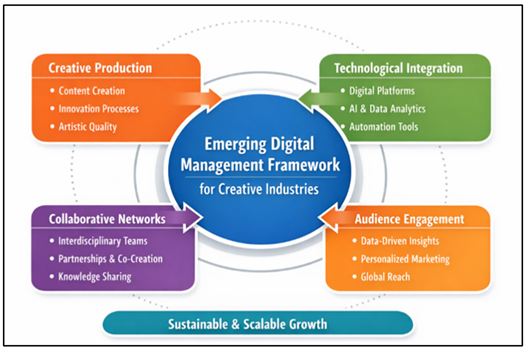
Figure 1 Emerging Digital Management Framework
In Figure 1 above, the Emerging Digital Management Framework of creative industries is presented in which creative production, technological integration, collaborative networks, and interaction with the audience interact and circle around in a cohesive digital ecosystem. All of these are factors that are connected through the means of data-driven processes and digital platform that make it possible to be the most effective, creative, and reach an audience throughout the globe. The paradigm finally enables the expansion of the digital creative economy, which would be sustainable and manipurable.
Agile management is also becoming one of the trending ways of managing creative industries. These are strategies that are repetitive in growth, feed-back based, and fast to adapt to the market. Being more flexible in their management, creative organizations are in the better position to respond to the evolving preferences of the audience or technological trends.
2.5. Role of Artificial Intelligence, Big Data, and Digital Platforms
The advent of the digital world has made the new generation of artificial intelligence and big data analytics a powerful resource in the management of the creative industry. Internet networks collect tremendous amounts of data on the user behavior, viewer engagement and content consumption trends. By analysing this data, organizations will be provided with helpful information about the preferences of the audience, cultural tendencies, and market dynamics. AI technologies are used in the management of creative industries with various applications, including content recommendation systems, predictive audience analytics, automated editing tools and personalized marketing strategies. Others include streaming platforms, which use machine learning algorithms on the consumption behavior of the person to recommend content so as to enhance the user engagement and retention. Big data analytics can also be helpful in strategic decision-making by providing organizations with a chance to assess the performance of innovative projects, new market opportunities, and enhance the content distribution strategies. However, the increased application of AI and information-based systems, too, raise important ethical concerns that are connected to the idea of algorithm bias, cultural diversity, and intellectual property rights Lazić (2022).
2.6. Literature Review of Recent Research Studies
The most recent academic literature has been addressing most aspects of digital transformation within the creative industries. Theorists examined the role played by digital channels in cultural production, data analytics opportunities in the viewer and the impact of artificial intelligence in the creative process. Some of the works also mention how digital technologies enable new forms of creative entrepreneurship and decentralized content production to be possible. The role of the interdisciplinary cooperation of creative professionals, technologists, and managers is also highlighted as it is based on research. Research on digital cultural ecosystems recommends that successful creative organizations become increasingly dependent on management structures based on networks and knowledge sharing and innovation. Also, the scholars have studied the influence of digital policy and governance structures in fostering sustainable development in the creative economy. Although these have been made, most studies concentrate on either particular technology or on a particular segment of creativity instead of offering holistic management approaches that incorporate technological, cultural and organizational viewpoints.
Table 1
|
Table 1 Literature Review of Recent Research Studies on Digital Management in Creative Industries |
|||
|
Technique / Approach |
Application Area |
Key Contribution |
Limitations |
|
AI-driven content
recommendation systems G20 Insights. (2021) |
Digital media platforms |
Demonstrated how AI
algorithms improve audience engagement and personalized content delivery |
Limited focus on creative
decision-making processes |
|
Data analytics for audience
behavior analysis The Economist Intelligence Unit.
(2021) |
Streaming and entertainment
industry |
Showed the role of big data
in predicting audience preferences and optimizing content strategies |
Data privacy concerns not
fully addressed |
|
Platform-based management
model Statista. (2020) |
Digital creative platforms |
Proposed a digital platform
ecosystem connecting creators, distributors, and audiences |
Dependency on centralized
platforms |
|
Collaborative digital
networks Statista. (2020) |
Performing arts and cultural
institutions |
Highlighted the importance
of collaborative digital networks for creative production and innovation |
Implementation challenges in
traditional institutions |
|
Blockchain for intellectual
property management UNCTAD. (2022) |
Digital art and creative
content distribution |
Introduced blockchain-based
systems to ensure transparent ownership and copyright protection |
Scalability and regulatory
issues |
|
Digital transformation
frameworks Dharmani et al. (2021) |
Cultural and creative
industries |
Examined the integration of
digital technologies into creative production and management processes |
Lack of empirical validation |
|
Audience engagement
analytics UNCTAD. (2019) |
Digital marketing in
creative industries |
Identified strategies for
improving audience interaction using social media analytics |
Limited application across
multiple creative sectors |
|
AI-assisted creative
production tools Bopche et al. (2026) |
Music and media production |
Demonstrated the use of AI
tools in assisting creative production processes |
Ethical concerns regarding
originality and creativity |
2.7. Research Gap Identification
Although much research has been done on the subject of growth of the digital transformation in the creative sectors, there are still gaps in research. Firstly, the existent literature is inclined to concentrate on the technological innovation without the management strategies of the organization and this results in disillusory findings. There is need to have integrated structures of combining technological capabilities, and management practices. Secondly, many of the management models used to apply industries with a high creative orient are not entirely receptive to the dynamics of the digital ecosystem, where different actors, including creators, platforms, audiences and policymakers come into play. Development of models that are capable of fostering collaboration, innovation, and sustainable value creation is one of the research questions that are of critical concern.
Finally, limited research has been conducted on the potential to systematically include the new technologies, such as artificial intelligence, blockchain, and immersive media, into the management model of the creative industry. The necessity to close these gaps can help organizations to develop more flexible and agile managerial strategies towards the digital creative economy.
3. Management Models in Creative Industries
The penetration rate of the digital technologies, the globalization of the culture markets, and the expansion of the economic activity, which is driven by the innovation, have significantly changed the way the management of creative industries is conducted. The outdated managerial traditions because the focus was put on the artistic direction and production management no longer apply to the modern digital environment. Now creative organizations must introduce flexible and technology-enabled managerial solutions that would allow them to collaborate, engage the audience and make decisions grounded in data. This section discusses various management frameworks that have been created in the creative industries with their characteristics, strengths and weaknesses Kovačević et al. (2019).
3.1. Traditional Creative Industry Management Models
These models were also common in the film production industry, theater management, music production, and publishing. Creative projects were commonly structured in these systems in well-stated steps such as the development of the concept, production, distribution and marketing. Producers, artistic directors, and project managers were the leadership positions that played the role of facilitating creative teams and ensuring projects are completed successfully.
The traditional management models have one of the most important advantages: they are able to ensure artistic quality and consistency of production. Formalized management systems enable companies to manage budgets, schedules, and allocation of resources well. Nevertheless, these models are not always flexible and adaptable to the dynamic digital worlds. The poor interaction with the audience and use of traditional channels of distribution limit the speed on which organizations can react to the new market trends and technological advancements.
3.2. Platform-Based Management Models
As the sphere of digital platforms expands, there has also appeared a new management model which concentrates on platform-based systems. Streaming services and online markets as well as social media networks are now critical infrastructures in creative production and distribution. The organizations under platform-based management models are involved in digital ecosystems that are interconnected and help creators, distributors and audiences to collaborate. Faculty of Economics. (2021)
These mediums allow artistic individuals to expose their work to the rest of the world without the need to use the conventional agents. Platform-based models are also applicable in enabling organizations to generate revenues based on creative materials in subscription-based services, advertising, crowdfunding, and digital transactions. Moreover, online channels offer helpful information about how users act, and organizations can adjust their content approaches based on the likes and preferences of the audience. Although these are the benefits, there are issues with platform-based management models that lead to dependency on the platform, distribution of revenue, and protection of intellectual property.
3.3. Data-Driven Management Approaches
The use of data-driven management has gained particular significance in the arts and culture sector with the advent of digital platforms with vast amounts of user information. This data can be analyzed by the organization to know the preferences in the audience, cultural trends, and consumption patterns. Creative managers can use data analytics tools to make informed decisions regarding how they will produce content, promote it, and how they will treat their audience. Fact-based management strategies would help organizations to gauge the success of creative projects better. Nevertheless, overreliance on data-based approaches can also pose a threat of prioritizing the popularity of the algorithms rather than the originality of the art, which can also confine the variety of creativity Regional Cooperation Council. (2022).
3.4. Collaborative and Network-Based Models
Network-based and collaborative models of management are concerned with the idea of partnerships and collaboration between different stakeholders in the creative ecosystem. Such stakeholders are artists, cultural institutions, technology companies, investors, policymakers and audiences. Network-based models are also based on decentralized collaboration and knowledge sharing in contrast to the traditional hierarchical systems. The collaboration tools and digital communication technologies have facilitated the collaboration of creative professionals regardless of geographical limits. As an instance, remote and interdisciplinary work by teams on digital projects, movies, and virtual performances is common in international film projects, digital art projects, and virtual performances. Innovation can be promoted in collaborative management models because different perspectives and skills can be integrated into the management model. They also facilitate co-creation process where audiences are actively involved in development of content by giving feedback, community interactions and user generated content. Although they are beneficial, collaborative models need a proper coordination and communication between stakeholders. Decentralized networks can be complicated in managing intellectual property rights, revenue sharing and project responsibilities Mikić et al. (2020).
3.5. Hybrid Digital Management Models
Hybrid digital management models bring together the aspects of the conventional management framework and the digital technologies, as well as the teamwork methods. These models seek to ensure that there is a balance between creativity in art and technological advancement and data-driven decision-making. Hybrid models acknowledge that though digital technologies are an influential means of creating and distributing content, human creativity and cultural values continue to be the key aspect of creative industries. Hybrid management systems have been observed to incorporate core leadership structures at the same time using digital tools to manage projects, audience analytics and collaborative communication. As examples, performing arts groups can incorporate digital ticketing and audience analytics platforms and virtual performance technologies into their conventional management systems. Equally, the film and media corporations can merge traditional production management with online marketing tools and Netflix distribution channels. Hybrid management models are also being viewed as the most effective management tool of the management of creative industries in the digital era. These models help organizations to adapt to fast changing cultural and technological environments that require creativity, technology and strategic management in order to be competitive.
4. Comparative Analysis of Existing Management Models
The booming development of electronic technologies has resulted in several managerial paradigms of creative business. All models have their own strengths regarding the efficiency of the organization, the interest of the audience and integration of the technology. Nevertheless, there are some limitations associated with these models as well which influence their applicability in other settings. Thus, a comparative analysis will be required to test the effectiveness of different management styles on the opportunities and results of several criteria including flexibility, technological integration, reach of the audience, capability of innovations and efficiency in operations. This part analyzes the strengths and weaknesses of the current models of management and an analytical comparison of the same according to a set evaluation parameter.
Table 2
|
Table 2 Existing Management Models Comparison |
|||||||
|
Management Model |
Organizational Flexibility |
Technological Integration |
Audience Engagement |
Innovation Capability |
Scalability |
Key Strengths |
Limitations |
|
Traditional Management Model |
Low |
Low |
Limited |
Moderate |
Low |
Strong leadership structure,
clear production workflow, stable project management |
Limited digital integration,
slow response to market changes |
|
Platform-Based Management
Model |
High |
High |
Very High |
High |
Very High |
Global distribution, direct
creator–audience interaction, digital monetization opportunities |
Platform dependency, revenue
sharing challenges |
|
Data-Driven Management Model |
High |
Very High |
High |
Moderate |
High |
Informed decision-making
using analytics, personalized content strategies |
Risk of over-reliance on
algorithms and data bias |
|
Collaborative /
Network-Based Model |
Very High |
Moderate |
High |
Very High |
Moderate |
Encourages interdisciplinary
creativity, co-creation, knowledge sharing |
Coordination complexity,
intellectual property management issues |
|
Hybrid Digital Management
Model |
Very High |
Very High |
Very High |
Very High |
Very High |
Combines strengths of
traditional and digital systems, balanced management approach |
Requires strong digital
infrastructure and skilled workforce |
As Table 2 indicates, flexible and integrated management structures are important in the sustainable development of creative industries in the digital era. The most promising way of creative industry management is hybrid models that incorporate a combination of creativity, technology, and strategic management.
4.1. Evaluation Criteria for Management Models
In order to analyze management models in the creative industries successfully, it is necessary to develop a set of evaluation criteria. These are the criteria that can be used to evaluate the extent to which each model of management is enabling the digital transformation and creative innovation. Some of the most frequently used evaluation parameters are the flexibility of the organization, the potential to integrate technology, the ability to engage the audience, the potential of innovation, organizational efficiency, and scalability. Organizational flexibility is the capacity of a management system to respond to the changing technological circumstances and changing audience demands. Technological integration gauges the amount of digital technologies (artificial intelligence, cloud computing, and data analytics) that are integrated with management processes. Ability to engage audiences gauges the effectiveness of a given model in facilitating communication between creators and audiences via digital platform and social media. The potential of innovation portrays the ability of such model to accommodate innovative experimentation and interdisciplinary cooperation. Operational efficiency involves the efficiency of management model in using its resources, team coordination, and production processes. Lastly, scalability evaluates the capacity of a model to increase its operations and serve more people in the international online markets Hamid et al. (2015).
4.2. Performance Indicators in Digital Creative Industries
The effectiveness of the management models in the real-world settings in the creative industry is measured using performance indicators. With the digital age, performance measurements have gone further beyond the conventional performance measures like selling tickets and physical distribution revenue. Present day performance evaluation involves quantitative and qualitative measurements. The digital audience reach, engagement rate of content, and revenue generated by digital platforms, output in innovation, and efficiency in collaboration are the key performance indicators. Digital audience reach is a measurement of the effectiveness of creative organizations to disseminate content on world-wide digital space. Engagement rate indicates the interaction of the audience in the format of likes, shares, comments, and duration of streaming. Financial sustainability is measured by operating digital monetization, including subscriptions, advertising and online sales, by revenue indicators. The output of innovation is the capacity of organizations to generate new creative forms, digital experiences and interdisciplinary collaborations. The Figure 2 presents the key performance indicators used to evaluate digital creative industries. The efficiency of collaboration considers the effectiveness of collaboration between creative individuals, specialists in technology, and organizational managers when they operate in digital ecosystems. These indicators offer an all-embracing structure to gauge the performance of models of management in the digital creative economy Gadre et al. (2025).
Figure 2
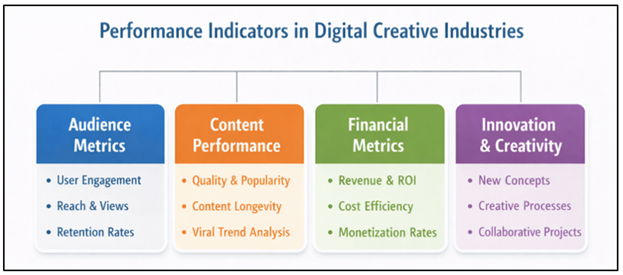
Figure 2 Performance Indicators used in Digital Creative
Industries
4.3. Comparative Analysis of Existing Models
Comparative analysis of management models shows that there are great differences between approaches used by both in handling issues of digital transformation. The classic models of management provide high organizational control and definite production and workflow but are not very flexible and technologically incorporated. Such models will not be able to respond to the fast-moving reality of digital markets and new demands of the audience. Management platform models show high potentials in distribution of content globally and audience participation. Online platforms enable creators to deliver content to masses and create information-driven messages that aid in the strategic decision-making process. Nevertheless, there might be problems associated with revenue sharing, platform dependency and visibility of content algorithms in organizations deemed to be in platform ecosystems.
The use of data-driven management models provides a robust analytical tool that can help organizations optimize the marketing strategy and personalize content recommendations. Such models are specifically useful in audience trends and the content performance enhancing predictive analytics. However, over-dependence on data-driven approaches can pose a threat of prioritization of commercially trending content rather than experimentation in art. Network-based and collaborative models promote interdisciplinary innovation and creative experimentation through interlinking of different stakeholders in digital ecosystems. Such models encourage open innovation and co-creation practices but they need proper coordination mechanisms to control intellectual property rights, project roles and communication between stakeholders. Hybrid models of management are the ones that integrate the advantages of the classic organizational framework and the flexibility and technological potential of the digital management system. The models combine the digital platforms, data analytics, and collaborative networks and have structured leadership and strategic planning. Consequently, hybrid models are gradually being accepted as the most flexible method of dealing with the creative industries in the multifaceted digital context.
4.4. Advantages and Limitations of Current Approaches
This is because every model of management has its own benefits and drawbacks, which affect its success in the creativity industry sphere. Nevertheless, they do not always have the technological flexibility needed to disseminate the digital content and interact with the audience. Platform-based models have a high advantage regarding accessibility, scalability, and reach to the global audience Dayarathna et al. (2020).
These strategies aid in specific marketing and personal user experience. Nevertheless, too much reliance on algorithmic decision-making can lead to the decrease in the diversity of creativity and provoke the appearance of ethical issues with the data privacy and cultural homogenization. Collaborative models encourage creativeness, interdisciplinary innovation and community involvement in creative creation. They create inclusive cultural ecosystems whereby different stakeholders are involved in the creative processes. Although these benefits exist, collaborative models may occasionally suffer coordination problems and need good governance structures in order to deal with complex relationships. Hybrid models of digital management have tried to overcome these shortcomings through the adoption of traditional management and current digital technologies to manage and collaborate with other organizations. The fusion of institutional leadership and digital innovation in hybrid models provides a moderate solution that fosters both innovation and technology.
5. Proposed Digital Management Framework for Creative Industries
The sudden digitalization of the creative sectors demand new management structures that bring together artistic creativity and the current technological power. The models of management that are used today usually apply an emphasis on either the technological infrastructure or the creative process but few models work together to form a system that intertwines both dimensions. This study aims to overcome this weakness by suggesting a Digital Management Framework of Creative Industries, incorporating the strategic management practices, collaborative networks, and data analytics with digital platforms. The framework suggested is expected to result in a high level of efficiency in the operations, increase the audience engagement, and enable sustainable innovation in the creative organizations. The suggested framework is created to work as a unified ecosystem in which creators, digital technologies, management systems, and audiences will communicate with each other. The proposed model compares to the old systems of management where there is linear workflow, unlike the proposed model, which is rather based on the cyclical approach and the use of data as insights in order to improve the creative production and management approaches. It is also a platform through which interdisciplinary platforms can be created via technologists, artists and managers so that creative organizations can fit in the quickly evolving digital worlds. Jadhav et al. (2025)
Figure 3 shows the proposed digital management framework in which creativity, technology and management may be incorporated in a well-organized digital ecosystem in the creative industries. The model exhibits a cyclical and fact-based management process in which creativity, digital technology, analytics and audience engagement interrelate to promote a sustainable growth in creative industries.
Figure 3
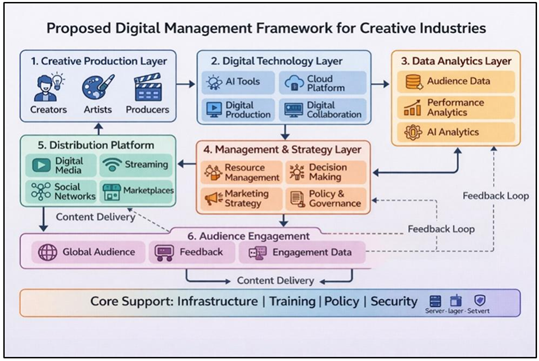
Figure 3 Proposed system Architecture
5.1. Design Principles of the Proposed Framework
The framework proposed by the author will be based on various design principles, which can help to establish successful managing in digital creative settings. First, the creativity based management makes sure that artistic innovation is the main point of the creative organizations. Although digital technologies give way to the creative processes, the human creativity remains the major cause of the cultural value. Second, integration of technology helps organizations to integrate the use of advanced digital resources like artificial intelligence, big data analytics, cloud computing, and collaborative tools. Such technologies improve the efficiency of production, the analysis of the audience, and the data-driven decision-making. Third, the engagement of the audience is audience-centric, i.e., it aims at building close connections between creators and audiences. Digital platforms enable companies to connect with audiences in response and social media interactions, as well as individualized content experiences. Fourth, the ecosystem developing as a team allows traditions to engage creative professionals and technology firms, museums, and policy makers. These partnerships promote innovativeness and increase possibilities of inter-disciplinary creative production. Lastly, sustainability and scalability is used to make sure that the framework is able to support long-term expansion and flexibility. Desai et al. (2026)
5.2. Architecture of the Digital Management Model
The design of the suggested digital management framework presented in Figure 3 is made up of a number of interconnected layers which interact to enable the management of innovative industry. The Creative Production Layer consists of artists, designers, performers and content creators that create creative ideas and cultural products. This layer is the source of innovative creativity in the frame. The Digital Technology Layer combines the cutting-edge technology, artificial intelligence tools, content management systems, cloud-based collaboration tools, and digital editing tools. These technologies facilitate the creative production, project management and digital distribution processes.
The Data Analytics Layer gathers and processes information produced by means of digital platforms and communication with the audience. The analytics tools measure the user behavior, engagement levels and content performance metrics, which can be used as knowledgeable insights in strategic decision-making. The Management and Strategy Layer is in charge of project coordination, resource allocation, marketing strategies and policy implementation. Data analytics provide managers with insights with the help of which they can influence creative production, effectively distribute content, and engage a wider audience.
The Audience and Distribution Layer acknowledges digital platforms in which creative content is provided to the world markets. The information on these platforms also gives feedback data which constantly feeds the management system. Hoque et al. (2025)
5.3. Integration of Digital Technologies and Analytics
The digital technologies play a critical role in facilitating effective management of the creative industries. The usage of artificial intelligence tools can be used to perform the tasks of automatic video editing, music composition support, and visual design improvement. Machine learning algorithms can also be used to come up with customized content recommendations and predictive analytics of the audiences. Big data analytics will help the organization to learn the behavior of the audience in different online platforms. Evaluating the streaming, social media, and online sales statistics, the managers can identify the cultural trends and streamline the content strategies. The use of remote work and cooperation between creative specialists Cloud computing technologies can support the work of the distributed team, and the global project supports the collaboration of remotely working teams. Another potential option of handling the intellectual property rights and ownership of the digital assets has also emerged as the blockchain technology. Blockchain would help creative entities to protect the rights of the copyright and equally share the earnings among the stakeholders through provision of clear and safe record keeping systems.
5.4. Workflow of the Proposed System
The work cycle of the proposed digital managerial system is a synthesized cyclic system that connects the creative production, digital technology and engaging the audience. This begins with the novel ideation and content production where artists and creative teams generate novel ideas and culture contents. These thoughts are trailed by the digital production technologies that facilitate the editing, design, and the development of the multimedia. Once the content is created, the same is shared through the digital platform and through the online media channels. These mediums allow businesses to find following in every corner of the globe and educate to the viewer numbers in real time.
The data analytic system reviews the transactions of the users and quantifies the live streamings, social media activities, and feedback of the audience. These are lessons that the management teams apply in an effort to streamline the marketing approaches, enhance content proposals and inform additional creative output. Workflow cycle is therefore cyclic as the insights of the audience are fed back into the creative process and this enables such organizations to keep on building up their content strategy and management practices.
5.5. Implementation Strategy
The suggested framework will be forced to be carried out in a way that they take into consideration technological, organizational, and cultural factors. To begin with, the organizations must invest in digital infrastructure and adopt contemporary management tools that will aid data analytics and collaborative procedures. The digital skills of creative staff and management personnel must also be enhanced through the creation of training programs. These programs help organizations in building the skills that will enable them to operate sophisticated digital systems.
It should also establish organizational strategic alliances with technology providers, digital platforms and also research institutions. Such collaborations can assist the creative industries to access emerging technologies and emerging modes of operation. In addition, the creative industries can also be digitally transformed through the assistance of their policies by the governments and cultural institutions. The introduction of the digital management frameworks may be empowered by such policies as intellectual property protection, financial support of digital innovations, and cultural entrepreneurship. Rawandale et al. (2023)
6. Applications and Case Studies
6.1. Application in Digital Media and Entertainment
The media content production and consumption practices have changed due to digital streaming services, online video platforms and interactive entertainment systems. The suggested management framework will be able to assist the digital media organizations by incorporating sophisticated analytics software, audience engagement platform, and automated production technology. As an example, data analytics provides digital media companies with a chance to monitor the audience preferences and viewing patterns across various digital platforms. The insights enable managers to maximize the content production strategy, design individualized recommendations, and enhance user engagement. Automated editing, content tagging and recommendation systems can also be applied to artificial intelligence and are also very beneficial in enhancing the efficiency of production. Using the suggested structure, the digital media organizations will be able to increase their level of operation and, at the same time, retain the level of creativity and innovation.
6.2. Application in Performing Arts and Cultural Institutions
Theatrical, dance, orchestral, or cultural festivals are some of the performing arts organizations that are embracing digital technologies in an attempt to reach a wider audience and enhance management operations. Historically, performing arts management was pegged on physical locations and local-based audiences. Nevertheless, performances are now available online and people all over the world can access cultural experiences through the digital medium.
The suggested digital management framework has the potential to assist performing arts organizations to become integrated in their operational strategies in terms of digital ticketing systems, audience analytics systems, and virtual performance technologies. To illustrate this, live shows may be supplemented with virtual streaming services, which will enable the organizations to access the international market. Feedback of the audience received via digital platforms may also assist the cultural institutions in creating more entertaining programs and to enhance marketing strategies.
6.3. Application in Digital Content Platforms
The digital content platforms are now turning out to be the center of production and monetization of the creative works. The avenues include websites that share video, music streaming sites and publishing sites that allow creators to be in a position to share their work with audiences located all over the world. However, the mass management of digital content systems requires sophisticated management tools that are capable of managing huge volume of data, user traffic as well as content variety. The specified framework could potentially service digital content platforms with the help of the integrations of the artificial intelligence algorithms, big data analytical tools and platform management tools. AIs-based recommendation systems recommend users the content that is wanted, and analytics tools can monitor the success of the content and the activity of the audience. With these insights, the platform managers are able to optimize the content discoveries and have a balanced ecosystem which will benefit both the old and new artists. Rathore et al. (2023)
6.4. Impact on Creative Entrepreneurship and Innovation
The suggested model of digital management also implies a lot related to creative entrepreneurship and innovation. Digital technology has reduced entry barriers of creative professionals such that independent artists, designers, filmmakers and musicians can start their own digital business. The Internet allows creators to communicate directly with the audience without having to use conventional intermediaries (publishers, production studios, etc.). The suggested framework can guide the entrepreneur working in creative industries when building information-based approaches toward creating content, attracting audience, and growing the market. Digital analytics tools can assist the entrepreneur to work out the preferences of the audience and define the new cultural trends so that they can create innovative products and services. Moreover, the systems of collaboration through digital platforms enable creative entrepreneurs to cooperate with technology creators, marketers, and cultural institutions in order to create new creative projects.
The proposed framework will help establish a flexible and sustainable creative economy by enhancing the creation and propagation of innovation and entrepreneurship. Digital technologies can help creative professionals to increase their customer base of digital technologies, experiment with different artistic formats, and ensure sustainable business models in the global digital market.
7. Challenges and Limitations
Although it is true that digital technologies have presented immense opportunities in transforming the creative industries, issues and constraints of using digital management structures are numerous as well. When undertaking the digital management models, creative organisations must overcome technological, ethical, organizational, and regulatory issues. The challenges can impact the viability and success of digital transformation projects within the creative sector. These limitations need to be known so as to develop a balanced management process that does not compromise artistic creativity and cultural diversity in the process of integrating technology.
7.1. Technological Challenges
One of the most important problems of management of creative industries in the digital environment is the dynamic pace of the technological changes. The inventive organizations must never be reluctant to adopt emerging technologies in the market such as artificial intelligence, virtual reality, big data analytics, and digital distribution platforms. Such technologies often require much research and development in digital infrastructure, software systems and technical expertise.
Large numbers of creative organizations particularly the small and medium-sized enterprises or the independent cultural institutions have financial constraints and this limits their adoption of advanced digital tools. In addition, the compatibility issues can be triggered by the technological integration between in-use and the new digital platform. The security of online systems is also of great concern as the intellectual property and organizational data can be compromised by cyber-attacks and data breach.
Furthermore, the increasing application of algorithm technologies and automated systems may also lead to prejudice or errors that can affect the manifestation of content and suggestions to the audience. These technological limitations lead to the fact that the digital managerial systems should be well thought-out in order to take into consideration both automation and (human) control. Hazarika et al. (2023)
7.2. Ethical and Intellectual Property Issues
The increasing application of artificial intelligence in creative production even makes matters of authorship and ownership more problematic. The question of who owns creative work based on the help of algorithms made by AI is a controversial issue. Moreover, digital platforms tend to advertise or suggest content with the help of automated algorithms, which can result in the unequal presence of creators and possible cultural biases.
Ensuring both the safeguarding of intellectual property rights and at the same time keeping the cultural material in an open-access manner is an important challenge to policymakers and the creative organizations. There should be efficient governance systems and the digital right system to guarantee equitable payment of the creators as well as sustainable growth in the creative sectors.
7.3. Organizational and Cultural Barriers
The other significant impediment to the use of digital management frameworks in the creative industries is organizational resistance to change. Most of the creative organizations are situated through the well-developed institutions that might not be easily adaptable to new digital technologies and managerial practices. Creative professionals and employees might be unwilling to use digital tools due to lack of technical skills or because they feel that technological integration is posing a danger to the conventional artistic activity. Also cultural organizations tend to put more emphasis on artistic values and creative freedom than on data-oriented decision-making. Digital technologies offer precious information in the form of analytics and audience data, but over-reliance on data can be against the creativity of art and the authenticity of culture. The artistry and technological effectiveness must be balanced with the help of organizational organization and leadership. The importance of training and capacity-building programs, in turn, is to assist creative professionals in forming digital competencies and adjusting themselves to changing environments on the technological front. The culture of innovation and cross-disciplinary teamwork can be encouraged to make organizations more resistant to digital transformation, as well.
7.4. Data Privacy and Security Concerns
Since digital channel gathers widespread data about its users, the issues of data privacy and security have gained more significance. Organizations in the creative industry use audience information to understand how users interact, recommend content to them, and enhance marketing. Nevertheless, the process of collecting and analyzing personal data should be done in a responsible manner to ensure that the privacy of users is safeguarded and that their data protection rights are met as required by the data protection laws. Breach of security can occur as a result of unauthorized access to sensitive data, which can affect the information of the user, as well as the assets of the organization. Internet security risks like hacking, identity theft and data manipulation are also a great threat to digital creative ecosystems. Also, the mismanagement of data can result in the breach of privacy laws and the loss of viewer confidence.
8. Future Research Directions
8.1. AI-Driven Creative Industry Management
The future research can be aimed at creating the AI-based management systems that will aid the creative organizations in the strategic decision-making, analysis of the audience and optimization of the content without compromising transparency and fairness of the algorithmic operations.
8.2. Smart Cultural Ecosystems
The other potential direction of research in the future is the creation of intelligent cultural ecosystems that combine digital technologies and urban cultural infrastructure. Digital technologies in smart cities are becoming more popular in terms of improving cultural engagement, tourism, and creative entrepreneurship. Smart technologies in creative industries such as the Internet of Things (IoT), immersive media, and real-time data analytics can be used in such environments to build an interactive cultural experience.
The future studies can be conducted on how intelligent cultural ecosystem can enhance sustainable growth within the creative industries. It involves investigating how digital technologies can be used to make culture more accessible, enable audiences to better interact with museums and other forms of cultural institutions as well as to facilitate collaborative creativity among artists, the developers of technologies, and city planners. One potential area of focus of interdisciplinary research is the development of integrated management structures that will link cultural organizations to smart city infrastructures.
9. Conclusion
The paper has presented a conceptual background of the creative industries and indicated how the application of digital technologies is increasingly becoming significant in the cultural production and distribution processes. The literature review demonstrated that the traditional management models provided ordered working processes and organizational predictability but not business flexibility to accommodate the rapidly changing digital environment. The network models of management discussed platform-based, data-driven, and collaborative networks have also provided solutions to some of these limitations by providing content sharing in the world, connecting with the audience, and cross-disciplinary collaboration. Despite the comparison of the two management models, it was realized that the models possess their own strengths and weaknesses. The traditional models are more concerned with the organizational control and artistic quality as compared to the platform-based models which are more global and scalable. To address this gap, the study presented a digital management model, in accordance with which creative production, digital technology, data analytics, and interactions with the audience are integrated into one system. The proposed framework concentrates on the creativity based management, technology integration, network based collaboration and scalability which is sustainable. The combination of the elements of the various management models gives the structure a moderate approach that enables the provision of creative contribution in art and technical productivity. The concrete application of the proposed framework to the frameworks of digital media, performing arts, digital content platforms, and creative entrepreneurship has also been discussed in the paper. Despite the much that the framework can recommend, there are still challenges that can be seen that include the technological constraints, intellectual property, resistance of change within the organization and the issue of privacy of data. All of these concerns can be addressed only with the united efforts of creative specialists, technology developers, policy-makers and cultural organizations.
CONFLICT OF INTERESTS
None.
ACKNOWLEDGMENTS
None.
REFERENCES
Bopche, Y., Parque, V., Peshkar, S., Gupta, S., Patle, V., and Khobragade, P. (2026). Hybrid ARIMA-LSTM Forecasting of Residential and Regional Energy Consumption. In 2026 20th International Conference on Ubiquitous Information Management and Communication (IMCOM) (1–6). IEEE. https://doi.org/10.1109/IMCOM69009.2026.11360878
Dayarathna, V. L., Karam, S., Jaradat, R., Hamilton, M. A., Nagahi, M., Joshi, S., and Driouche, B. (2020). Assessment of the Efficacy and Effectiveness of Virtual Reality Teaching Module: A gender-based comparison. International Journal of Engineering Education, 36(6), 1938–1955.
Desai, V. P., Shinde, P. P., Mirajkar, G. S., Pillai, P. K., and Oza, K. S. (2026). Assessment of Adulteration in Edible Oil Using Machine Learning. IAENG International Journal of Computer Science, 53(1), 456–464.
Dharmani, P., Das, S., and Prashar, S. (2021). A Bibliometric Analysis of Creative Industries: Current Trends and Future Directions. Journal of Business Research, 135, 252–267. https://doi.org/10.1016/j.jbusres.2021.06.037
Faculty of Economics. (2021). Analysis of the Economic Impact of the Creative Industries Sector on
the Economy of the Republic of Serbia.
G20 Insights. (2021). Creative Economy 2030: Inclusive and Resilient Creative Economy for Sustainable Development and Recovery.
Gadre, R., Lonkar, H., Gahule, T., Aashtankar, H., and Patle, M. (2025). Design and Fabrication of Burning Block Making Machine from Agriculture Waste. International Journal of Trendy and Advanced Research in Mechanical Engineering (IJTARME), 14(1), 12–16. https://doi.org/10.65521/ijtarme.v14i1.514
Hamid, A. A., Botiti, D. C., and
Mohandes, S. (2015). Managing the Delayed
Completion on Construction Project. Journal of Advanced Research in Business
and Management Studies, 1, 14–24.
Hazarika, I., Alulama, I. A., Matar, H. S., Ibrahim, M. M., and Albannai, H. Y. (2023). An Analytical Study on the Impact of COVID-19 on CSR and Sustainability from UAE Perspective. Journal of Namibian Studies, 33, 1451.
Hoque, M. S., Vasanthan, R., Dzüvichü, K., Saini, J., Parashar, K., and Grover, M. (2025). AI-Generated Visual Art and its Ethical Implications in Academia. Shodhkosh, 6(1S), Article 66. https://doi.org/10.29121/shodhkosh.v6.i1s.2025.66
Jadhav, K. D., Pathak, A., Bhosale, K. S., Nair, S., Pokale, N. B., Bogam, V. A., and Arguelles Jr., P. R. (2025). Smart Groundwater Management: Affordable IoT-Based Solutions for Rural Water Supply. Waterlines, 43(2), 149–167. https://doi.org/10.3362/waterlines.v43i2.530
Khlystova, O., Kalyuzhnova, Y., and Belitski, M. (2022). The Impact of the COVID-19 Pandemic on the Creative Industries: A Literature Review and Future Research Agenda. Journal of Business Research, 139, 1192–1210. https://doi.org/10.1016/j.jbusres.2021.09.062
Kovačević, I., Anić, A., Ribić, M., and Đorđević-Zorić, A. (2019). Economic Impact of the Creative Industry and the Example of Serbia. Journal of Business Economics and Management, 68, 522–531. https://doi.org/10.5937/EKOPRE2008522K
Lazić, M. (2022). Creative Industries as a Driver of Innovations and Competitiveness: Global and National Overview. In M. Mosurović-Ružičić, M. Lazarević-Moravčević, and M. Paunović (Eds.), Nauka i Inovacije kao Pokretači Privrednog Razvoja ( 129–148). Institute of Economic Sciences.
Mikić, H., Radulović, B., and Savić, M. (2020). Creative Industries in Serbia: Methodological Approaches and Economic Contribution. Journal of Business Economics and Management, 68(3–4), 201–214. https://doi.org/10.5937/EKOPRE2004201M
Rathore, Y., Mishra Chaturvedi, V., Sujay Madhukar, K., Karwande, V. S., Rokade, A. H., and Nagargoje, Y. (2023). Patient Engagement and Satisfaction in AI-Enhanced Healthcare Management. In Proceedings of the International Conference on Artificial Intelligence for Innovations in Healthcare Industries (ICAIIHI 2023). https://doi.org/10.1109/ICAIIHI57871.2023.10489712
Rawandale, U. S., Ganorkar, S. R., and Kolte, M. T. (2023). Aquila-Based Adaptive Filtering for Hearing Aid with Optimized Performance. International Journal of Intelligent Engineering Systems, 16(3), 151–161. https://doi.org/10.22266/ijies2023.0630.12
Regional Cooperation Council. (2022). Mapping of the Creative Industries in the Western Balkans.
Statista. (2020). Key Figures on Cultural and Creative Industries During the
Coronavirus (COVID-19) Pandemic Worldwide in 2020.
Statista. (2020). Share of Employment in Cultural and Creative Industries as a
Percentage of Total eMployment Worldwide in 2020, by Region.
The Economist Intelligence Unit. (2021). Creative Industries: Trade Challenges and Opportunities
Post-Pandemic.
UNCTAD. (2019). Creative Economy Outlook: Trends in International Trade in Creative
Industries.
UNCTAD. (2022). Creative Industry 4.0: Towards a New Globalized Creative Economy.
|
|
 This work is licensed under a: Creative Commons Attribution 4.0 International License
© ShodhKosh 2026. All Rights Reserved.