ShodhKosh: Journal of Visual and Performing ArtsISSN (Online): 2582-7472
|
|
Ethics of Artificial Intelligence in Creative Expression and Cultural Production
Saraswati B. 1 , Harshini R. 2
 , Gayathri B. 3
 , Saravana Kumar S. 4, Bhavani Ganapathy 5
 , Mahendran Arumugam 6
1 Department
of Computer Science, Meenakshi College of Arts and Science, Meenakshi Academy
of Higher Education and Research, India
2 Department
of Computer Science, Meenakshi College of Arts and Science, Meenakshi Academy
of Higher Education and Research, India
3 Department of Computer Science, Meenakshi College of Arts and Science,
Meenakshi Academy of Higher Education and Research, India
4 Associate Professor, Department of
Anatomy, Meenakshi Medical College Hospital and Research Institute, Meenakshi
Academy of Higher Education and Research, India
5 Associate Professor,
Department of Pharmacology, Meenakshi Ammal Dental College and Hospital,
Meenakshi Academy of Higher Education and Research, India
6 Center for Global Health Research, Saveetha Medical College, Saveetha
Institute of Medical and Technical Sciences, Chennai, India
|
|
|
ABSTRACT |
|
|
Artificial Intelligence (AI) has become a strong technology of creative expression and culture production that enables the introduction of new forms of artistic imagination and the creation of content using digital tools. Machine learning systems, generative algorithms, and natural language processing systems are tools of AI-inspired systems commonly used in visual arts, music composition, literature, film production, and the digital media. Though the technologies raise the potentiality of creative work and make the process more efficient, there are also negative ethical aspects about authorship, copyrights, culture representation, algorithms bias, and transparency of the products created by AI. This study aims at understanding the ethics of AI in the creative industry, and how the theories of ethics currently used address these issues. The paper discusses the major implementation of AI ethics principles that are being established by the international organizations such as OECD, UNESCO and IEEE, and reflects on how these principles can be applied to the sphere of creative and cultural practices. On the platform of comparison and contrast, the deficiency of the currently employed frameworks can be identified in relation to the visibility of the matters of artistic ownership, cultural sensitivity, and human-AI cooperation. To address these gaps, this paper proposes the conceptual Ethical AI Framework of Creative Expression which includes ethical considerations, responsible AI development practices, approaches to governance and continuous monitoring approaches. The proposed model is oriented on openness, equality, responsibility, the protection of the right to creators, and the consideration of the cultural diversity in the benefit of human beings and AI mechanisms working together in creativity. The analysis proves that the introduction of field-specific standards of ethics is the key to responsible and sustainable use of AI technologies in the creative field. Having ethics in leadership and technology innovation, the proposed framework provides the guidelines of creating trustworthy AI systems to increase creativity and safeguard culture and artistic rights. |
|||
|
Received 04 December 2025 Accepted 25 March 2026 Published 03 April 2026 Corresponding Author Saraswati
B, saraswatib@maher.ac.in DOI 10.29121/shodhkosh.v7.i3s.2026.7323 Funding: This research
received no specific grant from any funding agency in the public, commercial,
or not-for-profit sectors. Copyright: © 2026 The
Author(s). This work is licensed under a Creative Commons
Attribution 4.0 International License. With the
license CC-BY, authors retain the copyright, allowing anyone to download,
reuse, re-print, modify, distribute, and/or copy their contribution. The work
must be properly attributed to its author.
|
|||
|
Keywords: Artificial Intelligence, AI Ethics, Creative
Expression, Cultural Production, Generative AI, Responsible AI, Cultural
Heritage, Human–AI Collaboration |
|||



1. INTRODUCTION
The Artificial Intelligence (AI) technology is a disruptive one that is changing many spheres of the society, including one that includes health, education, finance, or the creative industries. In the past few years, AI technologies, in machine learning, deep learning, and generative models have been instrumental as far as creative expression and cultural production are concerned. These technologies will enable the machines to create works of art in the shape of paintings, music compositions, literature, and digital media which will expand the possibilities of artistic creation and intelligence cooperation with humans. Even though creativity powered by artificial intelligence opens up some new opportunities of creative experiments and cultural transmission, it also creates rather complex ethical issues connected with authorship, ownership, cultural expression, and responsibility.
The processes of production, distribution, and consumption of artistic works have been preconditioned by the tendency toward the increased use of AI devices in the creative industries. The artists and cultural institutions are also embracing AI-based systems to assist them in the production of the content, automated design, and anticipating the desires of the viewers. However, the integration of AI into the creative practices challenges the traditional concept of the human creativity and raises the ethical question concerning the products of the machine based culture. Therefore, the ethical issues of AI in creative practice and cultural production should be researched, in order that the technological innovation could align with the cultural values, artistic integrity, and social responsibility.
1.1. Background of Artificial Intelligence in Creative Industries
The field of artificial intelligence has been developing swiftly within the last ten years, especially due to the recent improvements in deep learning, neural networks, and massive data processing. This has seen AI systems undertake tasks which would have previously needed human ingenuity and intuition. In the creative industries visual arts, music production, film-making, literature and digital media, AI technologies are being adopted to create original content, support artists in the creative process as well as streamline production processes.
Generative AI models like Generative Adversarial Networks (GANs) and transformer based designs have proven to be able to create extremely advanced artistic creations and multimedia works. Digital paintings, music, scripts, animations as well as interactive cultural experiences are also created with the help of AI-powered tools. AI technologies are also used by cultural institutions like museums, art galleries and performing arts organizations to enrich the digital exhibitions, cultural heritage protection and engaging audiences more individually. With the ever-increasing presence of AI in the creative production sector, there is a need to examine the ethical concerns that come with the technological developments.
1.2. AI in Creative Expression and Cultural Production
The incorporation of AI into the creative work as demonstrated in the Figure 1 has opened the doors to the new forms of artistic partnership between humans and machines. Artists also become more and more experimental with AI-based tools to experiment with new ways of art, create specific visual patterns, and create interactive media experiences. In music composition, AI algorithms can be applied in the analysis of large sets of musical structures to create new musical pieces that replicate or develop the style of existing musical pieces. Likewise, language models that are powered by AI can generate poetry, narrative and scripts.
Figure 1
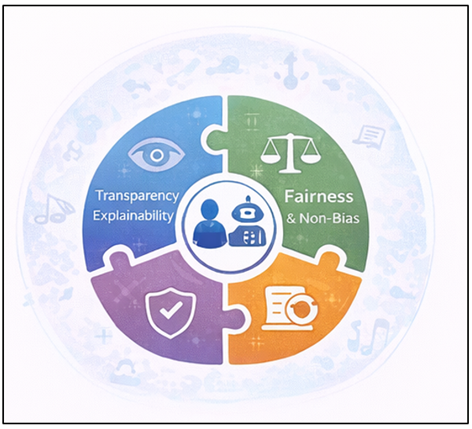
Figure 1 Ethical Framework for AI in Creative Expressions
Relating to the area of cultural production, AI technologies promote digital transformation of cultural production, allowing automatic content production, personalized culture experience and optimal distribution of content in the digital environment. The audience behavior is also analyzed in AI to help cultural organizations design specific marketing plans and to increase the engagement of audiences. These trends are evidence of the increased role of AI in the formation of modern cultural ecosystems.
1.3. Ethical Issues in AI-Driven Creativity
Regardless of those benefits, AI application in the sphere of creativity provokes a number of ethical concerns. The other significant ethical issue is the biasness in AI-generated content. AI systems are trained based on large datasets that might be culturally biased or have stereotypes. Consequently, AI creation can reinforce cultural imbalances or distort marginalized populations unwillingly or produce culturally biased art. Another ethical aspect to be taken is cultural appropriation, where the AIs can copy cultural expressions without acknowledging or respecting the culture or society.
Other important ethical concerns are transparency and accountability. Most AI systems are complex black boxes and it is hard to comprehend how they produce creative outcomes. To prevent uncertainty in AI algorithms and establish mechanisms of accountability, it is crucial to have transparency in AI algorithms and build trust in AI-driven creative processes.
Figure 2
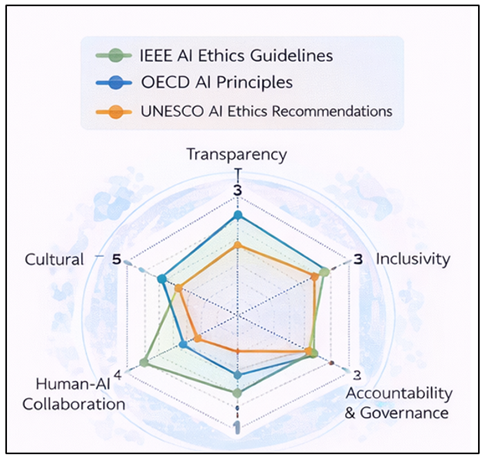
Figure 2 Comparison of Ethical Approaches in AI for Creative
Production
Figure 2 above shows the comparison of the Ethical Approach in AI that involves creative production. It is stated that a comparative analysis of various ethical frameworks applied in Artificial Intelligence to engage in creative and cultural production is conducted. The diagram considers key ethical principles in regard to key parameters of transparency, inclusiveness, accountability and governance, human-AI relationship, and cultural sensitivity. Both frameworks have a difference in terms of the emphasis of these ethical principles. The comparison shows that although the guidelines are currently in place and raise basic ethical issues, they are implemented by the creative industries in different ways based on the institutional priorities and regulatory settings.
1.4. Research Objectives and Contributions
This work is primarily intended to take into account the ethics of Artificial Intelligence in art and culture creation. Coupled with delineating the most significant ethical concerns that pertain to AI-generated creative materials, the research will check the real ethical frameworks that can be implemented into the given issue. There are some important contributions to this study. To begin with, it provides an in-depth account of how AI technologies have fit the current creative industries. Second, it addresses the ethics related to authorship, intellectual property, bias, and cultural representation of the AI-created works of creative content. Third, the article proposes a theoretical ethical guideline that would facilitate responsible development and application of AI technologies in the fields of creativity. Through these issues, the research will help in developing ethical principles that will bring about sustainable and inclusive innovations in cultural and creative industries.
2. Artificial Intelligence in Creative and Cultural Production
Artificial Intelligence (AI) has become one of the major ingredients of contemporary creative and cultural sectors. Recent developments in machine learning, deep neural networks, and generative models have seen machines create artistic outputs, aid in creative decision-making, and automate most of cultural production. By providing a means of interaction between people who create and the intelligent systems, these technologies have transformed the conventional creative practices. Consequently, there is extensive application of AI in many different fields as illustrated in Figure 3 below including visual arts, music composition, literature, film production, and digital media creation. The active development of generative AI applications has greatly transformed the speed of content generation processes and at the same time posed new challenges to the artistic authenticity, ethics, and intellectual property rights Đerić (2025).
Figure 3
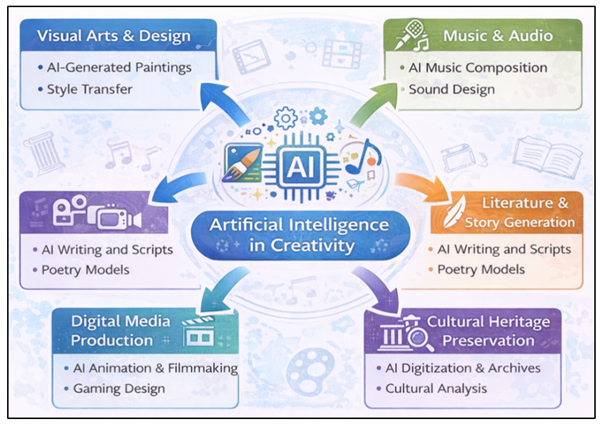
Figure 3 Application of AI in Creative and Cultural
Productions
Researchers have observed that AI is used as a creative assistant and as a co-creator, where artists are free to experiment with new artistic forms and enhance productivity and accessibility in cultural production. Large collections of works of art can be analyzed using generative models, including Generative Adversarial Networks (GANs), diffusion models, and language models based on transformers, and new creative outputs can be generated that are similar to those produced by humans. Such abilities are reshaping creative industries by enhancing the horizons of creative experimentation and allowing the exploration of novel cultural experiences.
2.1. AI Technologies Used in Creative Production
There are a number of AI technologies that are important in assisting in the processes of creative production. Some of the most common technologies in creativity with the use of AI include machine learning algorithms, deep neural networks, and generative models. Generative AI algorithms can use giant amounts of artistic styles, language forms, or musical forms to create new creative works. Indicatively, GANs are often utilized in the visual arts to generate new images and artistic designs whereas transformer-based language models are applied to storytelling, poetry creation and scriptwriting.
Natural language processing (NLP) is another significant technology that can enable AI systems to produce written material and aid in the writing of literature. In the same way, visual patterns can be visualized with the help of computer vision algorithms and create digital artworks, whereas interactive creative systems and adaptive storytelling environments can be supported by the reinforcement learning techniques. The implementation of AI technologies also boosts productivity in the creative processes as the repetitive processes like editing, design generation, media production are carried out through automation. As a result, artists will be able to concentrate on both conceptual and expressive elements of their practice, and leave the rest of the technical work to AI solutions. The Table 1 gives in-depth summary of AI ethics of creativity and culture production.
Table 1
|
Table 1 Usage of Ethics of AI in Creative Expression and Cultural Production |
||||
|
No. |
Method / Approach |
Application Area |
Key Contribution |
Limitations |
|
1 |
Ethical design framework for
generative AI Bao (2026) |
Creative production
processes |
Proposes practical ethical
framework for AI-assisted design workflows |
Limited empirical validation |
|
2 |
Policy and industry analysis
Bomba (2025) |
Media and creative
industries |
Examines how generative AI
transforms media production and raises ethical concerns |
Focuses mainly on media
sector |
|
3 |
Analysis of generative AI
creativity models Batool (2025) |
Digital art generation |
Demonstrates how AI systems
generate creative outputs from large datasets |
Ethical governance
mechanisms not fully explored |
|
4 |
Industry impact analysis Barve et al. (2025) |
Creative industries |
Discusses disruption of
creative industries and future research directions |
Limited discussion on
cultural ethics |
|
5 |
Philosophical and ethical
analysis Sufian et al. (2025) |
AI-generated art |
Explores authorship,
authenticity, and artistic value in AI-generated works |
Mostly conceptual research |
|
6 |
Legal and ethical case
analysis Qadri et al.
(2024) |
AI-generated art |
Investigates copyright and
legal ambiguity in AI-generated artworks |
Limited technical solutions
proposed |
|
7 |
Ethical critique of AI art
systems Rajcic et al. (2024) |
Cultural representation in
art |
Shows how AI art may amplify
stereotypes and biases |
Empirical evidence limited |
|
8 |
Cultural sustainability
framework UNESCO. (2021) |
Museums and cultural
institutions |
Explores AI’s impact on
authorship, cultural ownership, and institutional governance |
Early-stage conceptual
framework |
2.2. Applications of AI in Visual Arts, Music, and Literature
AI has played a great role in various areas of creativity. In visual arts, AI engines can be used to create a digital painting, a drawing, and a graphic design based on the patterns of other works of art. These systems allow the artists to explore new forms of style and aestheticism, and in many cases, creating works of art that fuse human creativity with algorithmic actions. AI has been applied in music composition where algorithms examine musical structure, rhythm, melody, and harmony to create new compositions. Music systems powered by AI can help the composer by providing musical patterns, background music, and even complete musical compositions. Research indicates that AI is becoming an active co-creative collaborator in the creation of music, helping it with sound design, composition of melodies, and interaction with live performances.
On the same note, literature and storytelling have undergone changes with the application of AI technologies. Big language models are able to model poems, short fiction and scripts through the application of linguistic patterns onto large text corpora. Such systems may also help authors to brainstorm, create narrative forms, and work out dialogues between the characters. Despite the fact that the AI generated texts will need human editing and improvement, they show how the AI can be used as a collaborative tool in literary imagination. OECD. (2019).
2.3. AI in Cultural Heritage and Digital Media
In addition to creative production, AI has a substantial contribution in cultural heritage preservation and the digital media. Museums, archives, libraries and more and more cultural institutions are digitizing historical materials with AI technologies, analyzing cultural data sets, and developing interactive online exhibitions. The computer vision can be used to analyze works of art and historical documents automatically and assist researchers in determining the artistic style, the necessity of the restoration, and the cultural tendencies. The cultural experience can also be created using AI-driven digital media platforms and virtual reality (VR), augmented reality (AR), and interactive storytelling systems. By using these technologies, the audiences are able to approach cultural material in more personalized interactive ways. The recommendation systems based on AI also improve the involvement of the users, as they interpret the interests of the audience and provide personalized cultural content on the digital platforms.
2.4. Role of AI in Performing Arts and Entertainment
The performing scenes industry such as theatre, dance, and live music also embarked on applying AI technologies into their creative and production activities. AI has the ability to assist stage design, choreography analysis, and simulations of a digital performance. As an example, the AI-based systems can be used to create visual projections of a stage performance or help choreographers to analyze motion patterns. AI technologies are prevalent in the film production, animation, and game design in the entertainment industry. Artificial intelligence-based tools will be helpful in script analysis, character animation, and creation of visual effects. These technologies allow also more efficient workflow of production as they make video editing and sound design, as well as, digital rendering automated. Furthermore, AI has also brought about novel interactive and immersive performances in which the audience can impinge on the creative process by engaging with it digitally.
3. Ethical Challenges of Artificial Intelligence in Creative Expression
These are the worries based on the matters of authorship, intellectual property rights, cultural representation, bias in AI decisions, and transparency in AI decision making process. The closer the AI systems get to producing even advanced artistic forms, the more there will be the need to vigorously discuss the ethical implications related to their creation and usage.
Figure 4

Figure 4 Ethical Challenges of AI in Creative Expression
The Figure 4 shows the key ethical issues related to the application of Artificial Intelligence in creative expression and cultural production. The first one is the AI in Creative Production, which affects different ethical aspects. The diagram identifies five main issues, including authorship and ownership, which deals with the ambiguity in the identification of authorship to the works created by AI, intellectual property, which deals with the utilization of copyrighted training data and ownership rights, algorithmic bias, which is concerned with biased datasets, which can reinforce stereotypes of a culture or society, cultural appropriation, which deals with misuse or reuse of cultural elements without due credit, and transparency and accountability, which deals with the inability to explain and hold oneself accountable in the works created by
Creative industries have always traditionally focused on originality, human creativity, and cultural authenticity. These traditional values are threatened by the introduction of AI-generated content, which is the one that erases the lines between human and machine creativity. The AI can generate the works of art, music pieces, and literary works through the analysis of big datasets of the available pieces of culture. Although these systems can enhance human creativity, they also pose a problem of ownership of the creative outputs, fairness of the algorithmic process and cultural diversity. The following section presents the key ethical issues related to AI-based creative expression in terms of authorship, intellectual property, bias in algorithm, cultural appropriation, and transparency.
3.1. Authorship and Ownership of AI-Generated Content
Among the most pronounced ethical issues in AI-created creativity, the problem of authorship should be mentioned. In conventional artistic activities, the author of a piece is easily identifiable as a human being artist, writer, or composer. Nonetheless, the authorship of creative work generated by AI systems is unclear when it comes to the creation of creative work. There are concerns about whether the creator is the developer of the AI system, or the user, who had the input prompts, or the AI model. This unclarity makes the use of the existing copyright and intellectual property systems difficult. The concept of human authorship is currently acknowledged in many legal systems and it is challenging to apply AI-generated works to ownership rights. With the spread of AI-generated content in the creative industries of visual arts, music production, and digital media, there have been increased debates by policy makers and legal intellectuals about the need to revise intellectual property law to support machine-aided creativity. Moreover, the issue of ethics takes place in the case of works created by AI being too close to the existing styles or works developed by particular artists. A generative AI model can replicate the styles of artists, which can be viewed as a threat to the unique artistic identity and originality, and can impact the earning and fame of human artists.
3.2. Intellectual Property and Copyright Issues
Intimately associated with the matter of authorship is the problem of intellectual property (IP) rights. AI systems are usually trained with substantial numbers of images, texts, music records, or other creative works that may include millions of images. Such data sets can contain copyrighted content whereby it is utilized without the express authorization of the original creators.
3.3. Algorithmic Bias and Cultural Representation
Patterns to which AI models have been trained are learned by the models. In case training datasets are biased or unbalanced in terms of both cultural representations, an AI-created content can extend these biases. To illustrate, AI-generated visual art or media content can be stereotypical with regard to a particular culture or social group in case the training data is skewed towards a specific cultural viewpoint. This may cause the wrongful presentation or discrimination of the minority cultures and groups. In creative and cultural production, representation is a very important factor in developing social narrative and cultural identities. Hence, it is crucial to prevent the lack of fairness and inclusivity in AI-generated creative products. Cultural organizations and developers will have to use responsible data practices and implement bias-detecting mechanisms that can decrease the likelihood of discriminatory outputs Generative Artificial Intelligence and the Creative Industries. (2025).
3.4. Cultural Appropriation and Ethical Sensitivity
The AI technologies are also problematic in terms of cultural appropriation. Traditional types of arts, music, storytelling among other forms of cultural expressions are usually rich in historical and social meaning. It is possible that communities whose cultural expression is the training data are not recognized or benefiting because of AI-generated replications of their heritage. In other instances, the content created by AI can commercialize cultural aspects without providing recognition of its sources. To resolve these issues, the practice of AI development should be culturally sensitive. Cultural institutions, artists, and the developers of AI should work together to make sure that cultural heritage is not lost and that it is represented in the context of the AI-generated creative systems in an appropriate manner.
3.5. Transparency and Accountability in AI Systems
Ethical principles to be considered in developing and deploying AI systems include transparency and accountability. Most AI models are highly complex black-box systems, i.e. their decision-making process cannot be easily explained. This inability to see what goes into the creation of specific works of art makes it hard to comprehend how AI systems produce the work in a creative setting. Transparency is not just significant to technical accountability but it also ensures trust between artists, audiences and cultural organizations. Users must be well-informed regarding the ways that AI-generated content is created, such as what the training information is and what algorithms are being applied to produce creative work. There is also need of accountability mechanisms to deal with the possible ethical violations. The issue here is that when the AI-generated content has harmed, been misrepresented, or violated copyright, one should find the responsible parties and take corresponding remedies. Ethical principles, foundations, and rules and regulations may be put in place to make sure that AI technologies are used sensibly in the creative industries.
4. Ethical Frameworks and Governance for AI in Cultural Production
The rapid retention of Artificial Intelligence (AI) into creative expression and production of cultural products has brought many ethical concerns that ought to be codified and controlled using regulatory policies. Ethical frameworks provide the ideas of the responsible development, application, and use of AI technologies and even encourage the fact that technological innovation will be aligned with the values of the society, cultural integrity, and human rights. The field of creative industries is particularly within the ethical governance sphere because the creative process, cultural discourse, and right to intellectual property are directly influenced by AI systems. Various international bodies, research organizations, and policy bodies have proposed ethical principles to be embraced in order to have reliable AI systems. Such values as transparency, fairness, accountability, human supervision, and cultural sensitivity are attached importance in these systems. The mechanisms of ethical governance can be utilized by the creative industries to ensure that AI technologies will be beneficial in innovative creative works and help to minimize the threat of bias, cultural misrepresentation, and illegal use of creative works. It is a review of some of the most significant such ethical values, governance structures, and even policy frameworks that attempt to promote responsible AI development in the creative and cultural industries.
4.1. AI Ethics Principles and Guidelines
AI systems must also give information that is understandable concerning the way decisions are made and the way creative outputs are generated. Open algorithms enable users and creators to know how AI is generated and contribute to the development of trust in AI-based creative tools. Equity and Non-Discrimination: AI systems should not include biased results that support social or cultural biases. To achieve fairness, various and representative datasets are necessary along with knowing what the algorithms produce continuously. Accountability and Responsibility:
The results of the systems developed by developers and organizations that apply AI technologies should be taken responsible. There must be well defined governance frameworks to hold accountable in instances of abuse or damaging AI content. Human Oversight:
The utilization of AI is still in need of human input in creative activities. Ethics and legal theories underline that AI systems must not substitute human creative processes and decision-making and artistic control. These moral principles can be used to develop AI-based systems that would honor cultural diversity and artistic genuineness.
4.2. Responsible AI Development for Creative Systems
One way of responsible AI development is by developing AI systems that consider the ethical aspects in the overall development and deployment lifecycle. When developing AI in creative systems, attentive consideration should be made to the source of data, design of algorithms and the interaction with the user. The responsible AI involves ethical data management as one aspect. Creative applications of AI models typically train on massive datasets of artworks, music, literature and other artifacts of culture. Developers should make sure that such datasets are collected in the most ethical way and take into consideration copyright and licensing laws. Bias detection and mitigation is also another significant matter. The AI systems that are trained with imbalanced data sets can create biased or culturally insensitive results. Responsible development thus incorporates the adoption of fairness assessment process and constant review of AI outputs on the basis of biases. Responsible AI development also focuses on working together on the creative practitioners and technologists. Cultural scholars, technologists, and artists must collaborate to make sure that AI systems are diverse, and it is seen to support creative practices that are inclusive of cultural views of various people or groups Gaikwad and Bhirud (2026).
4.3. Regulatory and Policy Approaches
The government and other international bodies are formulating policy frameworks that would govern AI technologies. These control strategies are meant to moderate innovation and moral accountability, especially in areas like creative sector where intellectual property and culture is at stake. One of the new ways of regulation deals with data governance and protection of intellectual property. There are proposals to implement policies that would make sure creators whose works are used to train AI systems would be rewarded and compensated accordingly. These measures might demand disclosure of training data, and licensing of the use of copyrighted data.
The other essential area of regulation is algorithmic accountability. Various regulatory systems are focusing more on explainable AI systems where users can also have an understanding of how decisions and outputs are determined. The mechanisms of transparency can be used to avoid the misuse of AI technologies in a creative setting. Moreover, policymakers are investigating the systems of ethical auditing of AI systems. Ethical issues and regulatory standards: To make sure that AI technologies do not affect the ethical guidelines and regulations, regular audits and impact assessment would be useful.
5. Comparative Analysis of Ethical Approaches
The fast evolution of the Artificial Intelligence (AI) technologies has resulted in the emergence of a number of ethical frameworks that strive to regulate the responsible AI development and implementation. These structures are aimed at dealing with the issue of transparency and fairness, accountability and impact on the society. Ethical issues are even more important in the context of creative expression and cultural production as the AI-generated content directly affects cultural narratives, artistic identity, and intellectual property rights. This part will include the comparative analysis of the significant ethical approaches suggested by international organizations and research communities and assess their applicability to the AI-driven creative systems.
A number of international projects have presented moral rules of trustworthy AI, such as the OECD AI Principles, UNESCO Recommendation on the Ethics of Artificial Intelligence, and the IEEE Ethically Aligned Design framework. Although these frameworks have similar objectives to ensure the responsible AI use, they can be distinguished by their focus on the scope, implementation approaches, and cultural and creative contexts. Equally, examining these frameworks in the light of each other, one can determine their advantages, weaknesses, and possible contributions to ethical governance in creative industries.
5.1. Ethical Evaluation Criteria
In order to make a systematic comparison of the existing ethical frameworks, one would need to develop evaluation criteria that would mirror the ethical issues peculiar to AI in art performance. In this paper, some of the main criteria have been considered, which are widely accepted in AI ethics research. The initial criterion is transparency and explainability, which is the power of AI systems to give straightforward explanations on how decisions and outputs are produced. Transparency is relevant in creative AI systems in order to make artists and audiences aware of the processes of artistic content creation. The second standard is fairness and non-discrimination, which aims at avoiding partial outputs and making sure that AI-generated content reflects various cultural views. The innovative AI systems should not be based on the principles of stereotyping or avoiding marginalized groups.
The other criterion is accountability and governance which makes sure that the organizations implementing AI systems are accountable to their impacts. The functioning of the effective governance mechanisms must ensure that the developers, users, and institutions engaged in creative production on the basis of AI have clear responsibilities. Cultural sensitivity and representation are also evaluated and especially in the cultural and artistic field it is pertinent. Artificial intelligence systems must not infringe upon cultural heritage, and must not misuse or misappropriate culturally significant material. Lastly, human-AI partnership is taken as a significant requirement since ethical AI systems are expected to assist human creativity and not to substitute it. Having human control makes the artistic decision making to be within the control of human makers.
5.2. Comparison of Existing AI Ethics Frameworks
A number of already developed ethical schemes give principles of responsible AI development. OECD AI Principles focus on accountability, human-centered AI systems, and transparency. The principles are concerned with the ability to make AI technologies helpful to the society and achieve sustainable innovation. Inasmuch as OECD framework offers effective guidelines on transparency and accountability, it does not put cultural issues associated with creativity of expression. A wider range incorporating cultural diversity, human rights, and societal well-being is provided in the UNESCO Recommendation on the Ethics of Artificial Intelligence. This framework clearly acknowledges the role played by preserving cultural heritage and inclusive digital transformation. It is therefore especially applicable to creative and cultural industries. The IEEE Ethically Aligned Design model is concentrated on technical and governance elements of the ethical AI creation. It focuses on transparency, fairness, and accountability and promotes the interdisciplinary cooperation of the technologists, policymakers, and social scientists. Although this framework entails much information in guiding the developer of the system, it fails to explicitly mention the issue of artistic ownership and intellectual property issues concerning AI-generated materials. Based on comparative analysis, it may be proposed that although these frameworks offer useful ethical principles, none of them includes a comprehensive approach to the particular issues related to AI usage in creative expression. As such, a specially crafted ethical system that carries with it the principles of cultural sensitivity, ownership of art, and human-AI interaction is needed.
5.3. Impact on Artists, Creators, and Cultural Organizations
The ethical regulation of AI technologies has significant implications on artists and creators, along with the cultural organizations. Artificial intelligence-based creative tools can also transform the possibilities of art by opening up the prospect of working with machines and developing new creativity methods. However, with the absence of effective ethical protection, these technologies also may disrupt the creative practices of old and attract the questions of the rights to intellectual property and rights to own property. Ethical AI systems can be deployed by artists and creators to ensure that their work is not recreated without their permission in AI training data. The clear data management policies and licensing contracts may provide protection to the rights of creators and enable responsible innovation in AI-based creativity.
Cultural institutions such as museums, art galleries, and performing arts also exist, and ethical concerns need to be considered during the implementation of AI technologies. These institutions play a significant role in ensuring that the cultural heritage is retained and the different cultures are spread. One of the ways how cultural organizations may respond to it is to give rise to ethical AI policies that will ensure that the content created by AI represents the cultural tradition, and it will not offend the community associated with the cultural tradition.
In general, the comparative discussion revealed that there is the need to develop domain-specific ethical systems that will address the special problems of AI-based creative systems. These frameworks can be applied to bring responsible innovation and protect the artists and cultural diversity in the digital age. The Table 1 below presents a comparative analysis of the key AI ethics frameworks in reference to how they relate to creative expression and cultural production Investigating the Impact of Generative Artificial Intelligence on Intellectual Property and Creative Industries. (2024).
Table 2
|
Table 2 Comparative Analysis of AI Ethics Frameworks Based on Evaluation Criteria |
||||
|
Evaluation Criteria |
OECD AI Principles |
UNESCO AI Ethics
Recommendation |
IEEE Ethically Aligned
Design |
Proposed Ethical AI
Framework |
|
Transparency &
Explainability |
High – Emphasizes
transparent and explainable AI systems |
High – Promotes transparency
in algorithmic processes |
High – Strong focus on
explainable AI systems |
Very High – Requires full
transparency in AI-generated creative outputs |
|
Fairness &
Non-Discrimination |
High – Encourages inclusive
and fair AI systems |
Very High – Addresses
fairness and social justice issues |
High – Includes fairness and
bias mitigation guidelines |
Very High – Includes bias
detection and cultural fairness mechanisms |
|
Accountability &
Governance {15} |
High – Governments and
organizations responsible for AI outcomes |
High – Strong regulatory and
governance recommendations |
High – Detailed governance
structure for AI systems |
Very High – Combines
governance policies with monitoring and ethical auditing |
|
Cultural Sensitivity &
Representation |
Medium – Limited focus on
cultural diversity |
Very High – Explicit
emphasis on cultural diversity and heritage |
Medium – Focuses more on
technical ethics |
Very High – Integrates
cultural respect and heritage protection in AI creativity |
|
Human–AI Collaboration |
Medium – Focus on human-centered AI |
High – Encourages human
oversight |
High – Promotes human
control in AI systems |
Very High – Ensures AI
augments rather than replaces human creativity |
|
Creator Rights &
Intellectual Property |
Medium – Limited guidance on
creative ownership |
High – Recognizes
intellectual property concerns |
Medium – Technical
perspective on rights and responsibility |
Very High – Explicit
mechanisms for artist attribution and IP protection |
The presented comparative analysis in the Table 2 shows that the current AI ethics systems including OECD, UNESCO, and IEEE offer valuable guidelines to responsible AI development. They are however mostly tailored towards general AI governance as opposed to specifically the expressive aspect of creativity and cultural production. The UNESCO framework is very high in the aspects of cultural sensitivity and influence on the society and is therefore quite applicable in the case of cultural industries. The IEEE model pays much attention to technical governance and accountability, which is useful to AI developers but less creative-oriented. OECD principles offer policy principles at a high level and do not specify any specific mechanisms of the protection of the ownership of the artworks. The ethical AI framework proposed in the research is a comprehensive implementation of all the evaluation criteria with special focus on cultural representation, creator rights and human-AI interactions that are critical to ethical AI implementation in creative industries. Dhaku et al. (2025)
6. Proposed Ethical AI Framework for Creative Expression
Advancing swiftly in Artificial Intelligence in creative industries needs a well-organized ethical system that will establish accountable development, implementation, and regulation of AI-driven creative systems. Whereas the current AI ethics principles are focusing on general principles like fairness, transparency, and accountability, creative and cultural production brings forth some new ethical nuances ethics such as authorship, cultural representation, artistic ownership, and intellectual property rights. The study puts forward an Ethical AI Framework research of Creative Expression that incorporates ethical standards, governance policies, technical controls, and implementation policies. Mirajkar et al. (2023)
The framework proposed in Figure 5 is composed of four layers that are linked together:
1) Ethical Principles Layer
2) Artificial Intelligence Development and Governance Layer.
3) Creative Application Layer
4) Check-in and Check-out Layer.
All these layers would guarantee that AI technologies applied to creative expression are provided in a safe and ethically and culturally responsible environment.
Figure 5

Figure 5 Proposed Ethical AI framework for Creative Expression
6.1. Ethical Principles Layer
The proposed framework will be based on the essential ethical principles, which will regulate AI system development and functioning in creative fields. Such values can guarantee that AI-based innovations underpin the innovation in human creativity with limitation to the risks of ethics. The principles first is transparency and explainability, which entails that all the AI-generated creative works must be explainable and traceable. Users ought to be in a position to determine whether the information presented is that of AI and their sources of data and algorithms. The second principle is fairness and non-discrimination where the AI systems are not encouraged to uphold cultural biases or stereotypes. The sets of training must be varied and reflect different cultural outlooks. Karthikeyan et al. (2023)
Intellectual property and authorship is another important principle that is taken seriously. The developers of AI have to make sure that the datasets they are training their creative AI models on do not violate the copyright laws and the original authors are credited correctly. Cultural sensitivity and diversity are also underlined in the framework because of the fact that creative expression tends to represent the peculiar cultural traditions and identities. Artificial intelligence should not be misrepresenting or exploiting culture. Rawandale et al. (2024)
6.2. AI Development and Governance Layer
The second layer is centered on AI technologies applied in the creative production and their ethical design and governance. The multidisciplinary approach to responsible AI development should be based on technical innovation and ethical regulation. Ethical dataset management is one of the main elements that can be discussed, as it guarantees the ethical use and collection of training data that is in accordance with the copyright laws and ethical principles. The documentation of the sources of datasets and licensing agreements should be maintained by the developers. The other essential aspect is algorithmic fairness assessment or testing AI models to identify possible bias and apply corrective mechanisms when bias outputs have been identified. Human oversight and collaborative design is also a part of the governance layer. The AI systems are expected to be creative helpers and not creative producers and artists and creators must have control over the creative process. Responsible AI implementation in cultural industries can also be guaranteed by institutional governance mechanisms including ethical review committees and regulatory oversight that can be established. Karwande et al. (2024)
6.3. Creative Application Layer
The AI systems in these applications can guide artists to create or generate creative suggestions, analyze the artistic style, and allow them to tell digital stories. Nevertheless, the framework focuses on the idea that AI must complement and not substitute human creativity. There are also mechanisms that should be added to creative applications to ensure that human creators are given due credit whenever AI-generated works were affected by existing artistic styles. Also, the AI systems ought to have user control and customization capabilities that will enable artists to control the creative process and manipulate the outputs of AI-generated outputs in the direction of their artistic vision.
6.4. Monitoring, Accountability, and Ethical Auditing
The last strand of the framework is on incessant surveillance and responsibility. Ethical AI systems require an assessment on a regular basis to establish adherence to ethical principles and standards of governance. Some of the monitoring mechanisms are the algorithmic audits, bias detection tools and ethical impact assessments. Such audits can assist in determining the possible ethical risks and enable the organizations to effectively resolve them. There must also be accountability mechanisms to establish accountability in the situations where the content produced by AI results in copyright violation, misrepresentation of culture, or dangerous outputs. There is need to have clear policies and governance structures that will ensure that the organizations that implement AI systems are held accountable to their effects. Moreover, the framework will promote continuous cooperation among technologists, policymakers, artists, and cultural institutions to revise the rules on ethics as AI technologies are constantly advancing. Banerjee and Hazarika (2014)
The ethical AI framework proposed in Figure 4 offers a framework through which ethical concerns can be incorporated into the AI-based creative systems. The framework also starts with the basics of ethics that should guide the development of AI technologies. The principles are enforced by sustainable practices in the development of AI and governance that feature fairness, transparency, and accountability. The framework then underlines the ethical use of AI technologies in the creative industries through allowing artists and cultural organisations to utilise AI tools without affecting the copyright and cultural heritage. Lastly, the constant monitoring and auditing systems are used to keep AI systems in line with the ethical standards across the lifecycle. The proposed framework based on combining technical protection, moral rules, and cultural sensitivity is a comprehensive model of prudent AI use in the creative domain of creative expression, and cultural production.
7. Conclusion
As the comparative analysis presented in the given study showed, although the current ethical systems offer solid basis to responsible AI regulations, there are the most domain-specific ethical principles that should be implemented to cover the peculiarities of creative industries. The proposed framework will lead to this goal by integrating the technical protective measures with ethical governance measures, which are cultural and artistic in nature. Irrespective of these contributions, a number of challenges exist in the application of ethical AI practices in the creative fields. Problems associated with regulatory frameworks, data governance, and accountability mechanisms are to be researched and developed in terms of policy. Technological innovation will require interdisciplinary partnership between technologists, artists, policymakers and cultural institutions in creating viable solutions that strike a balance between technological innovation, cultural and ethical obligations. To sum up, creative systems based on AI can contribute greatly to artistic expression and cultural production. Nevertheless, in order to use these technologies responsibly, it is necessary to create exhaustive ethical guidelines that safeguard the rights of creators, culture, and provide transparency and justice in the content generated by AI. Through creativity and technological innovation, it is possible to combine ethical governance with technological innovation to enjoy the advantage of AI without jeopardizing the integrity and diversity of cultural expression.
CONFLICT OF INTERESTS
None.
ACKNOWLEDGMENTS
None.
REFERENCES
Banerjee, R., and Hazarika, I.
(2014). Determinants of
Financial Performance of Commercial Banks in Dubai, UAE: A CAMELS Model Analysis. In
International Proceedings of AWBMAMD Conference.
Bao, H. (2026). The Ownership of AI Art: Cultural Sustainability, Ethical Governance and Museum Practices. Preprints.
Barve, S., Mao, A., Shi, J. M., Juneja, P., and Saha, K. (2025). Can We Debias Social Stereotypes in AI-Generated Images? Examining Text-To-Image Outputs and User Perceptions. arXiv.
Batool, A. (2025). AI Governance: A Systematic Literature Review. AI and Ethics. Springer. https://doi.org/10.21203/rs.3.rs-4784792/v1
Bomba, F. (2025). Agency and Authorship in AI Art: Transformational Practices in Creative Systems. Journal of Cultural Analytics. https://doi.org/10.1016/j.ijhcs.2025.103652
Đerić, E. (2025). Exploring the Ethical Implications of Using Generative AI. Future Internet, 12(2), 1–15. https://doi.org/10.3390/informatics12020036
Dhaku Jadhav, K., Majumdar, R., Ahmad Khanday, S., Sarvade, N., Musaev, U., and Akhmedov, S. (2025). Mapping Collaborative Governance for Effective Community Engagement in Urban Hygiene Campaigns. Waterlines, 43(1), 34–43. https://doi.org/10.3362/waterlines.v43i1.36
Gaikwad, M. P. G., and Bhirud, P. A. N. (2026). AI-Powered Predictive Risk Analysis in Construction Projects Using Hybrid Machine Learning and Simulation Models. IJRAET, 15(1), 1–12.
Generative Artificial Intelligence and the Creative Industries. (2025). Systems, 14(2). https://doi.org/10.4324/9781003464976-2
Investigating the Impact of Generative Artificial Intelligence on Intellectual Property and Creative Industries. (2024). Journal of Innovation and Knowledge.
Karthikeyan, J., Vasanthan, R., and Dzuvichu, K. (2023). A Sociolinguistic Discourse Analysis of Assimilated English Words: A Usage-Based Model of Language Acquisition. Salud, Ciencia y Tecnologia - Serie de Conferencias, 2, 600. https://doi.org/10.56294/sctconf2023600
Karwande, V. S., Pawar, U. B., and Pattnaik, O. (2024). Leveraging Speech-Driven Patterns Multimodal Machine Learning Framework for Accurate Early-Stage Parkinson’s Disease Prediction: A Survey. In Proceedings of the 2nd International Conference on Advanced Computing and Communication Technologies (ICACCTech 2024) ( 525–532). IEEE. https://doi.org/10.1109/ICACCTech65084.2024.00091
Mirajkar, G., Garg, L., Alagirisamy, M., and Shinde, S. (2023). Image Processing in Toxicology: A Systematic Review. In A. Mirzazadeh et al. (Eds.), Science, Engineering Management, and Information Technology (SEMIT 2023) (Vol. 2198). Springer. https://doi.org/10.1007/978-3-031-72284-4_10
Murray, M. D. (2024). Tools do Not Create: Human Authorship in the use of Generative AI. SSRN Electronic Journal. https://doi.org/10.2139/ssrn.4501543
OECD. (2019). OECD Principles on Artificial Intelligence. Paris, France.
Qadri, R., Mirowski, P., Gabriellan, A., Mehr, F., Gupta, H., Karimi, P., and Denton, R. (2024). Dialogue with the Machine and Dialogue with the Art World: Evaluating Generative AI for Culturally-Situated Creativity. arXiv.
Rajcic, N., Llano, M. T., and McCormack, J. (2024). Towards a Diffractive Analysis of Prompt-Based Generative AI in Creative Practice. Proceedings of the ACM. https://doi.org/10.1145/3613904.3641971
Rawandale, U. S., Ganorkar, S. R., and Kolte, M. T. (2024). Variable-Bandwidth Noise Filtering Mechanism for the Hearing aid System. In A. Katti and R. K. Chourasia (Eds.), Advances in Photonics and Electronics. Springer. https://doi.org/10.1007/978-3-031-68038-0_13
Sufian, A., Distante, C., Leo, M., and Salam, H. (2025). T2IBias: Uncovering Societal Bias Encoded in Text-To-Image Generative Models. arXiv. https://doi.org/10.1007/978-3-032-16886-3_4
UNESCO. (2021). Recommendation on the Ethics of Artificial Intelligence. Paris, France.
|
|
 This work is licensed under a: Creative Commons Attribution 4.0 International License
© ShodhKosh 2026. All Rights Reserved.