ShodhKosh: Journal of Visual and Performing ArtsISSN (Online): 2582-7472
|
|
Performative Storytelling and Public Health: Mapping Patent Regime Discourses Through Visual Culture
Swati Mehra 1
 ,
Dr. Arun Sharma 2
,
Dr. Arun Sharma 2 , Dr. Sanjiv Singh Bhadauria
3
, Dr. Sanjiv Singh Bhadauria
3
 , Dr. Saroj Choudhary 4
 , Ishu Gupta 5
 ,
,
Dr.
Vidyottama Sharma 6
1 Research
Scholar, Amity University, Madhya Pradesh, India
2 Associate
Professor, Amity University, Madhya Pradesh, India
3 Associate Professor, Amity
University, Madhya Pradesh, India
4 Associate Professor, Amity
University, Madhya Pradesh, India
5 Teaching Associate, Amity University
Madhya Pradesh, Gwalior, India
6 Assistant Professor, Amity University
Madhya Pradesh, India
|
|
|
ABSTRACT |
|
|
Visual
storytelling is becoming an essential part of public health communication as
it helps to transform the complicated policy structures into the simple
stories that other audiences can readily understand. The legal and economic
frameworks that signify the pharmaceutical patent regimes of medicines,
vaccines, and medical technologies are sometimes challenging to understand by
ordinary people. Posters, campaign graphics, advocacy images, and digital
media material as a form of visual culture are one of the most important
tools to influence the perception of the population regarding the
intellectual property policies and health care access. The study examines the
role of performative storytelling in visual culture to create discourses
around patent regimes in areas of public health. Analyses of visual cultural
analytics and discourse mapping analyses of a curated collection of visual
communication materials of governmental agencies, international bodies,
pharmaceutical campaigns, and advocacy organizations were conducted. The
analysis reveals the patterns of prevalent storytelling trends based on
innovation narratives and accessibility narratives. Visionaries focused on
innovation will often prioritize science and technological improvement and
accessibility stories will focus on humanitarian issues regarding the
accessibility of medicine and fairness in healthcare in the world. The
analysis of audience engagement proves that empathy-driven storytelling
produces the most interaction levels on the digital media platforms. The
results explain the use of visual storytelling as a simplification tool to
complex health policy discussions and how it can impact the knowledge of
pharmaceutical patent regimes to the general population. Combining the study
of visual cultural analytics and the study of social forces on a population
health policy can give a new interdisciplinary approach to studying how
visual storytelling influences societal discourse, relating to healthcare
governance. |
|||
|
Received 03 December 2025 Accepted 16 March 2026 Published 27 March 2026 Corresponding Author Dr. Arun
Sharma, asharma4@gwa.amity.edu DOI 10.29121/shodhkosh.v7.i2s.2026.7259 Funding: This research
received no specific grant from any funding agency in the public, commercial,
or not-for-profit sectors. Copyright: © 2026 The
Author(s). This work is licensed under a Creative Commons
Attribution 4.0 International License. With the
license CC-BY, authors retain the copyright, allowing anyone to download,
reuse, re-print, modify, distribute, and/or copy their contribution. The work
must be properly attributed to its author.
|
|||
|
Keywords: Visual Culture, Public Health Communication, Patent
Policy, Health Governance, Cultural Analytics, Visual Storytelling,
Intellectual Property Rights |
|||



1. INTRODUCTION
Public health policy communication usually entails very technical legal, economic, and scientific terms that may be challenging to the general population to decipher. Pharmaceutical products and medical technologies Patent regimes constitute one of the most complicated fields of modern health governance Zhang et al. (2022). Visual storytelling as a form of communication has become a significant tool that governments, advocacy groups, and media houses use to inform the masses on such complicated policy questions. The visual culture is a major factor of establishing ways in which individuals perceive and emotionally connect with the health policy discourse. Symbolic narratives that are often applied in health campaigns, posters of public information, and representations in digital media include ideological stands on innovation, intellectual property rights and access to treatment. Indicatively, visual representations of promotion of pharmaceutical patents tend to focus on themes of scientific development and technological growth Alaguthankamani and Begum (2025). Conversely, advocacy campaigns on global health inequality can portray the patients in struggling conditions to obtain the much needed medicines, and focus on the human impacts of the restrictive intellectual property procedures Marques et al. (2022).
Performative storytelling is the strategic employment of narrative content as part of a visual communication in order to shape the way viewers comprehend a social or political problem. When applied to the field of public health policy, such storytelling practices can influence the discourse by presenting patent regulations as something essential to the continuation of research and development, or presenting it as a barrier to equal healthcare allocation. The capacity of visual stories to affect the societal mindset is further enhanced by the digital media where photographs are transmitted at alarming rates throughout the social media domain as well as online news platforms Rubio et al. (2022). This paper explores the nature of the visual culture in the establishment of discourses of patent regimes in the field of health. The study seeks to comprehend the impact of the practice of storytelling on the way the intellectual property governing is perceived by the people through mapping of repetitive narrative pattern in visual representations. The research offers an understanding of how visual communication approaches have informed current arguments about healthcare access and pharmaceutical innovation through an approach that consists of cultural analytics and discourse mapping.
2. Background and Related Work
In recent years, scholarly research that studies the interface between intellectual property policy and public health communication has grown substantially. Research in health communication has placed convincible importance on media representation in influencing awareness of the people about health issues Furia (2024). The research in visual communication proves that imagery is capable of causing emotional reactions and helping to interpret the complex scientific data. Visual media, including posters, infographics, campaign graphics, etc., are very popular in any public health setting, to help increase awareness and understanding of policies Rodríguez et al. (2021). The legal and economics of pharmaceutical patent regimes have been the subject of intellectual property scholarship. The importance of patent protection is that it helps in motivating pharmaceutical innovation by giving temporary monopoly to firms that invest in research and development as shown in Table 1 data. Nonetheless, critics believe excessive enforcement of patents may also restrict the supply of affordable drugs, especially in the low- and middle-income nations.
Table 1
|
Table 1 Comparative Summary of Research on Visual Communication and Public Health Policy |
|||
|
Research
Focus |
Methodology |
Key
Findings |
Limitations |
|
Visual
communication in public health campaigns Xie et al. (2023) |
Content
analysis of health posters |
Visual
imagery improves public health awareness |
Limited
focus on policy discourse |
|
Media
framing of pharmaceutical innovation Zheng et al. (2025) |
Media
discourse analysis |
Innovation
narratives dominate industry communication |
Did
not analyze visual storytelling |
|
Social
media campaigns for healthcare advocacy Kontiza et al. (2020) |
Sentiment
and engagement analysis |
Advocacy
visuals increase audience engagement |
No
link to intellectual property debates |
|
Cultural
analytics in digital media studies Li et al. (2024) |
Computational
visual analysis |
Visual
datasets reveal narrative patterns in digital culture |
Not
applied to healthcare policy |
|
Global
vaccine communication during COVID-19 Printezis and Koutsabasis
(2026) |
Comparative
media analysis |
Access-to-medicine
narratives influence public opinion |
Limited
focus on patent regime discourse |
The controversies of the Agreement on Trade-Related aspects of Intellectual Property Rights (TRIPS) and the distribution of vaccines worldwide are an example of the conflicts between the incentive of innovation and the provision of equal access to healthcare. There is a recent trend that interdisciplinary studies are starting to explore the role of visual culture in policy discourse. Cultural analytics methodologies involve computational methods to work with large datasets of visual media so that a researcher can understand patterns in visual representations and narrative framing Katahenggam (2020). Such methods have been used to study digital art collections, political campaign images and environmental activism media. Nevertheless, scant studies have examined the role of visual storytelling in shaping debate on patenting of pharmaceuticals and government regulation of the population health. The theory of visual rhetoric offers a significant conceptual framework that can be used when learning about the role of images to convey messages Manlee and Kasemsarn (2025). Visual messages are usually based on symbols, metaphors, and emotions to deliver ideological messages. As an illustration, a picture of a laboratory scientist and a high-tech environment can represent innovation and development, whereas a picture of a patient and healthcare professionals can highlight the human aspects of healthcare policy discussion Page et al. (2021).
The current study is based on the interdisciplinary lenses mentioned above by combining the analysis of visual culture and mapping of policy discourses. The study seeks to inform a greater insight into the role of the media in influencing people in relation to health governance by analyzing the way the visual storytelling creates narratives regarding patent regimes.
3. Conceptual Framework: Performative Storytelling in Policy Communication
Performative storytelling is a term when a narration is performed to engage the audience into the purposeful contribution to the interpretation of social realities and policy discussions. In the context of public health communication, storytelling is often presented by the visual media that combines both the symbolic imagery and narrative framing. These visual discourses fulfill ideological tasks to accentuate specific views about the policy impacts and the effects on society. The combination of three main analytical elements namely visual symbolism, narrative framing, and discourse positioning can be used to come up with a conceptual framework to analyze performative storytelling in health policy communication. Visual symbolism comprises of familiar imagery and metaphors that emanate larger social or political ideas. Symbolic imagery in the framework of pharmaceutical patents can include laboratory tools as a symbol of innovation, medical pills as a symbol of the availability of treatment or a chain as a symbol of the inaccessibility of healthcare. Narrative framing is the arrangement of visual elements in order to provide coherent story. An example of this is a campaign that promotes stricter patent protection and is done by presenting pharmaceutical scientists inventing innovative cures that are beneficial to society. On the other hand, the interest groups that champion patent reform can show the image of patients who could not afford life-saving medicines. Both visual stories present the policy debate in a specific ideological angle. Discourse positioning refers to placing visual narratives in more generalized discussions in the audience. Visual storytelling is not acting in a vacuum but it interacts with the current policy discourse influences by media coverage, governmental communication, and advocacy campaigns. With repetition, some visual accounts become hegemonic images of complicated policy matters. The framework enables researchers to conduct systematic observation of the influence of visual culture on the way people perceive patent regimes. Analyzing the visual materials in terms of the symbolism, framing, and discourse positioning, one will be able to define the similar patterns of narratives that shape the perception of policy.
4. Data Collection and Visual Dataset Construction
The empirical part of the research will include the creation of a selective collection of visual resources of the discussion of pharmaceutical patents and the accessibility of healthcare facilities in society. The data is comprised of visual items gathered across various sources such as the governmental health bodies, international health agencies, non-governmental advocacy groups, and digital media sites. The data collection was initiated by identification of those visual materials that were publicly available and related to global health policy debates. These resources comprise campaign posters that cover the issue of medicine access, infographics that cover the intellectual property laws, pharmaceutical sector promotional visuals, and digital artworks that refer to vaccination allocation controversies. Images were chosen according to their suitability to the topics related to the patent regimes and access to healthcare. All visual artifacts were classified based on thematic characteristics of the artifact such as narrative framing, symbolic imagery, and the communication context. Thematic categories have been constructed as a result of an iterative coding process whereby the researchers determined common narrative patterns in the data set as presented in Table 2 data. As an example, the pictures depicting laboratory innovation and medical discovery were included under the category of innovation narratives, whereas pictures emphasizing suffering or inequality in patients were included under the category of accessibility narratives. Metadata of every visual artifact was also recorded.
Table 2
|
Table 2 Sources and Characteristics of the Visual Communication Dataset |
|||
|
Data
Source |
Type
of Visual Material |
Platform
/ Repository |
Number
of Samples |
|
Government
Health Campaigns |
Posters,
infographics, awareness visuals |
Ministry
of Health portals, WHO media libraries |
62 |
|
Pharmaceutical
Industry Communication |
Product
promotion graphics, research visuals |
Company
websites, press releases |
48 |
|
NGO
Advocacy Campaigns |
Medicine
access posters, protest visuals |
Global
health NGOs, advocacy websites |
57 |
|
Social
Media Health Campaigns |
Digital
graphics, campaign visuals |
Twitter
(X), Instagram, Facebook |
41 |
|
International
Organization Communication |
Policy
infographics, educational visuals |
WHO,
UNICEF, UN Health campaigns |
17 |
|
Total
Dataset |
— |
— |
225
Visual Artifacts |
Metadata characteristics are source of publication, dissemination date, medium of communication and the intended audience. This piece of information gives the background to the process of visual narratives as it flows in the various communication settings. The resulting data make it possible to conduct a systematically organized study of visual storytelling pattern variations in various policy communication settings. The dataset provides a wide array of ideological views on patent regimes because it analyses visual materials by various sources. This heterogeneity plays a critical role in determining the role of visual narratives in warring constructions of the debates on healthcare policies. The creation of the dataset is where the empirical basis of the other stages of the research analytics is found. The dataset can be used to map the links between a visual storytelling strategy and a wider policy discourse through thematic coding and using metadata analysis to suggest the relationship between them. The systematic arrangement of visual resources makes the analytical conclusions based on a holistic demonstration of the modern visual culture of the governance of health to people.
5. Methodology: Visual Cultural Analytics and Discourse Mapping
The methodology used in this paper combines the qualitative visual analysis and cultural analytics techniques to analyze the pattern of narratives in visual representations of the discourse of patenting public health. Research process is associated with several phases of analysis that will help to reflect both symbolic meaning and the patterns of visual storytelling. The visual analysis of the dataset entails semiotic interpretation of visual artifacts in the first phase of the analysis. Semiotic analysis is concerned with the analysis of symbols, visual metaphors, and narrative hints in images. Researchers study the means of communication of ideological messages by visual factors including color, composition, and iconography to provide information about pharmaceutical innovation, access to health care, and policy changes. The second phase is thematic coding of the visual narratives. Graphical items are grouped based on common themes in stories found by the course of the dataset construction. Such themes are innovation stories, access stories, humanitarian activism stories and regulatory policy stories.
Figure 1

Figure 1 Visual Cultural Analytics Flowchart
Coding enables the researcher to identify the frequency of various types of narratives in the data. Cultural analytics methods are then used to see patterns in visual storytelling. These methods include computational analysis of visual metadata and thematic categories to show the relations between a source of communication and narrative framing. As an example, the governmental health agencies can highlight the innovation narratives, whereas advocacy organizations can highlight the accessibility narratives as shown in Figure 1. The last step in a methodological process is discourse mapping. This method of analysis represents the visualization of the relationships between visual narratives and larger policy discourses. Mapping the relationship between various storytelling strategies and particular policy positions, the researchers can discover the role of visual culture in the formation of the debate in relation to the regulation of intellectual property. The combination of the qualitative and quantitative methods of analysis makes the study represent both the complexity of symbols and structural patterns of visual storytelling. This research paradigm allows considering the impact of visual culture on the process of understanding the problems of public health policy comprehensively.
Visual Narratives in Public Health Patent Communication
Visual discourses of pharmaceutical patenting often create symbolic images of the interaction between innovativeness and availability. Pictures of high-tech laboratories, medical scientists, and technology are used as visual metaphors of the scientific breakthrough and technological improvement. This sort of imagery serves to support the discourses that underscore the significance of intellectual property protection in supporting the research and development in the pharmaceutical industry. On the other hand, patient-focused narrative visualization is a common element of advocacy campaigns that aim at reducing global health inequalities.
Figure 2

Figure 2 Visual Cultural Analytics Framework for Patent
Discourse Analysis.
The human impacts of limiting patent policies are identified by images of people who had a difficult time getting medicines or getting necessary medical services. These illustrations change the subject of technological advancement to social equality and healthcare fairness. The other unified storytelling technique is when symbolic metaphors are used to depict policy arguments. As an illustration, the visual imagery of broken chains or unreclosed medicine bottles might imply the elimination of the barriers to treatment access. Equally, photographs of synergistic medical research settings can also represent the international community in combating health-related challenges. Emotional framing of the visual narratives is also very significant in influencing the audience engagement. Messages that reflect vulnerable groups or health care workers tend to make people empathize and inquire about the human aspects of policy actions as shown in Figure 2. The use of emotion in storytelling can have a great impact on its meaning to the viewers in the context of the intricate regulatory frameworks. The effects of visual storytelling are further enhanced by the digital media settings. The social media platforms facilitate the spread of visual narratives to the world wide audience with high speed, and advocacy campaigns and health organizations worldwide can propagate images that question the popular discourse. Viral visual campaigns have been influential in the world debate about patenting vaccines and access to medicines.
6. Case Study: Visual Campaigns on Vaccine and Drug Patent Debates
The recent international controversies on vaccine distribution and drug patents are a valuable situation to analyse the practice of visual storytelling in the field of public health communication. The visual campaigns that were formed during the COVID-19 pandemic covered both governmental and advocacy websites on the topic of vaccine accessibility. Imagery was employed in these campaigns to contextualize arguments on the protection of intellectual property and the world health equity. Images of the pharmaceutical patent protection often focused on the importance of innovation in creating life saving vaccines. The campaign materials tended to portray the image of scientific laboratories, researchers and new technological advancements that were related to the development of vaccines. These pictures re-enforced the stories of the need to safeguard intellectual property rights in order to continue with medical innovation.
Table 3
|
Table 3 Case Study Dataset: Visual Campaign Engagement in Vaccine Patent Debates |
||||
|
Visual
Campaign Category |
Number
of Posts |
Average
Shares |
Average
Comments |
Public
Sentiment Score |
|
Vaccine
Innovation Promotion |
96 |
520 |
214 |
0.62 |
|
Vaccine
Access Advocacy |
88 |
690 |
342 |
0.74 |
|
Patent
Reform Campaigns |
54 |
610 |
298 |
0.71 |
|
Neutral
Policy Education |
37 |
280 |
115 |
0.55 |
|
Sentiment score range: −1 (negative) to
+1 (positive) |
||||
The campaigns promoting vaccine access and patent reform aroused more interest and more favorable tone, which indicates that humanitarian messages can be well embraced by the audience. The contrasting storytelling methods as outlined in Table 3 data were adopted in advocacy campaigns that encouraged people to have access to vaccines. Images and videos tended to be visual representations of healthcare professionals delivering vaccines to underserved populations or patients who are waiting in underprivileged conditions. These representations underscored the need to increase the availability of vital medicines and the inequality in the healthcare delivery in the world. Comparative analysis of these visual campaigns indicates that there are different narrative framing strategies that are related to various policy perspectives. Pro-innovation discourses center around technological advances and scientific knowledge, whereas accessibility discourses are centered on humanitarianism and social justice. Both narratives employ symbolic imagery and emotional appeal to have an effect on how the audience interprets policy debates. The digital media platforms were instrumental in the spread of these visual narratives. Social media campaigns that were used by the advocacy organizations spread the images pointing to worldwide inequities in vaccination. At the same time, drug corporations and government portrayed visuals that glorified the scientific breakthroughs in creating vaccines.
7. Results and Analytical Insights
The systematic analysis of the selected visual database shows that there are a number of important tendencies in visual storytelling that creates discourses of pharmaceutical patent regimes and access to healthcare. The data set was made of 225 visual materials of government campaigns, pharmaceutical communication materials, advocacy organizations, and international health agencies. All visual artifacts were coded on the basis of the theme of the narrative, emotional framing, and policy positioning. Primary analysis was done on finding the distribution of storytelling themes that exist in the dataset as defined in Table 4 data. There were five key narrative categories that were identified: innovation narratives, access-to-medicine advocacy narratives, public health awareness narratives, regulatory policy education visuals, and neutral informational graphics. The narratives of innovation are mostly visual in nature and are created by drug companies and governments in the health sector. These pictures are often focused on laboratory settings, scientific equipment and technology. Scientific discovery is often presented featuring single researchers or small groups of researchers who are working on a discovery, which strengthens the message that patent protection is linked to medical advancement.
Table 4
|
Table 4 Distribution of Visual Narrative Themes in Patent Communication Dataset |
||||
|
Narrative
Theme |
Number
of Visual Artifacts |
Percentage
(%) |
Dominant
Source |
Average
Engagement Score |
|
Innovation
and Scientific Progress |
86 |
38.2 |
Pharmaceutical
Companies |
7.8 |
|
Access
to Medicines Advocacy |
74 |
32.9 |
NGOs
and Civil Society |
8.6 |
|
Public
Health Awareness |
42 |
18.7 |
Government
Agencies |
7.1 |
|
Policy
Education and Regulation |
18 |
8.0 |
International
Organizations |
6.5 |
|
Neutral
Informational Visuals |
5 |
2.2 |
Academic
Sources |
5.9 |
|
Total |
225 |
100 |
— |
— |
The data indicates that both innovation discourses and visuals of accessibility-oriented advocacies are almost similar (38 and 33 percent), respectively, which means that there is a strong dual discourse between healthcare equity and innovation incentives. The second largest category in the list of narratives is access-to-medicine images, often reflecting patients and medical facilities to highlight the humanitarian aspect of patent controversies. Visual messages about vaccine safety, disease prevention and healthcare infrastructure are educational messages that are generally delivered through visuals in public health awareness. In addition to the frequency of narration, the metrics of the audience engagement were investigated to understand how various strategies of storytelling appeal to the viewers. The level of engagement was determined based on the average shares and the rates of interactions on the digital media. The comparison of tendencies of engagement across the visual campaign categories is described in Figure 3 that reflects the average rates of engagement of the strategies of communication.
Figure 3
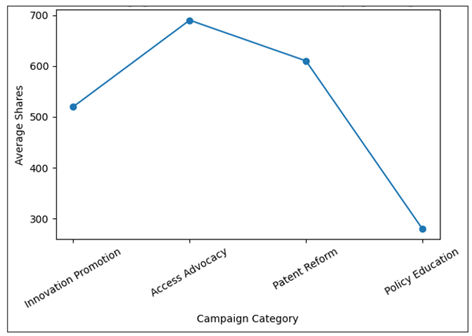
Figure 3 Audience Engagement Trends Across Visual Health
Campaigns
The analysis of engagement shows that the campaigns with the accents on the accessibility of medicine and humanitarian issues result in the greatest audience engagement rates. Particularly active advocacy visuals are the ones that cover the issue of vaccine access and patent reform, which indicates that viewers are highly responsive to the idea of healthcare equity as shown in Figure 3. Conversely, visually informative policy education materials get a significantly less engagement, which means that the need to use emotionally strong narrative is a key factor in audience interest. The emotional framing in visual narratives was also analyzed based on the scores of audience engagement of various emotions attached to the narrative. The patterns of emotional storytelling were divided into hope and innovation narrative, empathy-driven narrative, global solidarity messaging, and neutral educational visual, and activism-oriented campaign. Figure 4 shows the spread of the intensity of engagement by these categories of emotion storytelling.
Figure 4
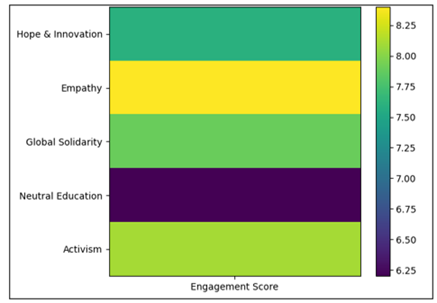
Figure 4 Heatmap of Emotional Storytelling Engagement
Patterns
The heatmap analysis shows that the storytelling with empathy causes the highest audience engagement scores. Illustrations about patient experiences, healthcare issues, and humanitarian issues enjoy the greatest rates of participation. Another aspect of activism-based imagery shows high engagement, which indicates the capability of protest-based visual communication to create attention in the masses in the face of a policy. The comparative analysis was also aimed at studying how the various institutions construct patent regime discourse using visual communication. Three types of institutional communication were analyzed, which included pharmaceutical industry campaigns, governmental public health campaigns, and non-governmental advocacy campaigns. Figure 5 shows differences in the narrative framing between these groups of people involved in communication.
Figure 5

Figure 5 Comparative Framing Strategies in Patent Communication Campaigns
The radar chart comparison indicates that there are different communication strategies within the institutional actors. Innovation stories and scientific success are highly promoted in the advertising campaigns of pharmaceutical industries. Communication materials created by the government show a more balanced framing strategy that integrates innovation message with messages about public health. However, strong focus on the equity narratives of access and humanitarian issues of affordability of medicine are highly regarded by advocacy organizations.
8. Discussion: Implications for Policy Communication and Public Engagement
The results of this study point to the remarkable power of visual narratives in defining the way people participate in controversial health policy discussions. Pharmaceutical innovation patent regimes include legal systems and economic factors that are not easily comprehensible to non-experts. Visual communication is a means through which these complexities can be deciphered into readable stories that can appeal to masses. The discussion reveals that visual representations often represent patent regimes using ideological approaches that focus on either innovation or accessibility. The innovation oriented stories will be inclined to draw attention towards the scientific advancements and technological exploits with respect to the pharmaceutical research. Such depictions support policy arguments that intellectual property protection is necessary as a strong motivator to innovation. Narratives that are centered on accessibility, in their turn, are focused on humanitarian issues and moral consequences of healthcare inequality. Use of imagery of vulnerable groups or of underserved health care settings stimulates viewers to think about the social impact of the restrictive patent policy. These stories tend to promote policy changes that seek to access more people to much-needed medicines. The overlapping of such competing strategies of storytelling describes the wider conflicts in global health governance. The policymakers should strike a balance between the necessity to encourage innovation and the ethical aspect of providing equitable access to healthcare. The visual storytelling contributes largely to the manner in which the population perceives these issues on policy. The results are also based on the significance of transparency and being ethically responsible in disseminating information on health. Narratives created through visuals that simplify the complicated policy discussions can unwillingly support polarization of views. Good policy communication must hence seek to create equal accounts that recognize the positive as well as the downsides of pharmaceutical patent regimes.
9. Conclusion
The analysis of the visual dataset suggests that the social discourse on the issue of pharmaceutical patenting is organized and framed by two paradigmatic discourses, the innovation-based and the accessibility-based ones. The stories of innovation often focus on the development of science, research institute, and technology growth, and the protection of patents is presented as a mandatory incentive of medical discovery. Conversely, accessibility stories place emphasis on patient stories, healthcare disparities, and humanistic issues regarding medicine affordability. The difference in these approaches to the storytelling demonstrates the core conflict between the protection of intellectual property and the distribution of healthcare fairly.The analysis of the audience involvement proves that the visual storytelling with the emotional basis of empathy creates the most significant levels of the interaction with the population. The campaigns based on humanitarian concerns of medicine accessiveness portray greater engagement as compared to the informational or technical communication strategies. Emotional framing is then a critical factor to influence the perception of health policy discussions among the population. When it comes to institutional analysis, it is also demonstrated that various actors have different visual communication strategies. Campaigns in the pharmaceutical industry focus on innovation stories, government health agencies use a balanced message emphasizing innovation and promoting health awareness in the population, and advocacy groups focus on accessibility and equity stories. Such communication practices add to the development of competing policy discourses in media settings. Recognition of the visual storytelling effect on social understanding of patent regimes may help policy makers and health communication scholars to create more open and inclusive communication strategies. The application of visual cultural analytics to a policy study can be a benefit in the understanding of how narrative framing can make people respond to complex matters of governance.
REFERENCES
Alaguthankamani, and Begum, F. A. (2025). Digital Marketing and its Effect on Women IT Employees’ Consumer Buying Behaviour in Online Shopping. International Journal of Research in Digital Marketing Research (IJRDMR), 14(2), 1–8. https://doi.org/10.65521/ijrdmr.v14i2.872
Furia, P. (2024). Landscape Between Representation and Performativity. Philosophies, 9(5), 153. https://doi.org/10.3390/philosophies9050153
Katahenggam, N. (2020). Tourist Perceptions and Preferences of Authenticity in Heritage Tourism: Visual Comparative Study of George Town and Singapore. Journal of Tourism and Cultural Change, 18, 371–385. https://doi.org/10.1080/14766825.2019.1659282
Kontiza, K., Antoniou, A., Daif, A., Reboreda-Morillo, S., Bassani, M., González-Soutelo, S., Lykourentzou, I., Jones, C. E., Padfield, J., and López-Nores, M. (2020). On How Technology-Powered Storytelling Can Contribute to Cultural Heritage Sustainability Across Multiple Venues—Evidence from the CrossCult H2020 Project. Sustainability, 12(4), 1666. https://doi.org/10.3390/su12041666
Li, N., Meng, F., and Martin, D. (2024). The Distorted Gaze? Travel Photo Editing in the Social Media Era. Journal of Travel Research, 64, 1804–1819. https://doi.org/10.1177/00472875241274562
Manlee, N., and Kasemsarn, K. (2025). The Authenticity Challenge in Digital and Social Media in Cultural Tourism: A Systematic Literature Review. Heritage, 8(11), 478. https://doi.org/10.3390/heritage8110478
Marques, A. B., Branco, V., and Costa, R. (2022). Narrative Visualization with Augmented Reality. Multimodal Technologies and Interaction, 6(12), 105. https://doi.org/10.3390/mti6120105
Page, M. J., McKenzie, J. E., Bossuyt, P. M., Boutron, I., Hoffmann, T. C., Mulrow, C. D., Shamseer, L., Tetzlaff, J. M., Akl, E. A., Brennan, S. E., and et al. (2021). The PRISMA 2020 Statement: An Updated Guideline for Reporting Systematic Reviews. BMJ, 372, n71. https://doi.org/10.1136/bmj.n71
Printezis, P., and Koutsabasis, P. (2026). Spatial Augmented Reality Storytelling in Arts and Culture: A Critical Review from an Interaction Design Perspective. Heritage, 9(1), 20. https://doi.org/10.3390/heritage9010020
Rodríguez-Illera, J. L., Barberà Gregori, E., and Molas-Castells, N. (2021). Reasons and Mediators in the Development and Communication of Personal Digital Stories. Education and Information Technologies, 26, 4093–4109. https://doi.org/10.1007/s10639-021-10460-z
Rubio-Hurtado, M. J., Fuertes-Alpiste, M., Martínez-Olmo, F., and Quintana, J. (2022). Youths’ Posting Practices on Social Media for Digital Storytelling. Journal of New Approaches in Educational Research, 11(1), 97–113. https://doi.org/10.7821/naer.2022.1.729
Xie, C., Yu, J., Huang, S., Zhang, K., and Yang, D. O. (2023). The “Magic Of Filter” Effect: Examining Value Co-Destruction of Social Media Photos in Destination Marketing. Tourism Management, 98, 104749. https://doi.org/10.1016/j.tourman.2023.104749
Zhang, Y., Reynolds, M., Lugmayr, A., Damjanov, K., and Hassan, G. M. (2022). A Visual Data Storytelling Framework. Informatics, 9(4), 73. https://doi.org/10.3390/informatics9040073
Zheng, Y., McConnell, R. J., Zhou, Z., Jefferies, T., Keeffe, G., Cullen, S., and Campbell, E. (2025). Visual Storytelling of Landscape Change on Rathlin Island, UK. Land, 14(6), 1304. https://doi.org/10.3390/land14061304
|
|
 This work is licensed under a: Creative Commons Attribution 4.0 International License
© ShodhKosh 2026. All Rights Reserved.