ShodhKosh: Journal of Visual and Performing ArtsISSN (Online): 2582-7472
|
|
Art, Media and Social Change: Evaluating the Aesthetic Impact of Government Scheme Advertisements on Rural Women’s Empowerment
Deepak Prasad 1
 , Dr. Pranav Mishra 2
 , Dr.
Swayam Prava Mishra 3
, Dr.
Swayam Prava Mishra 3
 ,
Anshita Gupta 4
,
Anshita Gupta 4 , Ketan
Kumar Kataria 5
, Ketan
Kumar Kataria 5 ,
Sushant Kumar 6
,
Sushant Kumar 6
1 Research Scholar, Amity School of
Communication, Amity University Madhya Pradesh, Gwalior, India
2 Assistant
Professor, Amity School of Communication, Amity University Madhya Pradesh,
Gwalior, India
3 Assistant Professor, Department of English, Anjaneya University
Nardaha, Raipur Chhattisgarh, India
4 Assistant Professor, Department of Journalism and Mass
Communication, Vivekananda Global University, Jaipur, India
5 Assistant Professor, Department of Journalism and Mass
Communication, Trinity Institute of Professional Studies, Delhi, India
6 Research Scholar, Department of Cultural and Media Studies, Central
University of Rajasthan, India
|
|
|
ABSTRACT |
|
|
Communication
programs by the government are significant in creating awareness regarding
the welfare programs and empowerment programs especially in rural areas
whereby the access to formal sources of information is not as high.
Advertisements in the public are often based on visual media and artistic
components that enable people to convey policy messages in a way that is
interesting and easy to understand. These campaigns cannot be effective
unless the information that is presented is accurate plus the aesthetic
design of the communication. Visual composition, color scheme, cultural
imagery, and storytelling are some of the elements that determine the
interpretation and memorability of advertisement messages to audiences. Most
of the government welfare programs such as financial inclusion programs,
healthcare programs, entrepreneurship support systems, and the education
development policies have rural women as a central target group. The levels
of awareness and participation in such programs however are not constant in
the rural areas. This paper is an investigation of the aesthetic effect of
the government scheme advertisements in raising awareness and empowerment
among women in the rural areas. To gauge the audience engagement, use of
advertisement content analysis, survey data collection and perception
evaluation was used as a mixed-method approach. Findings show that adverts
with culturally familiar images, well defined stories, and emotionally
interesting visual presentation are much more effective in creating awareness
and recalling the message than the ones that are based purely on information.
The results indicate that incorporating art-based communication practices in
governmental advertising can be used to elevate the efficiency of the
empowerment message and increase the social influence of the communicational
message of the public policy. |
|||
|
Received 11 December 2025 Accepted 16 March 2026 Published 28 March 2026 Corresponding Author Deepak
Prasad, deepak84.info@gmail.com DOI 10.29121/shodhkosh.v7.i2s.2026.7257 Funding: This research
received no specific grant from any funding agency in the public, commercial,
or not-for-profit sectors. Copyright: © 2026 The
Author(s). This work is licensed under a Creative Commons
Attribution 4.0 International License. With the
license CC-BY, authors retain the copyright, allowing anyone to download,
reuse, re-print, modify, distribute, and/or copy their contribution. The work
must be properly attributed to its author.
|
|||
|
Keywords: Media Aesthetics, Government Communication, Rural
Women Empowerment, Visual Communication, Social Change, Policy Advertising |
|||



1. INTRODUCTION
Welfare programs by the government usually depend on communication campaigns so that the target groups can get to know about services and opportunities available to them. During the strategy of communicating with people in rural places, the communication must overcome the obstacles of low levels of literacy, inadequate access to the digital media, and cultural diversification. Advertisements that are aired publicly often often depend on visual narratives, symbolism and artistic depiction to pass across the messages. Elements of artistic design can be used to convert the policy information to emotionally captivating stories that can be easily interpreted and recalled by the audiences. In most countries, rural development strategies involve women empowerment programs Almaghlouth and Almujaiwel (2023). Such programs involve financial inclusion programmes, maternal health programs, entrepreneurship support programs, education opportunities, and the social protection systems. It is also crucial to efficiently share the information on such initiatives so that the target beneficiaries can receive the desired benefits. Nevertheless, the conventional means of communication like text messages, official advertisements, or posters do not always succeed in reaching rural women because of language barriers and literacy rates Akram and Mason (2025). This communication gap is tried to be bridged by visual media campaigns such as posters, television advertisement, online videos, and community awareness material. Through art visuals, storytelling, and symbols that are relevant to the culture, these campaigns develop simple messages that may appeal to different audiences Dempere and Abdalla (2023).
Figure 1
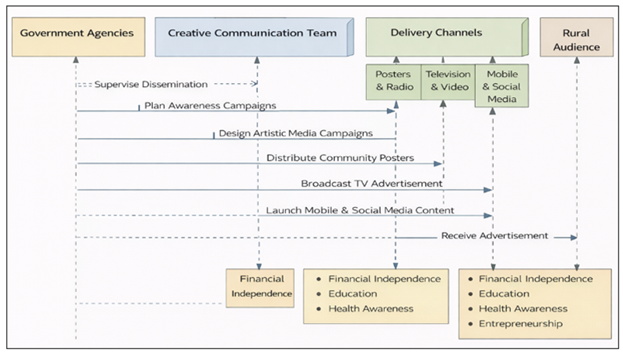
Figure 1 Government Advertisement Communication for Rural Women Empowerment Campaigns
The aesthetic composition of advertisement has an effect on the level of emotional involvement, the level of attention and the way the message of the individual advertiser or a particular product is perceived. Public policy messages can be made more accessible and memorable using bright colors, relatable characters, traditional cultural motifs, and narratives that are made clear to the eyes as shown in Figure 1. The majority of policy reviews are mainly on the implementation of the program or the rate of participation as opposed to the design of communication that enlighten the citizens about the programs. The way visual design elements can affect the creation of awareness and behavioral responses can be an improvement on the future campaigns Sarkki et al. (2021).
The study examines how the artistic media can be used to communicate government empowerment programs to the rural women. Through the visual advertising of welfare schemes analysis and measurement of the responses of the audience, the study will be able to determine the aesthetic features that can increase understanding of the message and participation in the program Zhang et al. (2024). The study will add to the cross-disciplinary discourse of media studies, the communication of public policy, and gender empowerment by showing how artistic design affects the social change agenda.
2. Background and Related Work
Visual communication and social influence have been the subject center of media research and communication theory. Visual imagery has the ability of communicating intricate concepts within a short time therefore it is a robust means of communicating messages to the population. Researchers have also pointed out that visual media is able to elicit emotional reactions and cultural links that might not be attained when using textual communication. Visual storytelling is useful in conveying technical policy messages to the public into people-centered narratives that the consumers can relate to easily Ihsaniyati et al. (2023). Advertising campaigns by the government have been used in the past to conduct high health awareness campaigns, education programs, and economic development programs. To increase the level of engagement, a lot of artistic effort is employed in public service announcements through the use of symbolic images, storyline characters, and cultural themes Deng et al. (2021). Experts in the field of communication have proved that advertisements that have culturally relevant images enhance the understanding and acceptance of the message by the local people. This concept is especially significant in the rural setting where cultural identity and traditional symbolism are very important in perception. Empowerment communication studies on women have emphasised the need to incorporate all-inclusive message tactics that measure the lived experiences of the targeted populations. Images of women engaging in education, entrepreneurship or community leadership undertakings are commonly used in empowerment narratives Akosile and Olatokun (2020). These representations have informational and motivational purposes and make viewers follow the role models they see. Research has shown that when women are positively represented in the media, they tend to develop a better attitude of themselves and a desire to engage in social development programs. The other area of literature that is relevant is the aesthetics of the media and persuasion. The aesthetic design incorporates visual layout, color choice, typography, image and story flow Belikov et al. (2021). All these factors influence the reception and attitude of media content by the audience. Empirical studies indicate that aesthetically attractive adverts are easier to follow and have a better emotional appeal. The message retention and recall is also enhanced by visual harmony and clarity.
3. Conceptual Framework: Art, Media and Social Change
The role of artistic media as a significant tool of social change is that it affects the shared perception and creates cultural discourses. Visual communications have the capability to reduce the complexity of complex social messages to be understood by different audiences who may have varying levels of education Eliwa et al. (2023). When applied to rural development, artistic media can assist in the translation process of the policy goals into meaning and recognizable narratives. Government advertisements are using visual metaphors, narrative informing, and familiar with the culture imagery to present empowerment programs. The theoretical framework of the present research is an exploration of the interaction between aesthetic qualities of the ads and the audience perceptions to create effects of empowerment.
Figure 2

Figure 2 System Architecture of Government Advertisement Communication for Rural Women Empowerment Campaigns
This framework has three pillars namely: the visual aesthetics, communication engagement dimension and empowerment impact. The visual aesthetics can be seen as the elements of art incorporated into the design process of advertisements such as the color scheme, choice of imagery, characterization, typography, and the plot presented in Figure 2. These factors have an impact on the first perception and understanding of message by the audiences. Engagement in communication, which is created by aesthetic design, is cognitive and emotional response. When a viewer is exposed to visually appealing adverts, they stand a better chance of capturing their attention thus being able to process the information in a better way. Emotional resonance that is achieved by telling the story or a relatable imagery enhances memory and motivates the viewers to ponder on the message. Involvement is thus an intermediate between artistic design and behavioral results Kamarudin et al. (2021). The end goal of government communication campaigns is empowerment impact. This aspect will include knowledge of welfare programs, belief about program benefits, desire to join, and perceived assurance to use institutional resources. In cases where such advertisements are effective in passing the stories of empowerment, women in rural communities can become more aware of the opportunities available and become more willing to work with government programs. The framework also considers situational variables affecting the outcome of communication. The visual message perception of the rural audience is influenced by cultural norms, language variety, and the ability to access media platforms. Ads that use objects or situations common in the locality can connect with the audience better compared to those that are completely generic in nature and promotion.
4. Government Scheme Advertisement Ecosystem
Awareness campaigns conducted by the government to the rural people exist in a multi-media complex communication ecosystem which combines various media platforms and distribution channels. Conventional forms of communication like community posters, village notice boards and radio announcements are still an important aspect in rural areas where internet is still not widespread Huang and Lu (2022). These conventional media are frequently augmented by television commercials, by mobile messaging programs, and by social media reach-out endeavors. Such advertisements promoting women-related government programs normally focus on the aspects of financial autonomy, education, health consciousness, and entrepreneurial activities. In many instances, visual representations depict rural women who are busy doing productive tasks like operating a small business, participating in agriculture, or even leadership positions in the community as in Figure 3. These images are aspirational narratives that are aimed at encouraging the audience to imagine that they can have the same possibility in their lives. These ads have aesthetic structure that differs based on the medium of communication. Bright color schemes and simplified visuals are usually used in printed posters to draw attention in the open area Shanmugasundaram and S. S. (2025). Through television and video commercials, narrative storytelling, music and character conversations are used to develop emotionally appealing experiences.
Figure 3
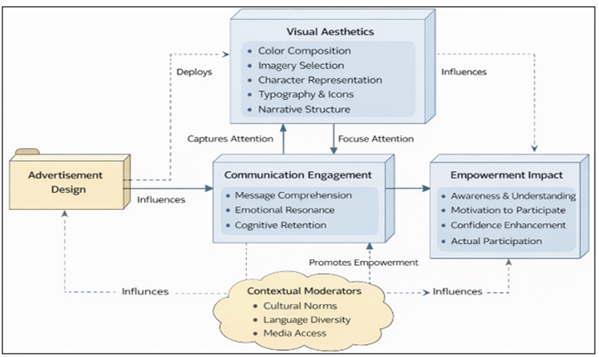
Figure 3 Block
Schematic of Framework for Empowerment Through Media
These digital campaigns can incorporate animation, motion graphic and interactive features according to the social media viewers. Governmental agencies usually work collaboratively with innovative creative communication departments to produce campaign materials which is culturally aligned as well as linguistic diversity. In multilingual rural areas, adverts can be created using the local language and using locally used visual imagery to enhance relatability. Symbolism in culture like agricultural sceneries, family setups, or traditional clothing can strengthen reality and recognizability. Communication problems are still there. The influence of advertisements can be diminished through the information overload, inconsistency, and a lack of assessment of the campaign effectiveness Shakil (2021). Lack of visualization and unrelated contexts of the policy details might also present a challenge to the rural viewers in understanding the specifics of the policy. A study of the ecosystem of government advertisement campaigns gives one the understanding of how communication strategies can be modified according to these challenges. It is important to understand how the message of empowerment can be more effective by comprehending the interaction between artistic design, the channels of media distribution, and the audience reception. Through the holistic analysis of the advertisement ecosystems, policymakers and communication designers can be able to devise more specific-targeted measures that would effectively reach the women in the rural areas and bring about the positive social transformation.
5. Research Methodology
The research design is the mixed-method research to measure the aesthetic effect of government scheme advertisements on the awareness of rural women empowerment. Quantitative and qualitative forms of analysis will help analyze the impact of visual communication on the perceptions and behavioral reactions of the audience. The research design is comprised of three main elements, namely advertisement content analysis, survey-based perception assessment, and comparative impact assessment. The content analysis of advertisement entails the analysis of a sample of advertisements of the government in the context of awareness program of women empowerment. The materials will consist of posters, television advertisements, and campaign videos online. The advertisements are rated on a set of aesthetic criteria determined beforehand, i.e., clarity, color balance, relevance of imagery, narrative, and tone of the advertisements. The goal of the analysis is to detect artistic patterns that are generally applied in empowerment messages. The second element of the methodology is the use of the survey type of data collection among the rural women subjects. The respondents will be introduced to the choice of ads and will be required to rate their readability, emotional appeal and persuasiveness. The factors assessed by survey questions include message comprehension, ability to recall, perceived relevance of the content of the advertisement. Demographic data is also gathered in the survey to investigate whether respondents can be different in terms of age, education, or job category. The qualitative data will be collected by short interviews with the participants where the researcher will be able to know how people perceive the visual symbols and stories in the advertisement. Such interviews facilitate the determination of cultural issues that can play out in interpretation and engagement. The analysis of the data will involve a descriptive statistical analysis of the survey findings and a thematic analysis of the qualitative feedback. It is compared to establish whether advertisements that are more aesthetically designed have better scores of awareness and engagement. The methodology seeks to offer a delicate insight into the role played by artistic media in the process of empowerment communication through the adoption of several analytical approaches. Such a methodology would help make the research both quantitative and qualitative in terms of outcomes and context assessment to better assess the correlation between media aesthetics and social empowerment efforts.
6. Advertisement Aesthetic Analysis
Aesthetic analysis of government scheme advertisements is aimed at determining the artistic features that predetermine the involvement of the audience and the interpretation of the message. The visual design is central to the shape of the process whereby viewers perceive advertisements and this may be relevant whereby textual information might not be adequate. Thsere are a number of aesthetic features that come out as key elements of effective empowerment messaging. One of the brightest visual elements of government advertising is color composition. Bright and contrast colors are eye catching and bring visual hierarchy to posters or video frames. Red, orange, and yellow are typical warm colors that can be seen as energy-giving, positive, whereas green and blue are associated with growth, stability, and trustworthiness. Good advertisements are well balanced in terms of color saturation and in clarity so as not to overload the eyes.
Table 1
|
Table 1 Advertisement Aesthetic Evaluation Metrics |
||||
|
Advertisement Feature |
Evaluation Criteria |
Mean Score (1–5) |
Standard Deviation |
Impact Level |
|
Color Composition |
Visual attractiveness
and clarity |
4.3 |
0.62 |
High |
|
Imagery Relevance |
Cultural and
contextual appropriateness |
4.5 |
0.58 |
Very High |
|
Narrative Storytelling |
Ability to communicate
empowerment message |
4.2 |
0.71 |
High |
|
Typography &
Layout |
Readability and
information clarity |
3.9 |
0.66 |
Moderate |
|
Emotional Engagement |
Ability to inspire or
motivate viewers |
4.4 |
0.60 |
Very High |
The evaluation scores of imagery relevance and emotional involvement were the highest implying that images that were culturally relatable have a significant effect on the audience. The choice of imagery is another example that has a great impact on the audience. Cases of advertisements often feature women in rural settings doing education, business, or enjoying community life. These representations are aspirational symbols which prompt viewers to perceive empowerment programs as real life opportunities. Agricultural setting or village community images are examples of images that show the local cultural contexts, which make them more relatable and closer to reality. Storytelling through narrative also makes the communication more effective. Adverts via the television would have short stories on how a government initiative changed the life of a woman. These kinds of storytelling form emotional attachment to the viewers and the contents of the advertisement. Emotional resonance enhances memory of the message, and further makes viewers think of trying similar programs. Layout design and typography also make it readable and unambiguous. Basic fonts and clear visual design will make sure that the key information is available even to the viewers with low literacy rates. Textual information can be supplemented with icon, symbols and visual elements to support important messages.
7. Impact Assessment on Rural Women’s Empowerment
To measure the effectiveness of the government advertisements in empowering the rural women, it is necessary to assess the outcome of the awareness as well as the outcome of the behavior. Responses to these surveys as part of the research have shown that visually attractive adverts are very effective in creating awareness about the government welfare schemes. The advertisers that include culturally relevant imagery and narrative story telling have a superior result in the understanding of the message than those advertisers who use only informational posters. Among the most significant study results, there is the one connected with the enhanced knowledge of existing empowerment initiatives. Respondents indicate they are more familiar with schemes to do with financial inclusion, support to self-employment and maternal health services after they have looked at advertisement materials. The visual storytelling seems to make complex program information clearer and easier to grasp, which allows participants to learn about the benefits of the program. Affective involvement also contributes to the shaping of the perceptions of empowerment. Advertisements with familiar success stories of women in the country motivate the audience because they show concrete results of government initiatives. Interviewees often report that they are inspired by visual stories that show women becoming economically self-sufficient or furthering their education.
Table 2
|
Table 2 Perceived Empowerment Outcomes after Advertisement Exposure |
|
|
Empowerment Indicator |
Percentage of
Respondents Reporting Improvement |
|
Increased awareness of
government schemes |
74% |
|
Motivation to
participate in programs |
61% |
|
Confidence in
accessing government services |
56% |
|
Interest in
entrepreneurship opportunities |
48% |
|
Community discussion
about schemes |
52% |
The level of awareness increased to 74, which is a sign of high effectiveness of the advertisement campaigns in terms of communication. Another measure of advertisement effect is behavioral intentions. The results of the survey indicate that people who see aesthetically pleasing advertisements indicate they would be more willing to get further information regarding empowerment schemes. A portion of the participants mentions that they talked about advertisement messages with their family members or community groups, which implies that visual campaigns have the potential to provoke extensive social dialogue. Another challenge noted in the impact assessment concerns the issues of the clarity and access of the messages. Advertisements that are overloaded with information or use terms that are not well known can cause a lack of understanding. Regional cultural differences may also affect the interpretation of visual signs and stories by the audiences.
8. Case Studies of Government Awareness Campaigns
Case studies also offer useful information on how artistic media can be used by government communication campaigns to popularize empowerment initiatives. There are examples of the visual storytelling and culturally sensitive imagery used to raise awareness of welfare schemes in the community with several campaigns. A prominent initiative advertises the financial inclusion programs that portray the rural women as having been able to operate small businesses with the aid of the microcredit programs. The campaign related posters have colorful pictures of women involved in agricultural trade, handicraft production and small scale retail businesses. These visual stories emphasize the independence in economy and community leadership which gives the empowerment message solid.
Table 3
|
Table 3 Demographic Distribution of Survey Participants (Rural Women Respondents) |
||||
|
Age Group |
Education Level |
Occupation |
Number of Respondents |
Percentage (%) |
|
18–25 |
Secondary School |
Students / Homemakers |
42 |
21% |
|
26–35 |
High School / Diploma |
Agriculture /
Self-employment |
63 |
31.50% |
|
36–45 |
Primary Education |
Agriculture /
Household Work |
51 |
25.50% |
|
46–55 |
Primary / No Formal
Education |
Household / Small
Trade |
28 |
14% |
|
56+ |
Limited Education |
Household Activities |
16 |
8% |
|
Total |
— |
— |
200 |
100% |
Most of the respondents are between 26 and 35 years of age, and it is a good representation of economically active women in the rural areas. The other campaign is on the maternal healthcare awareness. Advertisements on the television depict a young mother getting medical help and attending health programs in the community. The story highlights the significance of prenatal care, institutional birth and health support systems run by the government. The warm color schemes and emotionally ill music adds to the psychological effect of being reassured by the visual appearance that fosters confidence in health services.
Table 4
|
Table 4 Case Study Comparison of Government Advertisement Campaigns |
||||
|
Campaign Name |
Advertisement Medium |
Key Visual Theme |
Audience Engagement
Score (1–5) |
Participation Increase
(%) |
|
Financial Self-Help
Groups Campaign |
Posters + TV Ads |
Women entrepreneurship
imagery |
4.4 |
32 |
|
Maternal Health
Awareness |
Television + Mobile
Videos |
Family health and
medical care |
4.3 |
29 |
|
Rural Skill
Development Initiative |
Posters + Community
Events |
Women learning
vocational skills |
4.1 |
27 |
|
Education for Girls
Program |
Social Media + Posters |
School participation
imagery |
4.2 |
30 |
Multi-media campaigns had a better engagement result. A third campaign deals with education opportunities to girls and women in the rural communities. Advertising resources represent the classrooms with female students and favorable female teachers. The overlying bright color scheme and festive imagery establish a positive atmosphere which establishes education as the opportunity to empowerment and social mobility. The comparative analysis of these case studies shows that the campaign based on the combination of artistic storytelling is more likely to succeed in reaching the goal of engaging the audience than the campaign based on the textual announcements. The use of visual narratives helps the audiences visualize the real world benefits of government programs by converting the abstract ideas of an existing policy into something they can relate with. Cultural authenticity in communication design is also brought out in case studies. Advertisement using known surroundings, traditional attires, and daily community scenarios hold more appeal to the rural folks. This kind of authenticity helps to build trust and make audiences perceive messages as referring to their own lives.
9. Results and Discussion
The final findings of the study show that there is a definite correlation between the aesthetics of advertisement and empowerment awareness among the women in the rural communities. The numerical analysis of the responses in surveys indicates that the participants are always willing to rate advertisements that are visually stimulating as clearer as and more memorable than its promotion texts full of information. Adverts that include narrative storytelling are rated with very high scores on engagement.
Table 5
|
Table 5 Awareness Level Before and After Advertisement Exposure |
|||
|
Government Scheme
Category |
Awareness Before
Campaign (%) |
Awareness After
Campaign (%) |
Improvement (%) |
|
Financial Inclusion
Schemes |
38 |
67 |
29 |
|
Maternal Healthcare
Programs |
42 |
71 |
29 |
|
Women Entrepreneurship
Support |
25 |
58 |
33 |
|
Skill Development
Programs |
30 |
62 |
32 |
|
Educational Support
for Girls |
46 |
74 |
28 |
The effectiveness of the visual communication strategy was shown by the 2833 percent of awareness as a result of the advertisement campaigns. Statistical analysis shows a higher message recall among respondents who are subjected to aesthetic structured adverts. The subjects often recollect visual cues like characters, colors, and imaginary imagery even in cases where they are unable to recall wordy data. This observation is in line with the current communication theory that visual messages are dominant in memory formation.
Figure 4
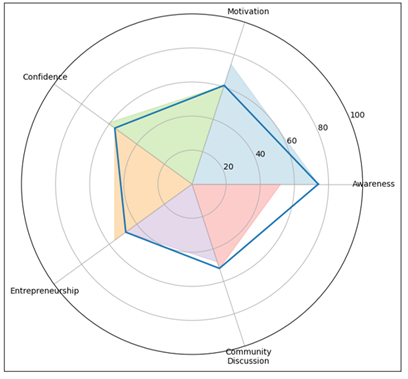
Figure 4 Provides
A Radar Visualization of Perceived Empowerment Outcomes Among Respondents
Radar chart shows in Figure 4 that the level of awareness improvement is the most effective among the respondents, and entrepreneurial motivation and community discussion are the new spheres of influence. The even allocation of the indicators of empowerment shows the multidimensional impact of the communication campaigns on rural audiences that is presented in Figure 4. In the last analysis phase, the effectiveness of the various advertisement campaigns, which consider the category of empowerment programs, is compared. The measurement incorporates awareness increment, aesthetical assessment outcomes, and empowerment outcome measures. The heatmap as a result gives a concise picture of the performance of the different campaigns in terms of different dimensions of impact.
Figure 5
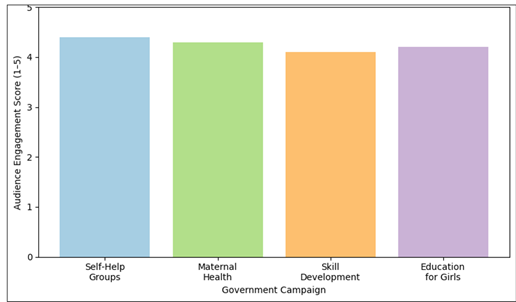
Figure 5 Comparison Across Different Government Communication Campaigns
Based on the engagement results, it can be seen that the campaigns based on financial self-help groups have the highest viewer engagement rating, which indicates the high impact of the presence of relatable imagery and storytelling. There was also high involvement in educational and healthcare campaigns, which proves that advertisement communications that represent family and community settings are highly relevant to the rural population. The qualitative feedbacks shared by the participants also provide more weight to the cultural familiarity importance during the advertisement designing showcased in Figure 5. The participants place more trust in the advertisements which describe familiar rural setting and daily situations. The representation of women in empowerment activities produces aspirational stories that make viewers see that they can also achieve the same in their lives. The role of emotional involvement in forming the perceptions of empowerment is also discussed. The advertisements with the positive transformation stories induce hope and confidence in the viewers. These types of emotional reactions can encourage consumers to research more on existing programs.
Figure 6

Figure 6 Illustrates the Campaign Effectiveness Heatmap Derived from the Combined Dataset
The heatmap illustration indicates that the performance of campaigns covering such topics as financial inclusion and maternal healthcare is strong and indicates that the advertisements that are focused on the immediate household issues are more likely to achieve greater results in terms of engagement rates and awareness as represented in Figure 6. Entrepreneurship and skill development programs also show great gains, but their efficiency differs depending on how clear and relevant to the culture the visual narrative was. Adverts should also have a balance between artistic designs and available explanations of eligibility and benefits of the program. Unnecessary complication or unclear communication may degrade otherwise pretty campaigns.
10. Conclusion
As the analysis of government scheme advertisements to rural women has shown, the visual media and art design play an important role in the effectiveness of the communication of the policy. Integration of culturally recognizable images, interesting narratives, and visually-systematized design enhance the level of understanding and memorization of the policy-related information in rural populations. It has been found that aesthetically appealing advertisements generate statistically significant growth in the awareness of empowerment programs like financial inclusion programs, maternal care programs, entrepreneurship support programs, and education chances of women. The studies of viewers feedback show that the visual narratives depicting success stories that people can relate to generate more emotional appeal than informational campaigns. Emotional resonance enhances recalling of the message and encourages the viewers to seek government services and welfare programs. The number of people taking part also goes up when the campaigns are done through several mediums, and this includes the use of the television, posters and online communication mediums. The appreciation of culturally familiar symbols and rural setting of the community strengthens credibility and sincerity in the message of advertisements. The empirical findings affirm that the presence of visually attractive advertisements helps to increase the level of awareness and the intention to participate among the rural women. The analysis has been able to point out that the results of empowerment are not just limited to awareness but also extended to greater confidence in seeking institutional services and greater desire to participate in entrepreneurial or educational programs. Nevertheless, the communication strategies should be designed to provide noticeable artistic qualities as well as clarity of information so that the audiences find it easier to decode policy details. The results highlight the importance of media aesthetics being considered as a strategic element of the planning of the process of communication with people. Government agencies can increase the social effects of empowerment campaigns by combining the ability to tell stories through artistic means with culturally contextualized design. Proper visual communication can turn the announcements of a policy into narratives that would motivate the engagement. The role of the visual arts in inclusive rural development will continue to be reinforced through further research on the communication design, methods of digital outreach and culturally adaptive media structure.
CONFLICT OF INTERESTS
None.
ACKNOWLEDGMENTS
None.
REFERENCES
Akosile, A., and Olatokun, W. (2020). Factors Influencing Knowledge Sharing Among Academics in Bowen University, Nigeria. Journal of Librarianship and Information Science, 52(2), 410–427. https://doi.org/10.1177/0961000618820926
Akram, H., and Mason, A. (2025). Recasting Gender Roles: A Study of Indian Television Commercials (2011–2020). Journalism and Media, 6(4), 166. https://doi.org/10.3390/journalmedia6040166
Almaghlouth, S., and Almujaiwel, S. (2023). Computational Techniques for Analyzing Women's Social Change in Saudi Newspapers. Social Sciences, 12(3), 114. https://doi.org/10.3390/socsci12030114
Belikov, O., Vanleeuwen, C. A., Veletsianos, G., Johnson, N., and Prusko, P. T. (2021). Professional and Personal Impacts Experienced by Faculty Stemming from the Intersection of the COVID-19 Pandemic and Racial Tensions. Journal of Interactive Media in Education, 2021(1), 1–15. https://doi.org/10.5334/jime.647
Dempere, J., and Abdalla, S. (2023). The Impact of Women's Empowerment on the Corporate Environmental, Social, and Governance (ESG) Disclosure. Sustainability, 15(10), 8173. https://doi.org/10.3390/su15108173
Deng, G., Zhang, J., Ye, N., and Chi, R. (2021). Consumers' Human Nature and Their Shopping Channel Choices in the Emerging Artificial Intelligence Era: Based on Xunzi's Humanity Hypothesis. International Marketing Review, 38(5), 736–755. https://doi.org/10.1108/IMR-01-2019-0026
Eliwa, Y., Aboud, A., and Saleh, A. (2023). Board Gender Diversity and ESG Decoupling: Does Religiosity Matter? Business Strategy and the Environment. Advance Online Publication. https://doi.org/10.1002/bse.3353
Huang, J., and Lu, S. (2022). ESG Performance and Voluntary ESG Disclosure: Mind the (Gender Pay) Gap. SSRN. Preprint.
Ihsaniyati, H., Sarwoprasodjo, S., Muljono, P., and Gandasari, D. (2023). The Use of Social Media for Development Communication and Social Change: A Review. Sustainability, 15(3), 2283. https://doi.org/10.3390/su15032283
Kamarudin, K. A., Ariff, A. M., and Wan Ismail, W. A. (2021). Product Market Competition, Board Gender Diversity and Corporate Sustainability Performance: International Evidence. Journal of Financial Reporting and Accounting, 20(2), 233–260. https://doi.org/10.1108/JFRA-01-2021-0020
Sarkki, S., Dalla Torre, C., Fransala, J., Živojinović, I., Ludvig, A., Górriz-Mifsud, E., Melnykovych, M., Sfeir, P. R., Arbia, L., Bengoumi, M., Chorti, H., Gramm, V., López Marco, L., Ravazzoli, E., and Nijnik, M. (2021). Reconstructive Social Innovation Cycles in Women-Led Initiatives in Rural Areas. Sustainability, 13(3), 1231. https://doi.org/10.3390/su13031231
Shakil, M. H. (2021). Environmental, Social and Governance Performance and Financial Risk: Moderating Role of ESG Controversies and Board Gender Diversity. Resources Policy, 72, 102144. https://doi.org/10.1016/j.resourpol.2021.102144
Shanmugasundaram, D. S., and S. S. (2025). The Role of Artificial Intelligence in Industry 4.0: Overview, Challenges and Outlook. International Journal of Research and Development in Modern Research, 14(2), 46–50. https://doi.org/10.65521/ijrdmr.v14i2.1273
Zhang, J., Liu, X., Feng, Z., and Feng, X. (2024). Research on the Influencing Factors of Art Intervention in the Environmental Graphics of Rural Cultural Tourism Space. Land, 13(10), 1680. https://doi.org/10.3390/land13101680
|
|
 This work is licensed under a: Creative Commons Attribution 4.0 International License
© ShodhKosh 2026. All Rights Reserved.