ShodhKosh: Journal of Visual and Performing ArtsISSN (Online): 2582-7472
|
|
Role of Media Campaigns in Shaping Menstrual Hygiene Behaviours in Adolescents
Sarima Thakur 1
 ,
Dr. Chanchal Sachdeva Suri 2
,
Dr. Chanchal Sachdeva Suri 2 ,
Dr. Nisa Askari 3
,
Dr. Nisa Askari 3 , Dr. Harmeet Kaur
Kochhar 4
, Dr. Harmeet Kaur
Kochhar 4 , Dr. Amit Verma 5
1 Research
Scholar, University Institute of Media Studies, Chandigarh University, Mohali,
Punjab-140413, India
2 Associate
Professor, University Institute of Media Studies, Chandigarh University,
Mohali, Punjab -140413, India
3 Assistant Professor, Centre for Media and Mass Communication
Studies, Jamia Hamdard University, Delhi, India
4 Assistant Professor, University Institute of Media Studies,
Chandigarh University, Mohali, Punjab, India
5 Associate Professor, Journalism and Mass Communication, Centre for
Distance and Online Education, Manipal University Jaipur, India
|
|
|
ABSTRACT |
|
|
This study
looks at how the media campaigns have influenced teenage menstrual hygiene
practices. Specific focus was placed to comprehend how media exposure,
campaign awareness and perceived efficacy of campaigns influence menstrual
hygiene knowledge and practices. 100 adolescents in Chandigarh, India were
questioned as part of this study. Descriptive and regression analyses were
conducted to determine the relationships between media exposure, awareness
and menstrual hygiene practices. With media exposure and awareness of media
campaigns, improvement in menstrual hygiene practices can be noted. Perceived
efficacy of media campaigns in changing menstrual hygiene practices was
highly predicted by media exposure as well as awareness through media
campaign. It was also noted in terms of its influence on knowledge and
perception. The implication of these findings is that media campaigns should
be used to enhance teenage menstrual hygiene practices significantly. There
should be more media work, particularly in the rural regions to comprehend
lapses in the knowledge level, improvising behaviour.
The recognition of the media influence on the health behaviours
of adolescents is a critical result of the study. It also directs the public
health professionals and politicians to frame policy framework which could
improve the menstrual hygiene practices. |
|||
|
Received 21 September 2025 Accepted 25 December
2025 Published 17 February 2026 Corresponding Author Dr. Amit
Verma, Amit.verma@jaipur.manipal.edu DOI 10.29121/shodhkosh.v7.i1s.2026.7167 Funding: This research
received no specific grant from any funding agency in the public, commercial,
or not-for-profit sectors. Copyright: © 2026 The
Author(s). This work is licensed under a Creative Commons
Attribution 4.0 International License. With the
license CC-BY, authors retain the copyright, allowing anyone to download,
reuse, re-print, modify, distribute, and/or copy their contribution. The work
must be properly attributed to its author.
|
|||
|
Keywords: Media campaigns, Menstrual hygiene, Adolescents,
Health behaviour, Regression analysis |
|||



1. INTRODUCTION
Adolescence is a life phase of transition characterized by a fast physical, emotional, and social developments. Menstruation is also one of the most important milestones in the period of girls. In the case of teenage girls, menstruation is not only a biological process, but it can influence physical health, emotional growth, academic persistence and social involvement. Properly handled and in a dignified way, it helps build confidence and independence. Nonetheless, in the environment of stigma, misinformation, and insufficiently available resources, menstruation may be a cause of distress and exclusion. Although menstruation has an undoubtedly universal and natural nature, it remains a taboo topic in most societies, especially in low and middle-income countries, where the discriminatory rules and cultural constraints are firmly rooted Sumpter and Torondel (2013). The impact of poor management of menstrual hygiene (MHM) in adolescence is extensive. Poor water and sanitation facilities, inaccessibility to sanitary products and a lack of knowledge on the health aspects of menstruation may expose adolescent girls to infections of the reproductive tract, discomfort and anxiety. On top of physical health consequences, bad menstrual hygiene practices were also associated with school absence, poor academic achievements, and social isolation House et al. (2019). In most of the environments, girls can skip school when they are on their menstrual periods because of the fear of leaking, being mocked, or the unavailability of sanitation bays, which adds to gender-related disadvantages. These issues indicate the necessity of effective interventions that are scalable beyond infrastructure and focus on awareness, attitudes and behavioural change.
It is in this respect that media campaigns have come to be seen as a potential approach to the promotion of menstrual hygiene management. The objectives of the public communication efforts are not only to spread the correct information regarding menstrual care practices but also break the stigma, make the discussion normal, and empower adolescents Rao et al. (2022). With time, the media has developed out of the traditional media adverts whereby the emphasis was on promoting the product to more integrated media adverts that aim at empowering, promoting dignity and teaching health. The growing presence of mass media and the internet has generated new platforms to manipulate knowledge and behaviour of teenagers on a massive scale.
Figure
1

Figure 1 Source: Tata Trusts, May 2025, Retried from https://www.tatatrusts.org/media/media-reports/social-media-campaign-urges-india-to-view-menstruation-as-a-sign-of-health
A wide range of media platforms has been utilized to spread awareness regarding menstrual hygiene, including television broadcasts, radio programs, print media, digital campaigns, and online communities Adhikari et al. (2020). Social media platforms, in particular, provide interactive spaces where adolescents can access information, share experiences, and seek clarification anonymously. These initiatives aim to dismantle prevailing taboos and equip teenage girls with accurate, evidence-based knowledge about menstruation. By fostering open dialogue and relatable narratives, media campaigns attempt to cultivate confidence, self-efficacy, and a sense of dignity in managing menstruation.
Also, media efforts aim to reach an extensive demographic, especially underprivileged & isolated regions where customary menstrual health education may be limited Haver (2021). Considering the great potential of media initiatives, no adequate study has already been accomplished to determine how such commercials could influence teenage behaviour & menstrual hygiene habits in the decades to come. This study investigates how media campaigns influence juvenile menstrual sanitation behaviours. It concentrates on looking at the ways in which these marketing campaigns influence how people handle their menstrual hygiene knowledge, attitudes, & behaviours, especially in rural areas where there is restricted access to sanitary products & education. This study seeks to expand knowledge of how media could potentially be utilised to alleviate menstrual health issues. It also encourages improvement in hygiene practices among teenagers globally through determining the beneficial effects of media-driven initiatives.
2. Review of Literature
Adolescents' menstrual hygiene habits have been influenced by media campaigns, that are becoming more commonly recognised being an important tactic to help improve health outcomes in countries with middle and low incomes. From 2017 to 2024, a growing scope of study shows how media might alter how humans perceive menstruation while encouraging young people to adopt better menstrual hygiene.
· Tomlinson (2024) examines How media coverage, social media, & the menstrual movement have contributed to helping young people in Great Britain avoid feeling discriminated against concerning their periods. The study intended to investigate how these mediums affect teenagers' perspectives on menstruation & the movement's approach to inclusive gender representation. Focus groups with 77 male, female, & non-binary teens in Yorkshire have been utilised in the study. The results revealed that young people are now accepting menstruation as a regular physiological process because of its more prominent presence on digital media, which promotes candid conversations in mixed-gender contexts. Even while many young males indicated a willingness to find out more, many were feeling disconnected from the interaction and remained unclear on how to proceed with this issue. Incorporating men as sympathisers & elevating the experiences of activists from ethnic minority groups could help in eliminating stigma, based on the study. Also, social media has had an important effect on how adolescents participate in campaigning and menstrual health lobbying, corresponding to the research.
· Papadopoulou et al. (2024) explores customer views in the feminine hygiene domain as an outcome of femvertising, an approach to advertising that integrates promoting goods with trends of empowering for women. Advertising in this domain has hitherto frequently used stereotypical & stigmatised depictions of women. Yet more progressive & liberating themes have become more prevalent in recent years. To determine the consequences of each on consumer purchasing behaviour, the study contrasts insightful advertising focusses on giving customers accurate information about a product, with transformational advertising. This research seeks to intuitively engage and inspire consumers. The study's four experimental investigations demonstrate that transformational collaboration outperformed messages that provide information in terms of their beneficial impact on consumer behaviour. The alignment of the message structuring with the consumer's construal level mindset—the degree to which an individual understands conceptually or precisely about a problem—is an essential element determining this level of achievement. The successful outcome of femvertising has also been shown to vary significantly mediated by perceived integrity. These results demonstrate that for femvertising to be productive, marketers must communicate messages that are legitimate, comprehensible, and precisely adapted to the conceiving of the consumers they are targeting. This study demonstrates the significance of psychological involvement & congruence with customer preferences, equipping firms wishing to use femvertising strategies with beneficial knowledge.
· Sharma and Kakchapati (2023) examines linking mechanism between maternal healthcare access & mass media exposure in Nepal, alongside an aim of enhancing women's physical and mental health. In rural as well as urban regions, 14,085 women within the age group of 15 and 49 had their data investigated using logistic regression, bivariate analysis, & descriptive analysis. According to the research, women who are regularly exposed to media are far more inclined to use health services and adopt healthier routines like HIV comprehension and testing, alcoholic apathy, menstrual hygiene management, along with nonsmoking. In low-resource contexts, the study stresses the valuable impact of media on health outcomes & proposes that concentrated media campaigns can be an effective means to promote maternal healthcare & broad wellness awareness.
· Bengtsson et al. (2022) investigates how media endeavours influence Swedish teenagers' objectives to practise optimised menstrual hygiene. In line with this study, the most successful marketing strategies for transforming adolescents' menstrual hygiene practices incorporated peer evidence along with individual anecdotes. Adolescents were inspired to take on sanitary menstruation practices by the emotional connection these narratives enabled them form with the experiences they encountered. According to the report, media initiatives should encourage teenagers by providing real experiences in lieu of imparting information.
· Sood et al. (2021) through a social & behaviour change communication (SBCC) program, the effect of social norms on menstrual health and hygiene management (MHM) among rural teenage girls in Uttar Pradesh, India. Social norms are translated into practice in the study employing two measures: a social restriction-based measure & a composite multiplicative measure (self-approval, perceptions of others' approval, & practices). The composite measure revealed a higher model fit, indicating the broad spectrum of social norms. Girls in the intervention group reported higher levels of favourable social norms, while individuals who reported optimistic norms were 1.66 times more likely to comply with high MHM, according to the findings. The results indicated that SBCC interventions which reinforce constructive social norms may strengthen MHM procedures.
· Zhou et al. (2021) examined Chinese media strategies along with how they help de-stigmatize teenage menstruation. In accordance with this study, media campaigns in which both male and female role models took part in straightforward discussions about menstruation were valuable in lowering stigma & influencing young people to see menstruation as a natural and beneficial biological occurrence. Also, through facilitating positive conversations in households and communities, such attempts established a broader view on menstruation hygiene.
· Buchanan et al. (2020) carried out a study that examines the impact of Instagram promotions on the knowledge & behaviour of adolescents concerning menstrual hygiene. Teenagers could interact with instructional material, discuss their own circumstances, along with guidance on collaborative social media channels, corresponding to the study, allowing them to comprehend more about menstruation. The study emphasised that social media endeavours conducted by peers & influencers help in acquiring information about menstrual hygiene. Information that is more relatable can result in behavioural improvements as well, especially within adolescents and young adults.
· Ghosh et al. (2020) discovered that marketing campaigns on social media that incorporated relevant stories with fascinating content had a substantial effect on how young people perceived about menstruation. To foster acceptance of menstruation, alleviate stigma, & promote better menstrual practices, these programs utilised use of peer educators & influencers. As social media is collaborative, teenagers were given the opportunity to communicate, share what they had learnt, along with ask questions, establishing a helpful network for discussions regarding the hygiene of menstruation.
· Bharadwaj and Patkar (2019) studied how a national media campaign in Bangladesh improved the menstrual hygiene habits of teenage girls. Teenagers were significantly more inclined to use hygienic menstrual products. It was observed that stigma as well declined when menstruation was presented as a healthy and acceptable process in advertisements on radio and television. It also shown how messages in the media are more likely to be understood by the audience and result in better knowledge and practice when they are customised to the local cultural environment.
· Sumpter et al. (2019) examined the function of radio programs in sub-Saharan Africa, highlighting the key role that these platforms play in promoting healthy menstrual hygiene management (MHM) by giving young people accurate and culturally relevant information. These advertisements have a particularly strong effect in rural communities where there is limited access to alternative healthcare and education options. The researchers discovered that media campaigns on the cleanliness of menstruation could significantly increase the attitudes and behaviours of teens towards menstruation.
· Saxena et al. (2018) investigated the potential of applying digital media to educate the teenage Indian females on managing their menstrual hygiene (MHM). The research revealed that online media (social media, smartphone applications and others) were important in busting the myths associated with menstruation and spreading the correct information, which then positively affected menstrual health behaviour and knowledge. Therefore, it is clear from the research that media campaigns whether digital, social, or mass have a significant impact on how adolescents behave when it comes to menstruation. When these efforts are culturally aware, participatory, and emotionally compelling, they can successfully lower stigma, educate youth, and alter behaviour. Future advertisements should, however, address issues like language difficulties, accessibility, and context-specific restrictions to optimise their impact.
3. Objectives
· Examining the relationship between media exposure, awareness of media campaigns, and the influence of media campaigns on knowledge, perception, and menstrual hygiene practices, and their collective impact on the perceived effectiveness of media campaigns.
· Assessing the behavioural impact of media campaigns on menstrual hygiene practices and its contribution to the perceived effectiveness of media campaigns among the target population.
4. Methods
This paper examined the impact of media adverts on teenage menstrual hygiene habits on a cross-sectional basis. To better comprehend how exposure to the media and consciousness and menstrual hygiene practices influence teenage behaviour among different demographic groups, the research focused on these relations.
4.1. Study Region and Population
The Chandigarh city of India where the study was conducted had both rural settings and urban settings. The study population was composed of one hundred teenagers aged 15-19 and whose proportion between rural and urban environment was 50:50. This approach helped to examine potential differences in the effectiveness of media campaigns across geographic area. Taking into consideration that the surveyed people were chosen among both the students of the public (55%) and the students of the private (45%) school, the sample was diverse in the sense of the environment of learning. The participants identified the teenagers at various stages of secondary education, and they belonged to two educational stages: 32% were in the 11th grade and 68% in the 12th standards.
4.2. Sampling Technique
The research used stratified random selection approach to ensure that there was appropriate representation of both the public and the private schools, rural and urban areas. This technique was able to include adolescents with various educational backgrounds of parents, starting with literate (27) to post-graduate (28). Furthermore, the sample was balanced in terms of parents with different educational qualifications, which brought a holistic perspective in the way social-economic status can influence the impacts the media campaigns have on menstrual hygiene practices. Stratified sampling was a more rigorous analysis of the effectiveness of media campaigns in different circumstances as it ensured that the study was representative of the population in geography, type of school, education level, and parental education Chatterjee and Kundu (2025).
4.3. Moral Aspects to Take into Account
This study was ethically appropriate to safeguard the
safety and wellbeing of the participants. The informed consent was provided by
all participants who were informed about the objectives of the study, the
methods of conducting it, and their right to terminate their participation at
any point. In the case of minors, parental consent was sought too.
Confidentiality was maintained throughout the study and anonymisation of data
preserved participant identification. The research adheres to all the ethical stipulations
in conducting a research involving human subjects and
ensured that no harm or distress was caused to any participant.
5. Results and Discussion
These findings and discussion section give an inquiry into the relationship between exposure to the media, media campaign mindfulness and the influence on juvenile menstrual hygiene behaviours. The conclusions of the study show the close interconnections between these variables and how the media campaign can change the attitude of people, their knowledge and real menstrual hygiene behaviours. The paper will discuss the implications of these results, considering how media coverage and impression of effectiveness of promotes can promote changes in menstrual hygiene behaviour as well as provide recommendations on how these interventions can be further tailored to result in the best outcome.
Ha1: There is a significant positive correlation
between media exposure, awareness of media campaigns, influence of media
campaigns on knowledge and perception, and the behavioural impact on menstrual
hygiene practices.
|
Correlations |
||||||
|
|
|
Media Exposure and Access |
Awareness of Media Campaigns on Menstrual Hygiene |
Influence of Media Campaigns on Knowledge and
Perception |
Behavioural Impact of Media Campaigns on
Menstrual Hygiene Practices |
Perceived Effectiveness of Media Campaigns |
|
Media Exposure and Access |
Pearson Correlation |
1 |
.698** |
.801** |
.580** |
.528** |
|
|
Sig. (2-tailed) |
|
.000 |
.000 |
.000 |
.000 |
|
Awareness of Media Campaigns on Menstrual Hygiene |
Pearson Correlation |
.698** |
1 |
.641** |
.594** |
.774** |
|
|
Sig. (2-tailed) |
.000 |
|
.000 |
.000 |
.000 |
|
Influence of Media Campaigns on Knowledge and
Perception |
Pearson Correlation |
.801** |
.641** |
1 |
.626** |
.653** |
|
|
Sig. (2-tailed) |
.000 |
.000 |
|
.000 |
.000 |
|
Behavioural Impact of Media Campaigns on
Menstrual Hygiene Practices |
Pearson Correlation |
.580** |
.594** |
.626** |
1 |
.643** |
|
|
Sig. (2-tailed) |
.000 |
.000 |
.000 |
|
.000 |
|
Perceived Effectiveness of Media Campaigns |
Pearson Correlation |
.528** |
.774** |
.653** |
.643** |
1 |
|
|
Sig. (2-tailed) |
.000 |
.000 |
.000 |
.000 |
|
|
**. Correlation is significant at the 0.01 level
(2-tailed). |
|
|
|
|
|
|
1) Media Exposure and Access: Awareness of Media Campaigns on Menstrual Hygiene (0.698), Influence of Media Campaigns on Knowledge and Perception (0.801), and Behavioural Impact of Media Campaigns on Menstrual Hygiene Practices (0.580) were found positively correlated at high degree. Pearson correlation coefficient between Media Exposure & Access is also significantly positive and strong (p = 0.000). This suggests that increased media exposure is closely linked to improved menstrual hygiene habits, better understanding and perception of menstrual hygiene, and increased awareness of media initiatives.
Figure 2
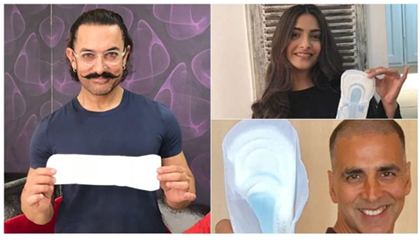
Figure 2 Source FII, (Feb 2018) Retried from https://feminisminindia.com/2018/02/08/pad-man-acquisitive-marketing/
2) Awareness of Media Campaigns: With exceptionally substantial correlations to Perceived Effectiveness of Media Campaigns (0.774) & Influence of Media Campaigns on Knowledge & Perception (0.641), awareness of media campaigns has a significant association with all the remaining variables. These results demonstrate that a better understanding of the programs performs a major role towards enhancing menstrual hygiene and generating favourable opinions.
3) Influence on Knowledge and Perception: Media campaigns' influence on enhancing comprehension and understanding has an important influence on real-life procedures and the effectiveness of campaigns, in accordance to the correlation between their effects on knowledge along with perception and their behavioural impact on menstrual hygiene practices (0.626) along with perceived effectiveness (0.653).
4) Behavioural Impact: Campaigns that lead to positive behavioural changes have been recognised as being more successful, as seen by the link between the behavioural impact of media campaigns on menstrual hygiene practices & the perceived effectiveness of media campaigns (0.643). The significance of behavior-oriented marketing in promoting the effectiveness of media initiatives is emphasised by this correlation.
Ha2: The perceived effectiveness of media campaigns
on menstrual hygiene is significantly predicted by media exposure, awareness of
media campaigns, the influence of media campaigns on knowledge and perception.
The R value of 0.841 along with the R2 value of 0.708 indicate an outstanding resemblance between the independent variables (Media Exposure, Awareness of Media Campaigns, Influence on Knowledge, and Behavioural Impact) and the dependent variable (Perceived Effectiveness of Media Campaigns), according to the model summary. These factors account for 70.8% of the variation in the perceived efficacy of media efforts.
|
Model Summary |
||||
|
Model |
R |
R Square |
Adjusted R Square |
Std. Error of the Estimate |
|
1 |
.841 |
.708 |
.695 |
.45058 |
|
a. Predictors: (Constant), Behavioural Impact of
Media Campaigns on Menstrual Hygiene Practices, Media Exposure and Access,
Awareness of Media Campaigns on Menstrual Hygiene, Influence of Media
Campaigns on Knowledge and Perception |
||||
|
b. Dependent Variable: Perceived Effectiveness of
Media Campaigns |
||||
The ANOVA results show that the model is statistically significant (F = 57.447, p = 0.000), confirming that the combination of predictors (Media Exposure, Awareness, Influence on Knowledge, and Behavioural Impact) significantly predicts the perceived effectiveness of media campaigns.
|
ANOVAa |
|
|||||
|
Model |
Sum of Squares |
df |
Mean Square |
F |
Sig. |
|
|
1 |
Regression |
46.653 |
4 |
11.663 |
57.447 |
.000b |
|
|
Residual |
19.288 |
95 |
.203 |
|
|
|
|
Total |
65.940 |
99 |
|
|
|
|
a. Dependent Variable: Perceived Effectiveness of
Media Campaigns |
||||||
|
b. Predictors: (Constant), Behavioural Impact of
Media Campaigns on Menstrual Hygiene Practices, Media Exposure and Access,
Awareness of Media Campaigns on Menstrual Hygiene, Influence of Media
Campaigns on Knowledge and Perception |
|
|||||
|
Coefficients |
||||||
|
Model |
Unstandardized Coefficients |
Standardized Coefficients |
t |
Sig. |
||
|
|
|
B |
Std. Error |
Beta |
|
|
|
1 |
(Constant) |
-.104 |
.287 |
|
.362 |
0.718 |
|
|
Media Exposure and Access |
.357 |
.097 |
.371 |
3.661 |
.000 |
|
|
Awareness of Media Campaigns on Menstrual Hygiene |
.696 |
.089 |
.644 |
7.827 |
.000 |
|
|
Influence of Media Campaigns on Knowledge and
Perception |
.318 |
.079 |
.395 |
4.003 |
.000 |
|
|
Behavioural Impact of Media Campaigns on
Menstrual Hygiene Practices |
.259 |
.085 |
.229 |
3.040 |
.003 |
|
a. Dependent Variable: Perceived Effectiveness of
Media Campaigns |
||||||
Media access and exposure have an appealing and substantial effect on how effective media campaigns are perceived (β = 0.357, p = 0.000). This signifies that increased understanding of media efforts results in more positive perception of their efficacy. Awareness in regard to Media Campaigns (β = 0.696, p = 0.000) was found indicating perceived effectiveness to a significant extent. It reveals that with an elevated level of awareness in regard to media campaigns, menstrual hygiene results in higher perception of their performance. Perceived usefulness has a major impact primarily by the influence of media campaigns on understanding and point of view (β = 0.318, p = 0.000), indicating that effective media efforts are those that increase consciousness as well as perception of menstrual hygiene. Behavioural Impact of Media Campaigns (β = 0.259, p = 0.003) illustrates that the more media campaigns are thought to be feasible, the more they bring about significant behavioural changes connected with menstrual hygiene.
6. Conclusion
There is a favourable correlation between the perceived success of media campaigns on menstrual hygiene and media exposure, awareness of media campaigns, their influence on knowledge and attitudes, and the actual behavioural impact of these programs, according to the statistical results. Perceived efficacy appears to be most significantly predicted by awareness of media campaigns and the capacity to shape attitudes and knowledge. The goal of media efforts should therefore be to increase exposure and raise awareness in order to have the greatest possible influence on menstrual hygiene.
CONFLICT OF INTERESTS
None.
ACKNOWLEDGMENTS
None.
REFERENCES
Adhikari, R., Tiwari, S., and Sharma, R. (2020). Effectiveness of Social Media Campaigns on Menstrual Hygiene Awareness in Adolescent Girls. Journal of Health Communication, 25(5), 436–446. https://doi.org/10.1080/10810730.2020.1835985
Bengtsson, E., Olsson, R., and Hagberg, K. (2022). The Role of Media Campaigns in Promoting Menstrual Hygiene Behaviours Among Adolescents in Sweden. Journal of Adolescent Health, 70(3), 470–478. https://doi.org/10.1016/j.jadohealth.2021.12.015
Bharadwaj, S., and Patkar, M. (2019). Impact of Mass Media Campaigns on Menstrual Hygiene Practices Among Adolescent Girls in Bangladesh. Global Health Action, 12(1), 157–164. https://doi.org/10.1080/16549716.2019.1575432
Buchanan, A., Jones, R., and Shariq, A. (2020). Social Media as a Tool for Behaviour Change in Menstrual Hygiene Management: An Analysis of Instagram Campaigns. International Journal of Environmental Research and Public Health, 17(12), 4291. https://doi.org/10.3390/ijerph17124291
Chatterjee, N. and Kundu, K. (2025). The Role of Media in Preservation and Promotion of Ancient Indian Knowledge Systems in the Present Society. ShodhVichar: Journal of Media and Mass Communication. 1(2), 43–51. https://doi.org/10.29121/ShodhVichar.v1.i2.2025.17
Ghosh, R., Kumar, S., and Singh, P. (2020). Social Media Campaigns for Menstrual Hygiene: An Exploration of Adolescent Perspectives in India. International Journal of Environmental Research and Public Health, 17(14), 5015. https://doi.org/10.3390/ijerph17145015
Haver, J. (2021). The Role of Media in Shaping Menstrual Health Practices Among Adolescents in Rural Areas. Global Health Action, 14(1), 1907102. https://doi.org/10.1080/16549716.2021.1907102
House, S., Mahon, T., and Cavill, S. (2019). Menstrual Hygiene Matters: A Resource for Improving Menstrual Hygiene Around the World. WaterAid.
Papadopoulou, C., Hultman, M., and Oghazi, P. (2024). Authenticity Perceptions of Informational and Transformational Advertising: Decoding the Role of Construal Level Mindset. Psychology and Marketing. https://doi.org/10.1002/mar.22153
Rao, M., Shah, P., and Patel, P. (2022). Exploring the Impact of Media Campaigns on Menstrual Hygiene Awareness in Adolescent Girls in India. Health Education Research, 37(1), 54–63. https://doi.org/10.1093/her/cyab049
Saxena, S., Gupta, R., and Kumar, D. (2018). Digital Media Campaigns in Menstrual Health Education for Adolescent Girls in India. The Lancet Public Health, 3(9), e427–e434. https://doi.org/10.1016/S2468-2667(18)30178-7
Shreeman Sharma, K. C., and Kakchapati, S. (2023). Association of Mass Media with Women's Health Risk Behaviour and Service Utilization in Nepal. Trends in Medical Research, 18(2), 102–111. https://doi.org/10.3923/tmr.2023.102.111
Sood, S., Kostizak, K., Ramaiya, A., and Cronin, C. (2021). Measuring the Effectiveness of Communication Programming on Menstrual Health and Hygiene Management (MHM) Social Norms Among Adolescent Girls in India. Global Public Health, 16(4), 578–589. https://doi.org/10.1080/17441692.2020.1826048
Sumpter, C., Myo, S., and Lwin, S. (2019). Radio Campaigns for Menstrual Hygiene Education in Sub-Saharan Africa: An Evaluation. Global Health Action, 12(1), 133–142. https://doi.org/10.1080/16549716.2019.1574425
Sumpter, C., and Torondel, B. (2013). A Systematic Review of Menstrual Hygiene Management Practices and Health Outcomes in Low-Income Countries. PLOS ONE, 8(12), e83468. https://doi.org/10.1371/journal.pone.0083468
Tomlinson, M. K. (2024). The Impact of the Media and the Mediated Menstrual Movement on Young People's Attitudes Towards Activism, Menstruation, and Menstrual Stigma. In The Menstrual Movement in the Media: Reducing Stigma and Tackling Social Inequalities (211–265). Cham: Springer Nature Switzerland. https://doi.org/10.1007/978-3-031-72195-3_5
Zhou, S., Lee, Y., and Chen, Y. (2021). Media Campaigns to De-Stigmatize Menstruation in China: An Exploration of the Role of Gender-Inclusive Approaches. Health Communication, 36(3), 258–267. https://doi.org/10.1080/10410236.2020.1739576
|
|
 This work is licensed under a: Creative Commons Attribution 4.0 International License
© ShodhKosh 2026. All Rights Reserved.