ShodhKosh: Journal of Visual and Performing ArtsISSN (Online): 2582-7472
|
|
Predictive Analysis for Career Growth in Performing Arts
Saurabh Bhattacharya 1 , Shikha Gupta 2
 , Kalyani
P. Karule 3
, Kalyani
P. Karule 3 , Amruta
Tejaskumar Mokashi 4
, Amruta
Tejaskumar Mokashi 4 , Preeti
Tuli 5
, Preeti
Tuli 5 , Anitha
K. 6
, Anitha
K. 6
1 School
of Computer Science and Engineering, Galgotias University,
Greater Noida (UP), India
2 Assistant
Professor, School of Business Management, Noida International University, Greater
Noida 203201, India
3 Department of Computer Technology, Yeshwantrao Chavan College of
Engineering, Nagpur, Maharashtra, India
4 Department of Chemical Engineering, Vishwakarma Institute of
Technology, Pune, Maharashtra, 411037, India
5 Department of Computer Science and Engineering, Shri Shankaracharya
Institute of Professional Management and Technology, Raipur, Chhattisgarh,
India
6 Professor and HOD, Meenakshi College of Arts and Science, Meenakshi
Academy of Higher Education and Research, Chennai, Tamil Nadu 600095, India
|
|
|
ABSTRACT |
|
|
Career growth
in the performing arts has become a critical research direction as the
careers of artistic professionals are becoming more and more data-driven and
competitive. Contrary to traditional career trajectories, the performance art
industry success depends on a multifaceted interaction of both technical
capabilities, training level, audience acceptance, career contact network and
subjective judgments. The paper suggests a more detailed predictive analytics
model to simulate and predict career development paths of performing artists
through a combination of quantitative performance metrics with qualitative
predictors of portfolios, reviews, and sentiment analysis. The model
integrates machine-learning-based classification-models with time-series forecasting
in order to achieve both the status at present and longitudinal developmental
patterns of the career. The structured dataset containing training history,
audition results, performance, and engagement are preprocessed by applying
feature engineering, normalization, encoding and imbalance control methods.
Random Forest, XGBoost, Support Vector Machines, and Artificial Neural
Networks are used to perform predictive modeling to calculate the likelihood
of career progression in multiple horizons. Also, sentiment analysis of
reviews, social media response and expert commentaries are also included to
refine the predictive accuracy and contextual relevance. Experimental
findings originate to show that ensemble and deep learning models are
superior compared to conventional ones in modelling nonlinear connections and
time-varying effects of artistic careers. |
|||
|
Received 12 September 2025 Accepted 10 December 2025 Published 17 February 2026 Corresponding Author Saurabh
Bhattacharya, babu.saurabh@gmail.com DOI 10.29121/shodhkosh.v7.i1s.2026.7113 Funding: This research
received no specific grant from any funding agency in the public, commercial,
or not-for-profit sectors. Copyright: © 2026 The
Author(s). This work is licensed under a Creative Commons
Attribution 4.0 International License. With the
license CC-BY, authors retain the copyright, allowing anyone to download,
reuse, re-print, modify, distribute, and/or copy their contribution. The work
must be properly attributed to its author.
|
|||
|
Keywords: Predictive Analytics, Performing Arts Careers,
Machine Learning, Talent Evaluation, Time-Series Forecasting, Sentiment
Analysis |
|||



1. INTRODUCTION
Career development of the performing arts is a complicated, unpredictable, and highly personalized process through artistic ability, quality of training, exposure to performance, socialization, audience response, and institutionalization. Compared to more traditional professional sectors in which the progression of the career is often based on defined hierarchies and uniform measures of evaluation, the nonlinear development of performing arts careers is based on subjective considerations, changing opportunities, and cultural processes. Because of this, artists often have difficulties with planning future development, determining their preparedness to take professional steps and defining which conditions indicate a significant contribution to sustainable success. Such doubts indicate the necessity of systematic, data-driven methods that would be able to inform career choices in creative sectors. The recent development of information sources and computational intelligence has opened new possibilities of predictive analysis in the areas, where the qualitative evaluation used to have the ultimate authority. The records of training, audition history, performance measures, competition performances, digital portfolios, and audience engagement are all good sources of information to model artistic development Parra Vargas et al. (2023). Meanwhile, unstructured data including professional reviews, peer reviews, social media reviews, and critical reviews provide useful contextual information of artist perception and reputation. By combining these diverse data sets, one can gain a more comprehensive view of career development in performing arts, and goes beyond the intuitive analysis of the issue to evidence-based prediction. Machine learning and statistical modeling enabled predictive analytics are a potent tool of identifying trends, making predictions about the future, and estimating the impact of various career determinants. Predictive models can be applied to the performing arts environment to predict the prospects of career growth, predicting the visibility of the performance, and the areas of skills or exposure that might prevent a promotion Parra et al. (2023). Figure 1 indicates that AI is predicting the career trajectories of performing artists, based on data. These lessons can be useful not only in the case of individual artists, but also in the case of educators, training institutions, talent managers and cultural policymakers who need to design specific interventions, to allocate resources effectively, and to ensure fair access to opportunities.
Figure 1

Figure 1 Data-Driven Career Trajectory Prediction Model for Performing Artists
Nevertheless, there are special methodological issues when using predictive analysis to the career in performing arts. The success of art is a complex construct that cannot be defined by only quantitative statistics like awards and money. Qualitative aspects, such as creativity, originality, emotion, and cultural relevance, have a decisive impact, yet are necessarily hard to measure Becker (2022). Besides, career patterns are not only time-varying but also experience’s bursts of accelerated growth, stagnation, or renewed innovation, demands longitudinal as opposed to static prediction. The challenges mentioned require frameworks of analysis that integrate both quantitative performance indicators and qualitative indicators and include time-dependent dependencies at the career stages. This paper presents a holistic predictive analysis model in modelling career development in the performing arts. The suggested strategy combines multi-factor determinants that include skills development, training intensity, performance exposure, professional networks and audience reception Liu et al. (2022).
2. Literature Review
2.1. Existing models for artistic career prediction
Currently used theories in forecasting artistic career patterns are somewhat narrow and tend to be based on general labour economics, sociological studies of culture, or creative industry. The initial methods were directed at descriptive and correlational studies analyzing the interrelations between training experience, early professional success, mentoring, and professional success over a long period. The studies were usually based on retrospective information like award records, institutionalization, and performance frequency to suggest the patterns of career success Todorović et al. (2024). Such models were mostly stable and not predictive in individual career forecasting, although they were informative. Further and more recent studies have investigated probabilistic and statistical modeling methods, such as regression based methods and survival analysis, to predict career duration, and probabilities of transition, in artistic careers. There are models that have used network analysis to evaluate the contribution of collaborations, peer recognition and institutional visibility to career development. Nevertheless, these methods can tend to be linear or monotonic in terms of their assumption, yet the performing arts career is not linear, since it is nonlinear, episodic Nosratabadi et al. (2022).
2.2. Data-Driven Talent Evaluation in Creative Domains
The use of data-driven talent assessment has been of growing importance in the creative sector, including music, dance, theater, film, and visual arts, due to the presence of digital records and analytical improvement. Quantitative measures which include the length of practice time, technical accuracy, competitions ranking, and test scores are the most frequently utilized measures in the education of music and performing arts to assess the development of talent. Such measures allow objective comparison and longitudinal analysis but have the downside of frequently disregarding expressive and contextual attributes of artistic quality Prasad and De (2024). As a strategy to overcome this weakness, recent researches have introduced mixed-method assessment models that unify quantitative performance measurements with qualitative measures through experts, peers and audience. Reviews, critiques and feedback Natural language processing methods are being used to analyze them to derive sentiment, thematic focus, and reputation cues. Proxies of visibility and Dave (2024) by the public have also been investigated as social media analytics and audience engagement measures such as counts of views and rate of interactions. Parallel to this, machines learning models have been presented to automize evaluation and ranking of talent using creative fields Joloudari et al. (2023). These systems can hold potential in decreasing bias in the evaluator system and scaling the assessment technology, especially when working with large pools of talent.
2.3. Gaps in Predictive Analytics for Performing Arts
Although the application of analytics to the performing arts career has gained considerable attention, there are major gaps within the predictive modeling of performing arts careers. The absence of integrated frameworks that acknowledge the enhancement of technical skills, qualitative expression of art, professional networks, and reception of the audience is one of the key limitations. The available literature tends to focus on a single aspect of career success and make a biased and inaccurate conclusion. The other gap that is critical is on temporal modeling. Most of the existing methods are based on short-term or cross-sectional data, which lacks the changing aspect of artistic careers with nonlinear growth, delayed recognition, and occasional opportunities. The use of longitudinal and time-series models has remained infrequent, even though it is needed to predict career sustainability and the phase of transition Raza et al. (2022). Lack of data and heterogeneity is also a problem. The datasets of performing arts are usually distributed between institutions and informal platforms, as well as personal portfolios, which leads to uneven formats and gaps of information. Besides, qualitative elements like creativity, originality and emotive features cannot be measured in standard way. Table 1 presents the development of predictive analytics of career advancement in performing arts. Ethical issues of bias, fairness, and transparency also make predictive deployment in creative environments more complex.These breaches indicate a gap in predictive analytics that requires hybrid models between quantitative and qualitative data, tools of advanced machine learning and time-series to be used, and interpretability to be prioritized Duan and Wu (2024).
Table 1
|
Table 1 Summary on Predictive Analysis for Career Growth in Performing Arts |
||||
|
Domain / Art Form |
Dataset Type |
Key Features Used |
Methodology |
Prediction Objective |
|
Music Performance |
Conservatory records |
Practice hours, grades |
Linear Regression |
Career placement |
|
Dance |
Audition logs |
Jury scores, roles |
Decision Trees |
Selection success |
|
Theater Ma et al. (2024) |
Performance archives |
Roles, venues |
Survival Analysis |
Career longevity |
|
Music |
Competition data |
Awards, rankings |
SVM |
Success classification |
|
Performing Arts |
Training + Auditions |
Skills, exposure |
Random Forest |
Career growth class |
|
Creative Industries Koch and Pasch (2023) |
Portfolio + reviews |
Sentiment, themes |
NLP + ML |
Talent evaluation |
|
Dance & Music |
Longitudinal records |
Performances over time |
LSTM |
Growth forecasting |
|
Theater |
Social media data |
Engagement metrics |
XGBoost |
Visibility prediction |
|
Music Education Young et al. (2025) |
LMS + exams |
Scores, feedback |
ANN |
Progress prediction |
|
Performing Arts |
Mixed datasets |
Skills, networks |
Graph-based ML |
Opportunity access |
|
Creative Careers |
Reviews + metrics |
Sentiment, activity |
Hybrid ML |
Career success |
|
Dance Mullens and Shen (2025) |
Auditions + videos |
Technique features |
CNN + ML |
Advancement prediction |
|
Performing Arts |
Multi-source |
Skills, training, sentiment |
RF, XGB, ANN, TS |
Career growth forecasting |
3. Conceptual Framework
3.1. Multi-factor career growth determinants (skills, training, networks)
The performing arts career development is not a singular-variable phenomenon because numerous factors interrelate to influence the career development. The basis of artistic development is technical and expressive, which includes skillfulness, variety, ability to dominate styles, and inventiveness of the original. These abilities are developed out of constant practice and can usually be influenced by formal and informal training experiences. Determinants in terms of training are the quality of instruction, rigor of curriculum, exposure to a variety of repertoire, access to mentorship and attendance of workshops or residency. These factors, combined with each other, affect the artistic performance and professional preparedness Antoniuk et al. (2025). In addition to personal ability, professional networks are a decisive factor with respect to career progression. The networks involve relationships with instructors, peers, and directors, producers, cultural institutions and audiences. Powerful networks improve access to auditions, collaborations, funding sources and performance platforms, and can tend to fasten visibility and recognition. Network effects in most performing arts systems can boost or limit careers whether they are skilled or not. The other contextual conditions like the frequency of performance, geographical location, institutional attachment, and cultural relevance also influence the growth patterns Do et al. (2025). These determinants are dynamically interacting over time and produce nonlinear career trajectories characterized by accelerated breakthroughs, stabilization or reinvention periods. An abstract model of predictive analysis needs to represent career development as a multi-factor process, including both personal growth and ecosystem driven effects to represent the complexity of performing arts careers, as it is.
3.2. Integration of Quantitative and Qualitative Indicators
The conceptual framework of predicting career development in performing arts presupposes the combination of indicators of both quantitative and qualitative nature. Quantitative indicators are objective and measurable pieces of evidence of artistic activity and development. These are hours of training, the assessment marks, the success of the auditions, the number of performances, the number of awards, the rankings of competitions, and the audience engagement indicators. These indicators allow comparison and statistical modeling of standards, which is the foundation of predictive analytics. Yet, it is impossible to assess the artistic value or the career prospects through quantitative data only. Qualitative indicators are interpretive aspects of artistic careers, creativity, emotional effects, originality, stylistic identity, and critical reception. These dimensions are normally revealed in the form of professional reviews, jury reviews, peer reviews, portfolio stories and commentary. The developments in natural language processing and sentiment analysis enable the transformation of these unstructured data sources to structured aspects, including sentiment polarity, thematic focus and reputation ratings. Assessment of the career development can be more holistic and context-oriented by integrating quantitative and qualitative indicators.
3.3. Proposed Predictive Analytics Architecture
The suggested predictive analytics architecture is created as a modular, end-to-end model that will allow the career growth analysis in the performing arts to be comprehensive. On the data layer, the structured sources are training records, audition results, and performance measures along with the unstructured sources portfolios, reviews, and audience feedback. To achieve analytical consistency between sources, a preprocessing module cleans and normalizes data, encodes data and balances imbalances. The main layer in analysis is feature engineering and fusion where quantitative indicators are added with transformed qualitative features obtained with the help of sentiment and text analysis. There are several predictive modeling constituents fed by this combined set of features. Machine learning classifiers predict the probability of career growth in short to medium-term, whereas time-series forecasting models are able to predict the longitudinal growth patterns and shifts between career stages. The interpretability and evaluation layer can give transparency by doing analysis of feature importance, comparative analysis of models as well as validating performance using proper metrics. The actionable insights created by the final output layer are growth forecasts, risk indicators and individual development recommendations. It has a scalable and adaptable architecture that can add new data sources and models as time goes by. The proposed architecture provides a viable and ethically-founded base in data-driven analysis of career growth in the performing arts through the integration of data, predictive modeling, and explainability.
4. Data Description and Preprocessing
4.1. Datasets: training records, auditions, performance metrics
The framework of predictive analysis is based on several sets of data, which reflect the developmental, evaluative, and outcome-oriented fields of performing arts careers. The most basic dataset is training records, which include various data including the length of formal training, practice rate, areas of specialization, certifications, and workshop attendance, exposure to mentors. Longitudinal information on learning patterns and skills acquisition is offered by these records. Audition datasets reflect competition and selection career measures and milestones such as audition rate, booking rate, importance of the role, jury ratings, feedback summary, and institutional residency. The results of auditions are high quality measures of professional preparation and market identification, which competencies of an artist are tested in the selection mechanisms in the real world. Artistic output is recorded in performance metrics datasets, which record the public exposure. These are the number of performances, the size of the venue, the size of audience, the number of ticket sales, the number of online views, the reviews of the critics and the nominations of awards. The combination of these variables is a measure of productivity as well as visibility, which gives proxies to career momentum that are measurable. In order to carry out the meaningful analysis, datasets are harmonized across sources and aligned over time.
4.2. Feature Engineering and Variable Definition
The main issue of feature engineering is to convert raw performing arts data into predictive meaningful variables. Based on training records, the characteristics that are derived to measure the intensity and breadth of learning are cumulative training hours, training diversity index, mentor experience level and skill progression rate. The data of auditions are converted into variables such as audition to selection ratio, average jury score, role prominence score and feedback sentiment indicators. The performance measures are also designed to facilitate career momentum and visibility. The frequency of performance, the prestige index of the venue, the rate of growth of the audience, the amount of awards, and the proportion of digital engagement are examples of variables that give the finer details of professional exposure. The temporal aggregation methods are used to compute rolling averages, slope of the trend, and volatility indicators indicating stability or change in the activity of the career. Figure 2 depicts the mapping of engineered features by mapping skills and performance indicators, exposure and career progression indicators. The sentiment polarity, thematic richness, and reputation consistency scores are extracted by using text analytics as portfolios and reviews give qualitative data. These properties enable to model subjective artistic estimations in the numerical model without simplification of expressive characteristics.
Figure 2
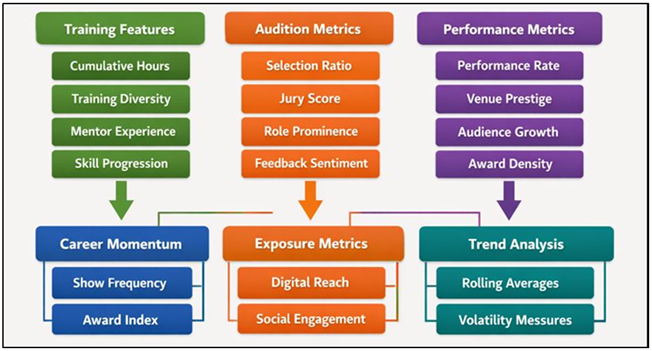
Figure 2 Feature-Engineered Variable Mapping for Performing Arts Career Prediction
A clear definition of variables and similar scales are still upheld to provide a certain level of interpretability and reproducibility. Performing arts education and industry practice domain knowledge are used to select the features to prevent spurious relationships. A good feature engineering therefore connects artistic context and modeling to computational modeling making predictive algorithms capable of capturing complex career dynamics.
4.3. Normalization, Encoding, Imbalance Handling
Data quality and model robustness in predictive analysis would not have been possible without preprocessing techniques. Continuous variables that include training hours, counts of performance and audience measures are normalized to bring feature scales close together to avoid the dominance of features of high magnitude. The use of standardization and min-max scaling is selective as the models require and the distributions vary. The qualitative variables such as art form, type of training institution, role category, and genre of performance are transformed to machine readable forms using encoding methods. Nominal categories are coded by one-hot and ordinal categories are coded by ordinal encoding. The features derived by text are coded or converted to semantically applicable sentiment and thematic scores. High-growth vs. low-growth career trajectories are one example of a career outcome that is disproportionately represented in classes because it has few breakthrough careers. To overcome this, resampling techniques such as oversampling, undersampling and synthetic data have been used to achieve a balanced training dataset. Cost-sensitive learning is also believed to be a way to punish the wrong classification of minority classes. Additional methods to increase the reliability of the data are outlier detection and missing-value imputation. Taken together, the preprocessing steps minimize the biases, enhance the generalization, and make sure that predictive models acquire meaningful patterns and not artifacts, which enhances the validity of career growth predictions in the performing arts.
5. Methodology
5.1. Predictive modelling techniques
1) RF
Random Forest is an ensemble learning algorithm that best fits to the predictive analysis of performing arts career modeling since the algorithm can deal with heterogeneous features and nonlinear dependence. The last prediction is achieved by simply majority voting or averaging, which minimized overfitting and improved generalization. Random Forest can be used to predict career growth by effectively capturing the interaction of variables like the intensity of training, the success of an audition, the frequency of performance and the frequency of engagement by the audience. It supports both mixed types of data; continuous measures and coded categorical indicators, without the need to make rigid distributional assumptions. Also, Random Forest offers scores of feature importance which improve the level of interpretability because stakeholders can determine the main determinants of artistic progression. Its resistance to noise and missing values is especially appropriate in executing performances art data, which is usually incomplete or unbalanced.
2) XGBoost
Extreme Gradient Boosting (XGBoost) is a highly effective ensemble model which is a series of predictive models based on sequential optimization of decision trees. In contrast to such a method as Random Forest, which trains the trees, XGBoost develops the trees sequentially, and each new tree is built on the basis of the residual errors of the former. This amplification process helps the model to reflect multifaceted non-linear tendencies as well as to reflect subtle interactions of career-related features. In doing career prediction in performing art, the XGBoost is good at using the high dimensions of feature space based on training data, audition results, performance indicators, sentiment indicators. The regularization methods incorporated in XGBoost are useful in regulating the model complexity, to minimize overfitting in small sample datasets. The algorithm may also be used in managing missing values as well as providing finer control over the learning rates and tree depth.
3) Support
Vector Machine (SVM)
Support Vector Machines are controlled learning models which are designed to identify optimal decision boundaries to maximize the separation between classes. SVMs are also capable of modeling the nonlinear relationships by mapping the input features into the high dimensional spaces through the use of kernel functions. Such an ability is useful in the prediction of career growth in performing arts where the relationships between skill, exposure and qualitative perception are not usually linear. The application of SVMs to categorize artists into career growth categories is based on combined quantitative and qualitative properties in this study. The type of kernel used like radial basis functions allows the model to represent the intricate decision surfaces, but regularization parameters allow the model to balance bias and variance. SVMs also do not overfitting in the case of well-tuned datasets of medium sizes. SVMs however need parameter selection and are computationalally expensive with large datasets. The interpretability is also not as great as compared to tree-based models.
5.2. Time-series growth forecasting for artistic careers
Time-series growth forecasting is also an important tool in the process of dynamic and longitudinal model of artistic careers. Whereas in the case of the static classification methods, predictions are given at a single point in time, time-series methods depict the extent to which career indicators change over various intervals, i.e. training, early professional exposure, break through phases, and consolidation periods. In performing arts, the variables that include performance frequency, audience interaction, rates of audition successes, and critiques are variables that change with time in regard to the opportunities and external factor. The proposed framework organizes career data into chronological flowers, which allows considering the trends, seasonality, and the nonlinear growth patterns. Time-series prediction strategies are used to forecast career momentum in the future based on past trends. Acceleration points, risks of stagnation, or loss of visibility can be discovered with these models and proactive intervention and planning can be supported. Smoothing over time and the use of a rolling-window analysis is useful to control the noise and short time variation inherent in artistic activity data. The interpretation of forecasting outputs is occurred in the presence of contextual variables (e.g., training milestones or significant performances) in order to make them more relevant.
5.3. Sentiment and Portfolio Analysis for Qualitative Data
The qualitative data has a decisive impact on the assessment of artistic careers, perception, image, and expressiveness of a strong impact on professional opportunities. Sentiment and portfolio analysis represent systematic processes of converting unstructured qualitative inputs into predictive features of this kind. The sources which include expert reviews, jury comments, peer comments, audience comments and artist statements are examined to obtain sentiment polarity, emotional tone, and emphasized themes. These pointers are indicators of the reception and interpretation of artistic work in both cultural and professional circles. Portfolio analysis is not only sentimental but it also evaluates the coherence, diversity and development of an artist. Portfolio descriptions and metadata generate such variables as repertoire diversity, stylistic consistency, frequency of innovation, and thematic depth. The methods of text analytics allow recognizing common patterns and processes of development throughout the course of time. The combination of sentiment and portfolio characteristics into predictive models enhances quantitative performance data with contextual information, which includes aspects of creativity and influence that quantitative metrics cannot be used to depict. Precautions are observed to reduce bias due to subjective opinions by synthesizing a number of sources and focusing on longitudinal trends.
6. Results and Discussion
The results of the experiments prove the effectiveness of the use of predictive models in describing multidimensional patterns of career development in performing arts. The ensemble and deep learning methods are more effective than traditional baselines, with boosted models having maximum accuracy and stability in classification. The time-series forecasting helps to show nonlinear trends, note the times of acceleration, stagnation, and recovery of career stages. Sentiment and portfolio features are helpful in enhancing predictive performance and interpretability by putting quantitative indicators into context. The importance of training diversity, audition success rates, network exposure, and audience reception seems to be the most powerful predictors as shown in feature importance analysis.
Table 2
|
Table 2 Predictive Model Performance Comparison for Career Growth Classification |
|||
|
Model |
Accuracy (%) |
Precision (%) |
Recall (%) |
|
Random Forest (RF) |
82.6 |
80.9 |
78.4 |
|
XGBoost |
86.8 |
85.2 |
83.7 |
|
Support Vector Machine (SVM) |
81.3 |
79.6 |
77.9 |
|
Artificial Neural Network
(ANN) |
88.1 |
86.7 |
85.9 |
In Table 2, a comparative analysis is conducted on predictive models of career growth classification based on the performance of accuracy, precision, and recall as measures in performing arts. The best overall performance is that of the Artificial Neural Network (ANN), which has an accuracy of 88.1, precision of 86.7, and recall of 85.9, which suggests that this model better outliers nonlinear, complicated relationships between career-related aspects. In Figure 3, the proposed model is seen to work well in comparison to baselines in terms of accuracy, precision and recall.
Figure 3

Figure 3 Model Performance Comparison Across Accuracy, Precision, and Recall
ANN yields better results than Random Forest (RF) in terms of accuracy, precision and recall, by 5.5 points, 5.8 points and 7.5 points respectively, which shows the advantage of deep representation learning.
Table 3
|
Table 3 Contribution of Career Growth Factors to Prediction Performance |
||||
|
Feature Group |
Accuracy (%) |
AUC |
Recall (%) |
Relative Importance (%) |
|
Skills & Training
Metrics Only |
74.8 |
0.76 |
68.3 |
24.6 |
|
Audition & Performance
Metrics |
79.6 |
0.82 |
73.5 |
28.1 |
|
Network & Exposure
Indicators |
77.9 |
0.8 |
71.8 |
21.4 |
|
Quantitative + Qualitative
(Sentiment & Portfolio) |
85.9 |
0.9 |
82.6 |
35.9 |
Table 3 compares the contribution of various groups of career growth factors to predictive performance with the influence of quantitative and qualitative indicators made comparatively. Skills and training metrics alone in models produce an accuracy of 74.8 and a recall of 68.3, which shows that technical preparation is a necessary but inadequate basis on which career advancement can be predicted. In Figure 4, the contribution of feature groups to the overall performance of the predictive models is unequal.
Figure 4
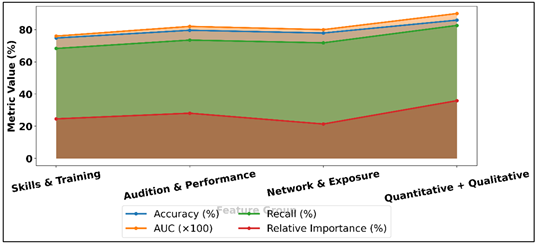
Figure 4 Visualization of Feature Group Contributions to Model Performance
The addition of audition and performance measures enhances precision to 79.6, which is 4.8 higher and recall is 5.2, which is important in the context of real-world exposure and selection performance. The network and exposure suggest the accuracy of 77.9 and the AUC of 0.80, which proves that professional visibility and ties play an important role but not even contribution to prediction reliability. The highest improvement can be seen when the quantitative and qualitative features are used and the accuracy, AUC, and recall are 85.9,
7. Conclusion
This paper shows that predictive analytics can have an appreciable role to play in career development in performing arts. The framework combines quantitative performance measures with qualitative cues, which is why they represent the dynamism and multidimensionality of artistic careers. Both of the short-term progression evaluation and long-term trajectory forecasting are facilitated by machine learning models and time-series forecasting. Prediction is further enhanced with the inclusion of sentiment and portfolio analysis which entails the integration of artistic perception, reputation and artistic evolution. Findings suggest that the ensemble and neural methods are especially efficient in the context of relationships that are nonlinear and context dependencies. In addition to predictive accuracy, the framework lays stress on interpretability, fairness, and feasibility to the stakeholders. Such understanding can be used by the artists to design training, diversify exposure, and foresee career changes. Talent development, resource allocation, and mentoring strategies are evidence based to the benefit of educators and institutions. Predictive analysis helps transparency, inclusion and sustainable development, at a policy level, in creative ecosystems. Yet, ethical factors are put at the center when analytics are used in artistic professions. One should not promote bias, simplify creativity, or limit the freedom of art. Further studies are needed to increase longitudinal data, optimize qualitative feature abduction, and study hybrid and explainable models. The inclusion of cross-cultural situations and various traditions of performance will also increase the level of generalizability.
CONFLICT OF INTERESTS
None.
ACKNOWLEDGMENTS
None.
REFERENCES
Antoniuk, D., Ivens, B. S., and Kolyada, O. (2025). How Is Artificial Intelligence Changing HR? Adaptive Management for the New Environment. Baltic Journal of Economic Studies, 11, 13–26. https://doi.org/10.30525/2256-0742/2025-11-2-13-26
Becker, M. (2022). The Effect of Positive Management Practices on Firm Profitability—Evidence from Text Mining. The Journal of Applied Behavioral Science, 60, 280–309. https://doi.org/10.1177/00218863221120827
Do, H., Chu, L. X., and Shipton, H. (2025). How and When AI-Driven HRM Promotes Employee Resilience and Adaptive Performance: A Self-Determination Theory. Journal of Business Research, 192, 115279. https://doi.org/10.1016/j.jbusres.2025.115279
Dave, B., (2024). Technology and AI—Impact in Country’s Growth and Unemployment ShodhSamajik: Journal of Social Studies, 1(1), 35-53, https://doi.org/10.29121/ShodhSamajik.v1.i1.2024.3
Duan, J., and Wu, S. (2024). Beyond Traditional Pathways: Leveraging Generative AI for Dynamic Career Planning in Vocational Education. International Journal of New Developments in Education, 6, 24–31. https://doi.org/10.25236/IJNDE.2024.060205
Joloudari, J. H., Marefat, A., Nematollahi, M. A., Oyelere, S. S., and Hussain, S. (2023). Effective Class-Imbalance Learning Based on SMOTE and Convolutional Neural Networks. Applied Sciences, 13, 4006. https://doi.org/10.3390/app13064006
Koch, S., and Pasch, S. (2023). CultureBERT: Measuring Corporate Culture With Transformer-Based Language Models. In Proceedings of the 2023 IEEE International Conference on Big Data (BigData). https://doi.org/10.1109/BigData59044.2023.10386765
Liu, S. F., Fan, Y. J., Luh, D. B., and Teng, P. S. (2022). Organizational Culture: The Key to Improving Service Management in Industry 4.0. Applied Sciences, 12, 437. https://doi.org/10.3390/app12010437
Ma, X., Liu, W., Zhao, C., and Tukhvatulina, L. R. (2024). Can Large Language Model Predict Employee Attrition? arXiv.
Mullens, D., and Shen, S. (2025). 2ACT: AI-Accentuated Career Transitions via Skill Bridges. arXiv.
Nosratabadi, S., Khayer Zahed, R., Ponkratov, V. V., and Kostyrin, E. V. (2022). Artificial Intelligence Models and Employee Lifecycle Management: A Systematic Literature Review. Organizacija, 55(3), 181–198. https://doi.org/10.2478/orga-2022-0012
Parra Vargas, E., Philip, J., Carrasco-Ribelles, L. A., Chicchi Giglioli, A. I., Valenza, G., Marín-Morales, J., and Alcañiz Raya, M. L. (2023). The Neurophysiological Basis of Leadership: A Machine Learning Approach. Management Decision, 61, 1465–1484. https://doi.org/10.1108/MD-02-2022-0208
Parra, L. A., Diaz, D. E. M., and Ramos, F. (2023). Computational Framework of the Visual Sensory System Based on Neuroscientific Evidence of the Ventral Pathway. Cognitive Systems Research, 77, 62–87. https://doi.org/10.1016/j.cogsys.2022.10.004
Prasad, K. D. V., and De, T. (2024). Generative AI as a Catalyst for HRM Practices: Mediating Effects of Trust. Humanities and Social Sciences Communications, 11, 1362. https://doi.org/10.1057/s41599-024-03842-4
Raza, A., Munir, K., Almutairi, M., Younas, F., and Fareed, M. M. S. (2022). Predicting Employee Attrition Using Machine Learning Approaches. Applied Sciences, 12, 6424. https://doi.org/10.3390/app12136424
Todorović, D., Mitić, P. M., Stojiljković, N., Olanescu, M., Suciu, A., and Popa, D. (2024). Organizational Commitment in the Private and Public Sectors. Frontiers in Psychology, 15, 1442990. https://doi.org/10.3389/fpsyg.2024.1442990
Young, J., Adams, J., and Baker, N. (2025). AI in HR Analytics: Enhancing Decision-Making for Employee Growth [Manuscript].
|
|
 This work is licensed under a: Creative Commons Attribution 4.0 International License
© ShodhKosh 2026. All Rights Reserved.