ShodhKosh: Journal of Visual and Performing ArtsISSN (Online): 2582-7472
|
|
AI in Reconstructing Lost Modernist Artworks
Akash Biswas 1
 ,
Jyotsna Suryavanshi 2
,
Jyotsna Suryavanshi 2 , Dr. Shashi Priya 3
 ,
Amisha Sahu 4
,
Amisha Sahu 4 , Nivetha N. 5
 , Jay Vasani 6
1 Assistant
Professor, School of Fine Arts and Design, Noida International University,
Noida, Uttar Pradesh, India
2 Department
of Engineering, Science and Humanities, Vishwakarma Institute of Technology,
Pune, Maharashtra, 411037, India
3 Assistant Professor, School of Fine Arts, AAFT University of Media and Arts, Raipur, Chhattisgarh-492001, India
4 Department of Management Studies, Shri Shankaracharya Institute of
Professional Management and Technology, Raipur, Chhattisgarh, India
5 Assistant Professor, Meenakshi College of Arts and Science,
Meenakshi Academy of Higher Education and Research, Chennai, Tamil Nadu,
600111, India
6 Department of Computer Science and Engineering, Symbiosis Institute
of Technology, Nagpur Campus, Symbiosis International (Deemed
University), Pune, India
|
|
|
ABSTRACT |
|
|
The
disappearance of modernist artworks through the historical conflict, material
degradation and partiality of archival regimes poses a continuous problem in
terms of art history and cultural heritage conservation. It is a foregone
conclusion that such works are difficult to reconstruct, since modernist
aesthetics is focused on abstraction, fragmentation, and conceptual purpose
over representational devotion. In this paper, the author suggests a
reconstruction model based on AI that views artistic reconstruction as a
probabilistic inference problem, as opposed to a deterministic recovery
problem. The system is already based on the framework of representation
learning, conditional generative modeling, uncertainty-aware sampling, and
human-in-the-loop validation to produce several possible discovery hypotheses
based on the existing evidence and style samples. The hierarchical style
modeling strategy gives reconstruction possibilities at artist and movements
levels, whereas explicit uncertainty signs circumvent overconfidence in
interpretation. The framework is tested by using representative case studies
which are partially documented, partially fragmented and entirely lost
modernist artworks. The quantitative metrics of consistency, the analysis of
perceptual styles, and uncertainty analysis and the qualitative evaluation
process performed by experts prove that the reconstruction fidelity is
proportional to the strength of evidence and that the uncertainty is
explicitly magnified in the case of sparse constraints. The findings indicate
the significance of AI as a supportive analysis tool that can aid the
judgment of curators and art-historians but does not sacrifice the
interpretative responsibility. |
|||
|
Received 16 September
2025 Accepted 19 December 2025 Published 17 February 2026 Corresponding Author Akash
Biswas, akash.biswas@niu.edu.in DOI 10.29121/shodhkosh.v7.i1s.2026.7098 Funding: This research
received no specific grant from any funding agency in the public, commercial,
or not-for-profit sectors. Copyright: © 2026 The
Author(s). This work is licensed under a Creative Commons
Attribution 4.0 International License. With the
license CC-BY, authors retain the copyright, allowing anyone to download,
reuse, re-print, modify, distribute, and/or copy their contribution. The work
must be properly attributed to its author.
|
|||
|
Keywords: Artificial Intelligence, Generative Models,
Modernist Art Reconstruction, Digital Cultural Heritage |
|||



1. INTRODUCTION
The disappearance of modernist works of art in the war, neglect, and material decay, and the unfinished archival behavior and even willful destruction is a major lapse in the twentieth-century cultural heritage. The use of abstraction, formal experimentation, and radical breaks with the norms of representational art, Modernist art presents special problems in terms of reconstruction when the original work has been lost or only recorded in fragmented forms Zhang (2024). The conventional art-historical reconstructions methods are based on sketches, descriptions, photographs, and professional interpretation, which are necessarily subjective, incomplete, and not able to explore the alternative plausible realizations in the systematic way. Here, artificial intelligence (AI) has become a powerful computational paradigm with the potential to model stylistic abstraction, learn on incomplete data, and produce structurally sound visual guesses, and has provided new opportunities in restoring lost modernist artworks Shih (2025). The latest developments in machine learning, especially deep generative models, representation learning and style-sensitive neural designs have shown high potential in the image generation, pattern completion, and cross-domain generalization. The popular applications of these developments have been in image inpainting, super-resolution and restoration of damaged artworks using computers (digital restoration). Nevertheless, the process of recreating lost modernist art poses an extra complexity to the restoration process, since the work frequently comes with the need to create whole compositions where no ground truth exists Panagiotopoulou et al. (2023). It is not only technically but also epistemologically difficult: reconstruction needs to achieve the appropriateness between algorithmic inferences and historical probabilities, stylistic consistency and custodial accountability.
Figure 1
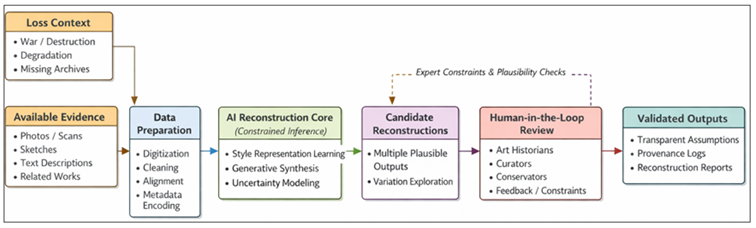
Figure 1 Block Diagram: AI-Assisted Reconstruction of Lost
Modernist Artworks
The role of AI as an assistant analytical and generative tool in the reconstruction of the missing modernist art pieces is explored in this paper. Instead of defining AI as a powerful creator, it is presented in the study as a restricted inference issue, where the models acquire stylistic data, compositional prejudices, and formal abstractions based on the surviving pieces and contextual archives as shown in Figure 1. The idea is to produce reconstructions that are aesthetically plausible, stylistically credible, and not obscure in terms of the assumptions made by them so that art historians and curators can critically appraise other reconstructions instead of having one definitive product. Three fold is the major contribution of this work. First, it offers a systematic examination of the issues related to the reconstruction of the modernist art and places AI-driven reconstruction into the wider context of the digital culture history and heritage conservation Azizifard et al. (2022), Liu et al. (2022). Second, it suggests a method of systematic rebuilding based on AI which combines data preprocessing, latent style modelling, and generative synthesis adjusted to abstraction of modernism. Third, it proposes a quantitative similarity and expert-in-the-loop qualitative evaluation methodology to overcome the lack of objective ground truth.
2. Modernist Artworks
The modernist art became a break with classical realism where abstraction, fragmentation, experimentation, and conceptual independence was given more importance than faithful visual depiction. The Cubism, Futurism, Abstract Expressionism, Constructivism, De Stijl, and early Surrealism movements created a conscious break in the traditional concepts of form, perspective, and material continuity Maiwald et al. (2021). Artists often focused on process, spontaneity and conceptual purport rather than predetermined results and tended to use unorthodox materials and experimentation. Although these traits marked the transformative effect of modernism, they also make the process of rebuilding the lost artworks or those preserved only partially quite difficult Khalid et al. (2024). One of the main issues in the process of restoring modernist art pieces is the non-specificity of the visual language used in them. In contrast to representational art, where an anatomically accurate reconstruction, or a consistent use of perspective, can be used to guide the process, modernist compositions can hardly be considered to have a single, objectively correct interpretation. Many modernist practices were varied, incomplete and interpreted. Consequently, reconstruction has to be put in a different context as less a scenario of deterministic recovery than a constrained inference problem based upon stylistic inclinations, historical background and recorded artistic intention. Such ambiguity demands a lot to be interpreted by the scholars and conservators Kimura et al. (2021). Historical and material forces, such as armed conflict, ideological censorship, destruction of studios, and the frailty of experimental media have increased the loss of modernist works. Even in most instances, there is only living evidence in the form of low-resolution photographs, exhibition catalogs, critical commentaries or secondary descriptions of the text. These are usually heterogeneous, incomplete and inconsistent sources which limit their direct application in more traditional methods of reconstruction Garozzo et al. (2021).
Table 1
|
Table 1 Comparison of Traditional Reconstruction Methods and AI-Assisted Approaches for Modernist Artworks |
||
|
Aspect |
Traditional
Reconstruction Methods |
AI-Assisted
Reconstruction Approaches |
|
Primary
Basis Croce et al. (2021) |
Manual
interpretation of sketches, photographs, textual descriptions, and expert
knowledge |
Data-driven
learning from surviving artworks, archives, and contextual metadata |
|
Handling
of Incomplete Data Silva and Oliveira (2024) |
Strongly
constrained by available physical or archival evidence |
Capable
of learning latent patterns and inferring plausible structures from
fragmented data |
|
Scalability
Bosco et al. (2021) |
Limited
due to time-intensive expert-driven processes |
High
scalability through automated modeling and batch reconstruction |
|
Exploration
of Alternatives Janas et al. (2022) |
Typically
yields a single or limited reconstruction |
Generates
multiple plausible reconstructions reflecting stylistic uncertainty |
|
Transparency
of Assumptions Dong et al. (2025) |
Assumptions
often implicit in expert judgment |
Assumptions
can be parameterized, logged, and critically analyzed |
|
Stylistic
Generalization Qian et al.
(2025) |
Dependent
on expert familiarity with specific artists or movements |
Learns
abstract stylistic representations across modernist movements |
|
Reproducibility
Wang (2024) |
Difficult
to reproduce due to subjectivity |
Enhanced
reproducibility via standardized pipelines |
|
Role
of Human Expertise Rahimi et al. (2025) |
Central
and authoritative |
Human-in-the-loop
for constraint, validation, and interpretation |
|
Risk
Profile Kuntitan and Chaowalit (2022) |
Susceptible
to individual interpretive bias |
Susceptible
to algorithmic bias without proper constraints |
As Table 1 demonstrates, AI-based methods in reconstruction are not the ones to replace the traditional expertise; on the contrary, they allow them to explore at scale, explicitly model their uncertainties, and clearly process their assumptions. Nevertheless, these very features of AI-based inference, i.e. abstraction learning and generative synthesis, present the threat of stylistic hallucination and historical overreach in case models are not constrained enough. To overcome these issues, computational techniques should be combined with strict art-historical control, which is the foundation of the AI-driven structure of reconstruction presented in the following pages.
3. AI Foundations for Artistic Reconstruction
Reconstruction of lost modernist artworks is based on developments in various fields of machine learning specifically representation, generative modeling and uncertainty-aware inference. In contrast to traditional computer vision problems which use ground truth labels, artistic reconstruction is performed in epistemic uncertainty, incomplete information and stylistic abstraction Argyrou et al. (2023). In turn, AI models that are used in this field should be able to learn latent structural and stylistic regularities but be sensitive to ambiguity and contextual limitations. At its heart is representation learning, allowing models to encode complicated visual features, like form, texture, color relations, compositional balance and so on into small latent spaces as shown in Figure 2. Vision transformers (ViTs) and deep convolutional neural networks (CNNs) have been shown to effectively extract hierarchical features in art works, both the local primitives in a visual work, and the global structures Spennemann (2024). With modernist art where abstraction frequently prevails, these representations are, in fact, forced to focus on relational geometry, spatial rhythm, and color dynamics as opposed to semantics on the object level. The learned latent representations of corpora of modernist pieces which are curated are the basis of the embedding space on which reconstruction is performed.
Figure 2
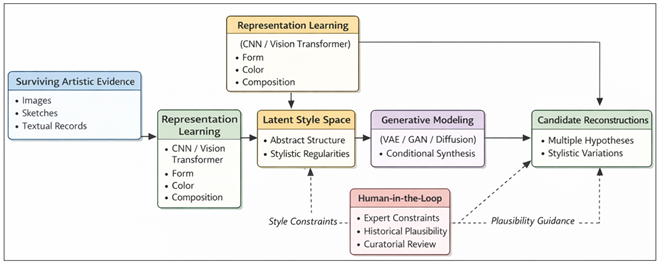
Figure 2 AI Foundations for Artistic Reconstruction of Lost
Modernist Artworks
The second pillar is the generative modeling. Variational autoencoders (VAEs), generation adversarial networks (GANs), and more recently diffusion-based models are examples of models that can generate new images that are in a learned stylistic distribution. Generative models are not asked in the context of reconstruction to generate freely, but to do so conditionally with partial information, style conditioning, and historical auxiliary information. Such conditioning mechanisms as masked image completion, cross-attention with textual description, or constraint-based latent optimization enable the models to produce the reconstructions that agree with known fragments and explore the plausible completions in line with the modernist aesthetics. An important need in reconstruction of arts is the clear modeling of uncertainty. Because there is no objective ground truth on the status of lost artworks, AI systems need to be probabilistic instead of deterministic representations of the reconstruction result. Latent space sampling, ensemble modeling and Bayesian inference are techniques that allow generating several candidate reconstructions each with a different plausible interpretation. This probabilistic framing promotes learning academic research by framing reconstructs as theories and not as conclusive restorations, which conform to the computational outputs and historical production of curators and art historians.
4. Proposed AI-Based Reconstruction Framework
The statements in Section IV suggest that rebuilding lost modernist artworks can be viewed as a process of constrained, uncertainty-aware inference, based on the background AI foundations provided therein. The framework, in turn, is aimed at (i) combining heterogeneous archival evidence, (ii), learning modernist style priors with curated corpora, (iii), the production of multiple plausible reconstructions, as opposed to the creation of a single deterministic form, and (iv); ensuring human-in-the-loop control to promote historical plausibility, curatorial transparency, and interpretive responsibility. The general structure is based on a modular pipeline in order to allow replacement or upgrade of single elements of the architecture, like encoders, generators, constraint modules, and evaluation blocks, without modifying the overall architecture. The first stage of the framework is evidence acquisition and harmonization which gathers various types of evidence including photographs, exhibition catalogs, studio notes, critical reviews, and other relative evidence which gets gathered and standardized. As archival evidence might have a patchy lighting, distortion of elsewhere, or be partially visible, pipeline processes include resolution normalization, geometric alignment, color stabilization and artifact removal. This is a harmonized evidence bundle, which is the conditional input to the reconstruction engine. Then, the framework conducts a dual-path representation learning to encode visual and contextual representations together as shown in Figure 3. Visual encoder (CNN/ViT) extracts abstraction features, spatial rhythm, colour-dynamics, by extracting multi-scale features and contextual encoder maps the text and metadata onto the aligning latent space of the visual feature. The targeting of stylistic and historical descriptors is by means of contrastive or attention-based fusion so that cross-modal alignment is ensured. The resultant product is a latent representation detailing the constraints at the fragment level (what is known) and the stylistic prior (what is likely given the circumstances of the modernist movement and of the artist).
Figure 3
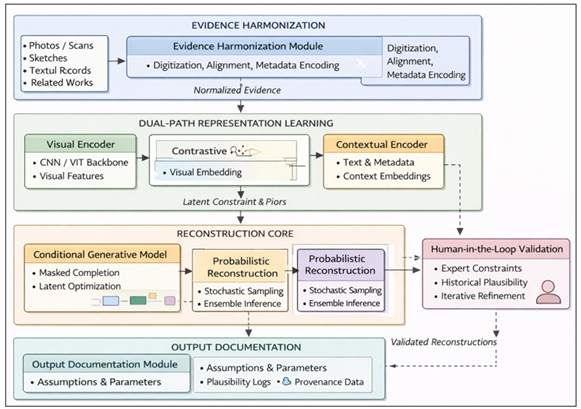
Figure 3 Deployment architecture of the proposed AI-based
framework for reconstructing lost modernist artworks.
A conditional generative model is trained on reconstruction by the reconstruction core, either through diffusion or GAN or VAE-based synthesis, and its objective is to be trained according to modernist abstraction in which object semantics are frequently secondary to structure. Reconstruction is conducted by masked completion, and latent optimization, according to which the known fragments of evidence are assumed as hard constraints whereas an unknown area is synthesized under the influence of learned priors. The framework explicitly models the uncertainty in stochastic sampling and ensemble inference to raise up possible reconstructions to ensure that it does not come up with overconfident outputs. The confidence indicators (e.g., uncertainty maps or variability heatmaps) are used alongside the candidates, and they point to areas that are ambiguous to encourage the candidate not to interpret the areas of speculation as areas that were historically certain. One of the distinguishing features of the suggested framework is that it has a human-in-the-loop constraint refinement. Instead of restricting the selection to post hoc, the framework encourages iterative guidance in which curators and art historians may impose plausibility constraints (e.g., palette constraint, compositional constraint, geometry constraint of a particular movement), eliminate implausible samples and direct the sampling to historically informed areas of the latent space. This feedback can be operationalized by preference learning, constraint-conscious decoding or by interactive latent editing. This has the consequence of producing a reconstruction process that is computationally strong and yet one that is governed by scholars Alalaq (2025).
5. Modeling Modernist Styles Using AI
The artificial intelligence-based modeling of modernist artistic styles is significantly more challenging by the fact that it involves the active denial of representational norms, focus on abstraction, and the fact that modernist movements exhibit a variety of stylistic philosophies. In contrast to classical or realist styles, modernist styles are characterized not so much by faithfulness of objects but by formal values like geometric disfigurement, color independence, spatial discontinuity, rhythm and idea. Accordingly, in AI-based style modeling of modernist reconstruction, semantics of objects should be surpassed by learning higher-order structural and relational regularities defining a particular artist, movement, or historical period. The system is trained to take on repeat strategies of composition, color interactions, line interactions and spatial interactions in a common latent space using deep visual encoders trained on curated collections of modernist artworks.
Figure 4
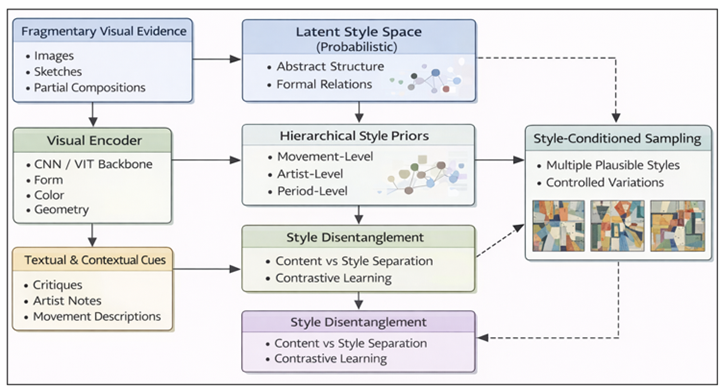
Figure 4 Hierarchical AI-Based Modeling of Modernist Styles
This allows capturing the stylistic regularities even in those cases when visual appearances on the surface differ greatly. This kind of representation works especially well with modernism where stylistic unity is frequently the result of underlying rules as opposed to the uniform visual motifs found in Figure 4. The hierarchical style conditioning is encouraged by the framework in order to explain the stylistic variation that exists within and between movements. There are model models that acquire movement priors (e.g. Cubist fragmentation) or Constructivist geometry and more fine levels of model tendencies that are artist-specific or period-specific variations. The hierarchical organization gives the ability to condition the reconstructions to various granularities based on the evidence availability.
Text and context is used in a complementary manner in style modeling. The writing that is critical, exhibition reviews, and statements of artists are surrogated in the space of style with the help of language models that are applied in accordance with visual representations. As an illustration, textual information on material experimentation or compositional purpose can be used to affect latent sampling paths, lessening the possibility of style drift in the reconstruction. Another aspect taken into consideration in the modernist style modeling is the necessity to avoid stylistic homogenization. Training generative models on a collection of artists or movements is prone to converting different styles into a visually averaged image. To reduce this, contrastive learning and style-disentanglement methods are adopted by the framework, and make an explicit distinction between content constraints and style-priori. This division is such that reconstructions do not interfere with the expressive peculiarities of a target style but rather take into account constraints informed by evidence.
6. Case Studies and Experimental Results
A series of representative case studies was performed to assess the practical viability of the suggested AI-based reconstruction framework, representing the different degrees of the amount of evidence, abstraction of styles, and pivotal ambiguity in history. The chosen cases represent the range between partially documented works of art to the completely lost ones that have been recreated on the movement level. These case studies allow providing a detailed analysis of the capacity of the framework to produce plausible reconstructions and clearly reflecting the uncertainty. The initial case study (CS–1) was on a lost modernist piece in which low-quality photographic records and exhibition catalog descriptions were the only sources of information. This reconstruction project meant the production of entire pieces based on the stylistic requirements of the artist level according to related existing pieces. The second case study (CS2) was concerned with a broken modernist art work with remnants of the original artwork and the preparatory drawings becoming major structural constraints. Contrastingly, the third case study (CS3) was dealing with a completely lost work, which was reconstituted at the movement level only with the help of a corpus of stylistically similar modernistic art pieces. These scenarios and their respective reconstruction goals are summarized in Table 2.
Table 2
|
Table 2 Case Study Description and Evidence Availability |
||||
|
Case
Study |
Reconstruction
Scenario |
Available
Evidence |
Conditioning
Level |
Reconstruction
Objective |
|
CS–1 |
Lost
modernist composition |
Low-resolution
photos, exhibition catalog text |
Artist-level |
Generate
multiple plausible full reconstructions |
|
CS–2 |
Fragmented
modernist artwork |
Partial
artwork fragment, preparatory sketches |
Artist-level |
Constrained
completion with uncertainty localization |
|
CS–3 |
Fully
lost artwork |
Movement
corpus only (no direct evidence) |
Movement-level |
Illustrative
stylistic reconstruction (non-attributive) |
After reconstruction, both of the case studies were rated in terms of quantitative visual and stylistic consistency measures, as described in Section VII. Similarity scores based on features were used to measure how well it aligned to available evidence or similar stylistic exemplars, and perceptual similarity measures were used to measure how aesthetically coherent it was at a higher level. The scenario of fragmented reconstruction (CS2) reported in Table 3 gave the largest structural alignment, which is the heavy impact of resistant visual constraints. By contrast, movement-level reconstruction (CS3) had less feature similarity but high perceptual stylistic consistency, which is consistent with the illustrative goal of the feature.
Table 3
|
Table 3 Quantitative Visual and Stylistic Consistency Results |
||||
|
Case
Study |
Feature
Similarity Score ↑ |
Color
Distribution Consistency ↑ |
Structural
Alignment Score ↑ |
Perceptual
Style Similarity ↑ |
|
CS–1 |
0.82 |
0.78 |
0.75 |
0.8 |
|
CS–2 |
0.88 |
0.85 |
0.91 |
0.87 |
|
CS–3 |
0.76 |
0.74 |
0.7 |
0.83 |
In addition to consistency, the framework indeed considers the uncertainty and variability, as the process of artistic reconstruction is non-deterministic in nature. The indicators of latent variance and spatial uncertainty were calculated in generated sets of reconstruction. Table 4 illustrates that CS -3 had the best latent variance and the proportion of high-uncertainty regions, which indicate the lack of direct evidence. On the other hand, CS2 formed more local uncertainty, originally in areas that were mostly away to the surviving fragment as it supports clear information on probable areas.
Table 4
|
Table 4 Uncertainty and Variability Analysis Across Reconstruction Sets |
||||
|
Case
Study |
Avg.
Latent Variance |
High-Uncertainty
Region (%) |
Candidate
Diversity Index |
Expert
Acceptance Range |
|
CS–1 |
0.42 |
38% |
High |
Broad |
|
CS–2 |
0.31 |
22% |
Medium |
Narrow |
|
CS–3 |
0.47 |
45% |
High |
Moderate |
The last assessment phase was structured expert-in-the-loop assessment, during which art historians and curators graded reconstruction sets and not individual results. The view of the experts was on the historical plausibility, the authenticity of the style and the clarity of the reconstruction assumptions. The qualitative results, as summarized in Table 5, illustrate high scholarly utility in all situations and high confidence in CS2 because of its limited form and well-defined uncertainty that is localized.
Table 5
|
Table 5 Expert-in-the-Loop Qualitative Evaluation Summary |
||||
|
Case
Study |
Historical
Plausibility |
Stylistic
Authenticity |
Transparency
of Assumptions |
Scholarly
Utility |
|
CS–1 |
High |
High |
High |
High |
|
CS–2 |
Very
High |
Very
High |
High |
Very
High |
|
CS–3 |
Moderate |
High |
Very
High |
High |
On the whole, the combined quantitative and qualitative findings prove that the offered framework is rather effective in terms of balancing the generative flexibility and the historical and stylistic responsibility. The framework promotes scholarly inquiry and does not represent a replacement of lost artwork of modernism by way of creating sets of plausible reconstructions with indicators of uncertainty and documented assumptions.
7. Discussion
The experimental results prove that the reconstruction of lost modernist artworks by the help of AI is best done as a constrained evidence-conditioned hypothesis generating process, not a deterministic recovery operation. The framework, through the three case studies, optimally balanced the stylistic plausibility with the explicit representation of uncertainty to give the desired results of computational outputs that matched the expectations of art-historical. The connection between reconstruction fidelity and evidence density is initially investigated with the help of quantitative consistency measures.
The similarity of features, structural alignment, and similarity of perceptual style are compared in Figure 5 to the three scenarios of reconstruction. Fragmented artwork case (CS2) has the highest score in structural alignment, which proves that the high visual constraints play a crucial role in stabilizing generative inference. Conversely, CS3 which is conditioned exclusively on the movement level has lower levels of feature similarity but shares competitive perceptual style similarity and this shows that stylistic abstraction is retained even in the absence of artwork-specific evidence. This is a very important distinction: it validates that the framework will respond differently when conditioned at artist-level, versus movement-level, as this was the goal of design.
Figure 5
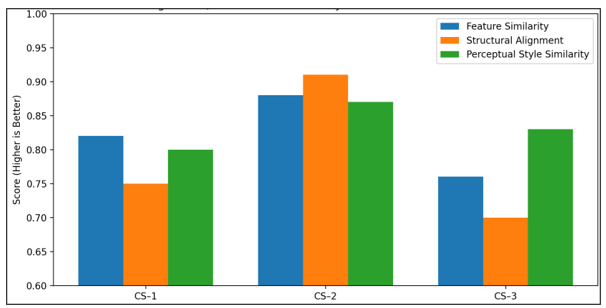
Figure 5 Quantitative consistency metrics across
reconstruction case studies
In addition to the consistency, the results of reconstruction have to be explained in relation to the epistemic uncertainty, which is inherent to the process of reconstruction of lost works. Figure 5 illustrates the uncertainty as an average of latent variance and the content of high-uncertainty areas. The findings demonstrate that there is a obvious stratification CS3 has the highest uncertainty, which means that there is no direct evidence, but CS2 has the least one because of high fragment constraints. Notably, such a behavior cannot be viewed as a methodological weakness. Rather, it shows that when evidence is thin, it is reasonable to use the framework to widen the hypothesis space to avoid false precision and debilitate transparency in curation.
Figure 6

Figure 6 Uncertainty and variability indicators across
reconstruction scenarios.
In order to generalize these observations, the trade-off connecting evidence alignment and uncertainty is directly considered in Figure 6. The scatter plot shows that the greater the feature similarity, the lower the latent variance is systematically correlated and reconstructions conditioned by weaker constraints move to an area of greater uncertainty. This connection substantiates the fact that the framework incorporates the strength of evidence as a constructive force towards reconstruction confidence. This is crucial to academic validity because it will avert hypothetical reconstructions to be mistaken as the official documents.
Figure 7

Figure 7 Evidence–uncertainty trade-off in AI-based
reconstruction outcomes.
Last but not least, these quantitative trends are contextualized by the qualitative expert assessment. Experts always tended to use reconstruction sets that exhibited limited stylistic variation with clear signs of uncertainty as shown in Figure 7. Movement-level reconstructions were especially considered useful in CS -3 and in the analysis of the historical development of the field, when explicitly disclaimed as authorship. These examples support the main thesis of this paper that AI reconstruction must be treated as an academic aid, namely, allowing to systematically test various hypotheses of the possible art, and without depriving the human interpretive power.
8. Conclusion and Future Research Directions
In this paper, a reconstruction of lost modernist paintings using AI has been described by defining reconstruction as a limited and probabilistic inference problem rather than a recovery action. The proposed approach integrates representation learning, conditional generative modeling, uncertainty-aware sampling, and human-in-the-loop validation to provide the presented approach to the computational capabilities in a ratio that is meaningful to the interpretative and evidentiary level of art-historical research. The results of the experiments under the different reconstruction conditions have shown that the reconstruction fidelity can be improved as much as using the evidence accessible, and uncertainty is well-valued in the limited cases of documentation. It is important to note that the framework does not purport to some finality in history, instead it creates groups of potential reconstructions that have some explicitly defined uncertainty notations, and whose assumptions are recorded itemwise. These findings indicate the significance of artificial intelligence as an assistive academic resource that cannot substitute the curatorial authority but expands the interpretive investigation. The fact that AI can contribute to the transparent and scalable redesign of workflows and a well-developed set of controls and professional oversight poses as a form of affirmation, which is supported by multiple quantitative indicators, a perceptual analysis, and professional assessment rate. The future research should be focused on enriching reconstruction constraints through multimodal archival merging techniques including material analysis and provenance records and developing more interactive human-AI co-reconstruction interfaces that can be applied in the practice of the curator. The following generation will boost the explainability and uncertainty- aware generative modeling that will boost interpretability and academic confidence. Furthermore, the extension to other areas of art with a historically complex structure, as well as the implementation of the framework on an artistic museum scale with unified rules of operation, are also the possible directions to increase the impact of AI-based artistic reconstruction.
CONFLICT OF INTERESTS
None.
ACKNOWLEDGMENTS
None.
REFERENCES
Alalaq, A. S. (2025). AI-Powered Search Engines. Shodhai: Journal of Artificial Intelligence, 2(1), 49–62. https://doi.org/10.29121/shodhai.v2.i1.2025.31
Argyrou, A., Agapiou, A., Papakonstantinou, A., and Alexakis, D. D. (2023). Comparison of Machine Learning Pixel-Based Classifiers for Detecting Archaeological Ceramics. Drones, 7(9), 578. https://doi.org/10.3390/drones7090578
Azizifard, N., Gelauff, L., Gransard-Desmond, J.-O., Redi, M., and Schifanella, R. (2022). Wiki Loves Monuments: Crowdsourcing the Collective Image of the Worldwide Built Heritage. Journal on Computing and Cultural Heritage, 16(1), 1–27. https://doi.org/10.1145/3569092
Bosco, E., Suiker, A. S. J., and Fleck, N. A. (2021). Moisture-Induced Cracking in a Flexural Bilayer with Application to Historical Paintings. Theoretical and Applied Fracture Mechanics, 112, 102779. https://doi.org/10.1016/j.tafmec.2020.102779
Croce, V., Caroti, G., De Luca, L., Jacquot, K., Piemonte, A., and Véron, P. (2021). From the Semantic Point Cloud to Heritage Building Information Modeling: A Semiautomatic Approach Exploiting Machine Learning. Remote Sensing, 13(3), 461. https://doi.org/10.3390/rs13030461
Dong, Z., Ye, S., Wen, Y., Li, N., and Liu, Y. (2025). Towards Better Robustness: Progressively Joint Pose–3DGS Learning for Arbitrarily Long Videos (arXiv:2501.15096). arXiv.
Garozzo, R., Santagati, C., Spampinato, C., and Vecchio, G. (2021). Knowledge-Based Generative Adversarial Networks for Scene Understanding in Cultural Heritage. Journal of Archaeological Science: Reports, 35, 102736. https://doi.org/10.1016/j.jasrep.2020.102736
Janas, A., Mecklenburg, M. F., Fuster-López, L., Kozłowski, R., Kékicheff, P., Favier, D., Andersen, C. K., Scharff, M., and Bratasz, Ł. (2022). Shrinkage and Mechanical Properties of Drying Oil Paints. Heritage Science, 10, 181. https://doi.org/10.1186/s40494-022-00814-2
Khalid, S., Azad, M. M., Kim, H. S., Yoon, Y., Lee, H., Choi, K.-S., and Yang, Y. (2024). A Review on Traditional and Artificial Intelligence-Based Preservation Techniques for Oil Painting Artworks. Gels, 10(8), 517. Https://Doi.Org/10.3390/Gels10080517
Kimura, F., Ito, Y., Matsui, T., Shishido, H., Kitahara, I., Kawamura, Y., and Morishima, A. (2021). Tourist Participation in the Preservation of World Heritage: A Study at Bayon Temple in Cambodia. Journal of Cultural Heritage, 50, 163–170. https://doi.org/10.1016/j.culher.2021.05.001
Kuntitan, P., and Chaowalit, O. (2022). Using Deep Learning for the Image Recognition of Motifs on the Center of Sukhothai Ceramics. Current Applied Science and Technology, 22(2). https://doi.org/10.55003/cast.2022.02.22.002
Liu, Z., Brigham, R., Long, E. R., Wilson, L., Frost, A., Orr, S. A., and Grau-Bové, J. (2022). Semantic Segmentation and Photogrammetry of Crowdsourced Images to Monitor Historic Facades. Heritage Science, 10, 27. https://doi.org/10.1186/s40494-022-00664-y
Maiwald, F., Lehmann, C., and Lazariv, T. (2021). Fully Automated Pose Estimation of Historical Images in the Context of 4D Geographic Information Systems Utilizing Machine Learning Methods. ISPRS International Journal of Geo-Information, 10(11), 748. https://doi.org/10.3390/ijgi10110748
Panagiotopoulou, A., Grammatikopoulos, L., El Saer, A., Petsa, E., Charou, E., Ragia, L., and Karras, G. (2023). Super-Resolution Techniques in Photogrammetric 3D Reconstruction from Close-Range UAV Imagery. Heritage, 6(3), 2701–2715. https://doi.org/10.3390/heritage6030143
Qian, J., Yan, Y., Gao, F., Ge, B., Wei, M., Shangguan, B., and He, G. (2025). C3DGS: Compressing 3D Gaussian Model for Surface Reconstruction of Large-Scale Scenes Based on Multi-View UAV Images. IEEE Journal of Selected Topics in Applied Earth Observations and Remote Sensing. https://doi.org/10.1109/JSTARS.2025.3529261
Rahimi, F. B., Demers, C. M., Dastjerdi, M. R. K., and Lalonde, J. F. (2025). Agile Digitization for Historic Architecture Using 360° Capture, Deep Learning, and Virtual Reality. Automation in Construction, 171, 105986. https://doi.org/10.1016/j.autcon.2025.105986
Shih, N.-J. (2025). Using AI to Reconstruct and Preserve 3D Temple Art with Old Images. Technologies, 13(6), 229. https://doi.org/10.3390/technologies13060229
Silva, C., and Oliveira, L. (2024). Artificial Intelligence at the Interface Between Cultural Heritage and Photography: A Systematic Literature Review. Heritage, 7(7), 3799–3820. https://doi.org/10.3390/heritage7070180
Spennemann, D. H. R. (2024). Generative Artificial Intelligence, Human Agency and the Future of Cultural Heritage. Heritage, 7(7), 3597–3609. https://doi.org/10.3390/heritage7070170
Wang, W. (2024). Real-Time fast 3D Reconstruction of Heritage Buildings Based on 3D Gaussian Splashing. In Proceedings of the 2024 IEEE 2nd International Conference on Sensors, Electronics and Computer Engineering (ICSECE) (1014–1018). IEEE. https://doi.org/10.1109/ICSECE61636.2024.10729491
Zhang, X. (2024). AI-Assisted Restoration of Yangshao Painted Pottery Using LoRA and Stable Diffusion. Heritage, 7(11), 6282–6309. https://doi.org/10.3390/heritage7110295
|
|
 This work is licensed under a: Creative Commons Attribution 4.0 International License
© ShodhKosh 2026. All Rights Reserved.