ShodhKosh: Journal of Visual and Performing ArtsISSN (Online): 2582-7472
|
|
Predictive Analytics in Arts Education Management
Jyoti
M. Shinde 1
 ,
Gajanan Chavan 2
,
Gajanan Chavan 2 , Sadhana Sargam 3, Dr. Mukesh Patil 4
 , Seethaladevi S. 5
 , Ashwini Prakash Nikam 6
1 Department of Computer Engineering, Dr.
D. Y. Patil Institute of Technology Pimpri, Pune, India
2 Assistant
Professor, Department of E and TC Engineering, Vishwakarma Institute of
Technology, Pune, Maharashtra, 411037, India
3 Assistant Professor, School of Business Management, Noida
International University, Greater Noida 203201, India
4 Associate Professor and Head, Department of Management Studies,
Guru Nanak Institute of Engineering and Technology Nagpur, Maharashtra, India
5 Assistant Professor, Meenakshi College of Arts and Science,
Meenakshi Academy of Higher Education and Research, Chennai, Tamil Nadu,
600087, India
6 Department of Computer Engineering,
Bharati Vidyapeeth's College of Engineering, Lavale,
Pune, Maharashtra, India
|
|
|
ABSTRACT |
|
|
The growing
sophistication of arts education management, which is created by the variety
of learning trajectories, subjective evaluation practices, and production of
multimodal creative products, is the reason why the decision-support
mechanisms developed beyond the conventional descriptive analytics. The given
paper presents an IEEE-based predictive analytics framework adapted to arts
education management with the incorporation of heterogeneous data,
interpretable feature engineering, and management-focused predictive
modeling. The framework integrates the administrative records, rubric-based
testing, digital portfolios, reflective narratives, and behavioral
interaction logs in a systematic way to simulate the learner progress,
dynamics of engagement, and institutional demand. Several predictive modeling
methods including regression and tree models, ensemble and neural methods are
tested through a single experimental protocol focusing on accuracy, ability
to detect risks early and interpretability. The experimental findings show
that the ensemble-based models with the aid of process-oriented and
multi-modal features provide better predictive capability and detect the
at-risk learners much earlier than the traditional methods do. The results
demonstrate that the indicators of engagement frequency, frequency of
portfolio iteration, and depth of reflection are more informative than the
academic measures that remain constant in a creative learning setting.
Noteworthy, interpretability and ethical conformity are critical concerns in
the research that make sure that predictive outputs are used to facilitate
transparent, accountable, and pedagogically informed decision-making. The
current work shows how predictive analytics as an advisory system within a
feedback-based management system can be used to promote foresight, support
learners, and resource planning without losing creative independence. The
recommended solution will provide a scaffolding platform of future studies
and application of predictive analytics in educational institutions of arts. |
|||
|
Received 12 September 2025 Accepted 09 December 2025 Published 17 February 2026 Corresponding Author Jyoti M.
Shinde, jyotimanishshinde@gmail.com DOI 10.29121/shodhkosh.v7.i1s.2026.7087 Funding: This research
received no specific grant from any funding agency in the public, commercial,
or not-for-profit sectors. Copyright: © 2026 The
Author(s). This work is licensed under a Creative Commons
Attribution 4.0 International License. With the
license CC-BY, authors retain the copyright, allowing anyone to download,
reuse, re-print, modify, distribute, and/or copy their contribution. The work
must be properly attributed to its author.
|
|||
|
Keywords: Predictive Analytics, Arts Education Management,
Learning Analytics, Feature Engineering, Ensemble Learning, Early Risk
Detection, Interpretability, Decision-Support Systems |
|||



1. INTRODUCTION
The administration of arts education institutions is experiencing a paradigm shift due to the rising access to educational data and the need to increase the use of evidence-based decision-making. Conventionally, arts education management has given high importance to experiential judgment, qualitative assessment, and post-activity analysis of student performance and institutional outcomes Sáez-Velasco et al. (2024). Although these methods acknowledge the subjective and expressive aspect of artistic learning, they may not be able to predict the upcoming trends in terms of student enrollment, student retention, student academic growth, the use of resources, and sustainability of the institution. This responsive mode of governance is becoming less adequate in a digital learning environment, hybrid studio environment, and data-intensive administrative environment El Mahmoudi et al. (2025). Consequently, predictive analytics has become a potential paradigm of strategic planning and operational management in arts education management. Predictive analytics can be defined as the tactical application of past and current data, statistical modeling and machine learning systems to predict the future and discover latent trends that cannot be easily observed with descriptive analysis on its own Aldoseri et al. (2024). Predictive models in education systems have been studied extensively to be used in predicting dropouts, performance, early warning and optimizing resource in education systems. But most of the current studies have centered on science, technology, engineering and mathematics (STEM) education or massive online learning atmosphere Relmasira et al. (2023). Arts education has a unique set of features such as the studio-based pedagogy, the portfolio-based assessment, the subjective grading rubrics, and the various learner patterns that create unique challenges to the traditionally used predictive modeling techniques. These features require domain-aware analytics systems capable of supporting both quantitative and qualitative signal types of creative learning Albar (2024).
Figure 1
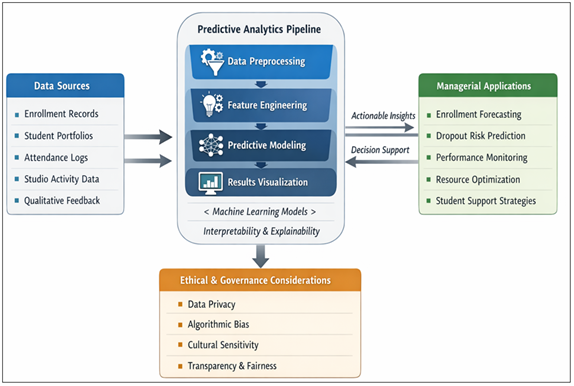
Figure 1 Predictive Analytics Pipeline for Arts Education Management
The sphere of arts education management is rather wide as it deals with numerous administrative and pedagogical duties such as admissions planning, curriculum design, allocation of faculty workload, infrastructure management, support services to learners and accreditation of institutions. The uncertainty in these domains, which is subject to change in demand and limited foresight towards the actions of students and their education often limit decision making Rodrigues and Rodrigues (2023). As an illustration, ineffective enrollment forecasting may lead to underutilized facilities or overstaffing, whereas a late detection of at-risk learners may cause an increase in the rate of dropouts and a decrease in the quality of education. Predictive analytics provides an opportunity to transform arts education management into reactive control into proactive governance by allowing identifying risks early, planning scenarios, and monitoring performance. In this paper, the authors focus on the ways to fill these gaps through a systematic analysis of the role of predictive analytics in arts education management and the ways to propose a domain-specific analytical framework suitable to creative learning settings Ning et al. (2024). The work merges the notions of educational data mining, machine learning, and management science and creates a predictive analytics pipeline to assist in making strategic and operational decisions and considering the qualitative aspects of artistic practice. The focus is made on feature engineering methods which include administrative information as well as the learning process metrics, model interpretability systems which amplify trust and transparency, and decision-support interfaces which convert predictions into actionable administrative insights Demartini et al. (2024).
2. Background Investigation AND study
In arts education management, predictive analytics are based on an interdisciplinary theoretical base that combines such theoretical areas as statistical learning, machine learning, learning theory, and decision-support principles. In its most basic form, predictive analytics aims at establishing patterns in historical data to make predictions in the form of learner performance, retention, progression, and active institutional demand Chen et al. (2020). Not just the accuracy of its algorithms but also its capability to match well with data representations and the context of managerial decision settings is important in its effectiveness Almalawi et al. (2024). Conventional statistical models such as linear and logistic regression give interpretable baselines, but are inadequate in terms of non-linear and multimodal modeling of non-linear arts education data. Machine learning methods ensemble models, support vector machines, as well as deep learning architecture extend the feature to include non-linear interactions and process visual, textual and sequential data. Temporal modeling also increases predictive performance by considering the longitudinal dynamics of the learning processes and patterns of interaction Zeineddine et al. (2021).
Figure 2
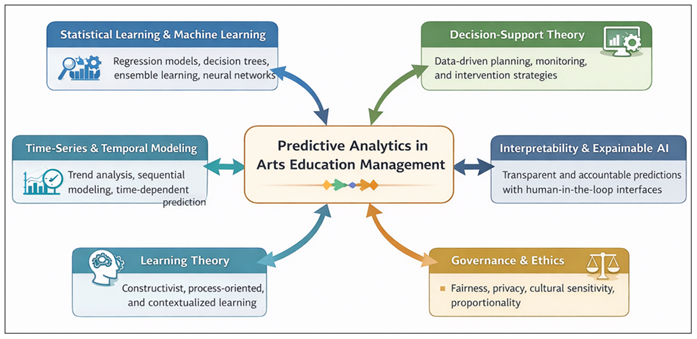
Figure 2 Predictive Analytics in Arts Education Block Diagram
Learning theory, and constructivist views in particular, point to the fact that learning in arts education is process-mediated, reflective and socially mediated. As a result, predictive models should include signs of engagement, iteration, and reflective practice as opposed to depending on outcome-based measures only Waheed et al. (2020). Management science perspective sees predictive analytics as a decision support system, use of which is involved in planning, intervention, and resource allocation as opposed to ends. The key normative basics include interpretability, ethics, and data governance Aslam et al. (2025). Elucidable and anthropocentric AI methods are essential in regard to trust and accountability, namely in arts education where critique intersects with creativity, identity and cultural expression.
3. Predictive Modeling Techniques
The analytical essence of data-driven arts education management is predictive modeling, which transforms engineered features into predictions and risk estimates used to make decisions in an institutional and pedagogic context Yang et al. (2021). Considering the heterogeneous, subjective, and temporal character of the arts education information, it is important that the model choice should consider a balance between predictive power, interpretability, strength, and managerial value. As a result, no single algorithmic paradigm should be used but a variety of predictive modeling methods. The bottom layer of predictive analytics is made up of the statistical and regression-based models. Linear and logistic regression models are usually used on structured administrative data including enrollment histories, attendance consistency and program transitions Yin et al. (2023). These models are very transparent with express parameters that allow the administrators to tell the effect of single predictors. Nevertheless, they depend on linear assumptions and therefore cannot be generalized to complex pedagogical and behavioral interactions as would be the case in the arts education setting. The tree-based models are able to further predict and still be interpreted. Decision trees break down the logic of prediction into a hierarchy of rules, allowing managers to comprehend key points in the engagement indicators, portfolio growth or evaluation journey. Although the models are intuitive and easy to understand, single-tree models are prone to overfitting and unstable inputs such as noisy feature space or high-dimensional feature space. The ensemble learning strategies overcome these shortcomings by combining two or more learners to enhance generalization Fahim et al. (2021). Random forests, gradient boosting machines are successful to condense anomalies and feature interactions in mixed datasets of heterogeneous data of administrative, assessment and behavioral factors. The importance scores of features produced by ensemble models have some degree of interpretability, which would be applicable in management situations where both accuracy and insight are needed.
Table 1
|
Table 1 Comparative Analysis of Predictive Modeling Techniques for Arts Education Management |
||||
|
Model Class |
Suitable Data Types |
Key Strengths |
Limitations |
Primary Management
Applications |
|
Ensemble Models (RF,
GBM) |
Heterogeneous features
(admin + behavioral + assessment) |
High accuracy,
robustness, feature importance insights |
Reduced transparency
compared to single trees |
Learner progression
prediction, resource optimization |
|
Support Vector
Machines |
High-dimensional
engineered features |
Strong generalization,
margin maximization |
Limited
interpretability, tuning complexity |
Learner
classification, performance risk detection |
|
Neural Networks (MLP) |
Non-linear structured
features |
Captures complex
relationships |
Opaque internal logic,
data sensitivity |
Complex outcome
prediction |
|
Deep Learning (CNN,
RNN) |
Images, videos, text,
sequential engagement data |
Multimodal and
temporal modeling capability |
High data demand, low
explainability |
Portfolio analysis,
early warning systems |
|
Time-Series Models |
Longitudinal
enrollment and engagement data |
Temporal trend
forecasting |
Limited interaction
modeling |
Demand forecasting,
workload planning |
|
Hybrid / Ensemble
Pipelines |
Multimodal and
temporal datasets |
Balance of accuracy
and interpretability |
Increased system
complexity |
Decision-support
dashboards, strategic governance |
Predictive expressiveness is further extended by the models based on neural networks. The feedforward neural network can be used to perform a non-linear regression and classification, and the deep learning architectures can be used to model unstructured and multimodal data. Convolutional neural networks are used to process visual portfolio artifacts, and recurrent neural networks are used to acquire time dependence on engagement and submission sequences. Although potent, these models have problems of interpretability and sufficient data, which require cautious incorporation into systems that are facing the management. A temporal modeling strategy is specifically applicable in the arts education field where learning patterns develop over time as a series of creative cycles. The time-series forecasting models assist in enrollment planning and workload planning and sequential models identify the early anomaly of the normal patterns of engagement. These deviations are common antecedents of measurable decreases in performance and temporal models provide the basis of proactive intervention Owusu (2025).
4. Data Sources and Feature Engineering in Arts Education
The success of predictive analytics in arts education management lies heavily in the input data in nature and representation. Arts education as opposed to traditional education systems based primarily on organized numerical measures, produces heterogeneous and multimodal and process-based data that captures creative product and the learning process. In this section, the main sources of data used in arts education are described and the methods used to feature engineer data to transform raw data into predictive forms that are computationally and pedagogically viable. The administrative records are the source of the baseline data, such as enrollment records, attendance, demographics and program registrations. These are longitudinal, structured data that can assist managers with enrollment projections and retention investigation but do not provide much information on the creative learning processes. The data of pedagogical assessment, which is usually rubric-based and scored subjectively in various dimensions, including, but not confined to, creativity and technique, must be in the form of longitudinal feats such as improvement trends and variability of scores, not in the form of individual performance values. One of the significant multimodal data sources is portfolio-based learner artifacts.
The existence of digital portfolios with pieces of artwork, performances, and design solutions testifies to the skill acquisition and the evolution of the creativity. The feature extraction is concentrated on the process indicators such as the frequency of iterations, growth of the portfolio, and its constancy, not on the aesthetic judgment. The reflective journals and critiques of the study are in unstructured textual data, which is also utilized in predictive modeling by using the features of natural language based on features of reflection depth, semantic consistency, and sentiment consistency.
Table 2
|
Table 2 Mapping of Arts Education Data Sources to Engineered Features and Management Outcomes |
|||
|
Data Source |
Representative Data
Elements |
Engineered Features |
Management Outcomes
Supported |
|
Administrative Records |
Enrollment history,
attendance, program selection |
Enrollment trend
indices, attendance consistency score, program-switch frequency |
Enrollment
forecasting, capacity planning, retention risk assessment |
|
Assessment Rubrics |
Creativity, technique,
originality, conceptual clarity scores |
Longitudinal rubric
trajectories, improvement rate, score volatility, inter-rater consistency |
Learner progression
monitoring, early intervention planning |
|
Digital Portfolios |
Images of artworks,
videos of performances, design iterations |
Visual feature
embeddings, iteration count, portfolio growth rate |
Performance
prediction, curriculum effectiveness evaluation |
|
Reflective Text &
Critique Narratives |
Student reflections,
instructor feedback, peer critique |
Semantic coherence
indicators, reflection depth index, sentiment stability |
Learning support
personalization, pedagogical strategy refinement |
|
Behavioral &
Interaction Logs |
LMS access, studio
participation, tool usage timestamps |
Engagement regularity,
critique responsiveness, tool diversity index |
Early warning systems,
engagement monitoring |
|
Temporal Learning Data |
Submission timelines,
critique cycles, revision intervals |
Time-based progression
patterns, delay deviation metrics |
Proactive learner
support, workload and scheduling optimization |
Temporal engagement fine grained signals are given by behavioral interaction logs of learning platforms. Sequential characteristics based on patterns of participation in activities, using tools and involvement in critiques are especially useful in early detection of disengagement. To generalize these connections, Table 2 cross tabulates data sources to generated features and related managerial goals, and shows how a heterogeneous educational data is converted into predictive actionable indicators. As Table 2 reveals, feature engineering in arts education is an important linking point between pedagogical processes and managerial analytics. The designed properties are focused on interpretability, the time dynamics and the awareness of the process, so the predictive models will not harm the qualitative and expressive aspects of artistic learning. The methods of feature selection go a step further to focus on explainable and actionable indicators in order to be able to interpret the outputs of the predictions in a meaningful way accessible to the administrator and the educator.
5. Proposed Predictive Analytics Framework for Arts Education Management
The suggested predictive analytics model would operationalize the modeling strategies that were mentioned in Section V in a logical, end-to-end decision-support framework that would be relevant to the managerial and pedagogical realities of arts education. In contrast to generic learning analytics systems, the framework fully incorporates multimodal creative information, interpretability processes, and management feedback loops to make sure that predictive information is converted into responsible and actionable decisions. Conceptually, the architecture is layered with the following data acquisition, feature engineering, predictive modeling, and interpretation and decision execution. These layers do not exist in isolation, but rather they form a closed-loop system, which allows successively improving predictions, depending on responses of the institutions and learning behavior change. This design is in line with decision-support theory, which has analytics that support the human judgment and not eliminate it.
Figure 3
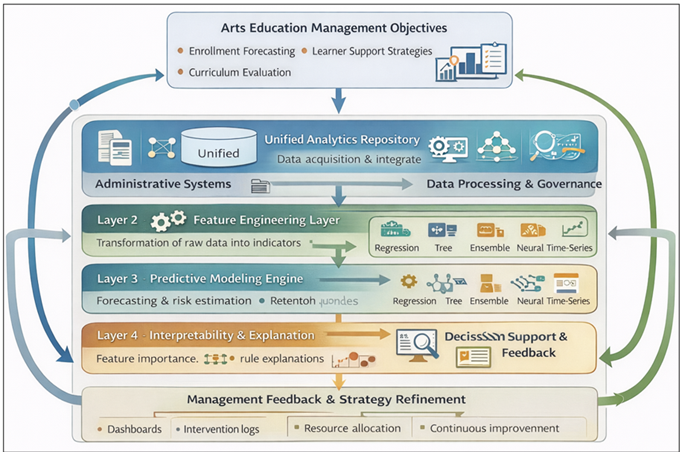
Figure 3 System-Level Architecture Diagram
The lower layer of the framework concentrates in data acquisition and integration. Educational institutions of arts produce data within administrative systems, in studios, on-digital data, and portfolio repositories. The model consolidates these diverse streams of data into one repository of analytics, both in terms of time and contextual labeling. Notably, the data minimization and access control, and consent management are imposed upon as governance constraints to maintain ethical and regulatory compliance at this stage. The second layer is that of feature engineering and representation. This layer provides a semantic interface between creative practice and computational modeling making sure that engineered features have a pedagogical content and managerial value. The third layer involves the predictive modeling engine, whereby, several model classes are operating on parallel or hybrid mode. Regression and decision trees, the interpretable models, can be used to make important decisions by managers, whereas ensemble and deep learning models can learn the complex non-linear relationships in multimodal data. Forecasts, risk scores and progression probabilities, which are the model outputs, are not definite classifications, and this aspect further supports the advisory character of the system.
The fourth layer adds interpretation and explainability mechanisms to deal with the issue of trust and accountability. Model outputs are ranked by feature importance, extracted rules and local explanation methods that allow administrators and educators to gain an insight into why particular predictions are made. This level is imperative in the context of arts education where the issue of creative autonomy needs to be maintained, and the problem of algorithmic overreach should be reduced. The last tier is geared towards decision support and feedback integration at management level. The predictive insights are represented like dashboards and reporting tools that are in line with the management goals in terms of enrollment planning, allocation of learner support, and curriculum evaluation. Decisions made during this stage like specific interventions or redistribution of resources is recorded as a feedback to the system and adaptive learning occurs as well as the analytics pipeline is continuously improved.
6. Experimental Design and Evaluation Metrics
This section shows the experimental design that would be used to prove the effectiveness of the suggested predictive analytics framework in arts education management. Following the IEEE approach to methodological rigor, the analysis is based on reproducibility, robustness, and managerial relevance but not on algorithmic performance. The experimental protocol has been designed in such a way that it will evaluate predictive accuracy, cohort stability, interpretability and real-world use in the decision-making process.
Step-1] Objectives of the experiment
The main goals of the experimental evaluation are three fold. The first one is to determine the predictive success of various modeling methods presented in Section V in the context of heterogeneous arts education data. Second, the contribution of engineered features, especially the process-oriented and multimodal features, to prediction quality is to be evaluated. Third, to investigate the management usefulness of predictive outputs in the support of early intervention, enrollment planning and learner support strategies.
Step-2] Data set description
The study is an experimental one based on the institutional data gathered through arts education programs that use a blended studiodigital learning platform. The data contains several academic cohorts and it consists of administrative data, rubric based assessment scores, digital portfolio metadata, reflective text submissions and behavioral interaction logs.
The data is organized over time, and it is possible to conduct a longitudinal study of the learning paths of learners over semesters or teaching periods. Missing values created by voluntary submission or uneven participation are transformed with imputation methods that are consistent with the semantics of features to make sure that imputed values do not warp creative patterns of participation.
Step-3] Experimental Protocol
The experimental pipeline is a standardized flow of the experimental work consisting of data partitioning, feature extraction, model training, and evaluation. The samples are separated into training, validation, and test samples by using stratified sampling to keep the balance of classes in terms of such outcomes as retention status or progression levels. As it is used where it is necessary, cross-validation is used to reduce the variance due to cohort-specific effects.
Each predictive model is trained on the same feature sets and to compare them fairly, they are all trained on the same feature set. Baseline regression models, ensemble and temporal models determine the advantages of non-linear and sequential learning respectively. The grid or randomized search is used to hyperparameter tune with the parameter bounds put in place to prevent overfitting and overfit model complexity.
Step-4] Strategy of Comparative Evaluation
Comparative evaluation is concerned with both feature-level evaluation and model-level evaluation. Model-level comparison is used to study trade-offs between predictive performance and interpretability, which identify situations where simpler models can be used in management that can outperform complex models. Feature-level evaluation the incremental performance of multimodal and temporal features is evaluated by comparing the results of models with and without these features. Scenario based assessment is also incorporated in the evaluation, with predictive outputs being superimposed on hypothetical managerial behavior (e.g. focused learner support or resource optimization). The analysis focuses on decision relevance as opposed to statistical superiority.
7. Results and Discussion
This section shows the experimental findings of using the proposed predictive analytics framework to the arts education management data. The analysis has been done based on predictive accuracy, early-risk detection and interpretability by a manager. Discussion of results is made concerning the complexity of the model, feature composition and relevance of decisions.
Table 3
|
Table 3 Comparative Predictive Performance of Models |
|||||
|
Model |
Accuracy (%) |
Precision |
Recall |
F1-Score |
RMSE (Forecasting) |
|
Linear / Logistic
Regression |
78.4 |
0.76 |
0.72 |
0.74 |
0.312 |
|
Decision Tree |
81.2 |
0.79 |
0.77 |
0.78 |
0.295 |
|
Random Forest |
86.7 |
0.85 |
0.83 |
0.84 |
0.241 |
|
Gradient Boosting |
88.3 |
0.87 |
0.85 |
0.86 |
0.219 |
|
Support Vector Machine |
84.9 |
0.83 |
0.80 |
0.81 |
0.256 |
|
Neural Network (MLP) |
87.1 |
0.86 |
0.84 |
0.85 |
0.228 |
The findings demonstrate in Table 3 that ensemble-based models are able to perform better than linear and rule-based models in predictive accuracy. The performance improvements, however, are accompanied by lower interpretability, supporting the necessity of hybrid model approach in the management-oriented environments. In a bid to evaluate the role of multimodal and process-oriented features, models were trained using engineered portfolio, reflection and behavioral indicators.
Table 4
|
Table 4 Effect of Feature Engineering on Model Performance |
|||
|
Feature Set |
Accuracy (%) |
F1-Score |
Early Detection Gain
(%) |
|
Administrative +
Assessment Only |
79.6 |
0.75 |
|
|
+ Behavioral
Engagement Features |
83.8 |
0.80 |
+14.2 |
|
+ Portfolio &
Reflection Features |
87.9 |
0.85 |
+26.7 |
The three features of portfolio evolution and reflective indicators are greatly contributing to predictive sensitivity especially when it comes to early recognition of the disengagement risks that are not apparent in grades. One of the managerial needs of arts education is the capacity to spot at-risk learners prior to performance deterioration. The lead time of early detection was determined as an average of instructional weeks between prediction and disengagement.
Table 5
|
Table 5 Early Detection Lead Time Analysis |
||
|
Model |
Average Lead Time
(Weeks) |
Detection Reliability
(%) |
|
Logistic Regression |
2.1 |
68.4 |
|
Decision Tree |
2.8 |
72.6 |
|
Random Forest |
4.6 |
83.9 |
|
Gradient Boosting |
5.2 |
86.1 |
|
Neural Network |
4.9 |
84.7 |
The ensemble and neural models can identify risk states two to three weeks before linear methods, and the timely provision of pedagogical responses, which are mentoring or workload reallocation. Predictive accuracy is important, however, interpretability is crucial to the adoption of its use by management. The analysis of feature importance demonstrated that the frequency of engagement, the frequency of portfolio iteration, and depth of reflection were always among the most frequently used predictors. These indicators can be compared to the pedagogical intuition, which adds credibility to the model outputs.
8. Analysis and Interpretation of Results
Three major dimensions under analysis are comparative predictive performance, the influence of feature engineering, and the ability to detect risks early, and each of them is vital regarding managerial decision-making in the context of creative education.
Figure 4

Figure 4 Comparison of Accuracy and F1-Score Across Predictive Models Used in Arts Education Management.
Ensemble-based models especially gradient boosting and random forest models, always outshine the linear and rule based models such as the case shown in Figure 4. This performance edge implies a better capacity to highlight non-linear variations in among heterogeneous characteristics like engagement patterns, assessment paths and indicators of portfolio development. Although linear models offer reliable and explainable baselines, their expressiveness is more limited than their use in a setting such as arts education with its subjective and process-oriented learning dynamics. Neural network models are shown to compete well, but it is indicated that the marginal improvements in competition are diminishing when interpretability and data limitations are taken into account.
Figure 5
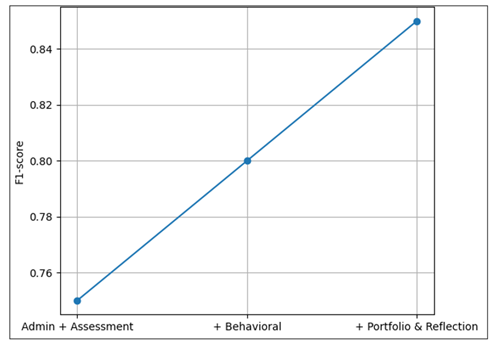
Figure 5 Effect
of Incremental Feature Engineering on Predictive Performance in Arts Education
Analytics
The contribution of feature engineering is further explored in Figure 5 which shows how the predictive performance increases with the introduction of richer feature sets. The addition of indicators of behavioral engagement gives a significant improvement in F1-score, and the introduction of portfolio and reflective features results in the greatest performance increase. The trend affirms the idea that creative learning paths would be better characterized using process-based and multimodal pointers instead of administrative or assessment data per se. The findings confirm the conceptual assumption that analytics in arts education should focus on learning processes, reflection, and practice to attain significant prediction results.
Figure 6
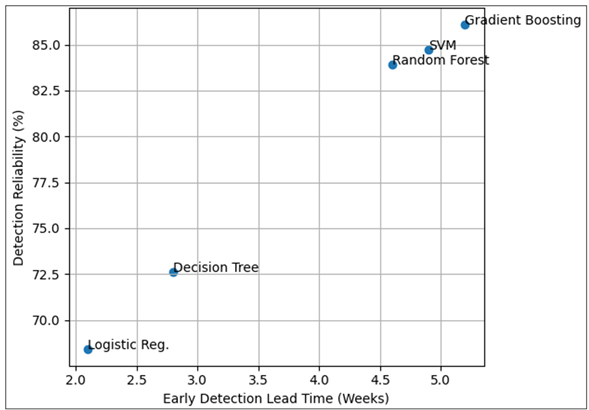
Figure 6 Early
Detection Lead Time Versus Detection Reliability for Predictive Models
The early-risk detection feature is a very important asset to the arts education management in which such an unendingness might not be visible at all in the formal assessments. Figure 6, compares the predictability of early detection based on lead time and the models. Compared to regression and tree-based models, ensemble and neural methods are able to detect at-risk learners two to three weeks before and with higher reliability. This long lead time gives the institutions sufficient time to intervene effectively in time in the form of mentoring, workload realignment, or pedagogical assistance thus enhancing the retention and advancement of the learners.
9. Conclusion
This paper explored the impact of predictive analytics on improving the arts education management through the combination of data-driven modeling with the pedagogical and managerial realities of creative learning space. In contrast to the classical methods of analytics, which are mostly designed to operate in the framework of a structured STEM setting, the suggested framework is intended to deal with the heterogeneity, subjectivity, and the process-based nature of arts education through exploiting multimodal data streams, interpretable feature engineering and management-prompted predictive models. The framework is based on a systematic design using data acquisition, feature transformation, predictive modeling, interpretability, and decision support to place analytics as an enabling mechanism to proactive and informed governance instead of a substitute of professional judgment. The experimental outcomes prove that models based on ensembles, which are backed by well-designed behavioral, portfolio, and reflective aspects, perform more predictively and promptly in identifying risk to learners than linear and rule-based models. Notably, the results demonstrate that indicators reflecting the process (e.g. engagement regularity, iteration frequency, and reflective depth) are more informative compared to the measures of the static assessment used to understand the creative learning paths. The early-detection advantage of the suggested methodology would grant the learning institutions in the art field with a useful point of intervention, which can aid in timely guidance of the learners and the allocation of resources. The focus on interpretability and ethical correspondence also bears a great importance. The framework promotes trust, accountability, and cultural sensitivity, which are essential factors in creative educational settings by focusing on explainable features, model behavior, and similar aspects.
CONFLICT OF INTERESTS
None.
ACKNOWLEDGMENTS
None.
REFERENCES
Albar Mansoa, P. J. (2024). Artificial Intelligence for Image Generation in Art: How does it Impact on the Future of Fine Art Students? Encuentros, 20, 145–164.
Aldoseri, A., Al-Khalifa, K. N., and Hamouda, A. M. (2024). AI-Powered Innovation in Digital Transformation: Key Pillars and Industry Impact. Sustainability, 16(5), 1790. https://doi.org/10.3390/su16051790
Almalawi, A., Soh, B., Li, A., and Samra, H. (2024). Predictive Models for Educational Purposes: A Systematic Review. Big Data and Cognitive Computing, 8(12), 187. https://doi.org/10.3390/bdcc8120187
Aslam, M. A., Murtaza, F., Ehatisham Ul Haq, M., Yasin, A., and Ali, N. (2025). SAPEx-D: A Comprehensive Dataset for Predictive Analytics in Personalized Education using Machine Learning. Data, 10(3), 27. https://doi.org/10.3390/data10030027
Chen, L., Chen, P., and Lin, Z. (2020). Artificial Intelligence in Education: A Review. IEEE Access, 8, 75264–75278. https://doi.org/10.1109/ACCESS.2020.2988510
Demartini, C. G., Sciascia, L., Bosso, A., and Manuri, F. (2024). Artificial Intelligence Bringing Improvements to Adaptive Learning in Education: A Case Study. Sustainability, 16(3), 1347. https://doi.org/10.3390/su16031347
El Mahmoudi, A., Chaoui, N. E. H., and Chaoui, H. (2025). Predictive Analytics Leveraging a Machine Learning Approach to Identify Students' Reasons for Dropping Out of University. Applied Sciences, 15(15), 8496. https://doi.org/10.3390/app15158496
Fahim, Q., Tan, M., Mazzi, M., Sahabuddin, M., Naz, B., and Ullah Bazai, S. (2021). Hybrid LSTM Self-Attention Mechanism Model for Forecasting the Reform of Scientific Research in Morocco. Computational Intelligence and Neuroscience, 2021, 6689204. https://doi.org/10.1155/2021/6689204
Ning, Y., Zhang, C., Xu, B., Zhou, Y., and Wijaya, T. T. (2024). Teachers' AI-TPACK: Exploring the Relationship Between Knowledge Elements. Sustainability, 16(3), 978. https://doi.org/10.3390/su16030978
Owusu, J. (2025). Existential Analysis of Change Management Practices and Their Influence on Productivity of Selected Public Sector Organizations in Ghana. ShodhPrabandhan: Journal of Management Studies, 2(1), 67-82. https://doi.org/10.29121/ShodhPrabandhan.v2.i1.2025.19
Relmasira, S. C., Lai, Y. C., and Donaldson, J. P. (2023). Fostering AI Literacy in Elementary Science, Technology, Engineering, Art, and Mathematics (STEAM) Education in the Age of Generative AI. Sustainability, 15(18), 13595. https://doi.org/10.3390/su151813595
Rodrigues, O. S., and Rodrigues, K. S. (2023). A Inteligência Artificial na Educação: Os Desafios do ChatGPT. Texto Livre, 16, e45997. https://doi.org/10.1590/1983-3652.2023.45997
Sáez-Velasco, S., Alaguero-Rodríguez, M., Delgado-Benito, V., and Rodríguez-Cano, S. (2024). Analysing the Impact of Generative AI in Arts Education: A Cross-Disciplinary Perspective of Educators and Students in Higher Education. Informatics, 11(2), 37. https://doi.org/10.3390/informatics11020037
Waheed, S.-U., Hassan, N. R., Aljohani, J., Hardman, S., Alelyani, S., and Nawaz, R. (2020). Predicting Academic Performance of Students from VLE big data using deep learning models. Computers in Human Behavior, 104, 106189. https://doi.org/10.1016/j.chb.2019.106189
Yang, C., Chiang, F. K., Cheng, Q., and Ji, J. (2021). Machine Learning-Based Student Modeling Methodology for Intelligent Tutoring Systems. Journal of Educational Computing Research, 59(5), 1015–1035. https://doi.org/10.1177/0735633120986256
Yin, C., Tang, D., Zhang, F., Tang, Q., Feng, Y., and He, Z. (2023). Students Learning Performance Prediction Based on Feature Extraction Algorithm and Attention-Based Bidirectional Gated Recurrent Unit Network. PLoS ONE, 18(5), e0286156. https://doi.org/10.1371/journal.pone.0286156
Zeineddine, H., Braendle, U., and Farah, A. (2021). Enhancing Prediction of Student Success: Automated Machine Learning Approach. Computers and Electrical Engineering, 89, 106903. https://doi.org/10.1016/j.compeleceng.2020.106903
|
|
 This work is licensed under a: Creative Commons Attribution 4.0 International License
© ShodhKosh 2026. All Rights Reserved.