ShodhKosh: Journal of Visual and Performing ArtsISSN (Online): 2582-7472
|
|
AI-Assisted Art Therapy through Digital Platforms
Vishakha Akhare 1 , Kapil Mundada 2
 ,
Arivukkodi R. 3
,
Arivukkodi R. 3 , Shikha
Gupta 4, Tejal
H. Patil 5
, Shikha
Gupta 4, Tejal
H. Patil 5 , Dr.
Balkrishna K. Patil 6
, Dr.
Balkrishna K. Patil 6

1 Department
of Information Technology, Yeshwantrao Chavan College of Engineering, Nagpur,
India
2 Department
of Instrumentation and Control Engineering, Vishwakarma Institute of
Technology, Pune, Maharashtra, 411037, India
3 Assistant Professor, Meenakshi College of Arts and Science, Meenakshi
Academy of Higher Education and Research, Chennai, Tamil Nadu 600078, India
4 Assistant Professor, School of Business Management, Noida
International University, Greater Noida 203201, India
5 Department of Computer Engineering, Bharati Vidyapeeth's College of
Engineering, Lavale, Pune, Maharashtra, India
6 Assistant Professor, Department of Computer Science and Engineering, SITRC
(Sandip Foundation), Nashik, India
|
|
|
ABSTRACT |
|
|
Digital-based
AI-assisted art therapy is a novel discursive field of application of
intelligent computing that combines psychological theory, creative practice,
and intelligent computing to provide additional mental health services. In
the current paper, the author offers a detailed map of how art therapy can be
provided through AI-mediated digital space and focuses particularly on
emotional expression, reflective interaction, and therapist-mediated
intervention. Based on the concepts of expressive and humanistic art therapy,
the proposed solution draws on the affective computing and human-computer
interaction theories to convert artistic pieces into valuable emotional
clues. Machine learning models are used to identify emotion and analyse
affect in multimodal inputs, such as drawings, paintings, text stories, and
interaction behavior. Guided visual creation is also assisted by generative
AI systems, where users are able to express themselves emotionally by means
of adaptive prompts, styles and symbolic forms, and reflectively communicate
through natural language processing and story generation. They are suggested
to have a structured workflow of therapeutic elements that include
onboarding, baseline emotional profiling, adaptive creative sessions, and
longitudinal visualisation of emotional progress. The application cases show
that AI-assisted art therapy has the potential to be used in anxiety, stress
management, depression, and neurodiverse users, as well as in remote
community-based mental health care. |
|||
|
Received 11 September 2025 Accepted 08 December 2025 Published 17 February 2026 Corresponding Author Vishakha
Akhare, vishuakhre@gmail.com DOI 10.29121/shodhkosh.v7.i1s.2026.7082 Funding: This research
received no specific grant from any funding agency in the public, commercial,
or not-for-profit sectors. Copyright: © 2026 The
Author(s). This work is licensed under a Creative Commons
Attribution 4.0 International License. With the
license CC-BY, authors retain the copyright, allowing anyone to download,
reuse, re-print, modify, distribute, and/or copy their contribution. The work
must be properly attributed to its author.
|
|||
|
Keywords: AI-Assisted Art Therapy, Digital Mental Health
Platforms, Affective Computing; Generative AI, Emotion Recognition, Human–AI
Co-Creation |
|||



1. INTRODUCTION
The effectiveness of art therapy as an effective form of therapy has been a long-standing fact and has been demonstrated to allow individuals to engage in emotional, experience processing, and encourage psychological recovery via their creativity. Through drawing, painting, sculpture, and other visual activities, people learn to project complicated emotions which can be hard to describe using words. Conventionally, art therapy is supported in physical or community clinical environments by trained therapists. Nevertheless, the rising mental health burdens within society, the inability to access practitioners, and the advent of more acceptable digital healthcare solutions have necessitated a desperate demand of scalable, accessible, and innovative, therapeutic models. In this regard, AI-aid art therapy on digital platforms has proven to be an optimistic paradigm that integrates creative expression with the smart computational assistance. The development of artificial intelligence, in particular, machine learning, affective computing, and generative models, has changed the nature of how the state of emotion can be felt, understood, and acted upon in online spaces Hammad (2024). It is now possible to analyze visual attributes, textual stories, voice cues and patterns of interaction to suggest emotional and cognitive conditions with more accuracy thanks to AI systems. Incorporated into the context of art-based therapeutic practices, these abilities allow providing a constant emotional assessment, individual feedback, and adaptive direction that will not be limited by traditional sessions. The digital platforms also advance this possibility with the ability to remotely engage, track longitudinally, and be multimodal, art therapy can be accessible to people regardless of geographic, economic, and social barriers. It is not intended that AI-assisted art therapy should substitute human therapists but can support therapeutic practice with intelligent assistance systems Jütte et al. (2023). The study of human-computer interaction is characterizing the need to create emphatic, understandable and user friendly interfaces that take into account emotional vulnerability and creative freedom. In this kind of systems AI may operate as a reactive co-creator, proposing colors, shapes, prompts, or metaphors, but does not interfere with agency and intent of the user. The wider range of creative potential in generative AI models, such as diffusion-based image generation and style-adaptive systems, also increases the creative potential as users can experiment with symbolic expressions of feelings in secure, directed, and non-judgmental spaces.
Figure 1

Figure 1 AI-Assisted Art Therapy through Digital Platforms
Digital art therapy systems also support therapist-in-the-loop systems to which clinicians can access AI-generated insights, track emotional patterns, and make interventions where needed. This is a combination strategy that can address the ethical issues of automation, bias, and misinterpretation through professional control. Figure 1 demonstrates that the user creativity, AI analysis, and therapist oversight facilitates adaptive therapy. Besides, data pipelines and privacy-conscious frameworks are used to ensure the responsible processing of sensitive emotional and behavioral data, which is essential in mental health use cases Sun et al. (2020). The fact that one can see how emotions changed across time, whether it is mood maps, expressive features tendencies, or reflective summaries, can provide both therapists and users with a deeper understanding of therapeutic outcomes and self-perception. Remote and community-based mental health services have increased the applicability of AI-assisted art therapy because of increased relevance especially in the post-pandemic environment. Children, adolescents, and neurodiverse people would have creative digital environments more accessible when compared to traditional verbal therapies, and the art-based AI systems particularly useful in early intervention and inclusive care Lee et al. (2023). Also, culturally adaptive generative models have the potential to include various visual signage and artistic cultures, which will increase interest and relatability among communities.
2. Theoretical Foundations
2.1. Psychological and expressive theories underpinning art therapy
An assortment of psychological and expressive theories is the basis of art therapy as a form of emotive communication, self-expression and psychological incorporation. Psychodynamic approaches focus on symbolic articulation and indicate that visuality, color and spatial constructions can project the unconscious thought, unresolved conflicts and emotional strain, which are not necessarily available to discussion in verbal terms alone. In this perspective, the piece of art is considered as a projective space in which inner lives are safely expressed and contemplated Du et al. (2024). Humanistic and person-centered theories also organize art-making as a growth-oriented process, and it focuses on autonomy, authenticity, and self-actualization. Creative expression aids self-knowledge and emotional control because it enables one to approach his or her experiences in a non-judgmental and self-directed way. Expressive therapies theory expands upon these foundations since it places emphasis on the act of creation as compared to aesthetic products. The therapeutic aspect is found not within the artistic ability but rather in the sensory involvement, embodied interaction and emotional discharge Choe and Hinz (2024). The art therapy is also informed by the cognitive-behavioral perspectives, which relate the visual expression to the cognitive restructuring, stress reduction, and development of coping skills. Production of images may assist people to re-contextualize negative thinking patterns, externalize stressors and create emotional distance to upsetting events Hu et al. (2024).
2.2. Human–Computer Interaction and Affective Computing Principles
Affective computing and human-computer interaction (HCI) furnishes the theoretical framework of engineering AI-assisted art therapy systems, which are responsive, accessible, and sensitive. HCI is user centered design which dwells on usability, accessibility and meaningful interaction between people and the digital systems. This, in the context of therapy, becomes interfaces that reduce the cognitive load, assist in creative flow, and accommodate the emotional vulnerability Yan et al. (2021). Transparency, feedback, and control are among the key principles that are essential in order to make sure users get to comprehend the way the system reacts to their actions and feel empowered instead of being judged and limited. Affective computing is an extension of HCI, which allows a system to perceive, process and act upon a human emotion Karras et al. (2019). Affective systems are trying to determine emotional states and emotional processes over time by analyzing multimodal signals, including visual representations in art, linguistic structures in text, voice intonation, and interaction behavior. On the art therapy platforms, these abilities facilitate adaptive guidance, reflective inquiries, and emotional reflections, which conform to therapeutic objectives. Notably, affective computing does not pursue final emotional categorization but tentative and circumstantial elucidation, realizing emotional ambiguity and subjectivity Ramesh et al. (2022). Mental health applications are especially important regarding the principles of ethical HCI.
2.3. AI-Driven Creativity and Co-Creation Paradigms
Co-creation paradigms and AI-based creativity transform the purpose of artificial intelligence as a tool of automation to an active creative partner. This change is especially significant in the situation of art therapy, where the very concept of creativity is of primary importance in the area of emotional expression and recovery. Co-creative AI systems are systems that work alongside users, making suggestions, variations or prompting and maintaining human intent and authorship. Instead of producing complete pieces of art independently, AI assists in exploration through adjustment to the emotional mood of the user, creative style, and interaction behavior. Generative models can be used to express visual dynamics in response to abstract emotional input, symbolic preference or narrative feedback Radford et al. (2021). These systems have the capability of suggesting color schemes, textures, forms, or metaphors that seem to appeal to the affective context of the user, thus provoking contemplation and increased interest. In a therapeutic approach, AI co-creation helps to eliminate creative anxiety, expressive blocks, and promote experimentation without experiencing judgment. Table 1 indicates previous AI-aided art therapy methods, techniques, uses, and limitations found. A lack of humanity in AI might also encourage openness because when users know they are in safe and accepting online environments, they tend to only want to venture into challenging emotional states. Notably, co-creative paradigms are focused on a shared agency and dialogic interaction. The user will be the major meaning-maker, whereas AI will be an evaluated partner, not a critical reviewer.
Table 1
|
Table 1 Related Work on AI-Assisted Art Therapy through Digital Platforms |
|||||
|
Therapeutic Focus |
Target Population |
AI Techniques Used |
Art Modality |
Key Contributions |
Limitations Identified |
|
Emotional expression support
Peng et al. (2024) |
Adults with anxiety |
ML-based emotion
classification |
Digital drawing |
Demonstrated feasibility of
emotion inference from artwork |
Limited personalization |
|
Affective interaction Cao et al. (2025) |
General mental health users |
Affective computing, HCI
models |
Visual art + text |
Integrated emotion-aware
feedback mechanisms |
Small-scale evaluation |
|
Art therapy outcomes |
Trauma survivors |
Feature-based ML analysis |
Painting, sketching |
Linked visual features with
therapeutic outcomes |
Subjective feature
interpretation |
|
Creative self-reflection Reitere et al. (2024) |
Adolescents |
NLP sentiment analysis |
Visual art + narratives |
Combined art creation with
reflective dialogue |
Limited therapist
involvement |
|
Stress reduction |
Working adults |
Multimodal affect
recognition |
Free-form drawing |
Real-time stress-aware
creative prompts |
Data privacy concerns |
|
Depression support Oliva et al. (2023) |
Adults |
CNN-based emotion detection |
Digital painting |
Longitudinal mood tracking
through art |
Dataset bias |
|
Guided creativity |
General users |
Generative adversarial
models |
Abstract visual art |
AI-assisted co-creation
reduced creative anxiety |
Lack of clinical validation |
|
Emotional self-regulation |
University students |
Hybrid ML + rule-based
systems |
Mandala drawing |
Demonstrated calming effects
of guided art |
Short-term study |
|
Narrative therapy Paolucci et al. (2003) |
Adolescents |
NLP topic modeling |
Art + storytelling |
Supported narrative
reconstruction via AI prompts |
Text-centric bias |
|
Clinical art therapy
augmentation |
Clinical populations |
Multimodal deep learning |
Visual art |
Therapist-in-the-loop
integration |
High system complexity |
|
Anxiety management |
General population |
Emotion-aware recommender
models |
Digital sketching |
Personalized creative
interventions |
Limited cultural diversity |
3. AI Techniques for Art-Based Therapeutic Support
3.1. Machine learning models for emotion detection and affect analysis
Emotion detection and affect analysis, which is implemented using machine learning, is a fundamental part of AI-assisted art therapy systems because it allows them to be able to understand the emotions of the users at any point in time and this understanding is not obtrusive. These models are used to examine multimodal data produced during creative sessions such as visual specifics of artwork, textual commentary, voice-related features, and interaction behavior, such as the drawing speed, pressure, and pause. The features that are extracted using computer vision methods include color use, contrast, symmetry, stroke density, and Sikri et al. (2024) spatial organization and usually are associated with affective states such as anxiety, calmness, or emotional intensity. These features together with temporal modeling enable the system to monitor emotional variations within the sessions and not by individual interpretations. Learning methods that are supervised and semi-supervised are widely used, which are trained using annotated affective data to identify patterns related to both simple and complex emotions. Nevertheless, due to the situation of subjectivity and cultural context of emotional expression, probabilistic and soft-classification models are desirable, rather than strict labeling. Such models make estimates of the emotional inclination or the affective scale, which are in support of reflective feedback, as opposed to diagnostic verdicts.
3.2. Generative AI for Guided Drawing, Painting, and Visual Expression
AI-assisted art therapy The transformative use of generative AI is in assisting visual expression under a guided expressive art therapy, but leaving the creative agency to the user. The systems use models that can create or adjust visual elements; colors, textures, shapes and composition based on user input, emotional response or therapeutic objectives. Instead of generating independent artworks, generative AI operates as a creative assistant that is adaptable and makes recommendations, prompts or half-complete visual images that can be accepted, edited or dismissed by users. In Figure 2, the AI-assisted co-creation aids in expressive drawing, painting, and adaptive visual exploration. This collaborative process lowers the pressure of performance and it promotes exploration especially to those who might feel not secure enough to demonstrate artistic talent.
Figure 2
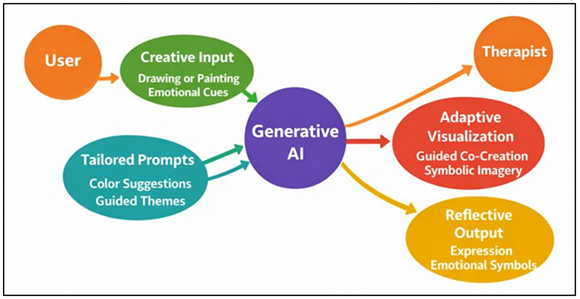
Figure 2 Generative AI–Guided Drawing, Painting, and Visual
Expression
It is possible to have guided drawing and painting systems changing real-time due to emotional signals observed during the session. As an example, the change of affective patterns can lead to the modification of proposed color palettes, the visual metaphors or expressive methods, providing the mild stimulus to emotional articulation or expression. Generative AI also supports symbolic abstraction, where one can captive emotions indirectly with imagery instead of a depiction, which is usually therapeutically helpful when dealing with complex or distressing events. Generative AI is therapeutically beneficial, helping to achieve emotional safety and experimentation through the creation of a non-judgmental creative environment. This system is responsive, and is not prescriptive of meaning-making. Significantly, ethical design makes sure that there is the transparency of AI contributions and the user still remains the author of the creative process. By being incorporated into the organised therapeutic practices, generative AI allows access, inclusivity, and depth of expression in digital art therapy settings.
3.3. Natural Language Processing for Reflective Dialogue and Narrative Therapy
NLP would allow AI-assisted art therapy systems to facilitate reflective conversation and story-based therapeutic activities. Using NLP models, the tone of emotion, the patterns of themes and the cognitive frame in the narrative of the user can be identified by analyzing a written or spoken text. Sentiment analysis, semantic embedding, and discourse modeling are all techniques that enable the systems to identify shifts in emotion, recurring issues as well as depth without simplifying the expression to simple categories. This linguistic perceptivity supplements the visual affect analysis as it gives a more detailed picture of the inside experience of the user. Practically, NLP is used to aid focused reflections, through the creation of open-ended questions, paraphrasing of statements made by the user, or the identification of emotionally salient themes occurring during creative sessions. These interventions are geared towards promoting self-exploration as compared to interpretation which is within therapeutic principles of autonomy and meaning-making. Narrative therapy models focus on the re-writing of individual narratives, and dialogue systems that are energized by NLP can help users discover the most common narrative, consider other possible views, and find strengths that are inherent in their experiences. Notably, NLP interaction should be well structured so that it does not cause clinical overreach or prescriptive advice. Systems normally use encouraging language that are neutral and leave human therapists to make sensitive interpretations when they are required. Trust is also encouraged by privacy conscious text processing and explainable feedback features. NLP-enhanced reflective dialogue can be applied to extend the therapeutic interaction when incorporated into the therapist-in-the-loop models, which allows a therapist to gain deeper understanding, express emotions, and maintain personal development in the AI-assisted art therapy platforms.
4. Digital Platform Architecture for AI-Assisted Art Therapy
4.1. System architecture: client interfaces, AI engines, and data pipelines
The AI-assisted art therapy digital platform architecture will be built in a manner that facilitates a smooth interaction between the two, smart processing and safe handling of the sensitive therapeutic information. The client layer gives user-interfaces which are creative, allow drawing, painting, writing, and even reflective interaction in ways that are optimized to be accessible, emotionally safe, and easy to use. These interfaces can be provided either by web or mobile apps and can be adapted to various users, such as children and neurodiverse people, and have flexible layouts and interaction options. The key principles of design include visual simplicity, responsiveness and the minimal cognitive load. The AI engines are situated at the heart of the platform, and they detect emotions, generate visual aids, and reflect on the language. These engines are also modular, and specific AI functions can be updated and ethically audited independently. Processing could be done on-board to do privacy sensitive tasks or done on secure cloud infrastructure in case of computationally intensive models. Architecture offers the opportunity of hybrid deployment in order to balance requirements of performance, scalability and data protection. The pipelines have data connectors between client interfaces and AI engines via encrypted communication channels.
4.2. Multimodal Data Acquisition: Images, Text, Audio, and Interaction Logs
The foundation of AI-assisted art therapy platforms is multimodal data acquisition because, in many instances, emotional expression can occur through a combination of several different channels at the same time. The visual information of drawings, paintings, and computerized sketches could be used to understand emotional states very well, as it could be characterized by color application, the complexity of a form, the balance of space, as well as the intensity of an expression. Image capture of high resolution maintains the creative detail and metadata captures the context including time, length of session and choice of tool. Reflective writing prompts, captions or dialogue are used to collect textual data. This linguistic contribution absorbs cognitive framing, emotive words, and plot, to add to visual expression. Audio data can also be used and it can contain the voice reflections or vocal reactions, can provide the prosodic hints, (tone, pace, and intensity) which help to form an affective perception. Notably, audio recording is optional and is controlled by express permission to avoid inconvenience to users and their privacy. Interaction logs are a less conspicuous and no less useful modality. These logs monitor the behavioral patterns, including the stroke speed, pressure change, undo, pauses, and tool switching, which tend to be associated with emotional involvement or distress. With the help of temporal integration of these modalities, the system would be able to create wholesome affective profiles without having to depend on any particular source of data. Preprocessing that preserves privacy, anonymization, and selective retention can be used to ensure that multimodal data facilitates therapeutic understanding but reduces the risks of ethical and security intrusions in the platform.
4.3. Real-Time Feedback and Therapist-in-the-Loop Mechanisms
The key aspect of AI-assisted art therapy platforms in therapeutic value is the provision of real-time feedback that can be responsive and provide support during creative sessions. Due to the continuous affective analysis, the system may give soft hints, visual recommendations or pensive questions, which are consistent with the users emotional condition and treatment objectives. The feedback is developed as non-obtrusive and voluntary to give users a chance to be creative and autonomous. Presentation of visual cues, minor adaptations in the interface or even short text reflection are better than distracting notifications. Therapist-in-the-loop processes guarantee the importance of professional knowledge to the therapeutic process. Clinicians are able to view summarized trends of emotions, highlights of the sessions and AI generated insights through secure dashboards, as opposed to raw streams of data. The abstraction is useful in clinical interpretation and also safeguarding user privacy. Therapists can also modify parameters of the system, sanction intervention levels, or directly intervene in case the risk indicators are higher than predefined limits. The hybrid human-AI approach fixes the ethical issues on misinterpretation, over-automation, and addiction to the use. AI is intended to be a supportive auxiliary, whereas therapists will be left to diagnose and plan treatment and make sensitive interventions. Asynchronous review and feedback also carry out continuity of care even to live sessions.
5. Therapeutic Workflow and User Interaction Design
5.1. Onboarding, assessment, and baseline emotional profiling
The AI-supported art therapy therapeutic process will start with a well-crafted onboarding and assessment phase during which the therapeutic process is founded on trust, understanding, and emotional safety. In the onboarding stage, users are shown the purpose of the platform, creative tools, and the helpfulness of AI, and the use of data is clear, privacy is well explained, and the role of a therapist. The stage focuses on informed consent and user control, both of which are critically needed in mental health. Easy tutorials and less pressure creative activities can assist users to be acquainted with the interface but not to be overwhelmed with performance anxiety. Emotional profiling Baseline emotional profiling occurs after onboarding, which is a reference element of the individualized therapeutic support. Instead of using clinical diagnosis, the system collects preliminary emotional indices by using optional self-report questionnaire, brief reflexive questions, and introductory creative activities. These inputs enable the platform to deduce emotional tendencies, expressive preferences and style of interaction. The multimodality of the analysis of early art pieces, language application and pattern of behavioral control helps to create a whole base which can be assessed through the emotional state and the active involvement in creativity. Notably, baseline profiling is dynamic and can be changed. Emotions of users are considered a flowing context specific thing as opposed to categorical labels. Therapists are able to examine baseline summaries in order to put future changes into perspective and to customize interventions. The platform provides an ethically sound basis to continue AI-aided art therapy because it grounds the therapeutic experience on respectful onboarding and flexible emotional profiling to form a personalized approach to the therapeutic process.
5.2. AI-Guided Creative Sessions and Adaptive Intervention Strategies
The basic experiential part of the therapeutic process is AI-driven creative sessions which combine formality of flexibility and emotional perceptiveness. Throughout sessions, the users will be allowed to get into drawing, painting, or mixed-media digital creation as the system is constantly monitoring patterns of interaction and expressive indicators. The AI advice is presented in form of optional prompts, recommended methods, or inspirational images that dynamically adapt in accordance with the affective state and creative behavior of the user. These interventions are rather mild, and they encourage exploration without defining the purpose or results. Figure 3 indicates that adaptive AI guidance is dynamically used to support creative sessions under the supervision of a therapist. The adaptive intervention is based on continuous affect analysis and therapy goals. To give an example, increased emotional intensity can lead to grounding-oriented recommendations, whereas the lack of engagement can lead to mild encouragement or novel creative ideas.
Figure 3
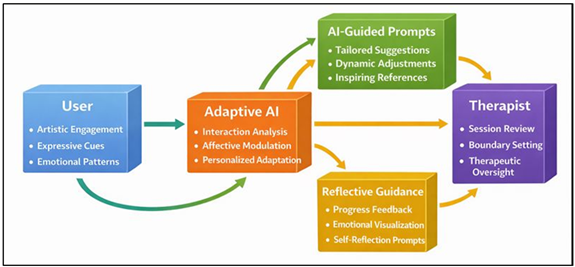
Figure 3 AI-Guided Creative Sessions and Adaptive
Intervention Strategies
The emphasis on process over output is a dominant issue in the system emphasizing that emotional expression and reflection are significant as compared to aesthetic results. Users maintain all of the creative and therapeutic agency in their choice to use AI suggestions and have complete control over the form and extent of these interactions. Interventions also are adjusted to the preferences and past reactions. The system evolves over time, becoming more adaptive as its forms of guidance are more supportive of each user. Therapists would be able to set intervention boundaries and receive summaries of the session in order to make sure that the therapeutic goals were met. Combining AI responsiveness to user direction and professional control with choice and user control allows adaptive creative sessions, which promotes long-term involvement and emotional control and meaningful self-expression in the context of digital art therapy.
5.3. Visualization of Emotional Progress and Reflective Insights
Emotional progress visualization is an essential aspect of AI-assisted art therapy helping to facilitate self-awareness, reflections, and continuity in the therapy. The platform converts longitudinal patterns of emotions to visual displays that are readily available, e.g. mood trends, trends of expressive features, or thematic summaries of artwork and reflections. The visualizations are intended to be intuitive and not evaluative with focus on patterns and changes as opposed to scores or determination. Reflective comments are added to visual summaries to put into perspective emotional transformation and evolution of creation. The system does not include any unambiguous interpretations but instead emphasizes correlations, repetitions, or significant shifts in engagement, leaving the users to find their meaning. Such reflective framing is consistent with therapeutic ideals which put more emphasis on client-driven revelation and narrative re-telling. Users can make notes related to visualizations, which supports the fact of active involvement in the therapeutic process. Parallel dashboards, allowing therapists to review clinical information and make informed intervention, are accessible to therapists. The visualization rooms can also be shared to achieve dialogue between the therapist and the client during sessions. Notably, users decide what is shown and shared and this enhances trust and autonomy. Progress visualization connects the world of creative expression and reflection by converting abstract emotional information into visual stories that have a meaning. It allows users to identify growth, resilience, and emotion trends with time, which increases motivation and supports the therapeutic worth of the continued involvement in art therapy platforms, where AI supports the process.
6. Challenges and Limitations
6.1. Data quality, emotional ambiguity, and subjective interpretation
The quality and interpretability of the emotional data based on creative expression is one of the main problems of AI-assisted art therapy. Artistic production is subjective and contextualized within specific cultures and is highly personal and as such, it is hard to find ground truth when naming emotions. The external qualities, like the use of color, form, or composition, might have different interpretations in the lives of different people and different cultures, which restricts the generalizability of machine learning models. Emotions are also dynamic and multidimensional and can easily cross or change within a single session and therefore cannot be distinctly classified. The presence of multimodal sources of data also adds variation and noise. The similarities or differences in drawing instruments, the sensitivity of the device, the level of language knowledge or comfort in expression can affect the captured signals regardless of the emotional state. Consequently, the systems of affect analysis are forced to work in the conditions of uncertainty, focusing on probabilistic inference, but not on definitive interpretation. There is a danger of oversimplification and distortion of the experiences of users which is prone to compromise the therapeutic value when over-relying on automated emotional feedback. To solve such problems, AI-based art therapy systems should focus on personalization, longitudinal data, and mediation of therapists. Models are to be taught individual expressive baselines and not general emotions mappings.
6.2. Technical Constraints and Scalability of AI Systems
The development and implementation of AI-assisted art therapy platforms have serious limitations due to technical constraints. Exceptional affective analysis and generative assistance can be computationally expensive models, potentially placing strain on device resources or augmenting the use of cloud resources. This may cause latency, restrict real-time responsiveness and become a barrier to access by users with low-bandwidth connections or old-fashioned devices. The issue of tradeoff between model complexity and performance and availability is a long-standing problem. Scalability also makes system design more challenging, especially when using it in community or public health implementations. With the rise in users, sites will have to handle more data, at the same time, process it, and handle data that requires confidentiality. These aspects need an excellent infrastructure and constant maintenance to ensure that the performance is consistent and that the privacy and the security are not compromised. Updating the model and retraining is also a problem since these enhancements should be fully justified to prevent the unwanted behavior changes within therapeutic relationships. Another source of complexity is interoperability with the current healthcare systems and regulatory compliance. Platforms will have to conform to different legal systems, data protection laws, and clinical processes in different regions.
6.3. User Trust, Acceptance, and Long-Term Adherence
The effectiveness and sustainability of the AI-assisted art therapy systems depend on the user trust and acceptance. Creative expression can be emotionally sensitive and because of this sensitivity, issues of privacy, surveillance and misunderstanding are especially sensitive to users. In case AI systems are viewed as evaluative, opaque or intrusion, users might become disinterested or fail to express themselves truly. This means that to build trust, there must be open communication regarding the capabilities, limitations and supportive role of the system. The attitude to technology and mental health support is also an individual factor in acceptance. Particularly, some users will wonder whether AI should be involved in the therapeutic setting, whereas others will be afraid to be substituted with human care. The therapist-in-the-loop designs can contribute to the solution of these issues by supporting the complementary nature of AI and ensuring professional control. Enhanced separation between positive guidance and clinical decision making is the key to avoiding unrealism or overdependence. There are also other issues with long-term adherence because long-term engagement with therapeutic practice demands motivation, perceived advantage, and emotional security. Monotony in communication or inappropriate guidance may result in exhaustion or not being attentive. The relevance in the long run is ensured through personalization, user control, and changing creative experiences. Through empathy, autonomy and ethical transparency, AI-assisted art therapy platforms can build long-term trust and meaningful interaction that can promote the long-term emotional presence and not the novelty of the short-term.
7. Conclusion
Digital art therapy with the help of AI is an important intersection of psychology and creative practice and intelligent technologies, which provides new opportunities to provide mental health care through accessible, expressive, and personalized methods. With a combination of proven standards of art therapy with the development of affective computing, machine learning, generative AI, and natural language processing, such platforms can offer an extension of therapeutic engagement to new clinical frontiers without compromising the basic principles of empathy, independence, and anthropocentrism. Multi-modal emotional cues and adaptive creative advice allow the users to externalize inner experiences in non-verbal, reflective, and emotionally safe ways. In this work, the theoretical background, technical frameworks, therapeutic processes, and usage of AI-assisted art therapy have been discussed to illustrate how it can be applied to different populations and mental health situations. The inclusion of mechanisms of therapist-in-the-loop guarantees the ethical control and clinical validity making AI not a substitute but an auxiliary co-creator. The therapeutic benefit of long-term creative involvement is also upheld by visualization of emotional process, reflective knowledge, and sustainability of the care. Simultaneously, the issues that were expressed, such as emotional ambiguity and data subjectivity, technical scalability and user trust, emphasize the necessity of the careful, interdisciplinary, and ethically sound development. This necessitates the responsibility of deployment, which means it has to be transparent, personalized, culturally sensitive and continuously collaborate between technologists, therapists and users. The longitudinal verification of clinical validation and culturally adaptive frameworks together with explainable techniques in AI that establish more trust and interpretability should be examined in future studies.
CONFLICT OF INTERESTS
None.
ACKNOWLEDGMENTS
None.
REFERENCES
Cao, Y., Yin, H., Hua, X., Bi, S., and Zhou, D. (2025). Effects of Artificial Intelligence and Virtual Reality Interventions in Art Therapy Among Older People with Mild Cognitive Impairment. Australasian Journal on Ageing, 44, e70006. https://doi.org/10.1111/ajag.70006
Choe, N. S., and Hinz, L. D. (2024). The Role of the Expressive Therapies Continuum in Human Creativity in the Age of AI. Art Therapy, Advance Online Publication, 1–9.
Du, X., An, P., Leung, J., Li, A., Chapman, L. E., and Zhao, J. (2024). DeepThInk: Designing and Probing Human–Ai Co-Creation in Digital Art Therapy. International Journal of Human–Computer Studies, 181, Article 103139. https://doi.org/10.1016/j.ijhcs.2023.103139
Hammad, M. M. (2024). Deep Learning Activation Functions: Fixed-Shape, Parametric, Adaptive, Stochastic, Miscellaneous, Non-Standard, Ensemble. arXiv.
Hu, C., Lin, Z., Zhang, N., and Ji, L.-J. (2024). AI-Empowered Imagery Writing: Integrating AI-Generated Imagery into Digital Mental Health Service. Frontiers in Psychiatry, 15, Article 1434172. https://doi.org/10.3389/fpsyt.2024.1434172
Jütte, L., Wang, N., and Roth, B. (2023). Generative Adversarial Network for Personalized Art Therapy in Melanoma Disease Management. arXiv.
Karras, T., Laine, S., and Aila, T. (2019). A Style-Based Generator Architecture for Generative Adversarial Networks. In Proceedings of the IEEE/CVF Conference on Computer Vision and Pattern Recognition (4401–4410). https://doi.org/10.1109/CVPR.2019.00453
Lee, Y. K., Park, Y.-H., and Hahn, S. (2023). A Portrait of Emotion: Empowering Self-Expression Through Ai-Generated Art. arXiv.
Oliva, A., Iosa, M., Antonucci, G., and De Bartolo, D. (2023). Are Neuroaesthetic Principles Applied in Art Therapy Protocols for Neurorehabilitation? A Systematic Mini-Review. Frontiers in Psychology, 14, Article 1158304. https://doi.org/10.3389/fpsyg.2023.1158304
Paolucci, S., Antonucci, G., Troisi, E., Bragoni, M., Coiro, P., De Angelis, D., Pratesi, L., Venturiero, V., and Grasso, M. G. (2003). Aging and Stroke Rehabilitation: A Case-Comparison Study. Cerebrovascular Diseases, 15, 98–105. https://doi.org/10.1159/000067137
Peng, M. L., Monin, J., Ovchinnikova, P., Levi, A., and McCall, T. (2024). Psychedelic Art and Implications for Mental Health: A Randomized Pilot Study. JMIR Formative Research, 8, e66430. https://doi.org/10.2196/66430
Radford, A., Kim, J. W., Hallacy, C., Ramesh, A., Goh, G., Agarwal, S., Sastry, G., Askell, A., Mishkin, P., Clark, J., and Amodei, D. (2021). Learning Transferable Visual Models from Natural Language Supervision. arXiv.
Ramesh, A., Dhariwal, P., Nichol, A., Chu, C., and Chen, M. (2022). Hierarchical Text-Conditional Image Generation with CLIP Latents. arXiv.
Reitere, Ē., Duhovska, J., Karkou, V., and Mārtinsone, K. (2024). Telehealth in Arts Therapies for Neurodevelopmental and Neurological Disorders: A Scoping Review. Frontiers in Psychology, 15, Article 1484726. https://doi.org/10.3389/fpsyg.2024.1484726
Sun, Y., Chen, Y., Liu, Q., and Liu, G. (2020). Learning Image Compressed Sensing with Sub-Pixel Convolutional Generative Adversarial Network. Pattern Recognition, 98, Article 107051. https://doi.org/10.1016/j.patcog.2019.107051
Sikri,
A., Sikri, J., and Gupta, R. (2024). AI-Powered Dentistry: Revolutionizing Oral Care.
ShodhAI: Journal of Artificial Intelligence, 1(1), 1–8. https://doi.org/10.29121/shodhai.v1.i1.2024.2
Yan, W., Zhang, Y., Abbeel, P., and Srinivas, A. (2021). VideoGPT: Video Generation Using VQ-VAE and Transformers. arXiv.
|
|
 This work is licensed under a: Creative Commons Attribution 4.0 International License
© ShodhKosh 2026. All Rights Reserved.