ShodhKosh: Journal of Visual and Performing ArtsISSN (Online): 2582-7472
|
|
Visual Narratives in Advertising Women-Centric Government Schemes and Their Impact on Rural Women
Deepak Prasad
1
 ,
Dr. Pranav Mishra 2
,
Dr. Pranav Mishra 2 , Dr. Vikash Kumar
3
, Dr. Vikash Kumar
3
 ,
Monika Sharma 4
,
Monika Sharma 4 , Rama Choudhary
5
, Rama Choudhary
5 , Dr. Shobhit Suman 6
1 Research
Scholar, Amity School of Communication, Amity University Madhya Pradesh, Gwalior,
India
2 Assistant
Professor Amity School of Communication, Amity University Madhya Pradesh,
Gwalior, India
3 Assistant
Professor, Department of Journalism and Mass Communication, Vivekananda Global
University, Jaipur, Rajasthan, India
4 Research
Scholar, Department of Mass Communication, Mahatma Gandhi Antarashtriya Hindi
Vishwavidyalay, Wardha, Maharashtra, India
5 Assistant
Professor, Department of Journalism and Mass Communication, Vivekananda Global
University, Jaipur 303012, Rajasthan, India
6 Assistant
Professor, Guest Faculty, Department of Journalism and Mass Communication,
Patna University, Patna, Bihar, India
|
|
|
ABSTRACT |
|
|
The schemes
that are women-focused are crucial in promoting the gender equality and
social inclusion and economic empowerment, especially to the women who are in
the rural areas. Nevertheless, the success of these schemes is not only based
on the way they are designed but relies also on their efficiency in the
communication to the beneficiaries. In this regard, the visual narratives
applied to government advertisement can be viewed as the critical link
between the purpose of the policy and the grassroots initiatives. This paper
explores the importance of the visual narratives in the advertisement of
women-based government programs and assesses how it affects the awareness,
perception and behavioral intention of rural women. The research design will
be that of a mixed method study, that is, a quantitative content analysis of
a sample of government advertisements and a survey-based measurement of the
impact of the same to the rural women. The analysis of visual narratives has
been done on the dimensions that include narrative structure,
women-representation, symbolism, emotional appeal, and consistency of the
message. In order to measure narrative strength, a Visual Narrative
Effectiveness Index (VNEI) was created. The impact assessment involved the
testing of the effect of these visual strategies on levels of awareness,
trust, perceived relevance and perceptions of intention to participate in
government schemes. The results show that transformation-based storytelling,
empowered but culturally based portrayal of rural women, emotional appeals,
especially hope and security, characterize government ads. The score of VNEI
was high, which means narrative effectiveness on all dimensions. Empirical
findings also indicate that visual narratives substantially enhance awareness
and positive perception in rural women particularly those with low levels of
formal education and high dependency on media of visual literacy. Although
visual advertising is extremely persuasive to behavioral intention,
procedural and socio-cultural barriers mediate actual participation, which
shows an intention action gap. The research is relevant to the literature on
visual communication, gender-based advertising and communication of public
policy due to the ability to quantify a scheme of evaluating visual
narratives. In real world terms, it can provide policy makers and
communication companies with practical insights on how to create culturally
sensitive, emotionally sensitive, and inclusive advertising campaigns to
strengthen the effectiveness of women-based government programs in rural
areas. |
|||
|
Received 05 November 2025 Accepted 11 December 2025 Published 10 January 2026 Corresponding Author Dr. Vikash Kumar, vikash.k@vgu.ac.in DOI 10.29121/shodhkosh.v7.i1.2026.6994 Funding: This research
received no specific grant from any funding agency in the public, commercial,
or not-for-profit sectors. Copyright: © 2026 The
Author(s). This work is licensed under a Creative Commons
Attribution 4.0 International License. With the
license CC-BY, authors retain the copyright, allowing anyone to download,
reuse, re-print, modify, distribute, and/or copy their contribution. The work
must be properly attributed to its author.
|
|||
|
Keywords: Visual Narratives, Government Advertising,
Women-Centric Government Schemes, Rural Women, Public Policy Communication,
Gender Representation, Visual Storytelling, Empowerment |
|||



1. INTRODUCTION
Women only government programs are vital in enhancing social inclusion, economic empowerment, health security, education and financial independence to women and especially the rural women. In third world countries such as India where a large percentage of the female population lives in rural areas, the way such schemes are communicated is just as significant as the policy formulation. Even though there is a variety of welfare programs targeting women, there are most of the times gaps between the intention of the policy and the actual implementation at the grassroots level Akram (2025). The lack of awareness, poor understanding and low perceived relevance of these schemes by the rural women is one of the major causes of this disconnect. In this regard, advertising becomes an essential intermediary between the policy-makers and recipients, and visual narratives are an influential way of transforming the complex policy data into easily relatable, meaningful, and culturally appealing messages. Visual advertising involves the effective application of images, symbols, characters, settings, and plots to communicate messages not limited to verbal or text messages. Visual storytelling is especially effective in the case of rural audiences whose literacy rates might be low, and exposure to official policy speech is weak. The presence of empowered women, supportive families, livelihoods, and social change can be described as images assist in developing narratives that can be appealed to by rural women, both emotionally and socially. Such stories not only inform but also inspire and they shape the perceptions, attitudes, and behavior intentions in relation to the government schemes Gaur and Sarkar (2024). Due to this, the visual advertising has been made a core aspect of the public communication strategy of welfare programs related to women.
The advertisement of government programs that specifically appeal to women usually can be found on various media such as television, print and billboards, radio-visual advertisements, and, more and more, digital and mobile-based advertising. The type of advertisements often portrays the perfect but ambitious images of the rural women as decisive people, business people, carers, and getters of the domestic and societal growth. Although the accuracy of these portrayals is to empower and participate, the reality of their effect to the rural women in terms of their awareness, trust and schemes adoption is not well documented. It is critical to learn how these visual messages are perceived by rural women and whether or not they are living up to these visualized images as a way of evaluating the success of government advertisement campaigns Kumar and ET BFSI (2024). Socio-cultural dynamics of rural India also contribute to the importance of studying the problem of visual narrative in the context of women-oriented government schemes. Gender norms, family set-ups, the influence of the community, and traditional beliefs systems determine how the women interpret the media messages and make decisions. Culturally sensitive, context-driven visual narratives can strengthen and safeguard positive social norms and oppose limiting stereotypes Pathak (2024). On the contrary, stories which are seen as not realistic or relevant to the rural setting might not be able to create trust or interaction. Thus, the analysis of the symbolic elements, narrative styles, and patterns of representation that are adopted in the governmental advertisements becomes very important in determining the effectiveness or weakness that the advertisement tries to convey through its symbols.
Theoretically, visual stories are based on the ideas of the visual rhetoric, persuasion theory, and social learning theory. They postulate that individuals acquire through observation and imitation of modeled behaviors and results in the media and generate attitudes. Rural women should be able to perceive themselves as more capable and willing to join government programs when the visual images of beneficiaries who look like them can be seen to effectively access government schemes. Simultaneously, the emotional appeals inherent in visual storytelling, including hope, security, dignity, and independence make a major contribution towards developing trust on the government initiatives Kumari and Siotra (2023). Nevertheless, the empirical data on the association of such visual tactics with the quantifiable effect on rural women is still scarce, which points to the necessity of a particular academic investigation.
This paper stands at the cross-road between advertising, gender studies, and communication of the public policy. It attempts to examine the effects of visual stories employed in advertising schemes that focus on women in the government to increase the awareness, perceptions, and interest of women in rural areas in participating in such initiatives. The proposed study will make an effort to systematically analyse the content of advertisements and reaction of rural women to understand how effective visual storytelling can be employed as a social welfare programme communication strategy. Not only the study adds on to the academic discussion of visual communication and gender-oriented advertisement but also provides a practical use of the findings to policymakers and communication agencies that design inclusive, and effective awareness campaigns in the population.
2. Conceptual Framework
The theoretical base of the research is based on the assumption that visual stories in advertising serve as the process of mediation between governmental policies communication and behavior change of rural women. Even the schemes made by government, which are structurally sound, socially progressive, only lead to the desired results when the target beneficiaries can meaningfully perceive, interpret and internalize the messages conveyed to them. Within the scenario of the women-focused government program, visual advertisement emerges as a very important interpretive dimension that converts the abstract policy goals into familiar experiential moments Santoniccolo et al. (2023). The framework is a synthesis of viewpoints in the theory of visual communication, gender representation studies and models of behavioral influence in explaining how the visual narratives determine awareness, perception and participation among the rural women.
2.1. Visual Narratives in Advertising Communication
Visual advertisements Visual narratives are the systematic presentation of images, symbols, characters, settings, and linear storytelling concerning the delivery of messages in a convincing and significant way. Visual narratives, as opposed to a strictly textual form of communication, make use of the imagery to inspire emotions, make complicated concepts easier to comprehend, and retain information. As a means to engage the female population in government programs, the visual narrative can be effectively employed in rural areas where literacy rates can be low and oral visual culture remains the major form of communication Geena Davis Institute on Gender in Media, and UNICEF. (2021). The advertisements usually depict the normal rural settings, the familiar social roles, and aspirational changes to provide relatability and credibility to the women audience.
These stories have a twofold purpose: to inform participants about such things as the benefits, eligibility and results of schemes and to give meaning to the empowerment, dignity and social mobility, as symbols. Advertisements by incorporating policy messages in relatable visual narratives ease the cognitive burden of the message and increase understanding, which contributes to their greater acceptability by rural women.
Table 1
|
Table 1 Core Components of Visual Narratives in Advertising |
||
|
Component |
Description |
Relevance to
Rural Women |
|
Imagery |
Visual depiction of people, settings,
and activities |
Enhances familiarity and emotional
connection |
|
Symbolism |
Use of culturally meaningful signs and
objects |
Reinforces shared social values |
|
Characters |
Representation of women beneficiaries
and families |
Enables identification and
self-reference |
|
Storyline |
Sequential presentation of
problem–solution outcomes |
Improves message clarity and recall |
|
Emotional Appeals |
Visual cues of hope, security, and
confidence |
Builds trust and motivational impact |
Table 1 demonstrates the major features of the visual narratives that are used in government advertising that is mostly focused on women.
2.2. Theoretical Foundations of the Framework
The theoretical perspectives underpinning the conceptual framework of the study include various theories of perception and behavior in terms of the way visual narratives can shape them. According to the theory of visual rhetoric, images should be considered as persuasive appeals instead of logical arguments, because they are based on emotions and common cultural understanding. The images of empowered women used in government advertising provide rhetorical support of the effectiveness of the policies. The theory of persuasion also illuminates the use of positive visual messages to influence the creation of attitudes, the promotion of credibility, and acceptance of the government initiative when exposed to a positive message repeatedly Gupta and Siri (2021).
There is also the social learning theory which presents a behavioral explanation which states that people learn through observing and imitating modeled behavior. The perception of the self-efficacy and the minimization of reluctance to join government schemes is strengthened when rural women see pictorial illustrations of other women enjoying the advantages of such programs. All these theories justify the fact that visual narratives can not only have an impact on level of awareness but also on attitudes and the intention to behave in a certain way.
Table 2
|
Table 2 Theoretical Perspectives Supporting Visual Narrative Impact |
||
|
Theory |
Key
Proposition |
Application
in This Study |
|
Visual Rhetoric |
Images persuade through cultural
meaning |
Explains symbolic power of
advertisements |
|
Persuasion Theory |
Repeated visual exposure shapes
attitudes |
Justifies attitude change toward
schemes |
|
Social Learning Theory |
Learning occurs through observation |
Explains imitation and participation
behavior |
2.3. Representation of Women in Government Advertisements
The aspect of representation is very much important when it comes to defining the interpretation of the visual narratives by the rural women. Advertisements by the government tend to show women as empowered actors; as entrepreneurs, decision makers, care givers, or as contributors to the households income. These images are meant to question the conservative stereotypes and advance feminine gender roles. Nonetheless, the success of these depictions on the level lies in their perceived realism and cultural conformity to the rural life Sivakumar and Manimekalai (2021).
When representations are too ideal or unrealistic, they can be seen as the dream but impossible to attain. On the other hand, real-life depictions based on the rural realities can make it more believable and relatable. Conceptual framework thus places an emphasis on the concept of representation as one of the focal variables of perception and engagement.
Table 3
|
Table 3 Representation Patterns of Rural Women in Advertising |
||
|
Representation
Type |
Description |
Expected
Impact |
|
Empowered Beneficiary |
Women accessing scheme benefits
independently |
Enhances confidence and motivation |
|
Family-Supported Woman |
Women supported by family members |
Reduces social resistance |
|
Entrepreneurial Role |
Women engaged in income generation |
Promotes economic aspiration |
|
Caregiver Role |
Women balancing family and development |
Reinforces social acceptance |
2.4. Moderating Socio-Cultural Factors
The model recognizes that the effects of visual storytelling are constrained by the socio-cultural and demographic conditions including age, education, exposure to media, and dominant gender ideals. Rural women do not represent a uniform group of people; they conceptualize the messages on advertisements differently depending on their personal experiences and social situations Dash (2020). To illustrate, younger and more media exposed women can more positively react to aspirational narratives whereas older women can be more practical and family-approved.
The moderators affect the process of decoding visual messages and the action they will translate into. Thus, the framework combines these elements to prevent the simplification of visual impact.
2.5. Outcome Dimensions of the Conceptual Framework
The last element of the framework determines three outcome dimensions that define the effect of visual narratives, each of which is awareness, perception, and behavioral response. Knowledge of scheme existence and benefits is known as awareness; trust, relevance and emotional resonance is known as perception and real or planned participation is known as behavioral response Dermawan and Barkah (2022). The framework suggests sequenced relationship in which good visual narratives initially increase awareness, then positively influence perception and finally behaviour Zayer et al. (2020).
Overall, the conceptual framework provides an organized connection between imagery discourses in advertising and how they influence the interest of rural women in women-focused government programs. The framework offers a broad perspective into the empirical study through the combination of narrative elements, theoretical underpinning, modes of representation, moderating variables, and dimensions of outcomes. It shows the relevance of culturally based and gender sensitive visual communication to the effectiveness of advertisements aimed at promoting public welfare and acts as a framework in the analysis that follows later on in this stud.
3. Research Methodology
3.1. Research Design and Approach
The research design and approach are based on the discovery approach, primarily because the research involves a broad subject (to be identified) and will utilize qualitative data, including both written and unwritten sources.<|human|>The research design and approach include the discovery approach, mainly due to the fact that the research covers a general topic (to be determined) and will involve using qualitative data, namely, written and unwritten sources.
In this paper, the chosen research design is descriptive-analytical based on the mixed-method research design to explore the role of visual narratives in advertisement of women-oriented government schemes on rural women Reporters Without Borders (2024). The descriptive component aims at identifying and categorizing visual elements of narrative as applied by the government in its advertisement systems in a systematic manner, whereas the analytical component will assess their effectiveness in raising awareness, perception, and response to behavioral changes in women in rural areas Kanwal (2020). The combination of both qualitative and quantitative techniques ensures that methodological triangulation is carried out, which improves the reliability and validity of the results.
The chosen methodology, mixed-method one, proves to be especially appropriate in the given study since it will enable the researcher to combine the content-based information about the advertisement analysis with the actual audience reaction, which will provide all-encompassing information about the message development as well as the message reception Nations Online Project. (2022).
Table 4
|
Table 4 Research Design Framework |
|||
|
Dimension |
Approach
Adopted |
Purpose |
Output |
|
Nature of Study |
Descriptive and Analytical |
Examine structure and impact |
Thematic and statistical insights |
|
Research Strategy |
Mixed-method |
Combine qualitative and quantitative
analysis |
Triangulated findings |
|
Time Horizon |
Cross-sectional |
Capture responses at one point in time |
Snapshot assessment |
|
Unit of Analysis |
Individual rural women |
Measure beneficiary response |
Individual-level insights |
Table 4 shows the general research design that this study has chosen. It describes the character of the research, methodological design, timeframe, and unit of analysis and emphasizes the adoption of a descriptive-analytical research design with the help of a mixed-methodology design. The framework explains the combination of qualitative content analysis of adverts and quantitative survey-based analysis of the rural women so that there is methodological rigor, triangulation of results and ultimate assessment of the effects of visual storytelling in promoting women-oriented government programs through advertisement.
3.2. Study Area and Population
The research is carried out in the rural areas in the selected villages in the geographical area of study selected due to availability and contact exposure to government advertisement campaigns. The target group includes women in the rural areas who are the potential or actual beneficiaries of government schemes or programs that focus on women in the areas of financial inclusion, healthcare and education, livelihood and social security. Women in rural areas are chosen as the target population because they are the key beneficiaries of the project and their reliance on the visual media as the main source of information dissemination is relatively high [16].
Table 5
|
Table 5 Study Population Profile |
|||
|
Parameter |
Description |
Rationale |
Expected
Variation |
|
Gender |
Women |
Scheme focus group |
Uniform |
|
Residence |
Rural areas |
Context relevance |
Moderate |
|
Age Group |
18 years and above |
Eligibility for schemes |
High |
|
Beneficiary Status |
Potential/Actual |
Behavioral assessment |
High |
Table 5 provides the population profile with the study, that describes the main demographic and contextual features of respondents. It explains the emphasis on rural women as the main unit of analysis, as well as such parameters as age eligibility, place of residence, and beneficiary status.
3.3. Sampling Design and Sample Size
The sampling design used is a multi-stage sampling design that would guarantee the representation and reduce sampling bias. During the first phase, purposive sampling will be applied to choose the villages on the basis of exposure to government advertising via television, outdoor media and community displays. Simple random sampling with household lists is used in the second stage to select respondents in order to have equal chances of being selected. The sample size will be based on the feasibility, diversity, and statistical analysis.
Table 6
|
Table 6 Sampling Design Details |
|||
|
Stage |
Sampling
Technique |
Selection
Criteria |
Sample Units |
|
Stage 1 |
Purposive sampling |
Media exposure and accessibility |
Villages |
|
Stage 2 |
Simple random sampling |
Household lists |
Respondents |
|
Sample Size |
— |
Statistical adequacy |
___ respondents |
|
Sampling Error Control |
Randomization |
Bias reduction |
Improved validity |
Table 6 defines the sampling methodology employed in the study explaining the multi-stage sampling technique that will be used to choose the respondents and the villages. It places emphasis on the purposive sampling method used to identify the appropriate rural areas and simple random sampling used to make the rural women participants representative and unbiased.
3.4. Data Sources and Data Collection Methods
The research employs primary, as well as secondary data. Primary data are gathered by use of structured questionnaires designed to be distributed among the rural women whereas the secondary data is government advertisements, government policy documents, published reports and scholarly academic literature. The advertisement samples would be sampled depending on relevance, frequency of broadcasting and scheme category.
Table 7
|
Table
7 Data Sources and Collection Methods |
|||
|
Data Type |
Source |
Collection
Method |
Purpose |
|
Primary |
Rural women respondents |
Structured questionnaire |
Measure impact |
|
Secondary |
Government advertisements |
Content selection |
Narrative analysis |
|
Secondary |
Policy documents |
Document review |
Contextual understanding |
|
Secondary |
Academic literature |
Literature review |
Theoretical grounding |
The sources and methods of data collection used in the study are described in Table 7 and the data collected can be developed into primary and secondary data. It also emphasizes the application of structured questionnaires to get the responses of the rural women and content analysis of the government advertisement which is reinforced by the policy documents and literature to make sure that the analysis is comprehensive and contextually based.
3.5. Data Analysis Techniques
The descriptive and inferential statistical methods are used in quantitative data analysis. Descriptive statistics summarise demographic characteristics and perception patterns whereas inferential statistics like correlation and regression analysis determine the relationships between the variables. Thematic categorization is the way to analyze qualitative data collected through content analysis.
Table 8
|
Table 8 Data Analysis Plan |
|||
|
Research
Objective |
Data Type |
Analysis
Technique |
Outcome |
|
Narrative analysis |
Qualitative |
Content analysis |
Theme identification |
|
Awareness assessment |
Quantitative |
Mean, percentage |
Awareness level |
|
Impact evaluation |
Quantitative |
Correlation/Regression |
Relationship strength |
|
Moderator analysis |
Quantitative |
Comparative analysis |
Contextual influence |
The analytical methods in the study are summarized in Table 8, where each of the research objectives is correlated with the type of data and method of data analysis. It underscores the use of content and thematic analysis of the visual narratives, descriptive and inferential statistics to measure awareness, perception, and impact in the rural women.
4. Analysis of Visual Narratives in Government Advertisements
4.1. Advertisement Sample Characteristics
The N= 30 government advertisements concerning women-based government schemes were chosen to be analyzed systematically through visual narrative as indicated in Figure 1. These adverts were obtained through TV, print, outdoor advertisement boards and official online. Coding Each ad was coded with the use of structured content analysis protocol based on narrative structure, representation, symbolism, and emotional appeal.
Figure 1
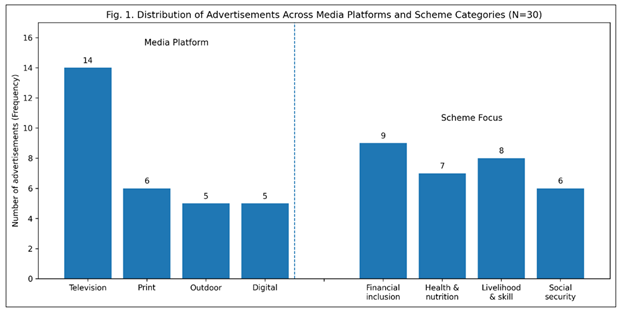
Figure 1 Distribution of Advertisements Across Media
Platforms and Scheme Categories
4.2. Narrative Structure and Storytelling Intensity
The presence and intensity of the narrative stages of each advertisement were coded in a scale of 3 (1 = Low, 2 = Moderate, 3 = High). Findings show that there are preponderance of transformation-based storytelling.
Figure 2
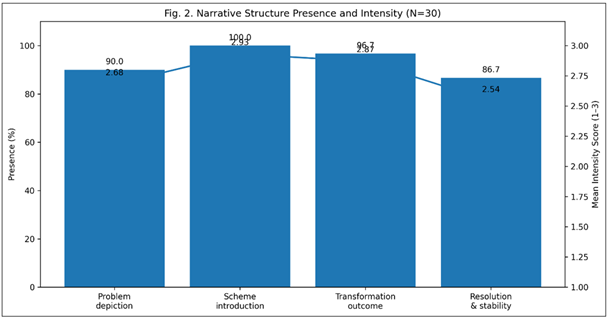
Figure 2 Narrative Structure Presence and Intensity in Women-Centric Government Advertisements (N = 30).
Figure 2 has shown the dominance and popularity of various storytelling phases applied in government advertisements. The scheme introduction and transformation outcome stages have the highest presence and mean intensity scores, which means the emphasis is put on explicating the scheme and demonstrating positive change. Although slightly reduced, the problem depiction and resolution phases, nevertheless, reflect a significant narrative intensity, as it suggests a relevant problem-solution-consequence story pattern with the aim to increase the awareness and emotional involvement of the rural women.
4.3. Representation of Rural Women
The roles and portrayal of women were coded into mutually exclusive groups, in terms of counts of frequency and proportional representation.
Figure 3
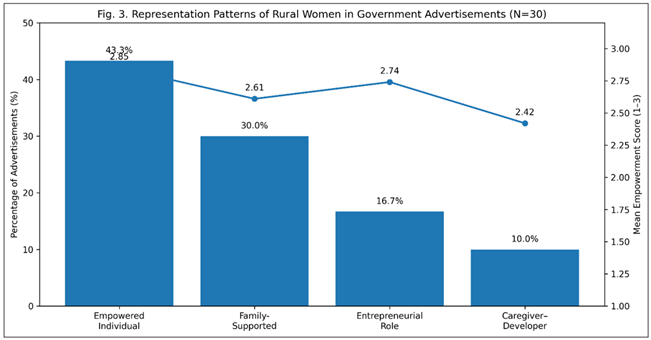
Figure 3 Representation Patterns of Rural Women in Women-Centric Government Advertisements.
The number 3 shows the proportionality of the types of representations and their average scores of empowerment, but it is evident that the empowered individual depictions predominant, but the culturally supportive family-focused narratives are still present. The dominance of empowered personage depictions shows that there is a decisive policy focus on agency in women though images supported by the family are still prominent to the issue of cultural acceptance.
4.4. Symbolism and Cultural Cue Usage
Presence and contextual relevance was coded as symbolic elements. Several symbols may be used within one advertisement.
Figure 4
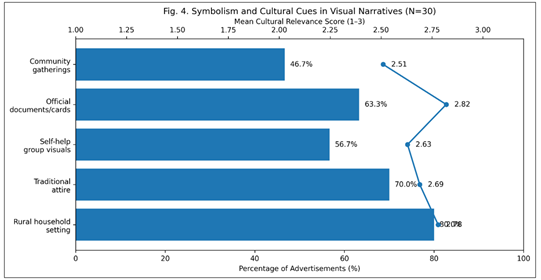
Figure 4 Symbolism and Cultural Cues Used in Visual Narratives of Women-Centric Government Advertisements.
It is shown in the Figure 4 that the symbols of rural household and official documents are the most common based on culture and have a high mean score on cultural relevance, meaning that the government advertising has strong contextual anchoring and trust building strategies. The scores are high on relevancy, and this shows that cultural anchoring is effective, which builds trust and understanding amongst the rural audiences.
4.5. Emotional Appeals and Persuasive Strength
Coding and rating were done using a 3-point scale as an indicator of the strength of emotional appeal.
Figure 5
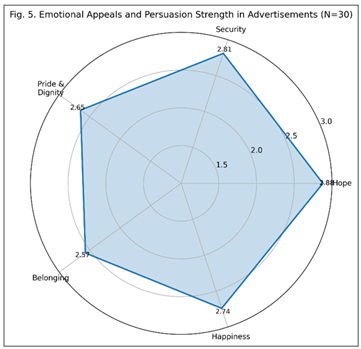
Figure 5 Emotional Appeals and Persuasion Strength in Women-Centric Government Advertisements.
The radar plot depicts the average persuasion scores of critical emotional appeal and it is observed that hope and security are the strongest emotions followed by happiness and pride, thus supporting the importance of emotional appealing visual narratives in shaping the perceptions of the rural women as represented by Figure 5. Hope and security turn into the most influential emotional motivators and strengthening trust and influence on the involvement in a scheme.
4.6. Consistency of Visual Messaging
The consistency in advertisements was evaluated in terms of the use of the same visual themes, use of colors, alignment in the narrative and emotional tone.
Figure 6
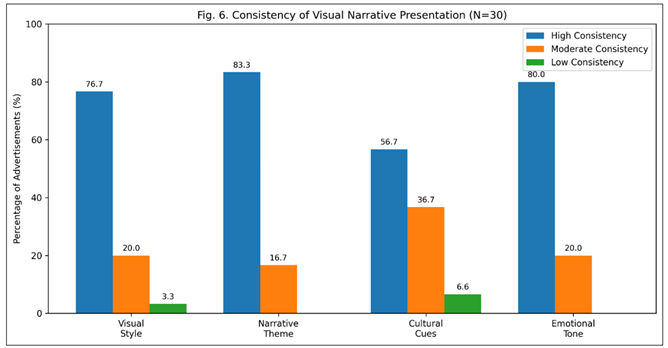
Figure 6 Consistency of Visual Narrative Presentation Across Women-Centric Government Advertisements.
In Figure 6, a comparison of high, moderate and low levels of consistency is made concerning the major dimensions of the narratives. Findings have shown very high levels of consistency in visual style, narrative theme, and emotional tone, whereas cultural cues show relatively moderate levels of consistency, which implies that government advertising can be customized more regionally and culturally.
5. Policy and Communication Implications
5.1. Implications for Government Policy Design
According to the results of the present research, the quality of visual communication approaches towards the promotion of government schemes that are women-centric is strictly connected to the successful results of the policies. Although the conventional way of policy making is based on financial distribution, eligibility standards, and structures, the findings reveal that the visual stories have a major role to play in determining whether policies are comprehensible, credible, and implemented by the rural women. Accordingly, visual communication must be considered as part and parcel of the policy design and not peripheral promotion activity.
Communication planning at the policy formulation level should be integrated by the policy-makers so that the objectives of the schemes are translated into visual stories that can be easily understood. Storytelling based on transformation, where it is evident how a vulnerable person was transformed to see oneself as empowered, must be an integral part of policy outreach strategies. Moreover, the policy documents and guidelines must require beneficiary-centered visual representations that capture the realities of the rural setting and hence enhance acceptance and engagement on the grassroots.
5.2. Implications for Public Advertising and Communication Strategy
Communication-wise, the research points out that emotionally engaging, culturally based, and coherent visual messages should be included in the governmental advertising. Emotional appeals like hope and security that proved to be the most persuasive ones should be placed strategically to be trusted and relevant. But emotional narration should be accompanied by a sense of clarity in the information so it does not perpetrate false hopes that seem impossible to achieve. Another critical aspect that is highlighted by the results is the balance of representation. Advertisements are to remain the empowered women and at the same time, family and community situations should be considered to influence decision-making in rural regions. This kind of equal representation does lessen opposition and improve social legitimacy especially in conservative families. Besides, the same should be applied to the media channels, including television, outdoor, print and online as the consistency to strengthen the recollection and credibility. A similar visual identity, storylines, and tone of emotion assist in creating a familiar communicative structure, which can be readily identified by the rural viewers to government programs.
5.3. Localization and Cultural Sensitivity
Although the research reports a good performance in overall narrative effect, average inconsistency in the localization of cultural cues implies that it can be improved. The advertisement campaign conducted by the government must be regionally oriented with the use of the local languages, dialects, clothing, symbols and social activities. Localization creates a better sense of relatability and makes visual narratives more appealing to various communities in the countryside.
The policy communication agencies are to cooperate with the local stakeholders, self-help groups, and grassroots organizations in order to co-produce visual contents that meet local aspirations and challenges. This kind of participatory communication practices can help to create more authenticity and avoid the discrepancy between what is said in advertisements and what is experienced in life.
5.4. Bridging the Intention–Action Gap
Among the most drastic research implications, the gap between the intention and the actual participation is identified. Although the visual narrative is instrumental in motivating the rural women and creating interest, structural and procedural obstacles tend to curtail action conversion. The policymakers should, therefore, supplement the effective advertising with the simplified process of enrollment, the clearance of documentation guidelines, and the availability of support mechanisms.
Visual communication may not only stop at the creation of awareness; it can also be used procedurally to offer step by step visual instructions of scheme enrollment, services usage and grievance redressal. By combining informational images with emotional stories, one will be able to make the situation less uncertain and make women act in a more tangible way.
5.5. Implications for Monitoring and Evaluation
The research shows the worth of incorporating quantitative metrics of visual narrative assessment methods, including Visual Narrative Effectiveness Index (VNEI), into the assessment systems of governments. Narrative effectiveness can be regularly monitored by policymakers to determine the most influential visual strategies and can refine campaigns based on the obtained data.
The evaluation systems need to go beyond the reach and frequency measurements and incorporate measures of awareness, perception, trust and participation. Adaptive communication strategies may be further improved by feedback loops with responses by the beneficiaries as well as by guarantees continuous improvement.
5.6. Implications for Gender-Inclusive Governance
At a larger scale, the results support the idea of visual narratives contributing to the development of inclusive governance regarding gender. Government advertising allows changing the gender norms and strengthening women agency in the rural area by depicting women as competent, self-confident, and socially supported beneficiaries. Visual communication is therefore not only an informational tool but a symbolic tool of social change. The conscious utilization of this potential by policymakers should be that visual narratives cannot be used to maintain the presence of stereotypes, but rather to foster the inclusion, respect, and empowerment of the various representations. This may help to change attitudinal views in the long run and assist in achieving the overall goals of women empowerment policies.
This part has identified the important policy and communication implications of the study. The results highlight the necessity to incorporate the visual narrative techniques in the policy formulation, use emotionally appealing and culturally sensitive advertising to promote it, solve the intention-action gap with procedural clarity, and institutionalize the evaluation of narrative effectiveness. Through policy goals matched with effective visual communication, governments may increase the coverage, acceptability, and efficiency of schemes that are women-focused, especially to rural women.
6. Conclusion
This paper has discussed how the use of visual stories in advertising the women based government schemes and how it influences the awareness, perception and behavioral intention of the rural women. Located at the crossroads between advertising, gender studies, and the communication of public policy, the study helps to comprehend the role of visual storytelling as a tactic to convert the intent of the policy into social action. Combining the systematic analysis of advertisements by the government and the evaluation of the impact on the audience at the level of the audience, the study offers a profound analysis of the construction of the message and the reception of the message. The results indicate that transformation-based visual stories are used more by government advertisement, which is a clear path of being vulnerable to being empowered. These stories are reinforced by strong but culturally based images of rural females, recognizable symbolic images and heartfelt appeals, especially hope and safety. The quantitative analysis of the data shows high narrative strength in all dimensions, which is manifested in the consistency of high mean scores, and the general index of Visual Narrative Effectiveness (VNEI). In the impact perspective, the study confirms that visual narratives greatly contribute to scheme awareness and positive perception particularly in women with less formal education and high reliance on visual media. Advertisements constructed on the emotional appeal and a cultural alignment promote trust to the government programs and increase the perceived relevance. Though visual narratives are very effective in influencing behavioral intention, the study also establishes a persistent disparity between the intention and actual participation, due to the complexity of procedures, documentation needs and the social constraint. This observation highlights the need to ensure that the effectiveness of communication is allowed to meet the administrative accessibility. The research has a number of contributions. In theory, it applies visual rhetoric and social learning sides to government welfare advertisement and shows the impact of visual storytelling on marginalized audiences. As a methodology, it presents a quantified framework of visual narrative assessment, an approach that is replicable in measuring narrative efficacy in communicating to the masses. In practice, the findings have evidence-based advice to policy-makers and communication agencies when developing gender-sensitive, culturally sensitive, and emotionally appealing advertising strategies.
CONFLICT OF INTERESTS
None.
ACKNOWLEDGMENTS
None.
REFERENCES
Akram, H. (2025). Colorism in Advertising: A Qualitative Analysis of Fairness Cream TVCs in India, Pakistan, and Bangladesh (2011–2020). Qeios, 7(2), 1–13. https://doi.org/10.32388/OMKVSW.3
Dash, A. K. (2020). Cultural Appeals in Indian TV Commercials. International Journal of Indian Culture and Business Management, 1(1), 1.
Dermawan, E. M., and Barkah, C. S. (2022). Effective Communication in Advertising. Jurnal Ekonomi, Bisnis Dan Entrepreneurship, 16(2), 148–155. https://doi.org/10.55208/05pf7w47
Gaur, S., and Sarkar, A. (2024). Deconstructing Gender Stereotypes in Indian Advertising: Insights from Media and Bulbbul. International Journal of Multidisciplinary Research, 6(3), Article 23751. https://doi.org/10.36948/ijfmr.2024.v06i03.23751
Geena Davis Institute on Gender in Media, and UNICEF. (2021, April). Gender Bias and Inclusion in Advertising in India. UNICEF.
Gupta, S. K., and Siri, V. S. (2021). Indian Television Commercials in Transition: A Study of New Emerging Practices. Journal of Mass Communication and Journalism, 11(3), 1–5.
Kanwal, S. (2020). India—Most Common Languages 2011. Statista.
Kumar, V., and ET BFSI. (2024, July 22). Economic Survey 2024: Indian Economy Likely to Grow at 6.5–7% in FY25. ETBFSI.com.
Kumari, S., and Siotra, V. (2023). Indian Females in the Twenty-First Century: How They Have Fared? An Analysis Using Geospatial Techniques. GeoJournal, 88, 4279–4295. https://doi.org/10.1007/s10708-023-10865-y
Nations Online Project. (2022). Countries of the World by Population. Nationsonline.org.
Pathak, H. (2024). Enhanced Female Workforce Participation in Economic Activity: Data Shows Improved Employment Indicators Over Last Six Years. Press Information Bureau, Government of India.
Reporters Without Borders. (2024). India | RSF. RSF.org.
Santoniccolo, F., Trombetta, T., Paradiso, M. N., and Rollè, L. (2023). Gender and Media Representations: A Review of the Literature on Gender Stereotypes, Objectification and Sexualization. International Journal of Environmental Research and Public Health, 20(10), Article 5770. https://doi.org/10.3390/ijerph20105770
Sivakumar, I., and Manimekalai, K. (2021). Masculinity and Challenges for Women in Indian Culture. Journal of International Women’s Studies, 22(5), 427–436.
Zayer, L. T., McGrath, M. A., and Castro-González, P. (2020). Men and Masculinities in a Changing World: (De)legitimizing Gender Ideals in Advertising. European Journal of Marketing, 54(1), 238–260. https://doi.org/10.1108/EJM-07-2018-0502
|
|
 This work is licensed under a: Creative Commons Attribution 4.0 International License
© ShodhKosh 2026. All Rights Reserved.