ShodhKosh: Journal of Visual and Performing ArtsISSN (Online): 2582-7472
|
|
Generative AI for Multicultural Music Education
Vaibhav Kaushik 1
 ,
Ananta Narayana 2, Dayal Singh
Satha 3
,
Ananta Narayana 2, Dayal Singh
Satha 3 ,
Joshila Grace 4
,
Joshila Grace 4
 ,
R. Elankavi 5
,
R. Elankavi 5 ,
Gajanan Chavan 6
,
Gajanan Chavan 6
1 Centre of Research Impact and Outcome, Chitkara University, Rajpura 140417, Punjab, India
2 Assistant Professor, School of Business Management, Noida International University, Uttar Pradesh, India
3 Assistant Professor, Department of Political Science, Parul University, Vadodara, Gujarat, India
4 Professor, Department of Computer Science and Engineering, Sathyabama Institute of Science and Technology, Chennai, Tamil Nadu, India
5 Associate Professor, Department of Computer Science and Engineering, Aarupadai Veedu Institute of Technology, Vinayaka Mission’s Research Foundation (DU), Tamil Nadu, India
6 Department of E and TC Engineering, Vishwakarma Institute of Technology, Pune 411037, Maharashtra, India
|
|
|
ABSTRACT |
|
|
Generative
Artificial Intelligence is quickly transforming music education with the
ability to create new creative experiences, opportunities of cultural
interaction, and tailored learning. In this paper, the authors explain how to
design and implement a Generative AI framework on multicultural music
education to assist in preserving, exploring, and pedagogically integrating
various musical traditions. The proposed approach is based on ethnomusicology
and cross-cultural learning theory, and it presents the models of symbolic,
audio, and multimodal musical presentation to reflect the rhythm, melody,
timbre, structure, and culturally specific motifs. A cultural conditioning
layer is added to make the generative models move towards stylistic
authenticity to avoid the homogenization process, instead promoting creative
diversity. The model combines architectures created with transformers with
carefully curated and ethically sourced datasets inferred with cultural
context, performance practice and expressive intent. Methodologically, the
paper describes the data preprocessing pipelines and style adaptation
mechanisms as well as evaluation protocols which are an extension of the
quantitative measures of motif similarity and tonal coherence measures with
qualitative measures of cultural fidelity, creativity and perception by
learners. Findings suggest that AI-generated compositions, when transparently
created and pedagogically mediated can help increase
the engagement of learners, their intercultural knowledge, and their
confidence in their creative abilities without jeopardizing the conventional
teaching |
|||
|
Received 21 June 2025 Accepted 05 October 2025 Published 28 December 2025 Corresponding Author Vaibhav
Kaushik, vaibhav.kaushik.orp@chitkara.edu.in DOI 10.29121/shodhkosh.v6.i5s.2025.6910 Funding: This research
received no specific grant from any funding agency in the public, commercial,
or not-for-profit sectors. Copyright: © 2025 The
Author(s). This work is licensed under a Creative Commons
Attribution 4.0 International License. With the
license CC-BY, authors retain the copyright, allowing anyone to download,
reuse, re-print, modify, distribute, and/or copy their contribution. The work
must be properly attributed to its author.
|
|||
|
Keywords: Generative AI,
Multicultural Music Education, Ethnomusicology, Cultural Conditioning,
Creative Learning |
|||



1. INTRODUCTION
Music has been used overtime as an effective tool of cultural expression, identity formation and intercultural dialogue. In every society, histories, values, ritual, and shared memory are encoded through music and music education is considered as a crucial environment in which a culture can be transmitted and understood across the generations. In a more globalized and digitally interconnected world, students are exposed to a wider range of musical genres not just their own local cultures and this presents both opportunities and challenges to the teachers. Although the availability of multicultural music has increased with the assistance of online and digital archives, the areas of effective interaction with various musical systems, including alternate scales, rhythms, improvisational standards, and performing patterns, still remain pedagogically strenuous. The classic models of music education may find it hard to reconcile the technical skill acquisition with cultural authenticity, creativity and inclusion especially when teaching music based on several cultural contexts Cui (2023). The current development of Generative Artificial Intelligence (AI) provides revolutionary opportunities in overcoming these issues. Symbolic music generators, the audio synthesis systems, along with multimodal transformers, are the examples of generative AI models capable of learning patterns on big and various musical datasets and generating new pieces, variations, and accompaniments. In the field of education, such abilities allow dynamic learning sessions, interactive feedback and creative research more than fixed notation or canned examples do Chen (2022). To apply to multicultural music education, generative AI could serve not only as a compositional aid, but as a culturally sensitive learning agent that can be used to learn about the world of music and appreciate the values of each culture without compromising their identity. Nevertheless, there are some important questions concerning how generative AI will be used in multicultural settings. Music is no culturally indifferent cipher; it is extensively enshrouded in social meaning, spiritual practice and community proprietorship Zhang (2023).
Naive generative systems threaten the homogenization of cultures, the distortion of style, and the blind adoption of the indigenous and minority cultures. Unless there is a clear cultural foundationalization, AI-generated music can favor mainstream musical paradigms that perpetuate the existing power dynamics in world culture. Thus, the implementation of the generative AI in the context of multicultural music education should be informed by solid theoretical frameworks that integrate the ethnomusicological, creativity, learning, and ethical aspects Knapp et al. (2023). In this paper, generative AI is presented as a mediating concept between humans and education instead of human musicianship or cultural knowledge. Considering what is known about the culture, creating representations of music in a way that only allow a specific set of stylistic rules and ethical restrictions can teach students about not only how music sounds, but also why it sounds the way it does, due to particular cultural influences. These systems can allow the students to practice the rhythm cycles of Indian classical music, melodic modes of the Middle East maqam, or polyrhythmic patterns of African traditions, without expression of disrespect to their underlying principles Wan (2024). With a wise approach, generative AI may assist learners in making comparisons, identifying similarities and differences, and gaining intercultural musical literacy. The topicality of this study is increased by modern educational trends, which focus on inclusivity, creativity, and personal learning. Differentiation in various classrooms can be achieved through the adaptation of musical content based on the backgrounds of each individual learner, their abilities, and their cultural interests, and generative AI is capable of leveraging these differences.
2. Related Work
Similar areas of Generative AI research in the domain of multicultural music education encompass three related fields, namely AI-based music generation, technology-enhanced music pedagogy, and ethnomusicology-informed computational modeling. Initial research in algorithmic composition was based on rule systems and probability models to produce musically constrained work, mostly in Western tonal systems. Although these methods proved technically viable, they were narrow culturally and with little pedagogical flexibility Hou (2024). The later machine learning algorithms, especially Markov models and the recurrent neural networks, increased stylistic learning by learning sequential dependencies in melody and rhythm, although based on usually Western classical, jazz or popular music corpora. Transformer-based models including Music Transformer, MuseNet and symbolic sequence-to-sequence models with the advent of deep learning made long-term structural coherence and polyphonic generation much more successful. Similar progress in audio-domain generation, such as WaveNet, GAN Style, and diffusion models, also made high fidelity timbral generation of instruments and performance style. Yet, the vast majority of large-scale generative systems were trained on culturally biased data, resulting in the stylistic bias and poor representation of non-Western musical systems Cao (2022). More recent studies have started to fill this gap with culturally domain specific datasets to show better stylistic faithful results including Indian raga corpora, African rhythmic patterns and Middle East modal systems. AI-powered applications have been considered in the research of intelligent tutoring, automated feedback, and creative support in music education. Research on using AI to help compose in classrooms has found that learners engage, experiment and become more confident, especially when learners have the ability to refine composition outputs iteratively Solanskyi et al. (2024). Individualized learning systems based on generative models have been found to be promising in changing tempo, complexity and harmonic structure according to the proficiency of the learner. Table 1 overviews the generative AI studies in favor of multicultural music education. However, empirical studies indicate the concerns of educators with the concept of authenticity, excessive automatization, and a lack of cultural contextualization in AI-generated music. Both ethnomusicology and culturally responsive pedagogy literature are based on the fact that musical meaning is a result of social practice, not just sound patterns.
Table 1
|
Table 1 Related Work on Generative AI and Multicultural
Music Education |
||||
|
Focus
Area |
AI
Technique Used |
Cultural
Scope |
Educational
Context |
Limitations |
|
Algorithmic
composition |
Rule-based
systems |
Western
classical |
Music
theory learning |
Limited
creativity, culture-specific |
|
Deep
learning for music Zhang (2023). |
LSTM,
RNN |
Western
pop/jazz |
Composition
support |
Weak
long-term structure |
|
Music
Transformer |
Transformer |
Western
polyphony |
Creative
music tools |
Cultural
bias in datasets |
|
Neural
music generation Konecki
(2023). |
Transformer
(MuseNet) |
Multi-genre
(limited non-Western) |
Creative
exploration |
Limited
cultural grounding |
|
Audio
synthesis |
GAN,
Autoencoder |
Instrument-focused |
Music
production education |
No
cultural pedagogy |
|
Indian
classical music AI |
CNN
+ RNN |
Indian
raga system |
Cultural
music learning |
Narrow
cultural scope |
|
AI-assisted
composition |
LSTM
+ Attention |
East
Asian music |
Classroom
creativity |
Limited
authenticity metrics |
|
Multimodal music AI Akgun and Greenhow (2022). |
Audio–Text
Transformer |
Popular
global music |
Interactive
learning |
Shallow
cultural metadata |
|
Folk
music modeling |
GAN-based
models |
Regional
folk traditions |
Heritage
preservation |
Dataset
scarcity |
|
Diffusion
music models |
Diffusion
networks |
Instrument-centric |
Sound
design education |
Not
education-focused |
|
AI
in music pedagogy González-González
(2023). |
Hybrid
ML models |
Western
education |
Intelligent
tutoring |
Minimal
multicultural scope |
|
Cultural
AI music |
Transformer
+ rules |
Middle
Eastern maqam |
Cultural
learning |
Limited
learner evaluation |
|
AI
creativity in education |
Multimodal
Transformers |
Mixed
global datasets |
Creative
learning |
Ethical
issues underexplored |
|
Multicultural
music education González-Gutiérrez
and Merchán-Sánchez-Jara (2022). |
Multimodal
Transformer + Conditioning |
Multicultural
(global) |
Formal
education |
Requires
expert annotation |
3. Theoretical Framework
3.1. Cultural knowledge representation and ethnomusicological grounding
The basis of any generative AI system that is supposed to be used to teach multicultural music is its cultural representation of knowledge. Ethnomusicology highlights the fact that there is no way to study music outside the context of culture, history and social activities in which music does not just exist as sound structures but also as practices in performance, symbolism and social meaning. Figure 1 depicts ethnomusicology-based framework that depicts systematic cultural knowledge about music. In this sense, the AI models are required to shift to a level of deeper feature extraction to perceive culturally aware representations of hiding scales, rhythmic cycles, ornamentation rules, norms of improvisation, and contextual metadata like region, ritual purpose, and lingo Rodrigues and Rodrigues (2023).
Figure 1
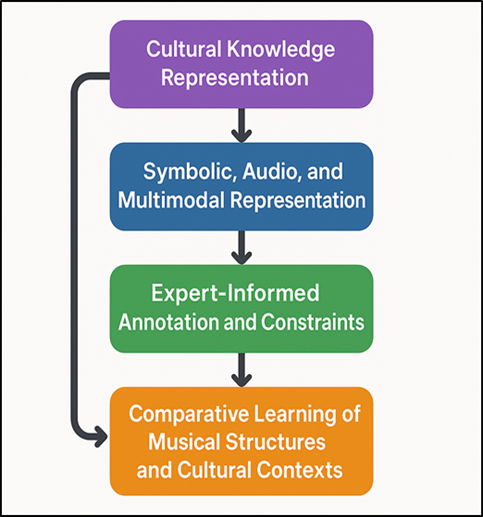
Figure 1 Ethnomusicology-Driven Cultural Knowledge Representation Framework
The symbolic representations, audio descriptors and multimodal annotations combine together to support this goal through the abstract musical grammar as well as expressive nuance. The grounding of ethnomusicology further recommends the integration of culturally varied bodies of knowledge such as oral tradition, archival documents, and commentary by experts to shun favoring notated or Western-biased types of music Balcombe (2023). Combining knowledgeable-in-the-loop marking and that which is culturally sensitive restricts will empower AI machines to gain instruction on stylistic limits keeping intra-cultural diversity intact.
3.2. Creativity, Authenticity, and Cross-Cultural Learning Theories
The appropriateness of multicultural music education in creativity can be best explained as a strike between creativity and convention. The educational theories of creativity focus on divergent thinking, exploration, and personal expression whereas ethnomusicological ones focus on continuity, lineage, and stylistic norms. The generative AI fits in the space between these perspectives, allowing learners to produce new musical concepts, but in a framework that is culturally authentic Ning et al. (2024). In this sense, authenticity does not mean the strict imitation but the consistency with the aesthetic values, expression aims, and construction rules of a particular tradition. Theories of cross-cultural learning also emphasize dialogue learning in which learners are exposed to new musical systems by way of comparison, reflection and group creation. Both constructivist and experiential learning models propose the idea that active engagement, including composing, improvising or remixing, is more effective than passive listening at deepening cultural understanding Demartini et al. (2024). Such interaction can be facilitated by generative AI, which is an adaptive and interactive musical content, and responds to learner input and cultural focus. By using guided experimentation, the students are able to investigate the issue of the what-if scenarios in the traditions, allowing them to synthesize creatively with an understanding of cultural limits. Notably, AI-mediated creativity should be open and mindful.
3.3. Ethical and Socio-Cultural Considerations in AI-Generated Music
The key aspects of responsible use of generative AI in multicultural music education are ethics and socio-cultural factors. The traditional and indigenous music are frequently held in common, holding spiritual importance and limited in a community-specific way, which contests the traditional ideas of data use and intellectual property. The unaware use of this material to train AI models would expose it to cultural exploitation, misrepresentation, and decontextualization. Ethical systems thus promote the optimal sourcing of data, consultation with people, and recognition of cultural sources in the AI-generated work. Socio-cultural issues are the risk of cultural homogenization, involving the mixing of various traditions in the generative systems to become a generic international style. These results may conceal individual identities and strengthen the mainstream musical standards. To overcome this, AI systems should have mechanisms of cultural conditioning and expressly explain stylistic limits to the users. In institutions, the transparency helps in creating ethical awareness and respect among the students. Also, the relationships of power between the developers of technology, educators, and cultural communities should be handled with high care.
4. Proposed Generative AI Framework
4.1. Dataset design: cultural diversity, musical attributes, annotation protocols
The usefulness of a generative AI system in teaching multicultural music relies on the quality and variety of data sets, which are essential to it. The offered dataset design will focus on the general cultural representation, and musical traditions of various regions, genres, and socio-cultural backgrounds will be included. This encompasses not only popular and classical traditions recording but also folk, indigenous and orally transmitted traditions. In order to prevent a cultural imbalance, datasets are curated in proportional sampling strategy, and cultural scope, and restrictions are explicitly documented. The musical qualities get reflected in symbolic and audio realms such as the pitch system, the rhythmic patterns, the tempo, the timbral descriptions, ornamental designs, and shapes. The hybrid will provide scalability and cultural validity.
4.2. Model Architecture: Symbolic, Audio, Multimodal, and Transformer-Based Generators
The suggested model uses the modular model architecture to support the various representational requirements of multicultural music education. Symbolic generators work with some structure of musical representation (i.e. MIDI, notation, event sequences), and allow finer control of melody, harmony, rhythm and form. The models are especially effective in teaching theoretical insights, composition and style grammar in traditions. Audio-based generators, whether based on neural synthesis or diffusion models, are more timbral instead of expressive in nature, and seek to include timbral elements of articulation, dynamics, and culturally specific instrumentation.
The multimodal models, which combine symbolic and audio representations with textual and visual metadata, are necessary to overcome the structural and perceptual levels. Figure 2 indicates the existence of hybrid generative architecture that allows the synthesis of multicultural music. The transformer-based structures are the key generative integrates, making use of the attention mechanisms to depict long-range associations, cross-relatedness and style consistency. Transformers are able to condition the generation based on cultural and pedagogical inputs and achieve flexible outputs based on the learning goals and the learner profile.
Figure 2
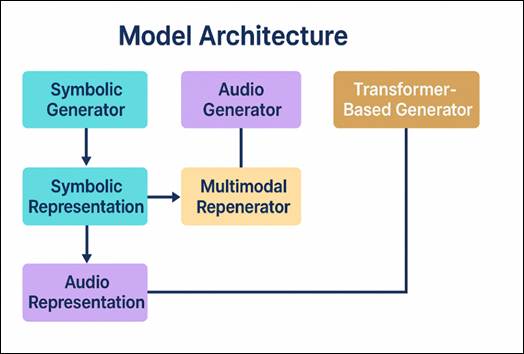
Figure 2 Hybrid Generative Model Architecture for Multicultural Music Synthesis
4.3. Cultural Conditioning Layer for Style Preservation and Motif Integrity
The key of ensuring the stylistic integrity and avoiding cultural dilution of AI-generated music is a dedicated cultural conditioning layer. It serves as a boundary between generative models and knowledge representations based on culture and appropriately experiences constraints and guidance encoded into it as a result of ethnomusicological principles. The parameters of conditioning can be scaling systems, rhythmical structures, formal structures, rule of ornamentation, and allowable variation of a tradition. The explicit modelling of these aspects by the system makes sure that the outputs generated will fit the culturally familiar patterns and at the same time, it is possible to control creativity. The conditioning layer works by use of embedding, rule-based filters and attention moderation, with the ability to use soft and hard constraints based on pedagogical intent. As an illustration, activities aimed at beginners can be stricter in their stylistic limitations, but advanced students are able to seek creative deviations within these limitations. Culturally meaningful melodic, rhythmic or timbral signatures are followed, and their repetition and change are strengthened when generating.
5. Methodology
5.1. Data preprocessing, model training, and style adaptation techniques
The rigorous data preprocessing methodological pipeline is the initial step in the approach to make certain the cultural accuracy, technical consistency, and ethical adherence. Raw musical data, which are provided in symbolic and audio formats, are processed to eliminate noise, redundancies and incomplete metadata. Audio data is broken down, levelled, tracked of the pitch and extracted timbre, and symbolic data is normalized into event-based sequences of pitch, duration, dynamics, and ornamentation. The cultural metadata is checked and conjured across modalities in order to enable the consistent conditioning in the course of training. Training on a model is done in phases. The baseline models are initially managed to learn the underlying stylistic patterns by training them on culturally specific subsets and only after that, they are incorporated into a global political culture.
Figure 3 illustrates preprocessing, training and cultural style adaptation workflow. Curriculum learning is used to optimize transformer-based architectures with an incremental growth of musical complexity and cross cultural variation. Transfer learning and fine-tuning are style adaptation techniques that allow models to be generalized across traditions and at the same time preserve stylistic specificity. It is in adaptive loss functions where the penalty of stylistic deviation is used that adherence to cultural norms is encouraged.
Figure 3
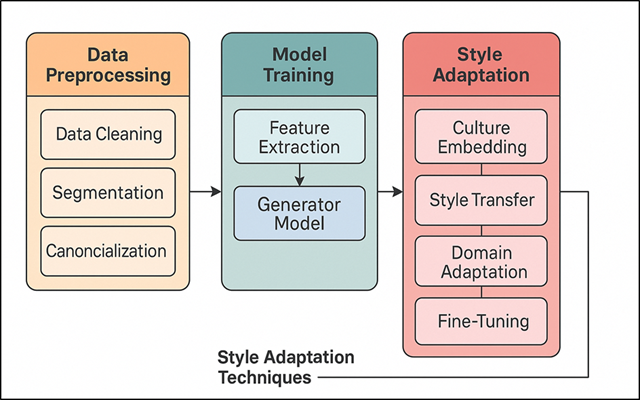
Figure 3 Workflow for Data Preprocessing, Model Training, and Cultural Style Adaptation
5.2. Evaluation Metrics: Cultural Fidelity, Musicality, Creativity, and Learner Perception
The use of generative AI in multicultural music education should be evaluated using a multidimensional assessment framework that is no longer limited to the traditional technical metrics. The cultural fidelity is measured in terms of the motif similarity and the scale conformity, rhythmic accuracy and an ability to follow formal structures peculiar to a particular tradition. Computational measures are supplemented by expert estimates of ethnomusicologists and professional musicians, so that the stylistic nuances and the intent contained in the cultural processes can be correctly recorded. The musicality measure is aimed at the structural integrity, tonal regularities, rhythmic regularities, and expressive dynamics. These are measured by statistical measures of pitch distributions, smoothness of harmonic progression and temporal regularity. The creativity is measured in terms of novelty, variation, and recombination with the balance between the originality and the cultural constraints. Comparative studies evaluate the fact of whether generated productions bring significant differences without breaking the rules of style. One of the important qualitative aspects is the perception of the learner. Student engagement, perceived authenticity, creative confidence and intercultural awareness is reflected in the surveys, reflective journals and observational studies.
5.3. Experimental Setup and Comparative Baselines
The proposed experimentation setup will be aimed to justify the suggested framework in a variety of academic and cultural settings. Diverse culturally diverse datasets are used to conduct experiments with controlled splits to be used during training, validating and testing. The trials that are implemented in classrooms engage learners with diverse musical background and levels of proficiency allowing evaluation of adaptability and inclusiveness. Activities are AI-assisted writing, stylus imitation, and intercultural mash up, which is in accordance with curricular goals. The traditional rule-based composition systems, standard deep learning music generators not culturally conditioned, and traditional teaching techniques that make use of prerecorded examples are used to set comparative baselines. These standards bring a methodical evaluation of cultural faithfulness, musical excellence, educator development and imaginative results. The effect of dataset design, multimodal integration and cultural conditioning layer is further isolated using ablation studies. Both offline evaluation and classroom observations are employed in evaluation.
6. Case Studies and Applications
6.1. Classroom activities using AI-generated multicultural compositions
The example of the case studies in classrooms proves that AI-created multicultural pieces can find their way into music education and increase interest and cultural awareness. In a single application, students are presented with a variety of musical traditions trained on AI-generated exemplars, e.g. using rhythmic cycles, scale systems, or instrumentation as certain cultural parameters. These pieces are composed to be interactive listening materials which allow the learners to recognize stylistic elements and compare them in cross-cultural contexts. In contrast to the strictly fixed records, AI-generated ones can be altered on the fly, which enables students to experiment with tempo, motif, or structure and see what they imply in terms of culture. Generative AI is also used as a scaffold of composition activities. Students develop in collaboration with the system to co-create brief pieces within a chosen tradition as well and get the auditory feedback in the moment. This one-on-top process is a way of promoting experimentation and strengthening cultural constraints within the model. These activities are associated with reflective discussions, which make learners explain how cultural rules influenced creative decisions.
6.2. Personalized Learning Pathways for Diverse Musical Traditions
The individual learning opportunities are one of the meaningful uses of generative AI applications in multicultural music education. Students are brought in with different musical experience, cultural acquaintance and creative objectives and thus the one-fits-all teaching is not effective. The offered framework is based on the learner profile and modifies musical material in accordance with its complexity, style focus, and creative freedom. In the case of novices, AI-created exercises focus on basic aspects of rhythmic patterns or scale identification in a selected tradition. High ability learners work on improvisational prompt and compositional tasks that can stimulate more elaboration of style. The feedback mechanisms are adaptive in nature and analyse the interactions of the learners, monitoring their advancement in cultural knowledge, rhythmical accuracy and experimental creativity. On the basis of this analysis, the system proposes specific activities, the tasks of comparative listening, or collaborative projects corresponding to individual learning paths. Students are also in a position to learn new traditions at their ease, which helps to have interest in and intercultural understanding. Notably, in personalization there is pedagogical transparency.
6.3. Cross-Cultural Collaboration Projects Supported by AI Tools
The future application of generative AI products is seen in the cross-cultural collaboration projects, which reflect the larger social and educational implications of the future. Here, students with cultural or geographical differences enter into a common musical project with the help of the AI as an intermediary tool. The system produces musical fragments that have become culturally conditioned and which are refined, remixed, and integrated by the participants, thus allowing a dialogue among traditions not requiring the participants to possess the necessary technical know-how. AI tools make it easy to collaborate by interpreting stylistic limitations and musical formulas to creative guidance that is easy to use. In case, as an example, a student studying a fusion project is able to experiment with added layers, or melodic exchanges and has a clear view of cultural parameters. It is a structured mediation that enables styles to blend with each other without being superficial and promotes informed negotiation of styles. The platform has communication tools that facilitate reflection and debate of cultural meaning, authorship, and creative intent. The educators see that such projects improve intercultural communication, collaboration, and accountability.
7. Results and Discussion
The experiment outcomes prove that the generative AI architecture significantly improves the learning outcomes of multicultural music in comparison with the control systems. The quantitative assessment demonstrates a better cultural fidelity, consistency of motifs and structural coherence with the cultural conditioning layer. Special evaluations prove that the outputs created by AI are more consistent with the principles of ethnomusicology, and do not try to dilute the style. The feedback of learners shows that they are more engaged, confident in their creativity, and more interculturally aware when undertaking activities in the assistance of AI. Individualized routes help to create a long-term motivation and further investigation of unknown traditions.
Table 2
|
Table
2 Quantitative Evaluation of Generative AI Models
Across Cultural Music Dimensions |
||||
|
Model
Type |
Cultural
Fidelity (%) |
Motif
Integrity Score (%) |
Rhythmic
Accuracy (%) |
Tonal
Consistency (%) |
|
Rule-Based
Generator |
68.4 |
64.1 |
71.6 |
73.2 |
|
LSTM-Based
Generator |
74.9 |
72.8 |
78.4 |
79.1 |
|
Transformer
(Unconditioned) |
82.3 |
80.5 |
85.7 |
86.1 |
|
Proposed
Multimodal Transformer |
89.6 |
91.2 |
92.4 |
90.8 |
Table 2 shows a relative quantitative evaluation of four generative AI models judged in terms of cultural faithfulness, motif faithfulness, rhythmic faithfulness, and tonal faithfulness. The rule generator has the worst performance, having cultural fidelity of 68.4% and motif integrity of 64.1 which is due to its strict structure and the inability to reproduce subtle cultural trends
Figure 4
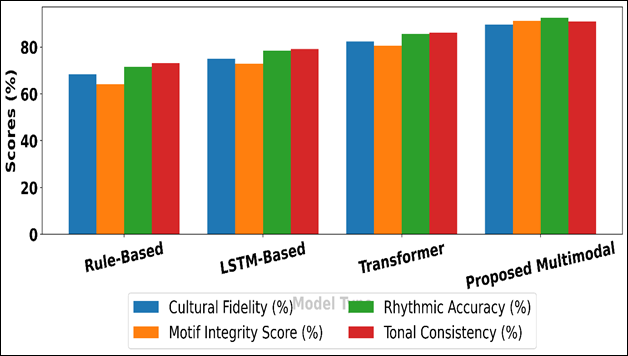
Figure 4 Cultural & Musical Metric Comparison Across Generative Models
The LSTM-based generator is more measurably better with 74.9% cultural fidelity and 78.4% rhythmic accuracy which suggests it has better sequential modelling but still limited long-term structural awareness. Figure 4 represents cultural and musical metric comparisons between generative models. The unconditioned transformer also adds more performance including 82.3% cultural fidelity and 86.1% tonal consistency because its attention-based capability to model long musical dependencies.
Figure 5
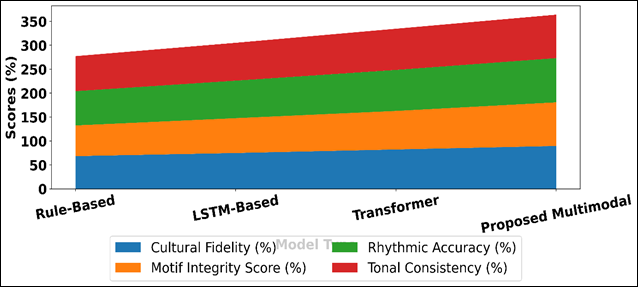
Figure 5 Visualization of Cultural–Rhythmic Performance
Nevertheless, the suggested multimodal transformer demonstrates the highest scores in all measures, which are, cultural fidelity, 89.6, motif integrity, 91.2, rhythmic accuracy, 92.4, and tonal consistency, 90.8. Figure 5 represents visual representation of cultural1-rhythmic performance of generated models of music. This is an improvement of +21.2% in cultural fidelity, and +27.1% in motif integrity, compared to the rule-based approach. These findings indicate that multimodal representations are essential in improving the culturally-informed music generation and general music integrity.
8. Conclusion
The paper has explored the purpose of generative artificial intelligence in promoting the multicultural music education using a culturally based, ethically aware, and pedagogically cantered paradigm. The proposed solution combines various data sets, modular generative designs, and a special cultural conditioning layer, which examines the major issues that relate to authenticity, ingenuity, and inclusivity in AI-based music. The results suggest that generative AI can be used as a beneficial educational mediator to allow learners to discover the world of musical traditions by composing and listening interactively, as well as collaboratively, instead of passively. The findings highlight that homogenization and misrepresentation are prevented with the help of cultural knowledge representation and ethnomusicological grounding. Outputs generated by AI when styled and contextual metadata are inserted during model design, have greater cultural faithfulness and educational worth. Besides, AI-enhanced personalised learning paths encourage student agency and supports varied musical backgrounds, which are aspects that enhance equity in learning classrooms. Cross-cultural collaboration projects also are another example of how AI tools can contribute to dialogue, mutual respect, and joint creativity across cultural barriers. The other significant aspects that were found in this work are the ethical and socio-cultural implications. The use of generative AI in music education requires responsible use, which can only be achieved by transparent data governance, educator oversight and learner awareness. Instead of eliminating human experience, AI systems ought to enhance the educational and cultural custodianship role of educators and facilitating reflective and culturally responsive learning.
CONFLICT OF INTERESTS
None.
ACKNOWLEDGMENTS
None.
REFERENCES
Akgun, S., and Greenhow, C. (2022). Artificial Intelligence in Education: Addressing Ethical Challenges in
K-12 Settings. AI Ethics, 2, 431–440.
https://doi.org/10.1007/s43681-021-00080-7
Balcombe, L. (2023). AI Chatbots in Digital Mental Health.
Informatics, 10, 82. https://doi.org/10.3390/informatics10040082
Cao,
W. (2022). Evaluating the Vocal Music Teaching Using Backpropagation
Neural Network. Mobile Information Systems, 2022, Article 3843726. https://doi.org/10.1155/2022/3843726
Chen,
W. (2022). Research on the Design of Intelligent Music Teaching System
Based on Virtual Reality Technology. Computational Intelligence and
Neuroscience, 2022, Article 7832306. https://doi.org/10.1155/2022/7832306
Cui, K. (2023). Artificial Intelligence and Creativity: Piano
Teaching With Augmented Reality Applications. Interactive Learning
Environments, 31, 7017–7028. https://doi.org/10.1080/10494820.2022.2102454
Demartini,
C. G., Sciascia, L., Bosso, A., and Manuri, F. (2024). Artificial
Intelligence Bringing Improvements to Adaptive Learning in Education: A Case
Study. Sustainability, 16, 1347. https://doi.org/10.3390/su16041347
González-González, C. S. (2023). The Impact of Artificial Intelligence in Education: Transforming the Way We Teach and Learn. Qurriculum, 36, 51–60.
González-Gutiérrez, S., and Merchán-Sánchez-Jara, J. (2022). Digital
Humanities and Educational Ecosystem: Towards a New Epistemic Structure From
Digital Didactics. Anuario ThinkEPI, 16, e16a35. https://doi.org/10.3145/thinkepi.2022.e16a35
Hou,
H. (2024). Analysis and Innovation of Vocal Music Teaching Quality in
Colleges and Universities Based on Artificial Intelligence. Applied Mathematics
and Nonlinear Sciences, 9, 1–16. https://doi.org/10.2478/amns-2024-0012
Knapp, D. H., Powell, B., Smith, G. D., Coggiola, J. C., and Kelsey, M.
(2023). Soundtrap Usage During COVID-19: A Machine-Learning Approach to
Assess the Effects of the Pandemic on Online Music Learning. Research Studies
in Music Education, 45, 571–584. https://doi.org/10.1177/1321103X231155412
Konecki, M. (2023). Adaptive Drum Kit Learning System: Impact on
Students’ Learning Outcomes. International Journal of Information and Education
Technology, 13, 1534–1540. https://doi.org/10.18178/ijiet.2023.13.10.1975
Ning, Y., Zhang, C., Xu, B., Zhou, Y., and Wijaya, T. T. (2024). Teachers’
AI-TPACK: Exploring the Relationship Between Knowledge Elements.
Sustainability, 16, 978. https://doi.org/10.3390/su16030978
Rodrigues, O. S., and Rodrigues, K. S. (2023). A Inteligência
Artificial na Educação: Os Desafios do ChatGPT. Texto Livre, 16, e45997. https://doi.org/10.35699/1983-3652.2023.45997
Solanskyi, S., Zhmurkevych, Z., Saldan, S., Velychko, O., and Dyka, N. (2024). Innovative Methods in Modern Piano Pedagogy. Scientific Herald of Uzhhorod University. Series: Physics, 55, 2978–2987.
Wan,
L. (2024). Research on Diversified Teaching Strategies for Music Courses
in Colleges and Universities Under the Background of Artificial Intelligence.
Applied Mathematics and Nonlinear Sciences, 9, 1–17. https://doi.org/10.2478/amns-2024-0009
Zhang, L. (2023). Fusion Artificial Intelligence Technology in Music Education Teaching. Journal of Electrical Systems, 19, 178–195.
Zhang,
W. (2023). Constructing a Theoretical Methodological System for Vocal
Music Education in Colleges and Universities in the Context of Deep Learning
Algorithms. Applied Mathematics and Nonlinear Sciences, 9, 1–16. https://doi.org/10.2478/amns-2023-0021
|
|
 This work is licensed under a: Creative Commons Attribution 4.0 International License
© ShodhKosh 2025. All Rights Reserved.