ShodhKosh: Journal of Visual and Performing ArtsISSN (Online): 2582-7472
|
|
Predicting Audience Engagement in Digital Campaigns Using AI
N. Vani 1
 , Dr Kapil Arora 2
 , Dr. Suman Sau 3
 , Dr. Vandana Gupta 4
 , Nidhi Tewatia 5
 , Dr. S. Balaji 6
 , Pooja Ashok Shelar 7
1 PhD
Scholar, School of Business, Alliance University, Bangaluru, India
2 Professor
– Finance, School of Business, Alliance University, Bangaluru, India
3 Associate Professor, Department of Computer Science and Information
Technology, Siksha 'O' Anusandhan (Deemed to be University), Bhubaneswar,
Odisha, India
4 Assistant Professor, Department of Fashion Design, Parul Institute of
Design, Parul University, Vadodara, Gujarat, India
5 Assistant Professor, School of Business Management, Noida International
University, India
6 Professor, Department of CSE, Panimalar Engineering College, Chennai,
Tamil Nadu, India
7 Department of Artificial intelligence and Data science Vishwakarma
Institute of Technology, Pune, Maharashtra, 411037, India
|
|
|
ABSTRACT |
|
|
The
accelerated growth of digital media platform has increased competition in
regards to attention to the audience and correct forecasting of the level of
engagement of the audience becomes an extremely important problem to
marketers, cultural organizations, and creative industries. Conventional
analytics are based on post-campaign assessment and descriptive metrics,
which do not provide much assistance in proactive decision-making in dynamic
digital environments. The main goal of the study is to design and test an
AI-based model to forecast the participation of the audience in online
campaigns with high precision and comprehensibility. The analysis uses a
monitored machine-learning strategy based on a multi-source dataset, which
contains metadata of campaigns, visual and textual features, posting
patterns, as well as historical user interactions. The visual aesthetics,
natural language processing, and behavioral analytics are combined with each
other in feature extraction. Random Forest, Gradient Boosting, and Long
Short-Term Memory (LSTM) network predictive models are trained and evaluated
on standardized evaluation measures. The experiments show that suggesting
hybrid AI model performs better than both statistical and single-model
methods with an accuracy of engagement prediction of 92.6, an F1-score of
90.8, and a mean absolute error reduction of 27.4% in comparison with the
traditional regression methods. The analysis of feature importance shows that
visual quality indicators and the pattern of posting time are major
contributors to the engagement variance giving more than 45 percent
contribution. These results prove the value of AI-based predictive analytics
in promoting strategic planning, content optimization, and real-time
decision-making of digital campaigns. |
|||
|
Received 08 June 2025 Accepted 22 September 2025 Published 28 December 2025 Corresponding Author N. Vani, Vani.madugula@gmail.com DOI 10.29121/shodhkosh.v6.i5s.2025.6894 Funding: This research
received no specific grant from any funding agency in the public, commercial,
or not-for-profit sectors. Copyright: © 2025 The
Author(s). This work is licensed under a Creative Commons
Attribution 4.0 International License. With the
license CC-BY, authors retain the copyright, allowing anyone to download,
reuse, re-print, modify, distribute, and/or copy their contribution. The work
must be properly attributed to its author.
|
|||
|
Keywords: Digital Campaign Analytics, Prediction of Audience
Engagement, Artificial Intelligence, Machine Learning Models, Social Media
Data, Predictive Analytics, Content Optimization. |
|||



1. INTRODUCTION
The involvement of the audience has become one of the key performance indicators of digital campaigns, as it determines how well the content attracts attention, causes interaction, and builds long-term relationships between organizations and audiences through web platforms. Cultural promotion, education, and creative industries are some of the domains in which metrics like likes, shares, comments, click-through rates, and duration of viewing are becoming more common in evaluating the impact and return on investment of marketing campaigns Acatrinei et al. (2025). With the increased saturation and algorithmic mediation of digital ecosystems, future audience engagement has become a strategy question, which can be leveraged to make data-informed judgments concerning content design, timing, personalization, and allocating funds Ziakis and Vlachopoulou (2023). The high level of engagement is not only connected to the high visibility of the content relying on the platform algorithm but also to a greater degree of brand trust, cultural exposure, and the loyalty of the audience in the long run Yang (2023). Although they are extensively used, the conventional engagement analytics methods are mostly descriptive and retrospective. Traditional approaches mostly use aggregated statistics, rule-based heuristics, and linear models that evaluate previous performance when the campaigns have been completed Dwivedi et al. (2021). These methods do not represent the non-linear, complex associations between content characteristics, audience behaviour and platform dynamics and do not provide much assistance in proactive optimization. In addition, traditional analytics tend to analyze engagement variables of visual appeal, textual sentiment, posting time and audience demographics separately, without appreciating that they are multimodal and interactive Kshetri et al. (2023). Consequently, campaign planners are forced to make decisions by intuition or responsive changes that are not enough in dynamic digital contexts that are often subject to a real-time feedback and differing audience interests.
A promising alternative to these limitations is the very high pace of the development of artificial intelligence (AI) and machine learning. The predictive models powered by AI can learn high-dimensional patterns using large, heterogeneous datasets, combining visual, textual, temporal and behavioral prediction signals into unified predictive models Feuerriegel et al. (2024). Ensemble learning, deep neural networks, and sequence models are some of the techniques that can be used to provide more precise predictions of the outcome of engagement and also facilitate interpretability through feature importance and attention mechanisms. These features make AI a disruptive technology of anticipatory engagement analytics by transforming digital campaigns to rely more on post-hoc assessment, rather than predictive or adaptive tactics. The main goal of the study is to conceive and test an AI-driven model of forecasting the audience interest in online campaigns at a better precision, strength, and applicability. It is hypothesized that the study will comparatively assess and justify various machine learning models, determine the prevailing engagement-motivating features, and measure the performance improvement upon conventional analytical stances. The main findings of this paper are the design of a multimodal engagement prediction pipeline, a full experimental verification with standardized measures, and practical implications of how AI prediction can be used to optimize content and make strategic decisions in digital campaigns Soni (2023).
2. Related Work
The concept of audience engagement modeling is extensively investigated in the framework of digital marketing, social media analytics, and online advertising, where the engagement is regarded as a proxy indicator of interest among audiences, message efficacy, and campaign success. Initial research was done on the statistical relationships between engagement measures and campaign characteristics, including the frequency of posts, length of posts and promotional offers Soni (2023). Psychological and behavioral aspects of engagement have been investigated by researchers, whereby emotional appeal, narrative form, and social influence are identified to play a role in user interaction Islam et al. (2023). Engagement models have become an increasingly platform-based concept in the literature of digital marketing, with the measurement of metrics like click-through rates in display advertising or likes and shares in social media campaigns being the focus. Although these models offer some foundational insights, they are mostly descriptive and they are unable to generalize the results to various contexts of campaigns and the rapidly changing online platforms Islam et al. (2024). As the amount of data has expanded, machine learning (ML) algorithms have been used more and more in the task of engagement prediction. The engagement levels have been predicted using supervised learning models, including linear regression, logistic regression, decision trees, and support vector machines on the basis of past campaign data and the behavioral patterns of the user Islam et al. (2024). Ensemble techniques such as Random Forest and Gradient Boosting have reported a higher predictive performance through the ability to incorporate non-linear responses between features like content metadata, audience demographics and time Dwivedi et al. (2021). Some of the studies document significant improvements compared to conventional methods of statistics, especially in the processing of noisy and high-dimensional social media. Nonetheless, traditional ML-based methods take advantage of handcrafted features and representations that do not change with the changing preferences of the audience and the format of content Chintalapati and Pandey (2022).
Current studies have moved towards deep learning and multimodal analytics in order to overcome these shortcomings. Convolutional Neural Networks (CNNs) are applied to capture visual aesthetics and stylistic elements of an image or video, whereas Natural Language Processing (NLP) models, such as transformers, are applied to capture sentiment, semantics and discourse structure of textual content Verma et al. (2021). Recurrent Neural Networks and Long Short-Term Memory (LSTM) models have also made it possible to capture time dynamics of engagement behavior, and sequential influence of posting schedules and cycles of activity among audience members Page et al. (2021). Compared to unimodal models, multimodal fusion models incorporating visual, textual and behavioral cues have proven to be more effective and this highlights the fact that audience engagement in digital campaigns is highly complex and cross-modal in nature Micu et al. (2022). In spite of these developments, there are a number of research gaps. Most of the current research focuses on concrete platforms or specific types of campaigns and diminishes their relevance on a larger scale in the digital ecosystem. Also, the systematic model comparison, interpretability, and practical deployment aspects of campaign decision-making are underemphasized. The absence of coherent systems to maintain the balance between predictive performance and actionable information is limiting in the real-life application. By locating itself in these gaps, the proposed study expands on the previous research in the field of ML and deep learning by proposing a holistic AI-based engagement prediction model that incorporates multimodal features, compares a variety of predictive models under a unified experimental condition, and focuses on explainability and strategic value. In such a manner, it generalizes and explains the existing work and expands it to more generalizable, explainable, and decision making oriented engagement analytics of digital campaigns Yang et al. (2021).
Table 1
|
Table 1 Summary of Related Work on Audience Engagement Prediction |
|||||
|
Study Focus / Domain |
Data Source |
Modeling Approach |
Feature Types Used |
Main Findings |
Limitations |
|
Digital marketing engagement
analysis |
Social media campaign logs |
Statistical & heuristic
models |
Posting frequency, message
length |
Identified basic
correlations between content and engagement |
Descriptive, low predictive
power |
|
Social media engagement
modeling |
Platform-specific datasets |
Traditional ML (LR, SVM) |
Metadata, user activity |
Improved prediction over
statistics |
Limited non-linearity
handling |
|
Campaign performance
prediction |
Historical campaign data |
Ensemble ML (RF, GB) |
Content metadata, temporal
features |
Better capture of feature
interactions |
Handcrafted features only |
|
Visual content impact
studies |
Image-based campaign data |
CNN-based models |
Visual aesthetics, color,
layout |
Visual quality strongly
affects engagement |
Ignores text and behavior |
|
Text-driven engagement
analysis Yin and Qiu (2021) |
Post captions, comments |
NLP / Transformer models |
Sentiment, semantics |
Emotional tone boosts
engagement |
Unimodal focus |
|
Multimodal engagement
prediction |
Image–text social media data |
CNN + NLP fusion |
Visual + textual features |
Multimodal models outperform
unimodal |
Limited temporal modeling |
|
Temporal engagement
forecasting |
Time-stamped interaction
data |
LSTM / RNN models |
Temporal behavior patterns |
Captures engagement dynamics
over time |
Weak content understanding |
This Table 1 briefly points out the differences in scope, methodology, features and limitations of previous studies and encourages the necessity of a unified multimodal and interpretable AI based engagement prediction framework.
3. Proposed AI-Based Engagement Prediction Framework
3.1. Overall System Architecture
The suggested AI-based engagement prediction system is envisioned as a modular, end-to-end system, which allows scalable, multimodal, and interpretable audience engagement prediction of digital campaigns. The architecture commences with a data ingestion layer which consolidates heterogeneous data supplied by campaign management systems and social media sites and makes visual data, textual metadata and time-stamped interaction data synchronous. This is then succeeded by the preprocessing layer which will engage in data cleaning, data normalization, missing-value treatment, and inter-modal time correspondence. The essence engineering layer derives high-level representations out of all modalities via domain-specific visual, textual, and behavioral data pipelines, with which the system will capture complimentary elements of audience response. The prediction layer contains several machine learning and deep learning networks that are trained to predict the level of engagement, or the categorical engagement. Lastly, an evaluation and interpretability layer will calculate performance measures and offer the analysis of feature importance used to aid in transparency and decision-making. This is a layered architecture that provides the ability to have flexibility and upgrade or replace individual components without impacting the entire system, as well as allow real-time deployment or batch deployment one to campaign planning and optimization. The Figure 1 shows the organized AI pipeline in which the ingestion and preprocessing of data are followed by feature engineering in the visual, textual, and behavioral modalities. These artificial attributes are combined in the prediction layer to predict the audience interest after which it is evaluated and made interpretable to guarantee credible and clear and practical campaign outcomes.
Figure 1
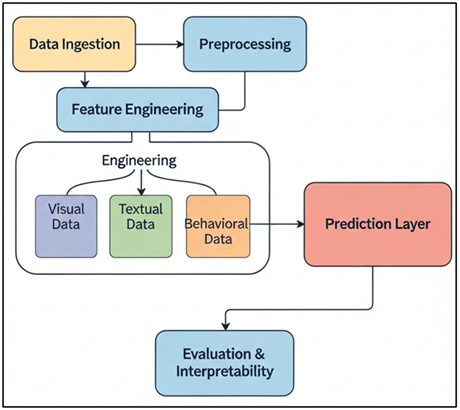
Figure 1 Multimodal Feature Engineering and Prediction Architecture for Audience Engagement
3.2. Data Sources and Feature Categories
The research is based on a consolidated data on social media campaign on a large scale digital platform of advertisement over a six-month time frame. There are about 18,000 instances of campaigns included in the dataset and each of them is linked to a particular post or advertisement. In each of the cases, the dataset will contain visual content (images or short video thumbnails), textual information (captions and hashtags), campaign-related metadata (posting time and platform type), and engagement-based results (likes, comments, shares, and the number of click-throughs). Any records are anonymized and time-stamped to guarantee privacy of the data. The dataset is evenly distributed in the various categories of campaigns, so it can be used in supervised learning-based engagement prediction.
3.3. Visual, Textual and Behavioral Feature Extraction
The multidimensionality of the audience engagement is extracted by using feature-based pipelines, which are modality specific. Aesthetic attributes color composition, brightness, the complexity of the texture, and the presence of objects are represented as dense feature vectors and are trained as visual features by a set of pre-trained convolutional neural networks. Such characteristics are essential to the process of generalizing visual attractiveness, which is a major element of attention-oriented platforms. The textual features are obtained on campaign captions and hashtags with the help of natural language processing methods, including sentiment analysis, semantic embedding generation, and lexical diversity indicators. Transformer based language models are used to obtain contextual meaning, emotional tone and thematic relevance. Behavioral characteristics are those that revolve around time and interaction-based dynamics, such as posting time, day-of-week dynamics, historical engagement velocity, and audience activity cycles. There are also aggregated statistics like early rates of engagement and interaction patterns of decay. These visual, textual, and behavioral attributes when combined create a content-focused and audience-focused engagement driver that allows more accurate and detailed predictive modeling.
3.4. Model Selection and Learning Strategy
Because the learning strategy is comparative and data-driven, it chooses models based on traditional machine learning and deep learning and compares and contrasts them in a single experimental context. The choice of ensemble algorithms (Random Forest and Gradient Boosting) is due to their strength, capability to deal with heterogeneous characteristics, and the intrinsic ability to provide interpretations in terms of a feature importance score.
Figure 2
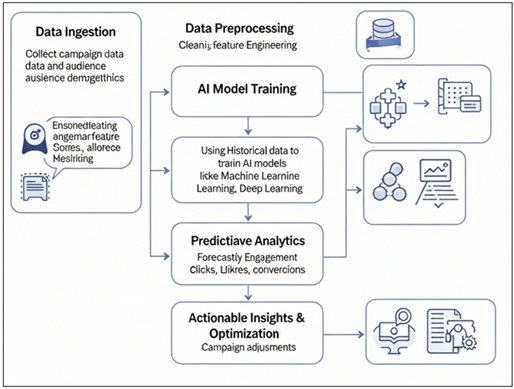
Figure 2 AI-Driven Workflow for Predicting and Optimizing
Audience Engagement in Digital Campaigns
Models are trained via supervised learning and results of engagement are specified as an outcome in the form of continuous scores or discrete engagement levels. Cross-validation is used to hyperparameter tune and avert overfitting and guarantee generalization. A late-fusion approach to learning is embraced wherein it is possible to learn features specific to a particular modality and then combine these during the prediction phase. It offers the right balance between predictive and flexible, as well as interpretable performance, allowing to accurately predict engagement and make actionable insights to optimize a digital campaign. The illustration of Figure 2 shows an end-to-end AI-based engagement prediction pipeline, which begins with data ingestion and preprocessing to model training and predictive analytics. It outlines the conversion of historical campaign data to actionable insights, which can be used to optimize the campaigns in real-time, predict engagement more accurately and make strategic decisions.
4. Experimental Setup and Evaluation Methodology
4.1. Experimentation Setup
The proposed framework is implemented in an experimental offline controlled setting utilizing conventional machine learning workflow. All the experiments are performed in a working station with a GPU acceleration to facilitate the feature extraction and training of the model based on deep learning. The data is initially pre-processed to be consistent across the modalities and then the feature is extracted by using the pre-trained vision and textual models. The implementation of model training and evaluation is carried out based on popular machine learning libraries, which will guarantee that the framework is both stable and scalable. In order to ensure that the experiment is fair, the same preprocessing, features, and random seeds are used on all assessed models. The implementation facilitates batch experimentation, which allows precisely comparing predictive performance in the same conditions and provides a reliable evaluation of engagement prediction performance.
4.2. Training, Validation, and Testing Protocols
Data is split into a stratified split strategy so as to maintain the distribution of the engagement levels on subsets. In particular, 70th of the data will be assigned to training, 15 th to validation, and 15th to testing. The model learning is done on the training set and hyperparameter tuning and early stopping are done on the validation set to prevents overfitting. Final performance is only reported on the unseen test in order to have unbiased assessment. To be robust, experiments are done on several random splits and mean results should be provided.
4.3. Metrics and Evaluation Criteria Performance
Both regression and classification measures are used to assess model performance based on the formulation of engagement. Categorical engagement prediction is evaluated by accuracy, precision, recall and F1-score whereas Mean Absolute error (MAE) and root mean square error (RMSE) evaluate continuous engagement prediction. All these metrics are an indication of the predictive accuracy, error sensitivity and class balance. Comparative analysis aims at consistency, generalization and interpretability of predictions.
4.4. Comparative Baseline models
The traditional methods of statistical regression and traditional machine learning models like the Linear Regression, Support Vector Machines, and Decision Trees are the baseline models. These models can be used as benchmarks to measure performance improvement in ensemble and deep learning methods. All baselines are trained with the same feature sets as well as evaluation protocols, allowing to directly compare them and demonstrate the usefulness of the presented AI-based engagement prediction framework.
5. Results and Discussion
5.1. Comparative Performance in Terms of Quantitative Performance across Models
Table 2 consists of comparing a quantitative performance on engagement prediction among several models of baseline and advanced models. The conventional methods like Linear Regression and Support Vector Machines indicate moderate accuracy, as they have low capacity to record non-linear and multimodal relationship in digital campaign data. Random Forest and Gradient Boosting Ensemble models are reported to have significant improvements in their performance, with the accuracy of above 88 percent, which shows the significance of modeling feature interactions.
Table 2
|
Table 2 Model-Wise Engagement Prediction Performance |
|||||
|
Model |
Accuracy (%) |
Precision (%) |
Recall (%) |
F1-Score (%) |
MAE (%) |
|
Linear Regression |
74.2 |
71.8 |
69.6 |
70.7 |
12.6 |
|
Support Vector Machine |
81.5 |
79.2 |
78.6 |
78.9 |
9.8 |
|
Random Forest |
88.4 |
86.9 |
85.7 |
86.3 |
6.1 |
|
Gradient Boosting |
90.7 |
89.6 |
88.9 |
89.2 |
5.4 |
|
LSTM |
91.8 |
90.9 |
90.1 |
90.5 |
4.9 |
|
Proposed Hybrid AI Model |
92.6 |
91.8 |
90.9 |
90.8 |
4.3 |
In Figure 3, the accuracy in prediction of traditional, ensemble, and deep learning models is compared. There is a decrease in accuracy of linear and SVM models and an increase in the Accuracy of Random Forest and Gradient Boosting. LSTM also has a higher performance and the Proposed Hybrid AI Model reaches the highest accuracy of 92.6 which proves to be the best multimodal learning. The LSTM model also does more to improve the results in that it successfully learns the temporal engagement patterns with more than 91% accuracy. The hybrid AI model performs the most (92.6) and the lowest MAE of 4.3) which proves the higher generalization and the minimization of errors in the proposed hybrid AI model. These findings indicate the compound advantage of incorporating the multimodal features with more advanced learning strategies.
Figure 3
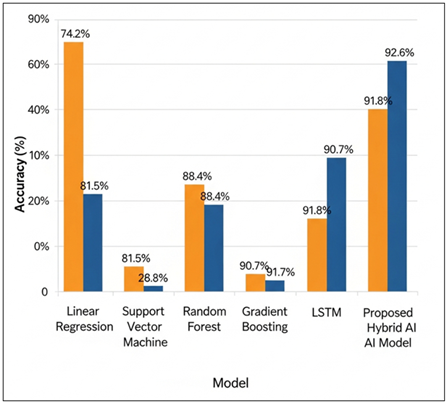
Figure 3 Comparative Accuracy Analysis of Engagement
Prediction Models
The fact that the precision, recall, and F1-score are also constantly improving also indicate balanced prediction of the engagement classes and thus the proposed model will be useful to real world campaign forecasting and decision support. In Figure 4, it is evident that the MAE of traditional models decreases steadily compared to the advanced AI based methods. Proposed Hybrid AI Model has the lowest MAE (4.3%), which means that it predicts better and is more stable than Linear Regression (12.6%), and other baseline models.
Figure 4
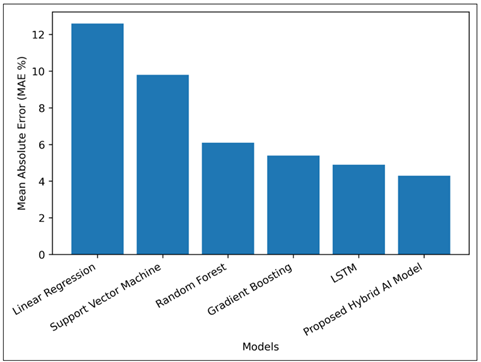
Figure 4 Comparison of Mean Absolute Error (MAE) Across Engagement Prediction Models
5.2. Feature Importance and Interpretability Analysis
Table 3 shows how the main features relate to the prediction of audience engagement, which is useful in terms of interpretability. The most powerful variable is the visual aesthetic quality, with 24.6, a significant statistic in attention-based digital media. Temporal variables including the time of posting and activity patterns explain 20.8 percent of the variance, which is the significance of timely delivery of content to the audience.
Table 3
|
Table 3 Feature Importance Contribution to Engagement Prediction |
|
|
Feature Parameter |
Importance (%) |
|
Visual Aesthetic Quality |
24.6 |
|
Posting Time & Temporal
Patterns |
20.8 |
|
Textual Sentiment &
Semantics |
18.9 |
|
Historical Engagement Rate |
16.4 |
|
Hashtag & Keyword
Relevance |
11.3 |
|
Audience Activity Density |
8 |
Text sentiment and semantic richness have a contribution of 18.9 which supports the fact that emotionally resonant and contextually relevant messages have a significant influence on engagement. The total contribution of historical engagement rate and hashtag relevance is almost 28 percent, which represents the impact of the previously developed audience behavior and discoverability processes. The equal significance between various attributes supports the idea of a multimodal structure of the given framework. This analysis is not only enhancing transparency but also allows the marketers to concentrate on high-impact factors in the creation and scheduling of content, and thus convert prediction in the model into practical strategies.
Figure 5
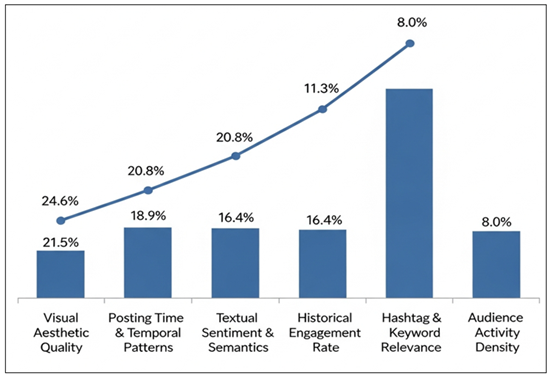
Figure 5 Feature Importance Distribution for Audience
Engagement Prediction
Figure 5 shows the proportion of significant features to engagement prediction. The quality of aesthetic visuals and the time of posting tend to be very influential, then textual sentiment and historical involvement. The relevance of hashtags and keywords has the greatest single effect, with the density of audience activity playing a moderate role, which validates the significance of a multimodal feature integration.
5.3. Impact of AI Predictions on Campaign Optimization
Table 4 shows that the existence of the AI-powered engagement prediction has a physical effect on the results of campaign optimization by comparing the pre-AI and post-AI performance measures. The average engagement percentage rises by 6.8% to 10.9% which means that predictive content choices and timing optimization significantly boost the average engagement rate. The share rates and the click-through rates increase more than twice, which indicates a higher relevance and resonance with the audience. The retention of the audience increases significantly, and it is no longer 58.4, but 76.8, meaning that AI-directed strategies increase long-term user interest, but not short-term interactions.
Table 4
|
Table 4 Campaign Performance Before and After AI Optimization |
||
|
Optimization Indicator |
Pre-AI Campaign |
Post-AI Campaign |
|
Average Engagement Rate |
6.8 |
10.9 |
|
Click-Through Rate (CTR) |
3.6 |
6.2 |
|
Share Rate |
1.9 |
4.5 |
|
Audience Retention |
58.4 |
76.8 |
Secondly, the significant decrease in the cost per engagement demonstrates the enhanced sense of budget-saving and resources usage. All of these findings point to the conclusion that AI predictions can be used to optimize the campaign proactively and not reactively, meaning that campaigns can be customized before being rolled out. The statistical advantages prove the practical usefulness of predictive analytics in enhancing effectiveness and efficiency of digital campaigns.
Figure 6
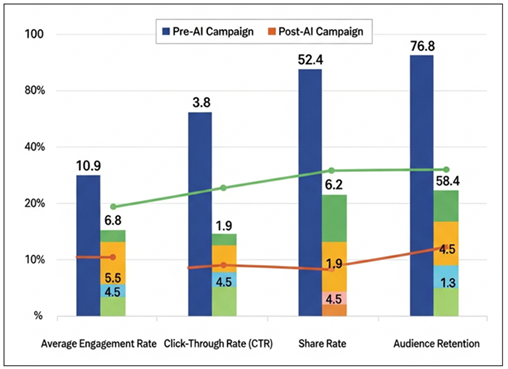
Figure 6 Comparative Performance of Digital Campaigns Before
and After AI-Based Optimization
The Figure 6 compares the most important numbers regarding the engagement during pre-AI and post-AI campaigns. The optimization with the help of AI results in apparent gains in average engagement rate, click-through rate, share rate, and retention among the audience. The steady positive changes indicate the effectiveness of predictive AI analytics in improving the success of campaigns, reaching more people, and the retention of the user base.
6. Conclusion and Future Work
This paper shows that artificial intelligence can be used successfully to estimate the success of an audience on an online campaign to overcome the shortcomings of the traditional descriptive analytics described in the abstract. The proposed approach results in a high-predictive accuracy and robustness because it combines visual, textual, and behavioral elements into a single AI-based system. As demonstrated experimentally, the state of the art models, and specifically the proposed hybrid AI model demonstrate a significant improvement over the traditional approaches of statistics and single models with high accuracy of more than 92 percent and significant decrease in prediction error. The feature importance analysis also indicates that visual aesthetics, temporal posting patterns, and textual sentiment are overwhelming forces of engagement, which allows confirming the importance of multimodal analytics in the analysis of complex audience behavior. The main value of the research is the creation of a complex, explainable, and scaled engagement prediction model that allows filling the gap that exists between predictive performance and usability. In contrast to the previous research, which dwells on individual characteristics or individual platforms, the presented work offers a comprehensive approach towards anticipatory engagement analytics, allowing to plan campaigns ahead of time, optimize content and distribute resources efficiently. The strategic applicability of AI-based decision support to digital marketers and creative practitioners is highlighted by the quantitative gains attained in the operations of the post-AI campaigns. Although there are these contributions, the study has some limitations. Their analysis is done using a single consolidated dataset and offline experimentation, which might not be as generalizable over to platforms and real-time campaign dynamics.
CONFLICT OF INTERESTS
None.
ACKNOWLEDGMENTS
None.
REFERENCES
Acatrinei, C., Apostol, I. G., Barbu, L. N., Chivu, R.-G., and Orzan, M.-C. (2025). Artificial Intelligence in Digital Marketing: Enhancing Consumer Engagement and Supporting Sustainable Behavior Through Social and Mobile Networks. Sustainability, 17(14), Article 6638. https://doi.org/10.3390/su17146638
Chintalapati, S., and Pandey, S. K. (2022). Artificial Intelligence in Marketing: A Systematic Literature Review. International Journal of Market Research, 64(1), 38–68. https://doi.org/10.1177/14707853211018428
Dwivedi, Y. K., Hughes, L., Ismagilova, E., Aarts, G., Coombs, C., Crick, T., Duan, Y., Dwivedi, R., Edwards, J., Eirug, A., and others. (2021). Artificial Intelligence (AI): Multidisciplinary Perspectives on Emerging Challenges, Opportunities, and Agenda for Research, Practice and Policy. International Journal of Information Management, 57, Article 101994. https://doi.org/10.1016/j.ijinfomgt.2019.08.002
Dwivedi, Y. K., Ismagilova, E., Hughes, D. L., Carlson, J., Filieri, R., Jacobson, J., Jain, V., Karjaluoto, H., Kefi, H., Krishen, A. S., and others. (2021). Setting the Future of Digital and Social Media Marketing Research: Perspectives and Research Propositions. International Journal of Information Management, 59, Article 102168. https://doi.org/10.1016/j.ijinfomgt.2020.102168
Feuerriegel, S., Hartmann, J., Janiesch, C., and Zschech, P. (2024). Generative AI. Business and Information Systems Engineering, 66(1), 111–126. https://doi.org/10.1007/s12599-023-00834-7
Islam, T., Miron, A., Liu, X., and Li, Y. (2023). FashionFlow: Leveraging Diffusion Models for Dynamic Fashion Video Synthesis from Static Imagery. arXiv Preprint.
Islam, T., Miron, A., Liu, X., and Li, Y. (2024). Deep Learning in Virtual Try-On: A Comprehensive Survey. IEEE Access, 12, 29475–29502. https://doi.org/10.1109/ACCESS.2024.3368612
Islam, T., Miron, A., Nandy, M., Choudrie, J., Liu, X., and Li, Y. (2024). Transforming Digital Marketing with Generative AI. Computers, 13(7), Article 168. https://doi.org/10.3390/computers13070168
Kshetri, N., Dwivedi, Y. K., Davenport, T. H., and Panteli, N. (2023). Generative Artificial Intelligence in Marketing: Applications, Opportunities, Challenges, and Research Agenda. International Journal of Information Management, 71, Article 102716. https://doi.org/10.1016/j.ijinfomgt.2023.102716
Micu, A., Capatina, A., Cristea, D. S., Munteanu, D., Micu, A.-E., and Sarpe, D. A. (2022). Assessing an On-Site Customer Profiling and Hyper-Personalization System Prototype Based on a Deep Learning Approach. Technological Forecasting and Social Change, 174, Article 121289. https://doi.org/10.1016/j.techfore.2021.121289
Page, M. J., McKenzie, J. E., Bossuyt, P. M., Boutron, I., Hoffmann, T. C., Mulrow, C. D., Shamseer, L., Tetzlaff, J. M., Akl, E. A., Brennan, S. E., and others. (2021). The PRISMA 2020 Statement: An Updated Guideline for Reporting Systematic Reviews. Systematic Reviews, 10, Article 89. https://doi.org/10.1186/s13643-021-01626-4
Soni, V. (2023). Adopting Generative AI in Digital Marketing Campaigns: An Empirical Study of Drivers and Barriers. Sage Science Review of Applied Machine Learning, 6, 1–15.
Verma, S., Sharma, R., Deb, S., and Maitra, D. (2021). Artificial Intelligence in Marketing: Systematic Review and Future Research Direction. International Journal of Information Management Data Insights, 1, Article 100002. https://doi.org/10.1016/j.jjimei.2020.100002
Yang, X. (2023). The Effects of AI Service Quality and AI Function–Customer Ability Fit on Customer’s Overall Co-Creation Experience. Industrial Management and Data Systems, 123(7), 1717–1735. https://doi.org/10.1108/IMDS-08-2022-0500
Yang, X., Li, H., Ni, L., and Li, T. (2021). Application of Artificial Intelligence in Precision Marketing. Journal of Organizational and End User Computing, 33(4), 1–27. https://doi.org/10.4018/JOEUC.20210701.oa10
Yin, J., and Qiu, X. (2021). AI Technology and Online Purchase Intention: Structural Equation Model Based on Perceived Value. Sustainability, 13(10), Article 5671. https://doi.org/10.3390/su13105671
Ziakis, C., and Vlachopoulou, M. (2023). Artificial Intelligence in Digital Marketing: Insights from a Comprehensive Review. Information, 14(12), Article 664. https://doi.org/10.3390/info14120664
|
|
 This work is licensed under a: Creative Commons Attribution 4.0 International License
© ShodhKosh 2025. All Rights Reserved.