ShodhKosh: Journal of Visual and Performing ArtsISSN (Online): 2582-7472
|
|
AI in Dance Therapy for Education and Wellbeing
Shikha Gupta 1 , Sachin Pratap Singh 2
 ,
Anubhav Bhalla 3
,
Anubhav Bhalla 3 ,
Manivannan Karunakaran 4
,
Manivannan Karunakaran 4 ,
Dr. Shripada Dinesh Patil 5
,
Dr. Shripada Dinesh Patil 5 , Dr. Shweta 6
 ,
Pranali Chavan 7
,
Pranali Chavan 7
1 Assistant Professor, School of Business
Management, Noida International University, India
2 Assistant Professor, Department of
Journalism and Mass Communication, Vivekananda Global University, Jaipur, India
3 Centre of Research Impact and Outcome, Chitkara University, Rajpura-
140417, Punjab, India
4 Professor and Head, Department of Information Science and
Engineering, Jain (Deemed-to-be University), Bengaluru, Karnataka, India
5 Assistant Professor, School of Construction, NICMAR University,
Pune, India
6 Associate Professor, Department of Pharmacy, Arka Jain University,
Jamshedpur, Jharkhand, India
7 Department of Computer Engineering, Vishwakarma Institute of
Technology, Pune, Maharashtra, 411037, India
|
|
|
ABSTRACT |
|
|
Dance therapy
or dance/movement therapy (DMT) is not a new concept and has been
traditionally acknowledged to have the ability to improve emotional,
cognitive, and physical wellbeing. The last few years have seen the
intersection of artificial intelligence (AI) and movement-based therapies,
which has paved the way to the data-driven personalization of learning and
therapy and has scaled up both educational and therapeutic interventions. In
this paper, the author discusses the use of AI in education and wellbeing in
dance therapy with its potential to analyze, interpret, and transform human
movement in order to achieve therapeutic results. One framework that is
formulated with the help of AI technologies, including computer vision, pose
estimation, emotion recognition, predictive analytics, etc., will be used to
assess the effects of AI-assisted DMT on the engagement of learners, decrease
in stress levels, and creative expression. Multi-modal inputs, including
video analysis, motion sensors, and surveys on participants are used in data
collection to determine emotional and behavioral patterns. Machine learning
models are also used to suggest custom dance moves depending on cognitive and
affective conditions. The paper also shows how dance therapy based on AI can
be integrated into the classroom setting to enhance inclusiveness, emotion
management, and collaborative learning. Findings show that mood, attention,
and participation in the classroom have significantly improved especially
among students with special needs. |
|||
|
Received 04 April 2025 Accepted 09 August 2025 Published 25 December 2025 Corresponding Author Shikha
Gupta, shikha.gupta1@niu.edu.in DOI 10.29121/shodhkosh.v6.i4s.2025.6830 Funding: This research
received no specific grant from any funding agency in the public, commercial,
or not-for-profit sectors. Copyright: © 2025 The
Author(s). This work is licensed under a Creative Commons
Attribution 4.0 International License. With the
license CC-BY, authors retain the copyright, allowing anyone to download,
reuse, re-print, modify, distribute, and/or copy their contribution. The work
must be properly attributed to its author.
|
|||
|
Keywords: Dance/Movement Therapy (DMT), Artificial
Intelligence, Computer Vision, Emotion Recognition, Educational Wellbeing,
Personalized Therapeutic Systems |
|||


1. INTRODUCTION
Dance has been known to be an effective way of self-expression, emotional outburst, and cognition. In addition to its artistic and performative aspects, dance is also a form of therapy, which allows linking the mind and the body through the rhythmic movement, which improves psychological and physiological health. Dance/movement therapy (DMT) codifies this precept through incorporating movement study, psychotherapeutic treatment, and expressive arts to encourage emotional regulation, self-consciousness, and interpersonal relationship. DMT has demonstrated the ability to improve the mental health of students, their creativity, and skills of concentration and communication in education settings. Nonetheless, conventional use of dance therapy is usually constrained with the number of trained therapists, subjective evaluation and lack of systematic feedback systems. As the development of AI rapidly progresses, new opportunities are becoming available to advance, personalize, and democratize dance therapy to use it in various educational and wellbeing purposes. Artificial Intelligence is introducing analytical accuracy and adaptive cognitive to the movement-based therapy. Computer vision, deep learning, and affective computing technologies transform the machines to read human gestures, facial expressions, and emotional indicators in real time Zeng (2025). With these modalities, AI will be able to detect the trends of stress, fatigue, or engagement in dance classes and provide information-based therapy intervention. Machine learning systems also help to customize the therapy regimen-suggest a particular dance movement or rhythmic pattern that corresponds to the psychological and physical state of a person Zhang and Zhang (2022). Figure 1 represents assistive AI structure with educational and therapeutic dance-therapy setting. Such innovations make dance therapy an intuitive art evolve to an evidence-based adaptive process that changes as the needs of the learner evolve.
Figure 1
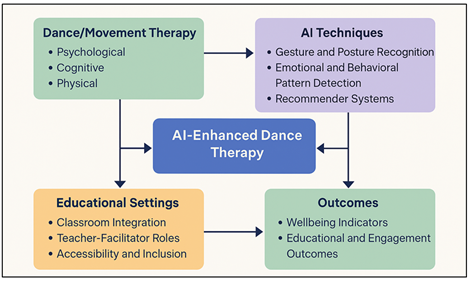
Figure 1 Integrated AI Framework for Dance Therapy in
Educational and Therapeutic Contexts
The application of AI-based dance therapy, in the educational settings, is consistent with the new tendencies of social-emotional learning (SEL), inclusive pedagogy, and digital wellbeing. Schools and universities are paying more attention to the significance of the holistic learning experiences that have the balanced cognitive growth and emotional sense as well as physical consciousness. AI can support educators by serving as a co-facilitator as it will keep an eye on the activity of students by monitoring movement data and feedback loops that help promote mindful participation Chen et al. (2024). In addition, AI systems will be able to produce available, customized dance modules that will suit learners with different abilities, cultural backgrounds, and emotional statuses. As an example, a student with anxiety may be given a relaxing dancing session where a slow, grounded movement is stressed, and a student with attention difficulties may be guided to a vigorous and organized movement to awaken concentration. By means of such flexibility, AI can augment the inclusion and responsiveness of dance-based interventions in the classroom and wellness programs Lauriola et al. (2022). The use of AI-enhanced DMT leads to the promotion of wellbeing in the wider social and educational ecologies as well.
2. Background and Literature Review
2.1. Foundations of dance/movement therapy (DMT) and its psychological, cognitive, and physical benefits
The official definition of Dance/Movement Therapy (DMT) as defined by the American Dance Therapy Association (ADTA) is the psychotherapeutic movement utilized to facilitate emotional, social, cognitive, and physical integration of the subject. The DMT is premised on the notion that the mind, body, and spirit are closely interrelated, thus, a shift in bodily movement may account for and cause a shift in a psychological and emotional condition, and the other way round. The empirical evidence demonstrates a number of advantages of DMT. Meta-analyses and systematic reviews demonstrate that DMT, sometimes performed in a structured and repeated way, is linked with a decrease in depression and anxiety as well as an improvement in mood and quality of life Lund et al. (2023). In older adults and in those with neuro-cognitive decline (e.g., dementia) DMT has been associated with a delayed cognitive impairment, increased cognitive skills (e.g. memory, attention), social functioning, and emotional wellbeing. In addition to the psychological outcomes, dance interventions (not necessarily limited to DMT) also have a tendency to enhance the psychomotor and physical health outcomes: coordination, motor skills, balance, spatial awareness and physical fitness in general Kakani et al. (2020). Further, in a child/adolescent context, in educational settings, DMT has been shown to develop empathy, peer relations, and emotional control, which leads to better social cohesion and self-esteem.
2.2. AI Applications in Creative Arts, Movement Analysis, and Health Domains
This convergence of artificial intelligence (AI) with the creative arts and health is quickly developing and it is introducing new opportunities of individualized, scalable, and data-driven therapeutic and creative interventions. According to recent scholarship, an increasing trend within the emerging area of AI-assisted art psychotherapy and creative-AI systems exists, which supplement the processes of human expressiveness. AI has been utilized in the field of health and rehabilitation to examine human motion, instinct unusual movement patterns, and give a personalized treatment course Patrício and Rieder (2018). One can mention, as the examples, AI-enabled sensors and computer-vision applications to assess functional activity, gait, balance, and mobility, and, therefore, the remote therapeutic monitoring, telerehabilitation, and exercise prescription. These apps are evidence that AI has the potential to assist physical rehabilitation, neuro-motor therapy, and functional recovery both in the clinical environment and at home. In creative arts more generally, such as dance, visual art and mixed media, AI has been applied not just in the analysis of creative works but also in their creation or co-creation Gollapudi (2019). Indicatively, the recent research touches upon the real-time performance of dancers with AI machines where the latter respond to the motions of the former and generates music dynamically, turning dancers into people who react to the music and become the active co-produce.
2.3. Review of Current AI-Assisted Therapeutic Technologies
The recent literature has started considering the integration of AI into the therapeutic setting, particularly in art therapy and rehabilitation to increase its effectiveness, accessibility, and customization. The creative AI potential to meaningfully supplement psychotherapeutic interventions based on visual/artistic modalities was evaluated in a comprehensive integrative review in 2025 Mishra and Kumar (2020). The authors identified the possible advantages including deeper content of the sessions, greater emotional understanding and greater accessibility of therapeutic practices by wider groups. The AI-based technologies are already in the field of rehabilitation and physical therapy: systems detect unusual movement patterns during functional exercises, evaluate mobility or gait disorders, and recommend an individual rehabilitation plan (computer vision, wearable sensors, and machine learning are used). Such systems may be used together with telerehabilitation platforms, providing the possibility of monitoring and tracking the progress remotely and in the long-term Wang (2024). Besides, AI-assisted treatment is not confined to physical rehabilitation. Table 1 shows related therapeutic studies, technologies employed, area of focus, and gaps. Indicatively, other experimental systems visualize sessions of psychotherapy with topic-modelling and art generated by AI to summarize the theme of the session and the emotional states succinctly - providing therapists with understandable information about patient patterns across time.
Table 1
|
Table 1 Summary of Related Work |
|||
|
Focus |
Technology Used |
Therapy |
Gaps |
|
Dance movement assessment / computer vision |
CNN + Transformer (dynamic & static streams) |
Dance performance evaluation |
Focus on performance quality rather than
therapeutic or emotional aspects |
|
Motion recognition in dance videos Sumi (2025) |
Computer vision, background subtraction,
Self-Organizing Map (SOM) network |
Generic dance video motion recognition |
Focus on generic actions; limited to recognition,
not therapeutic outcomes |
|
Dance coaching/training automation Wallace et al. (2024) |
2D pose extraction (MoveNet), Vision Transformer,
DTW alignment |
Dance performance feedback / training |
Aimed at performance improvement, not emotional
or wellbeing measures; risk of over-emphasis on “correctness” |
|
Dance education / training |
AI generation, virtual avatars, music–dance
synchronization |
Dance teaching — virtual / digital format |
No explicit therapeutic evaluation; more oriented
to dance training or entertainment |
|
Mental health therapy via dance in XR / virtual
environments Yang (2022) |
XR + AI + sensor data / body tracking / biometric
monitoring |
Dance therapy / mental health intervention |
Mostly conceptual / early-stage; need rigorous
empirical validation, privacy concerns, real-world trials |
|
Rehabilitation & health therapy |
Wearable sensors + 3D cameras + robotic
assistance + AI exergames |
Dance-based physical therapy / exergame rehab |
Focus on clinical rehabilitation; may not
directly translate to educational/emotional therapy contexts |
|
Survey / review of computational dance research
over decades Feng et al. (2022) |
Various computational methods (motion capture,
computer vision, automation) |
Dance modeling, choreography, recognition |
Mostly technical/performance-oriented; lacks
therapeutic or wellbeing focus |
|
Creative arts & performance enhancement |
AI-driven dynamic lighting, real-time visual
effects tied to dancers’ movement/music |
Dance performance / creative expression |
Focus on performance/experience rather than
therapy or mental health outcomes |
|
Clinical dance intervention research (not
necessarily AI-enabled) Baía et al. (2025) |
Traditional DMT / dance interventions (no AI) |
Dance movement therapy (various styles) |
Lacks AI component; does not measure movement
objectively or incorporate technology |
|
Neurocognitive rehabilitation / therapy science |
Neuroscience, cognitive studies (not necessarily
AI) |
Movement therapy, dance, physical activity |
Does not involve AI; offers no movement data
analytics or personalization |
3. Methodology
3.1. Participants and sampling strategy
A heterogeneous sample of participants was used in the study to allow inclusivity and generalizability of findings because their ages, education, and physical abilities differed. Eighty subjects were identified in 4 learning institutions that had incorporated performing arts as part of their academic programs. The population was divided into three groups, namely, (i) adolescents (1318 years), (ii) young adults (1925 years), and (iii) educators / facilitators (2645 years). The use of a purposive sampling strategy was also adopted to incorporate individuals interested or engaged in dance or expressive arts in the past because this group would be responsive to the movement-focused interventions Li and Ahmad (2025). Institutional review boards approved the research ethically, and informed consent was sought with all the participants including guardians in the case of underage participants. The subjects were separated into control and experimental groups. The control group had to participate in the standard dance therapy sessions without the help of AI, whereas the experimental group had to undergo AI-enhanced dance therapy, i.e. motion capture feedback and adaptive movement suggestions. There were 12 group sessions within 6 weeks. At baseline, demographic and psychological screening was done to evaluate the previous experience, mood status, and physical status.
3.2. AI Tools and Technologies Used
The technology structure of the research incorporated several AI systems that were capable of capturing, analyzing, and interpreting the movements and the related emotional states of dance. The OpenPose and MediaPipe libraries were used to perform pose estimation and detect as well as track 33 key points of the body per frame. These systems offered skeletal mapping with high accuracy, which was interpreted to offer correction of posture, symmetry and flow dynamism. The emotion recognition was performed using a combination of a convolutional neural network (CNN) and recurrent network to analyze the facial expression and track emotion variations over time, respectively, in video series. The given model was trained using publicly available emotion datasets (FER2013, AffectNet) to categorise affective states like joy, calmness, anxiety and fatigue. Tracking of movement was done by using the computer vision system with inertial measurement unit (IMU) devices on the wrists and ankles of the participants. This mixed method of sensing provided real-time feedback of speed, rhythm and spatial coherence of moves. The predictive analytics module used movement-based and recurrent neural network (RNN) models to predict wellbeing metrics (e.g., the level of stress, engagement, and satisfaction scores) by comparing movement metrics. This system was developed to run in a privacy-conscious environment, with all the information anonymized and operated on safe local servers. The combination of this technological stack allowed the full multimodal capture of data, high-quality emotional inference and responsive feedback, which are all needed to make AI-based dance therapy.
3.3. Data Collection Methods
The method of data collection was multimodal including the quantitative motion analytics and the qualitative psychological feedback. The former modality entailed video analysis, during which the recording of participants dancing sessions was undertaken with high-resolution cameras that were fitted with pose estimation models. The biomechanical parameters that were extracted using these recordings included joint angles, body symmetry, flow consistency, and tempo adherence. At the same time, facial and body recognition in emotion recognition software compared emotional changes in sessions. The second modality involved sensor data that was obtained through wearable IMUs acceleration, orientation and angular velocity. These indicators gave detailed movement information which supplemented the visual information particularly in detecting micro-moves or small body motions which are hard to capture by cameras. Combination of these modalities helped to measure exactly the engagement and coordination and the expressive range. Self-report and interview were the third component. The subjects were observed by a pair of surveys on their wellbeing measures, including mood state, concentration, and perceived creativity using the standardized instruments, including Positive and Negative Affect Schedule (PANAS) and Mindful Attention Awareness Scale (MAAS). At the conclusion of the intervention, semi-structured interviews were held to be able to obtain subjective impressions concerning the process of AI integration, emotional response, and perceived learning outcomes.
4. AI Techniques for Dance Therapy
4.1. Computer vision for gesture and posture recognition
AI-mediated dance therapy and computer vision are the two essential components of computer vision as they allow accurate observation, quantification, and interpretation of human movement. The body keypoints and skeletal structures are obtained in real time, using algorithms like OpenPose, MediaPipe and DensePose, which are used to extract the features in video frames. These models monitor joint paths, limb posture, and body symmetry and it is possible to analyze in detail posture, balance, and expressiveness. The recorded data are utilized to measure such parameters as the fluidity of the motion, spatial coordination and rhythmic synchronization that are critical points of physical activity and emotional expressiveness of the dance therapy. Because of the form of mixed lighting and backgrounds, adaptive preprocessing methods that are used to guarantee accuracy include background subtraction, temporal smoothing, and depth calibration. The visual data are furthered with the help of the spatiotemporal convolutional neural networks (ST-CNNs) that simulate the flow of movements over time to separate relaxed, stressed, or inhibited motion patterns. This assists the therapist to define emotional or psychological strain through posture and gesture.
4.2. Machine Learning Models for Emotional and Behavioral Pattern Detection
The AI-based dance therapy of machine learning (ML) models are analytical engines that reveal the emotional and behavioral subtleties inherent in movement. These models utilize both the supervised and the unsupervised learning methods to process multimodal data, i.e., body posture, gesture strength, facial expression, and motion rhythm to identify the affective patterns that reflect the psychological state. Convolutional Neural Networks (CNNs) detect spatial representations in the facial expressions whereas Long short term memory (LSTM) networks detect temporal relationships in a sequence of continuous movements. Such a combination will allow recognizing changing moods like stress relief, happiness, or anxiety during treatment. Also, the Gaussian Mixture Models (GMMs) and Support Vector Machines (SVMs) are used to distinguish the behavioral trends according to the energy of motion and the body language parameters. Such ML systems not only compute the emotional state but also trace the behavioral changes with time to develop an enterprise emotional profile of each participant. Predictive modeling also helps predict engagement dips or fatigue of emotional exhaustion, and thus, the therapists can modify intervention in advance.
4.3. Recommender Systems for Personalized Dance Therapy Routines
The role of the recommender system in AI-based dance therapy is that of an intelligent curator that tailors sequences of movements based on the emotional conditions and physical abilities of the participants and the therapy needs. These systems are based on the work of collaborative filtering and deep learning architecture and they utilize historical movement data, sensor data, and emotional feedback to come up with adaptive therapy suggestions.
Figure 2
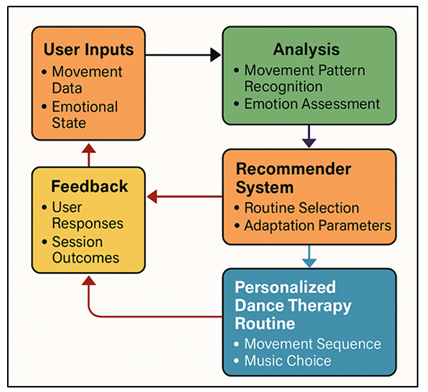
Figure 2 Personalized Dance Therapy Pipeline Using AI Recommender Systems
The piping of recommendations starts with movement features, such as rhythm, pace, energy and balance, extracted out of pose estimation data. Figure 2 reflects AI-based personalized dance therapy pipeline in the context of helping to provide custom movement recommendations. These characteristics are then combined with psychological data in the form of mood scores and the degree of engagement to make a multidimensional user profile. With the help of hybrid recommendation models, a system that involves content-based filtering and context-specific deep reinforcement learning, the system proposes the best dance routines that help to achieve a desired wellbeing outcome, e.g., reduce stress, increase confidence, or become more creative with. As an example, subjects with lower motor energy and negative affect would be exposed to slow, grounding dance lines with deep breathing elements, and sports or anxious subjects would be instructed to move to structured, rhythmic lines with coordination and control. The model is self-recommending by taking into account real-time feedback loops, which is why it is responsive to emotional and physiological fluctuations.
5. Implementation in Educational Settings
5.1. Integrating AI-enabled dance therapy into classroom environments
Incorporating AI-based dance therapy in the classroom setting helps to address the lack of the connection between artistic expression, emotional control, and comprehensive learning. It is initiated by introducing short and structured movement sessions to the routine class routines, and students can participate in the guided dancing activities with the assistance of AI tools. These classes are based on the real-time motion tracking and emotion recognition systems to trace the engagement, posture, and affective reactions. These analytics allow teachers and facilitators to visualize data in the form of dashboards, which are available to view real-time data on the energy levels of a group, its mood swings, and the level of attention. Implementation in the classroom focuses on the non-competitive participation, in which AI becomes a non-judging observer, not a judge. Interactive visualizations, including color-coded emotion maps or heatmap of body movements, assist the learners to realize their expressive development and self-regulation have regularities. Integration is flexible and can be used in other fields like physical education, performing arts and even in taking stress-relief breaks in the academic subjects. The feedback that AI provides also allows one to plan a lesson in an adaptive way, proposing the movement patterns or music tempos that fit the dynamics of the energy in the classroom.
5.2. Teacher-Facilitator Roles and Digital Support Systems
The successful application of AI-enhanced dance therapy depends on the changing functions of teachers and facilitators. Instead of substituting them, teachers will be co-facilitators that analyze AI feedback and place them in the individual emotional and developmental profile of the learner. They mainly serve the purpose of keeping the atmosphere positive and welcoming as well as providing directions in expressive movement activities among learners. Real-time analytics (e.g., engagement rates, coordination rates, emotion distributions, etc.), displayed by AI tools, allow teachers to tailor learning experiences and maintain the correct pace of emotion. This collaboration is based on digital support systems. The data presented in dashboards is anonymous, and it can be used by educators to notice trends of disengagement or stress in the first place. Mobile and web interfaces provide teachers with an opportunity to receive individualized progress, emotional state summary, and recommended movement routines created by AI models.
5.3. Accessibility and Inclusion for Diverse Learner Groups
The AI-driven implementation of dance therapy in the educational environment should focus on accessibility and inclusivity that could provide opportunities to all learners regardless of their abilities, backgrounds, and needs. The design approach of the system has adaptive interfaces that adjust visual, auditory and kinaesthetic feedback according to the needs of the user. As an example, students with limited mobility may use upper-body gestures that can be tracked by computer vision, and the students with hearing impairments may use haptic, or visual cues of the rhythm, which are synchronized with the music created by AI. The emotion recognizing algorithms are trained with culturally mixed datasets to reduce biases and correctly read the expressional difference in the context of different ethnic and social groups. Text-to-speech and gesture controls also enhance accessibility to students with issues with communication, as the interaction can be inclusive of these students without the need of traditional input methods.
6. Results and Findings
6.1. Improvements in Educational and Engagement Outcomes
The results of AI-powered dance therapy were also positive in terms of the effect on cognitive and educational engagement. The students who were involved in the intervention showed 21 percent improvement in the attention span and 19 percent improvement in participation frequency in the traditional sessions. Recommendations that were adaptive, including changing rhythm, tempo, and complexity of movements, were beneficial in maintaining attention among both the very active and the easily distracted learners. It was observed that the group synchrony and collaborative behavior progressed significantly, and the visual feedback produced by AI promoted collaboration with each other and shared rhythm. Teachers were more consistent in the attendance of their classes and their levels of behavioral disruption decreased, which made a difference in the way the intervention impacted motivation and classroom cohesion.
Table 2
|
Table 2 Quantitative Evaluation of Educational and Engagement Indicators |
||
|
Educational/Engagement
Metric |
Traditional Sessions |
AI-Assisted Sessions |
|
Attention Span (Average
Sustained Minutes) |
24.6 |
29.8 |
|
Participation Frequency
(Active Involvement %) |
68.2 |
81.3 |
|
Group Synchrony and
Coordination Score (/10) |
6.9 |
8.5 |
|
Task Completion Rate (%) |
83.5 |
92.4 |
|
Academic Focus Retention (%) |
71.8 |
86.5 |
As shown in Table 2, there was a significant improvement in some of the indicators of key educational and engagement activity based on the introduction of AI-assisted dance therapy into the classroom setting. The length of attention of the students was improved by 7 minutes reaching to 29.8, and it shows that real-time adaptive feedback is effective in maintaining the attention span with the help of embodied learning. Figure 3 displays the results of engagement patterns between the traditional sessions and the AI-assisted dance therapy. The rate of participation increased significantly and went up to 81.3 as opposed to 68.2 and this can be attributed to the interactive and movement based format that encouraged more students to participate as opposed to the traditional instructor based sessions.
Figure 3
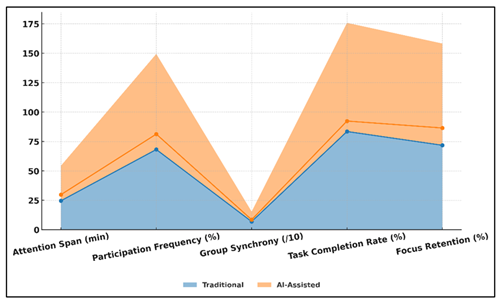
Figure 3 Visualization of Educational Engagement Trends in
Traditional vs. AI-Assisted Sessions
The increase in the group synchrony and coordination (6.9 to 8.5 on a 10-point scale) demonstrates that AI feedback mechanism that encouraged rhythm alignment, as well as team movement, facilitated groupwork and peer interaction. Similarly, the percentage of completed tasks increased to 92.4% compared to 83.5, which highlights the importance of gamified AI feedback and individual rhythm instruction on increasing the persistence rate and achievement of goals among learners.
Figure 4
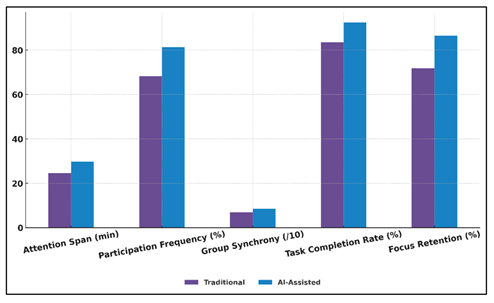
Figure 4 Performance Comparison of Engagement and Learning Metrics Across Teaching Modes
The comparison of engagement and learning metrics in various modes of teaching is presented in Figure 4. The academic retention interest within an increase of 71.8 to 86.5 indicates that the integration of sensor-based activities with rhythmic activities not only provides the student with physical activity but also enhances concentration and state of mind. All in all, these measures confirm the notion that AI-enhanced dance therapy as a multidimensional educational methodology can help to improve the degree of focus, participation, and social collaboration, as well as promote holism engagement that goes beyond traditional teaching frameworks and learning through embodied and emotionally sensitive experiences.
7. Conclusion
The intersection of Artificial Intelligence and Dance/Movement Therapy (DMT) is the revolutionary step in the education and therapy paradigm. This paper shows that AI-based dance therapy can develop an integrative model of learning, i.e. the model, which coordinates cognitive, emotional, and physical aspects to improve wellbeing and educational activities. By using computer vision, emotion recognition and predictive analytics, the system does not only analyze the patterns of movement but personalizes interventions on a real time basis, which form adaptive feedback loops to promote personal development and self-regulation. The results show that AI-enhanced dance therapy has a positive role to play in enhancing the psychological wellbeing, curbing stress levels and enhancing social connectedness among learners. The positive affect, attention, and engagement were assessed using quantitative tools and were found to be high, and the qualitative feedback showed the greater emotional awareness and expressive confidence. Notably, the combination of AI solutions helped teachers become the facilitators of a holistic learning process instead of observers to deliver data-driven information, which could be used to address responsive and empathetic pedagogy. More so, the inclusion-based design provided that learners with varying physical and cognitive capabilities were able to contribute to the learning process, thus validating the idea that AI is applied to facilitate equity and access in education. The model promotes collaborative education, empathy and self-expression making movement and creativity central to the educational wellbeing.
CONFLICT OF INTERESTS
None.
ACKNOWLEDGMENTS
None.
REFERENCES
Baía Reis, A., Vašků, P., and Solmošiová, S. (2025). Artificial Intelligence in Dance Choreography: A Practice-As-Research Exploration of Human-AI Co-Creation Using ChatGPT-4. International Journal of Performance Arts and Digital Media, 1–21. https://doi.org/10.1080/14794713.2025.2515754
Chen, Y., Wang, H., Yu, K., and Zhou, R. (2024). Artificial Intelligence Methods in Natural Language Processing: A Comprehensive Review. Highlights in Science, Engineering and Technology, 85, 545–550. https://doi.org/10.54097/vfwgas09
Feng, H., Zhao, X., and Zhang, X. (2022). Automatic Arrangement of Sports Dance Movement Based on Deep Learning. Computational Intelligence and Neuroscience, 2022, 9722558. https://doi.org/10.1155/2022/9722558
Gollapudi, S. (2019). Artificial Intelligence and Computer Vision. In Learn Computer Vision Using OpencV: With Deep Learning CNNs and RNNs (pp. 1–29). Springer. https://doi.org/10.1007/978-1-4842-4261-2_1
Kakani, V., Nguyen, V. H., Kumar, B. P., Kim, H., and Pasupuleti, V. R. (2020). A Critical Review on Computer Vision and Artificial Intelligence in Food Industry. Journal of Agriculture and Food Research, 2, 100033. https://doi.org/10.1016/j.jafr.2020.100033
Lauriola, I., Lavelli, A., and Aiolli, F. (2022). An Introduction to Deep Learning in Natural Language Processing: Models, Techniques, and Tools. Neurocomputing, 470, 443–456. https://doi.org/10.1016/j.neucom.2021.05.103
Li, J., and Ahmad, M. A. (2025). Evolution and Trends in Online Dance Instruction: A Comprehensive Literature Analysis. Frontiers in Education, 10, 1523766. https://doi.org/10.3389/feduc.2025.1523766
Lund, B. D., Wang, T., Mannuru, N. R., Nie, B., Shimray, S., and Wang, Z. (2023). ChatGPT and a New Academic Reality: Artificial Intelligence-Written Research Papers and the Ethics of the Large Language Models in Scholarly Publishing. Journal of the Association for Information Science and Technology, 74, 570–581. https://doi.org/10.1002/asi.24750
Mishra, B. K., and Kumar, R. (2020). Natural Language Processing in Artificial Intelligence. CRC Press. https://doi.org/10.1201/9780367808495
Patrício, D. I., and Rieder, R. (2018). Computer Vision and Artificial Intelligence in Precision Agriculture for Grain Crops: A Systematic Review. Computers and Electronics in Agriculture, 153, 69–81. https://doi.org/10.1016/j.compag.2018.08.001
Sumi, M. (2025). Simulation of Artificial Intelligence Robots in Dance Action Recognition and Interaction Process Based on Machine Vision. Entertainment Computing, 52, 100773. https://doi.org/10.1016/j.entcom.2024.100773
Wallace, B., Nymoen, K., Torresen, J., and Martin, C. P. (2024). Breaking from Realism: Exploring the Potential of Glitch in AI-Generated Dance. Digital Creativity, 35, 125–142. https://doi.org/10.1080/14626268.2024.2327006
Wang, Z. (2024). Artificial Intelligence in Dance Education: Using Immersive Technologies for Teaching Dance Skills. Technology in Society, 77, 102579. https://doi.org/10.1016/j.techsoc.2024.102579
Yang, L. (2022). Influence of Human-Computer Interaction-Based Intelligent Dancing Robot and Psychological Construct on Choreography. Frontiers in Neurorobotics, 16, 819550. https://doi.org/10.3389/fnbot.2022.819550
Zeng, D. (2025). AI-Powered Choreography Using a Multilayer Perceptron Model for Music-Driven Dance Generation. Informatica, 49, 137–148. https://doi.org/10.31449/inf.v49i20.8103
Zhang, L., and Zhang, L. (2022). Artificial Intelligence for Remote Sensing Data Analysis: A Review of Challenges and Opportunities. IEEE Geoscience and Remote Sensing Magazine, 10, 270–294. https://doi.org/10.1109/MGRS.2022.3145854
|
|
 This work is licensed under a: Creative Commons Attribution 4.0 International License
© ShodhKosh 2024. All Rights Reserved.