ShodhKosh: Journal of Visual and Performing ArtsISSN (Online): 2582-7472
|
|
Social Media Analytics in Contemporary Art Promotion
Dr. Pooja Bhatt 1
 ,
Swati Chaudhary 2
,
Swati Chaudhary 2 , Dr. Shweta Joglekar
3
, Dr. Shweta Joglekar
3 , Vidyashree S M 4
 , Sakshi Pandey 5
 , Ashmeet Kaur 6
1 Assistant
Professor, Department of Computer Science and Engineering, Faculty of
Engineering and Technology, Parul Institute of Engineering and Technology,
Parul University, Vadodara, Gujarat, India
2 Assistant
Professor, School of Business Management, Noida International University,
Greater Noida, Uttar Pradesh, India
3 Assistant Professor, Bharati
Vidyapeeth (Deemed to be University), Institute of Management and
Entrepreneurship Development, Pune, India
4 Assistant Professor, Department of
Computer Science and Engineering, Presidency University, Bangalore, Karnataka,
India
5 Centre of Research Impact and
Outcome, Chitkara University, Rajpura, Punjab, India
6 Chitkara Centre for Research and
Development, Chitkara University, Himachal Pradesh, Solan, India
|
|
|
ABSTRACT |
|
|
Social media
is a new phenomenon in the marketing and distribution of modern art in the
digital era. Instagram, X (previously Twitter), Tik Tok and Facebook have
transformed the experience of artist, gallery and institution interaction
with the global audience. This research examines how the social media
analytics support modern art promotion with a particular focus on how
data-driven insights can be used to make creative and marketing choices.
Knowing the audience behaviour, sentiment and engagement metrics, artists and
curators are able to optimise on what they communicate, get maximum
visibility and judge the campaign success in real time. In the article, the
current literature on the topic of digital art marketing is reviewed and the
way analytics tools (Meta Insights and Google Analytics) can be utilized to
monitor the performance in terms of the primary metrics, such as impressions,
reach, shares, and click-through rates. The paper discusses the place of
analytics in fuelling artistic outreach and commercial success by employing a
mixed methods research design incorporating content analysis, surveys and
interviews to examine the connection between this concept and the other
components of organizational strategy. Results indicate that the effective
application of analytics is not only a better way to engage, but also attains
inclusive and sustainable digital art communities. Yet, there are still
difficulties associated with the interpretation of data, algorithmic bias,
and other ethical aspects of personal data use. The conclusion of the paper
is that the incorporation of social media analytics into art marketing
systems can help artists and institutions to make decisions based on
information, meet the demands of the audience, and survive in the changing digital
landscape of modern art advertising. |
|||
|
Received 13 February 2025 Accepted 07 May 2025 Published 16 December 2025 Corresponding Author Dr. Pooja
Bhatt, pooja.bhatt28403@paruluniversity.ac.in
DOI 10.29121/shodhkosh.v6.i2s.2025.6738 Funding: This research
received no specific grant from any funding agency in the public, commercial,
or not-for-profit sectors. Copyright: © 2025 The
Author(s). This work is licensed under a Creative Commons
Attribution 4.0 International License. With the
license CC-BY, authors retain the copyright, allowing anyone to download,
reuse, re-print, modify, distribute, and/or copy their contribution. The work
must be properly attributed to its author.
|
|||
|
Keywords: Social Media Analytics, Contemporary Art Promotion,
Audience Engagement, Digital Marketing, Data-Driven Strategy |
|||



1. INTRODUCTION
1.1. Background of contemporary art promotion
Modern art promotion has taken a much different form than the old gallery show and print catalogs and now it is a complex digital ecosystem that inter-relates artists and audience around the globe. In the past, promotion of art depended on the physical space, art fairs, museum affiliation and reviews in specialized journals. The avenues though powerful tended to restrict access to locally geographically and elite audiences. Conversely, the late twentieth and early twenty-first centuries have seen a rise in the modes of accessing and enjoying art with artists taking more initiative to promote themselves through individual means and attract various audiences. The transformation of self-representation and direct contact with the audience transformed the role of the artist not only as the creator but as the active communicator of the culture. The shift is an indication of larger social and technological changes that opened the world of art to democratization and institutional barriers that enabled up-and-coming artists to be noticed outside the traditional gatekeepers Agüero-Torales et al. (2021). Such an expansive promotion focus explains why artists and galleries need to consider new tools, in particular, those that can deliver quantifiable information about audience behavior. Contemporary art scene is therefore a hybrid environment-the convergence of creativity, technology and marketing to influence the perception of art, its value and sustainability in the world Zhang et al. (2022).
1.2. Rise of digital platforms and social media
Emergence of digital platforms and social media has transformed the manner in which modern art is marketed, disseminated and consumed. Instagram, X (previously Twitter), Tik Tok, facebook, and YouTube are now crucial platforms of artistic visibility and discussion. These platforms are also immediate, accessible and interactive unlike the traditional media; artists are able to reach out to the audience without any intermediaries such as institutions. Figure 1 illustrates the incorporation of analytics of data to promote the contemporary art. Presentation of art has been redefined in visual-based platforms such as Instagram, especially where post, story and reel has become a virtual gallery which does not limit the scope within geographical or cultural boundaries.
Figure 1
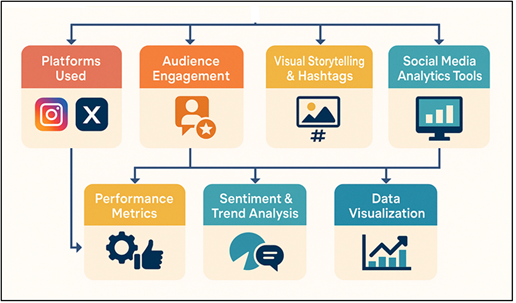
Figure 1 Model of Analytics Integration in Contemporary Art
Promotion
Process based work, real time communication, and building a following of fans is now achievable by artists through consistent online presence. In addition, the algorithmic nature of social media enhances findability by connecting the artists to communities of interest, as denoted by the hashtags, trends and user-generated content Jang et al. (2021). This participatory culture creates collaborative creativity, in which the audience is now an active participant in the meaning-making and promotion. In the case of galleries and institutions, social media analytics can provide quantifiable information on the demographics of a viewer, their level of engagement, and reach, which informs promotional spending and content marketing decisions.
2. Related Work
The studies of the overlap between social media analytics and the modern art promotion have begun to grow significantly over the recent years as the extent of the platform recognition of digital media as a potent tool of cultural propagation increases. The initial research on art marketing like the works by Fillis and Kotler and Scheff highlighted the contribution of marketing strategies in creating the image of art institutions in the minds of the populace. Nevertheless, these frames were created before the digital revolution and did not consider the participatory nature of social media altogether. Later research, such as by Giuffre and Velthuis discussed the effects of online visibility on artistic status and career paths, especially through social validation, as in the form of followers, likes, and shares Yang et al. (2024). The modern literature is introducing more and more data analytics into these debates, and is focused on the importance of quantifiable engagement to shape the creativity and promotion decisions. Research by Highfield and Leaver and Manovich explored the algorithmic quality of such platforms as Instagram and Tik Tok in terms of the impact of content aesthetics and posting habits on visibility. These pieces highlight the idea that digital metrics, impressions, engagement rates, and retention among the audience are examples of cultural impact in order to form not only the perception but also the marketability of art Li et al. (2023). Besides, studies in digital humanities recommend the utilisation of computational methods to examine discourse in online art, identify tendencies, mood, and networked exchanges in artistic circles. Data-oriented studies have also addressed galleries and museums, considering how social media analytics can be used by institutions to develop audiences and reach them. As an example, Villaespesa revealed that museums with strategies based on analytics had more engagement online and diversified participation of the audiences Wang et al. (2024). Table 1 presents major studies that provide the summary of social media analytics that can be used in art promotion. Nevertheless, even in the context of such developments, there are still gaps in the knowledge of the ethical and interpretative aspects of data-driven art promotion. It remains a dispute among scholars whether quantitative measures can be sufficient to measure the subtle emotional and aesthetic experience of art audiences.
Table 1
|
Table 1 Summary of Related Work on Social Media Analytics in Contemporary Art Promotion |
|||
|
Methodology |
Key Findings |
Contribution to Field |
Limitations |
|
Qualitative review |
Marketing viewed as creative
practice |
Established early foundation
for art marketing studies |
Pre-digital; lacks social
media context |
|
Conceptual framework |
Cultural marketing principles |
Introduced strategic planning for art institutions |
Predates digital transformation |
|
Case study Zhong et al. (2023) |
Networks influence artistic
visibility |
Linked art success with
digital community formation |
Limited quantitative
evidence |
|
Mixed methods |
Online presence affects career advancement |
Highlights reputation as digital capital |
Focused on established artists only |
|
Digital ethnography Wei et al. (2022) |
Aesthetics and posting
patterns impact reach |
Analyzed platform algorithms
and art trends |
Lacks focus on commercial
outcomes |
|
Computational analysis |
Algorithmic curation shapes digital art visibility |
Applied big data to cultural research |
Technical, limited human context |
|
Theoretical discourse |
Art and computation converge |
Bridged technology and art
analysis |
No empirical case studies |
|
Conceptual |
Digital data as creative material |
Advocated integration of data tools in art research |
Abstract, lacks applied context |
|
Quantitative study Xing (2024) |
Analytics increase museum
audience diversity |
Applied analytics to
institutional marketing |
Limited to museum sector |
|
Surveys |
Digital tools improve access and inclusion |
Linked online engagement to cultural democratization |
Pre-analytics era; low metric focus |
|
Theoretical Zhang et al. (2023) |
Artists act as self-brands
through data presentation |
Explains identity and
performance in art markets |
Focuses more on branding
than analytics |
|
Literature review |
Art markets evolving with digitalization |
Connects marketing theory to creative industries |
Insufficient data on engagement analytics |
|
Case study Ronzhyn et al. (2023) |
User participation enriches
cultural discourse |
Early example of
community-driven promotion |
Limited scalability |
|
Cultural analysis |
Audience co-creation drives art visibility |
Theorized participatory engagement in arts |
Lacks data-driven evaluation |
3. Role of Social Media in Contemporary Art Promotion
3.1. Platforms used by artists and galleries (Instagram, X, TikTok, etc.)
The social media networks have become the important tool that artists and galleries can use to increase their visibility, create audiences, and professional networks. Instagram is the most influential of them because its design is image-centric and thus fits perfectly well with the visual character of art. Instagram is also used by artists to showcase artworks, capture their creative practices and studio experience, and reflect on themselves, which forms a more close relationship with followers Du et al. (2024). X (previously Twitter) is the platform of the instant conversation, critical reviews and cross-disciplinary communication within the art community where one can exchange their ideas and engage in the global discussion through threads and hashtags. Meanwhile, Tik Tok has become a vibrant platform of short-form video storytelling, in which artists take advantage of trends and soundscapes, as well as use time-lapse effects to make the artistic process more human and access younger audiences. Facebook and YouTube still offer more long-form interactivity, which also allows promoting events, livestreaming, and video essays Shen et al. (2022). Also, LinkedIn and Behance are professional networks and portfolio sites, which serve as career opportunity and partner-finding websites to art professionals.
3.2. Evolution of audience engagement strategies
The social media has led to engagement in the contemporary art by the audience through participation rather than mere observation of the painting. Previous modes of art interest were limited to exhibitions, criticism and printed media where the audience were spectators. In comparison, the modern digital platforms allow two-way communication where audiences can like, comment, share, and co-create content Gudka et al. (2023). Interactive storytelling, behind-the-scene content, and live-streaming events have now become the norms of the artists and galleries to promote real-time conversations and inclusivity. The shift to conversational marketing also influences the relationships between the audience and the media as it converts the traditional promotional broadcasting to the dynamic community based on similar aesthetics and shared values. The interaction can also be promoted with the help of tools like polls, questions and answers, and challenges with the audience where creative interaction is promoted. Data analytics applications enable creators to understand the patterns of behavior, when people tend to interact the most, and how to design content plans to meet the needs Pang et al. (2022). In addition, algorithmic recommendations are more engaging because they offer related content to users interested in the same areas streams, thereby increasing reach in an organic manner.
3.3. Impact of visual storytelling and hashtags
Showcasing of art in social media has become a major aspect of art promotion using visual storytelling and strategic use of hashtags. It is the audience of the digital that is attracted to narratives that go beyond the status of a fixed image: stories that demonstrate artistic purpose, process, and feeling. Visual storytelling allows artists to create immersive experiences by sorting posts in series, with reels or decreasing videos, and publishing collection series to convey individual and cultural backgrounds Mahalingham et al. (2023). Hashtags, conversely, are utilized as discovery and organization tools in the digital ecosystems. They make it more visible by classifying content into niche and global community topics that can be searched Corradini et al. (2021b). In one instance, creators and consumers can be connected to each other using tags such as ContemporaryArt, DigitalArtist or ArtCollector and local participation by using tags such as Local. Analytics-driven strategic hashtagging can be used to a great effect to increase reach and algorithmic placement, making sure that content is visible in the relevant art circles.
4. Social Media Analytics Tools and Techniques
4.1. Overview of major analytics platforms (Meta Insights, Google Analytics, etc.)
The social media analytics systems have gained a necessary role in tracking, understanding and improving the results of the art promotion campaigns. Meta Insights, including Facebook and Instagram, provides specific insights into the audience demographics, post reach, and engagement and conversion rates, and artists and galleries can see which visual formats can be the most effective. On the same note, Google Analytics offers website and referral tracking, which can be used to gauge the effectiveness of social media activity in terms of translating into a visit of the website, portfolio view, or an online sale Corradini et al. (2021a). The video-based art promotion with the help of YouTube Analytics provides the metrics of watch time, audience retention, and geographic distribution that allow creators to comprehend their behavioral patterns as well. TikTok Analytics, an analytics platform, is an analytics centered on trends, showing the growth of followers, the reach of content, and the performance by sound or hashtag, helping artists become more culture responsive in their production. Multi-platform analytics and insights are aggregated in other platforms, such as Hootsuite, Buffer, and Sprout Social, and allow comparison of insights to make strategic decisions. These analysis tools also enable its users to determine the content that has performed well, how to schedule their posts, and how to predict the engagement patterns. Figure 2 presents the mainstream analytics platforms that can facilitate data art promotion of contemporary art. In the case of galleries and institutions, analytics can be used to determine the effectiveness of exhibitions, online campaigns, and partnerships.
Figure 2

Figure 2 Overview of Key Analytics Platforms Used in Art
Promotion
Altogether, the convergence of these platforms fills the gap between creativity and data science, i.e., the subjective appreciation becomes a quantifiable influence. With the help of these systems, artists are able to not only expand the reach but also develop informed strategies in accordance with how people behave and trends in the digital market.
4.2. Metrics for performance measurement (likes, shares, impressions, CTR)
The effectiveness of performance measurement of social media art promotion depends on a list of measurable metrics that can bring information about the interaction of the audience and the effectiveness of the content. The likes and the reaction is instant appreciation by the audience which presents the aesthetic resonance at the surface level. Shares however expand this effect by showing approval among the audience and increasing the visibility of the content by people beyond the early followers, and serves as digital word-of-mouth. Comments deliver qualitative feedback in terms of sentiment among the audience and the level of engagement that the viewers have with the artwork, which gives an artist a sense of how they are perceived to interpret the work. The visibility, i.e. how many times content has been viewed and how many individuals have been uncovered by it, is captured by impressions and reach, indicating the influences of algorithmic amplification and audience penetration. The Click-Through rate (CTR) is a vital indicator that shows the connection between engagement and action, the number of viewers who move out of social sites to outer sites, online galleries, online stores, or online portfolios. Also, such metrics as follower growth, engagement rate, and story views demonstrate the case of audience retention and loyalty trends over time. Such quantitative measures are usually accompanied with qualitative analysis which could be audience feedbacks or quality of interaction in order to develop a holistic view of impact.
4.3. Sentiment and trend analysis in art discourse
Sentiment and trend analysis provide a useful spotlight or depiction of how the people perceive, talk, and their changing interests in the art world. Sentiment analysis uses natural language processing (NLP) to identify online discussions as positive, negative, or neutral to enable artists and galleries to evaluate the degree to which the audience emotionally reacts to particular works, exhibitions or campaigns. Sentiment data provides a view of the hidden attitudes of the audience on the artistic style, subject matter, or brand persona through content observation by comments, mentions, and hashtags. As an illustration, the upsurge in positive sentiment could be linked to the exhibitions that are well-received, whereas the opposite effect could be observed in the controversial topics or ineffective communication. Trend analysis, however, is used to recognize repetitive trends of the engagement: monitoring which subject, style, or aesthetic of the visual content is prevailing in the online discourse. The tools like Brandwatch, Talkwalker, and Google Trends allow users to track the emerging interests and predict the cultural changes, which impact the relevance of art. Viral hashtags or style movements are now recognized in the promotion of contemporary art, and by using them, artists can place their works in the digital conversation that is already taking place without affecting their authenticity.
5. Methodology
5.1. Data collection methods (content analysis, surveys, interviews)
The researchers used a mixed-methodology approach, which involved the use of content analysis, surveys, and semi-structured interviews in order to collect the necessary comprehensive data on the application of social media analytics in the contemporary promotion of art. Content analysis consisted of a systematic analysis of the social media pages of artists and galleries, especially on Instagram, X, and Tik Tok, to determine the regularities in the frequency of posting, measures of engagement, and the representation of the themes. The quantitative aspects of the likes, shares, comments, and follower growth were tracked, and the qualitative aspects of the communication process like the tone, visual appeal, and narrative style were evaluated to comprehend the communicative strategies. To complement this, there were online surveys that were sent to the artists, curators, and digital marketers to find out their perceptions, motivation, as well as experiences with analytics tools. Both closed-ended and open-ended questions were used in the survey; thus, providing both statistical summaries and descriptive information. Also, a semi-structured interview with the selected members of various art backgrounds was performed to examine how more in-depth we can look at data-driven decision-making. Interviews gave background information on the role of analytics in creative autonomy, promotional decisions, and relationships with audiences.
5.2. Sampling criteria (artists, galleries, platforms)
Sampling strategy was meant to be representative and diversified in its understanding of contemporary art promotion in the various social and cultural contexts. Individual artists, gallery administrators, and social media managers that engaged in marketing art were used as a target population. The approach chosen was a purposive sampling method, and participants were selected using the criterion of an active user of the social media platform and analytics tools. Artists were selected with difference in career stages i.e. emerging, mid-career and established to observe the distinction in digital expertise and advertising goals. In a similar manner, galleries were of all size, independent studios and large institutional spaces, to cover the art market practice spectrum. Platform choice was targeted at the most impactful and data-driven experiences: Instagram as the visual story-telling platform, Tik Tok as the trend-based interaction platform, and X (previously Twitter) as the platform of art discussion and networking. Also, Facebook and YouTube were mentioned because they are relevant in promoting the event and disseminating long-form content. The article took into account the differences in terms of geography as well as the genre diversity, such as participants of the urban art scene and digital artists who operate in the realm of mixed media. Sampling was done until the process of data saturation was reached, that is, the situation where no new patterns were learned by adding more participants.
5.3. Analytical framework for data interpretation
The analysis model was a combination of analysis of quantitative statistical data and qualitative data interpretation, through which meaningful information would be obtained based on the data obtained. Content analysis and survey results were quantified using descriptive statistics to quantify the frequency distributions, the frequency of engagement and the correlation patterns of platform use and audience response. The number of likes, shares, impressions and click through rates were analyzed to determine the effectiveness of different promotional strategies. The combination of both approaches was done in a convergent parallel design where quantitative and qualitative results were discussed individually and then cross-validated.
6. Findings and Discussion
6.1. Patterns in audience engagement across platforms
The evaluation of the audience engagement on the social media showed that the behavioral patterns were specific to the content format, the platform design, and the audience demographics. The Instagram proved to be the most engaged with the visual content in the form of artworks, process videos, and behind-the-scenes stories. Such features as reels and stories stimulated a short but intensive interaction, whereas posts with personal thoughts or creative processes promoted long-term loyalty. The TikTok platform with its discovery-based nature provided artists with a wider reach, via trends, challenges, and sound storytelling. The fact that it was viral helped upcoming musicians who wanted to be known outside their own circles. Contrarily, X (previously Twitter) was more of Professor-to-Professor intellectual exchange with discussions, critiques, and sharing of ideas, thus was not popular with the general audiences. Facebook and YouTube showed moderate and consistent interaction, which was mostly interested in marketing the event and educational information. Statistical evidence indicated that multimedia and interactive posts always showed better results in comparison to unchanging pictures in all platforms, which leads to the significance of storytelling and involvement. It is also time-sensitive as far as audience engagement is concerned- it was at its peak during particular posting times and periods of exhibition. Figure 3 illustrates the variations on engagement across platforms, which demonstrate differences in behavior of the audience in interacting. Altogether, the patterns of engagement indicate that the audiences react the most favorably to authenticity, visual storytelling, and regular contact.
Figure 3
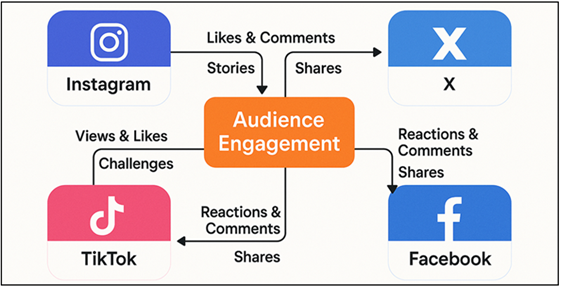
Figure 3 Comparative Engagement Patterns Across Social Media
Channels
The findings herein point out that platform-specific strategies, which are facilitated by analytics, help artists and galleries to match the creative expression with the demands of the audience to ensure the greatest visibility and emotion appeal in the online environments.
6.2. Influence of analytics on promotional decision-making
The results showed that social media analytics was very important in influencing promotional activities and decision-making by artists and galleries. The acquired data provided by the metrics of reach, impressions, engagement rates, and click-through rates enabled practitioners to assess the effectiveness of a campaign and modify the content in real time. Artists claimed to use Instagram Insights and Tik Tok Analytics to determine posts that are most successful, when they should post, and what their audience is like. The feedback loop was based on data and dictated aesthetic and thematic decisions, usually prompting creators to modify the visual format or use popular hashtags that meet the interest of the audience.
6.3. Challenges and ethical considerations
Despite the benefits that can be offered with the help of social media analytics to create a revolutionary advantage, it is also accompanied by certain threats and serious ethical concerns related to promoting art. One of the main points was raised in the shape of the pressure of algorithmic conformity according to which artists change creative expression to one of the platform algorithms which favors specific formats or types of engagement. This is a threat of homogenization of artistic heterogeneity, and the advocacy of content which has been standardized to be perceived and not innovative. Besides, the issue of data privacy and consent was also raised because analytics is premised on the monitoring of a crowd and the profiling of behavior which questions the ethical application of information in the cultural industries. The respondents also had concerns on how personal interaction is becoming commodified- and the emotional interaction is quantified and monetized. Another issue with growing inequity due to the use of the algorithm is the fact that visibility algorithms prioritize users who have existing followings or paid posts over the upcoming artists. The second barrier is the confusion of the information according to which the application of the quantitative data may conceal the qualitative character of the art influence. There were also raised mental stress of being monitored with regard to constant performance because artists have reported feeling anxious because of the ever shifting engagement numbers.
7. Implications for Artists and Art Institutions
7.1. Strategies for optimizing online visibility
A trade-off between online strategy action and creative integrity is required in order to make the best use of online presence. Platform-based approaches also require the artists and institutions to adopt changing the content to fit the visual and interactive medium. Instagram contains good quality of photos and a schedule with the use of the corresponding hashtags and it contributes to a better level of discoverability. Tik Tok is rewarding any types of creation and exercise trends and telling short stories, and in contrast, YouTube and Facebook can offer an in-depth engagement tool in the form of tutorials and walks through exhibitions and live sessions. It is further boosted by the use of data-driven scheduling which is posting when the majority of people are the most active, based on the analytics. Cross-platform integration enhances visibility as well by linking audiences across channeling them to other channels to have a cohesive online presence. Also, we can work with influencers, curators, and art collections to expand the reach of the audience via mutual networks. Having a unified visual look and a voice on the storytelling across platforms builds brand knowledge and credibility. Nevertheless, visual maximization should not be at the expense of artistic purity; the content should be authentic and consistent with the idea of the author. Through a clever approach to creativity and analytics, artists and institutions will be able to overcome the restrictions of algorithms and create attention to the audience over time.
7.2. Integration of analytics in creative marketing
The use of analytics in creative marketing helps artists and institutions to combine evidence-based strategy with intuition. Through the interpretation of the metrics like engagement rates, reach, and sentiment, practitioners should be able to make improvements on campaigns without compromising artistic credibility. Such analytics tools as the Meta Insights, Hootsuite, and Google Analytics are useful in recognizing the demographics and behavioral patterns of the audience and making decisions about the tone, the format, and the frequency of the content. Instead of considering analytics as limiting, they should be adopted as innovative tools that help to realize what the audiences feel. As an illustration, a theme or visual style that results in the creation of more successful posts can be examined and inform future artistic presentation in a more specific, though not prescriptive way.
7.3. Building sustainable digital communities around art
Digital communities that are sustainable are essential in long-term development and participation in digital art ecosystems. Such communities are built on reciprocity, genuineness, and mutual values between creators and followers, unlike transient audiences. Such networks can be nurtured by artists and institutions by developing dialogue by commenting, live shows, and interactive events that welcome co-creation on the part of the audience.
Figure 4
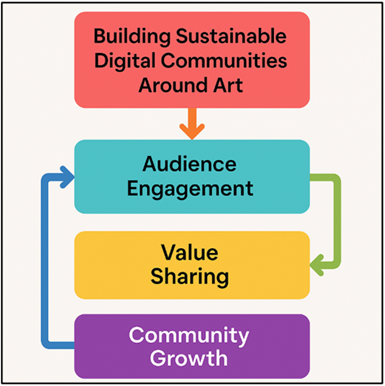
Figure 4 Process Flow for Establishing Sustainable Online Art
Communities
Regular narration and openness regarding the work of art forms help to build emotional relationships, making passive viewers act instead of being suppressors. In Figure 4, there are steps that can lead to the development of sustainable and engaged online art communities. The use of community-oriented characteristics, e.g., private groups, newsletters, or the Patreon-like membership, will also enhance the loyalty and maintain financial sustainability. Analytics is a prerequisite to finding the base areas of audiences and the participation trends, enabling creators to foster successful engagement instead of pursuing virality. Community sustainability is also based on diversity and inclusivity; having different voices and providing accessible content is the key to cultural relevance. Institutions, on their part, may leverage on social media as a means of connecting the local and global communities linking physical exhibits with the online audience.
8. Conclusion
The article on Social Media Analytics in Contemporary Art Promotion focuses more on the element of digital transformation that has brought back the relationship between creativity, audience interaction, and data-driven methodology. Some of these social media platforms include Instagram, Tik Tok, X and YouTube, which have turned out to be powerful platforms of cultural exchange where an artist and an institution can reach out to global audiences, as well as facilitate an interactive dialogue that is community-driven. The analytics that are used in this ecosystem provide an outstanding insight into the audience behavior, engagement patterns and content performance to implement promotional promotional tactics that are more informed and responsive. The findings indicate that in addition to the visibility, analytics also influences the creative and curatorial choices and bridges digital visibility and cultural influence and business success. However, these symbiosis of data and art also bring issues and the war between honesty and conformity is one of them. The future in the strategic approach of balancing intuition and empirical evidence lies in the case of artists and art institutions. By using analytics to enhance their artistic integrity, the practitioners will be in a position to generate viable digital communities that will be in a position to enjoy engagement and meaning. The new era of data thus beckons the new kind of digital literacy which is not only techno-savvy but also aesthetically reasonable
CONFLICT OF INTERESTS
None.
ACKNOWLEDGMENTS
None.
REFERENCES
Agüero-Torales, M. M., Salas, J. I. A., and López-Herrera, A. G. (2021). Deep Learning and Multilingual Sentiment Analysis on Social Media Data: An Overview. Applied Soft Computing, 107, Article 107373. https://doi.org/10.1016/j.asoc.2021.107373
Corradini, E., Virsino, D., and Virgili, L. (2021a). Investigating Negative Reviews and Detecting Negative Influencers in Yelp Through a Multi-Dimensional Social Network-Based Model. International Journal of Information Management, 60, Article 102377. https://doi.org/10.1016/j.ijinfomgt.2021.102377
Corradini, E., Virsino, D., and Virgili, L. (2021b). Investigating the Phenomenon of NSFW Posts in Reddit. Information Sciences, 566, 140–164. https://doi.org/10.1016/j.ins.2021.01.062
Du, K., Xing, F., Mao, R., and Cambria, E. (2024). Financial Sentiment Analysis: Techniques and Applications. ACM Computing Surveys, 56, 1–42. https://doi.org/10.1145/3649451
Gudka, M., Gardiner, K. L. K., and Lomas, T. (2023). Towards a Framework for Flourishing Through Social Media: A Systematic Review of 118 Research Studies. The Journal of Positive Psychology, 18, 86–105. https://doi.org/10.1080/17439760.2021.1991447
Jang, H., Rempel, E., Roth, D., Carenini, G., and Janjua, N. Z. (2021). Tracking COVID-19 Discourse on Twitter in North America: Infodemiology Study Using Topic Modeling and Aspect-Based Sentiment Analysis. Journal of Medical Internet Research, 23, e25431. https://doi.org/10.2196/25431
Li, X., Chan, S., Zhu, X., Pei, Y., Ma, Z., Liu, X., and Shah, S. (2023). Are ChatGPT and GPT-4 General-Purpose Solvers for Financial Text Analytics? A Study on Several Typical Tasks. arXiv.
Mahalingham, T., McEvoy, P. M., and Clarke, P. J. F. (2023). Assessing the Validity of Self-Report Social Media Use: Evidence of no Relationship with Objective Smartphone Use. Computers in Human Behavior, 140, Article 107567. https://doi.org/10.1016/j.chb.2022.107567
Pang, H., Qin, K., and Ji, M. (2022). Can Social Network Sites Facilitate Civic Engagement? Assessing Dynamic Relationship Between Social Media and Civic Activities Among Young People. Online Information Review, 46, 79–94. https://doi.org/10.1108/OIR-10-2020-0453
Ronzhyn, A., Cardenal, A. S., and Rubio, A. B. (2023). Defining Affordances in Social Media Research: A Literature Review. New Media and Society, 25, 3165–3188. https://doi.org/10.1177/14614448221135187
Shen, R.-P., Liu, D., Wei, X., and Zhang, M. (2022). Your Posts Betray You: Detecting Influencer-Generated Sponsored Posts by Finding the Right Clues. Information and Management, 59, Article 103719. https://doi.org/10.1016/j.im.2022.103719
Wang, Z., Xie, Q., Feng, Y., Ding, Z., Yang, Z., and Xia, R. (2024). Is ChatGPT a Good Sentiment Analyzer? A Preliminary Study. Arxiv.
Wei, J., Wang, X., Schuurmans, D., Bosma, M., Ichter, B., Xia, F., Chi, E., Le, Q., and Zhou, D. (2022). Chain-of-Thought Prompting Elicits Reasoning in Large Language Models. arXiv.
Xing, F. (2024). Designing Heterogeneous LLM Agents for Financial Sentiment Analysis. arXiv.
Yang, L., Chen, H., Li, Z., Ding, X., and Wu, X. (2024). Give us the Facts: Enhancing Large Language Models With Knowledge Graphs for Fact-Aware Language Modeling. IEEE Transactions on Knowledge and Data Engineering, 36, 3091–3110. https://doi.org/10.1109/TKDE.2024.3360454
Zhang, W., Deng, Y., Liu, B., Pan, S., and Bing, L. (2023). Sentiment analysis in the era of large language models: A reality check. arXiv. https://doi.org/10.18653/v1/2024.findings-naacl.246
Zhang, W., Li, X., Deng, Y., Bing, L., and Lam, W. (2022). A Survey on Aspect-Based Sentiment Analysis: Tasks, Methods, and Challenges. IEEE Transactions on Knowledge and Data Engineering, 35, 11019–11038. https://doi.org/10.1109/TKDE.2022.3230975
Zhong, Q., Ding, L., Liu, J., Du, B., and Tao, D. (2023). Can ChatGPT Understand Too? A Comparative Study on ChatGPT and Fine-Tuned BERT. arXiv.
|
|
 This work is licensed under a: Creative Commons Attribution 4.0 International License
© ShodhKosh 2025. All Rights Reserved.