ShodhKosh: Journal of Visual and Performing ArtsISSN (Online): 2582-7472
|
|
Investigating the Therapeutic Impact of Cinematherapy on Mental Health and Emotional Well-being Among Teens and College Students in Tamil Nadu
P. S. Padmavathy 1 , Dr. Prabakaran V. 2
1 Ph.D. Research Scholar- Part Time Internal, Assistant Professor, Department of Visual Communication, Faculty of Science and Humanitie, SRM Institute of Science and Technology, Ramapuram, Chennai, India
2 Professor and Head - School of Media Studies, Faculty of Science and Humanitie, SRM Institute of Science and Technology, Ramapuram, Chennai, India
|
|
|
ABSTRACT |
|
|
The
therapeutic potency of cinema has rarely been studied to explain its impact
on health, especially on discrimination against adolescents and youth. The
objective of this study is to analyse the impact of cinema on the emotional
health of individuals, focusing on coping and well-being, especially for the
youth. Respondents 16-24 years of age were surveyed independently using an
online questionnaire aimed at measuring emotional attachment to films,
watching habits and perceptions regarding the impact of cinema on their
psychological state. The analysis provided showed cinema played a pivotal
role in reducing their stress and respondents reported that emotionally,
films do affect them greatly and importantly change their mood. Most of the
respondents watched films as a means of recreation and for over 70% of them
films served as an important tool to relax after a stressful day providing
them an escape from reality. Furthermore, a sizable number of respondents
opined that they were able to gain emotional relief, catharsis and personal
development through the medium of the film, especially those cinemas that
portray their problems or view them from a different angle. The results
indicate that cinema is one of the most potent means of the emotional
problems for the youth because of issues that deeply touch them and those
using films one can interpose between raw stress and responsiveness with
ease. |
|||
|
Received 10 January 2025 Accepted 21 April 2025 Published 10 December 2025 Corresponding Author P. S.
Padmavathy, padmavap@srmist.edu.in DOI 10.29121/shodhkosh.v6.i1s.2025.6687 Funding: This research
received no specific grant from any funding agency in the public, commercial,
or not-for-profit sectors. Copyright: © 2025 The
Author(s). This work is licensed under a Creative Commons
Attribution 4.0 International License. With the
license CC-BY, authors retain the copyright, allowing anyone to download,
reuse, re-print, modify, distribute, and/or copy their contribution. The work
must be properly attributed to its author.
|
|||
|
Keywords: Critical Literacy, Graphic Novels, Indian Libraries,
Social Justice, Ciardiello’s Instructional Model |
|||



1. INTRODUCTION
Cinematherapy is a form of expressive therapy, which employs movies to alleviate emotional mending and personal well being. It depicts the psychological impact of storyline, characters in the movies, and situations portrayed in movies to help individuals to process their emotional stability, to gain self-awareness, and to develop coping mechanisms Hesley and Hesley (2001). As broadly accepted bibliotherapy, music therapy and art therapy, cinematherapy involves the intentional viewing of selected movies that connect with a person's emotional and psychological state Sharp et al. (2002). This contemporary form of therapeutic approach can be self-directed or guided by a skilled professional to handle any particular or any common mental health challenges, making it an effective tool in mental well being interventions Wedding and Niemiec (2014).
In this therapeutic process, Cinema uses the power of storytelling to engage audiences both emotionally and cognitively. Films, through their story, characters, narratives and conflicts, mirror real-life situations, connecting viewers to project their feelings and thoughts onto the screen and this process known as identification Dermer and Hutchings (2000). This identification allows the viewers to face up their own struggles indirectly, to experience self-reflection and emotional release. Moreover, the visual and auditory elements of movies energies different parts of the brain, creating a multisensory experience that can cope with the emotional conflicts Wolz (2010).
The movies chosen for the therapeutic process usually address the common human experiences such as stress, grief, anxiety, love, loneliness and identity. These visual stories allow viewers to feel understood and less isolated in their emotional illness Wedding and Niemiec (2014). For instance, the characters in the movie overcoming challenges can offer solutions for certain problems and also pave the way for resilience, while watching films with positive resolutions can give hope and optimism to the viewers Hesley and Hesley (2001). Such plotlines provide a safe space for viewers to explore their emotional conflicts and gain new perspectives.
Depending on the needs of the individual or group, Cinematherapy can be applied in various ways. For therapeutic purposes, films are usually picked out based on the specific issues an individual is facing, such as anxiety, depression, trauma, or relationship problems Sharp et al. (2002). Therapists may guide clients to relate their feelings with film or the characters, reflect on how the character’s journey in the movie relates to their own, or support them to visualize alternative ways to come out of their emotional illness or from their problems Hesley and Hesley (2001). This guided reflection session enhances the therapeutic process by linking cinematic experiences to personal growth.
Cinematherapy provides a safe space to process complex emotions that happens among teenagers and college students, as they often experience heightened stress, academic pressure, and emotional agitation Wedding and Niemiec (2014). This process allows the viewers to relate with stories or characters that reflect the internal experiences, nurturing emotional resilience. It helps the viewers get relieved from the symptoms of anxiety, depression or any other emotional disturbances. Furthermore, watching movies can be an easily approachable and enjoyable way to practice self-reflection and self-care, making cinematherapy a valuable supplement to traditional mental health practices Sharp et al. (2002).
2. Importance of Mental Health
Mental health problems are very common among college students Blanco et al. (2008). This may be due to the fact that attending college corresponds to a challenging time for many traditional and non-traditional undergraduate students. Traditional college students start college after completing high school, and are typically younger. Thus, in addition to stress related to academic load, these students may have to face the task of taking on more adult-like responsibilities without having yet mastered the skills and cognitive maturity of adulthood.
Reports from WHO says ‘Globally, one in seven 10-19-year-olds experiences a mental disorder, accounting for 15% of the global burden of disease in this age group. Depression, anxiety and behavioural disorders are among the leading causes of illness and disability among adolescents. Suicide is the third leading cause of death among those aged 15–29 years old. The consequences of failing to address adolescent mental health conditions extend to adulthood, impairing both physical and mental health and limiting opportunities to lead fulfilling lives as adults.’
Mental health is the key for overall health and well-being that shapes both social and economic outcomes throughout life Blanco et al. (2008). The rising prevalence of mental health issues among young people is a significant global concern Gallagher et al. (2000), teens and adolescence are vital periods for establishing the foundation for healthy development and mental well-being. Most emotional disorders begin before the age of 25 years, more often between 11–18 years. Patton et al. (2016). Various factors contribute to emotional illness among youth, including domestic violence, academic fear, child abuse, bullying, peer pressure, substance abuse, and teenage pregnancy. Das et al. (2016)
3. Objectives of the study
· Investigating the awareness and usage of cinema as a therapeutic tool.
· Analyzing the therapeutic impact of movies on emotional stability.
· Identifying the specific movies or movie genres that provide emotional support.
4. Experimental Support for Cinematherapy
The concept of cinematherapy is a practice of using films to address emotional challenges, and has gained significant attention in recent times. It furnishes a non-invasive and engaging method which allows the individuals to express emotional illness, self-reflection, and healing, making it particularly relevant for mental health interventions among young. Movies have been applied effectively in psychiatric education to enhance understanding of mental health problems faced by the individual. As discussed in a study Cinematherapy and Film as an Educational Tool in Undergraduate Psychiatry Teaching: A Case Report and Review of the Literature by Otoom, F., et al. (2020), “films provide a rich resource for connecting theoretical knowledge with practical understanding of mental health conditions among the individuals.” This practice is particularly applicable to Tamil Nadu, where cinema offers culturally appropriate stories that connect with the lifestyle of audiences.
A research study on Cinematherapy for Depression: Exploring the Therapeutic Potential of Films in Mental Health Treatment by Arzoo Pannu and Goyal (2019) explored the use of cinematherapy to treat depression. The authors point out that "cinema acts as a reflective medium, enabling people to indirectly confront their emotional struggles." Themes of emotional healing and resilience are prevalent in Tamil films, such as Peranbu and VaaranamAayiram, and they align well with the therapeutic goals of cinematherapy. Tamil film has long been used as a medium for public education and awareness-raising regarding mental health concerns. According to R. Mangalaand R. Thara's 2009 article, "Mental Health in Tamil Cinema," a realistic film called OruManithaninKadhai (A Man's Story), which was based on a novel by Sivasankari and was intended as an awareness-raising effort, was granted tax exemption by the Tamil Nadu government and was therefore shown in theaters throughout the state at reduced ticket prices. Moreover, "Tamil films frequently depict psychological challenges entwined with social issues, providing viewers with relatable and powerful narratives." This demonstrates how Tamil films can help young people in Tamil Nadu with their mental health issues.
The psychological influence of cinema on students is further explored in Impact of Indian Cinema: Influence of Films on Students in Modern Times by Saranya Kumar and Sarkar (2022). The study concludes that “Films hold immense power to shape the emotional and cognitive framework of students, making them a supplement tool for mental health treatment.” The role of Tamil movies in emotional illness advocacy is also detailed in Anniyan to Super Deluxe: Tamil Films that Talk About Mental Health Issues article published in Times of India (2023). This article devotes that cinema acts as a platform to address societal taboos, such as emotional disturbances, and to spark conversations that challenge stigma. Movies like Super Deluxe and Karnan are prime examples of this phenomenon.
The therapeutic use of cinema is supported globally, a study ‘Through the Looking Glass: A Scoping Review of Cinema and Video’ by Sacilotto et al. (2022). The research study proves that, “Movies can help people acquire new perspectives, increase awareness, and gain insights into dealing with a wide variety of emotional problems that are being faced, from everyday problems, such as interpersonal relationships, to mental disorders, such as anorexia or addiction”.
Similarly, a study on Mental Health Interventions among Adolescents in India: A Scoping Review by Devika, et al. (2022) highlights the need for “culturally integrated interventions to handle the unique emotional challenges faced by Indian youth.” Lastly, new and creative methods of managing emotional disturbances through cinematherapy are considered in Exploring Cinema Therapy as a Tool for Managing Psychological Stress, a research study by Darun MS. The study depicts, “cinema therapy is a culturally suitable intervention that helps the individuals to process their emotions creatively and engagingly, particularly in the pandemic period .”
5. Therapeutic Role of Cinema
Cinema is more than just entertainment; it is a mass medium that can kindle emotions, stimulate reflection, and encourage healing. In India, films hold a unique position due to their deep-rooted connection with audiences' cultural and emotional lives. Indian cinema is an influential tool which can be used to address emotional challenges and promote emotional well-being.
Indian films offer emotional engagement to the viewers, and often deal with storylines that connect deeply with the audiences. For instance, films like TaareZameen Par (2007) highlights the struggles of a kid with learning disabilities, nurturing empathy . This can be eye-opener for many parents and educators to understand the kids. This one film is screened in many schools to motivate the students. Similarly, Dear Zindagi (2016) shows a sensitive characterization of mental health challenges, urging audiences to seek help and destigmatize therapy. Such movies act as a mirror to issues that present in the society, allowing audiences to understand and analyze their emotions and experiences vicariously through the fictional character on screen.
In Tamil Nadu, where cinema is a celebrated medium and a cultural phenomenon, Tamil films have played a substantial role in connecting emotional illness among youth. Films like Anniyan (2005) and Super Deluxe (2019) delve into the involutions of mental health, including identity crises, situational fever and societal expectations. By including such issues in the narration, the movies not only entertain the audiences but also educate them about the complexities of psychological health, breaking taboos and promoting open conversations.
Cinema's therapeutic function leads to providing a sense of comfort and relief among the viewers from the pressures of daily routine. With the rooted narratives, realistic characters, vibrant music, and emotional depth, the immersive nature of Tamil films offers a temporary respite and a form of escapism from various stresses among the viewers. That too particularly present young people, teens and college students are often face different emotional challenges in various situations such as peer pressure, academic stress, societal expectation and identity struggles. By seeing characters that overcome adversities on screen, viewers are inspired to reflect on their own situations and discover hope.
Furthermore, Tamil films mostly integrate cultural and family values, making their syoruliness even more connectable to audiences. Movies like Karnan (2021) and the Court - State vs A Nobody (2025) explore themes of resilience, acceptance, and social justice, encouraging and educating the viewers to confront societal problems and give a deeper understanding of themselves and the soceity.
The therapeutic role of cinema also lies in its power to bring up a shared experience. Watching a movie is often a communal behaviour, providing a safe space for viewers to pursue with collective emotional challenges. This shared experience connects and enhances the impact of the messages communicated through films and helps normalize the conversation about the emotional illness.
With their unique blend of cultural connections and emotional storytelling, Tamil movies are particularly suited as therapeutic tools. Apart from providing a let out for emotional expression it also acts as catalysts for self-contemplation and emotional wellbeing. Tamil Nadu is a place where cinema is intertwined with daily life of the people and the potential of films to connect with emotional challenges is immense. By reining in the therapeutic value of Tamil cinema, mental health practitioners and therapists can implement various models of therapies to address and to heal the emotional illness among the youth. This highlights the requirement for further experimental exploration into the potential use of cinema as a therapeutic tool for healing, both the youth population.
6. Theoretical Foundation of Cinematherapy
Cinematherapy, the use of films to facilitate emotional healing and promote psychological well-being, draws from several well-established psychological and therapeutic theories. These theories provide a solid foundation for understanding how cinema can impact mental health, offering valuable insights into its therapeutic potential.
Cognitive Behavioral Theory (CBT) suggests that an individual's thoughts, emotions, and behaviors are interconnected, and modifying negative patterns can lead to improved emotional health. Cinematherapy aligns with CBT by using movies to provide viewers with new perspectives, challenge cognitive distortions, and offer emotional regulation strategies. The study's finding that participants relate to characters and experience emotional growth highlights cinema's potential to reframe thoughts and encourage healthier emotional responses, a core principle of CBT. The Catharsis Theory, rooted in Aristotle’s work, posits that experiencing strong emotions through media, especially those that mirror one's emotional state, can lead to a cleansing or release of pent-up feelings. In the context of cinematography, this emotional release, or catharsis, can be therapeutic. The study's results indicate that a significant portion of respondents felt catharsis while watching films reflecting their emotional struggles, supporting the theory that cinema can be an effective tool for emotional expression and release. Attachment Theory (Bowlby) explores how individuals form emotional bonds, and how these connections influence well-being. Cinema, through its emotionally engaging content, offers a unique form of attachment for viewers. The study highlights that a large proportion of respondents feel emotionally supported by movies, particularly those reflecting their personal mental health experiences, underscoring the idea that Narrative Identity Theory (McAdams) suggests that people construct their identities through stories, integrating past experiences and future aspirations into a cohesive life narrative. Cinematherapy allows viewers to engage with stories that can offer new insights or help them redefine their own life narratives. The study’s results indicate that movies help individuals gain fresh perspectives on their personal challenges, reinforcing the idea that cinema can aid in identity formation and provide opportunities for self-reflection and growth. These diverse theoretical foundations together support the notion that cinema has significant therapeutic potential. By integrating elements of cognitive, emotional, and social learning theories, cinematherapy offers a multifaceted approach to improving mental health, enhancing emotional well-being, and helps personal growth.
7. Data Collection Procedure
This research study uses a mixed-methods approach, including both quantitative and qualitative methods to explore the comprehensive understanding of the research question. The research methodology of this study is carefully designed with correct sampling strategies, transparent process of data collection, and interpretation approaches that ensure reliable and purposeful results. Descriptive research methodology is employed in this study to investigate the connection between Tamil cinema and emotional outcomes. The well framed questionnaire distributed on Google Forms, is the primary data. The questions are framed in such a way to capture respondents’ emotional and psychological relationship with Tamil movies, their connections, their viewing habits, and the perceived influence of these films on their healing mechanisms. The aim of the questions is to understand the personal and societal implications of such narratives and portrayals. The questions in this questionnaire also address the cultural representation of emotional challenges in Tamil cinema.
The study includes youth aged between 16–24 in Tamil Nadu as their sample population, as this demographic is one of the highly influenced places that has been influenced by cinema and often faces substantial emotional challenges. From a diverse population, a sample size of 200 respondents has been selected based on perspectives and statistical reliability. Participants are chosen on a convenience sampling method, focusing on young people from semi-urban and urban areas of Tamil Nadu and also from various socio-economic and cultural backgrounds. Data collection done by both primary and secondary sources. The primary data of this study is gathered through the questionnaire, distributed through Google form which consists of multiple-choice, Likert-scale, and few open-ended questions. These questions included in the research questionnaire comprises various themes, including emotional connection with Tamil films, the impact of movies on coping mechanisms, and the purpose and frequency of watching film.
The data analysis technologies of this study involve both quantitative and qualitative approaches. The questionnaire included multiple-choice and Likert-scale questions and were analyzed using descriptive statistics such as percentages and means. The open-ended responses from qualitative data are studied thematically, focusing on themes repetition such as emotional relief, catharsis, resilience and cultural resonance. The respondent’s quotes are highlighted to provide depth and context to the findings. Ethical conditions are an important aspect of this research, as all the participants involved in the research are informed about the purpose of the study, and their consent is received before the questionnaire distribution. To ensure confidentiality, the responses are anonymized, participation is entirely voluntary, and participants are free to withdraw from this study at any time. These measures aim to maintain the integrity and ethical standards of the study.
8. Interpretations
With increasing awareness of the therapeutic benefits of films, the relationship between cinema and emotional stability has gained attention in recent times. This study examines how individuals, particularly youth in Tamil nadu, engage with films to overcome stress and for emotional support. The research aims to highlight the potential of cinema as a therapeutic tool by examining the ways in which movies influence emotions, mood, and personal growth. The following findings and interpretations shed light on the varied ways in which films impact individuals' emotional and mental states.
How frequently do you watch movies?
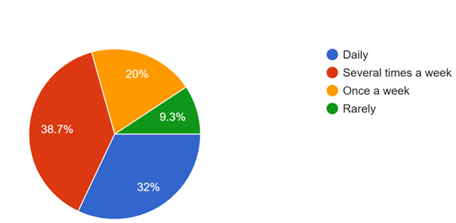
For this question the majority of the respondents, that is about 38% watch movies daily, with 32% watching several times a week and 20%once in a week. This suggests that cinema plays a frequent role in their daily lives. Conversely, only 9.3% watch movies rarely, indicating a smaller group areless frequent with movies. This pattern highlights the varying range of emotional benefits derived from viewing frequency of movies.
I find cinema to be an important part of my daily life.
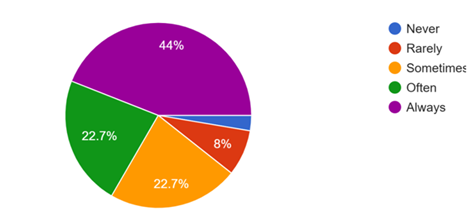
The responses for this question shows that a majority of respondents consider cinema an important part of their daily lives, with 44% of them stating they always find cinema essential and 23% voted for it often important. Another 23% of the respondents feel that cinema is sometimes important, while 8% rarely find cinema is important. This data suggests that cinema holds a different range of importance for individuals, with the majority perceiving it as a significant part of their recreational or emotional experience.
Movies have a strong influence on my emotions and mood
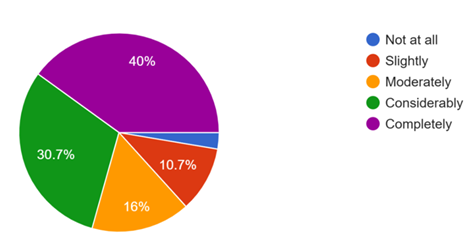
For the question ‘Movies have a strong influence on my emotions and mood’ The data indicates how movies have a notable impact on viewers emotions and moods. About 40% of the respondents reported that movies completely influence their emotions, showing that movies influence their moods and act as a let out in some ways. 30% of respondents voted for considerable influence, which clearly shows collectively 70% of the respondents have experienced a strong emotional connection to cinema. In addition, 16% of the respondents indicated a moderate impact, and 10.7% reported a slight influence, highlighting varying degrees of emotional engagement between viewers and cinema. These above findings hint that cinema plays a vital role in influencing mood and altering emotional responses, supporting the potential of cinema as a therapeutic tool. The results of this finding emphasize the ability of movies to resonate deeply, paving a path for emotional clarity and mental well-being enhancement.
I often relate to the characters or situations depicted
in movies
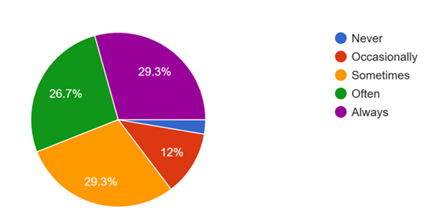
The data for the above statement depicts diverse levels of relatability among the viewers.
About 29.3% of the total sample indicated that they always relate to characters or situations in movies, while an equal percentage 29.3% sometimes relate to them, which collectively shows about 60% of the respondents experience a significant relation with the on-screen depictions. And 26.7% of the sample stated that they often relate to the characters or situations in movies and on the other hand, 12% of the respondents have noted that they occasionally relate, showing varying degrees of relatability with cinematic content. The above data emphasize the power of movies connected with real-life emotions and situations, increasing their therapeutic potential and relatability.
Tamil cinema is reflective of my socio-cultural
experiences
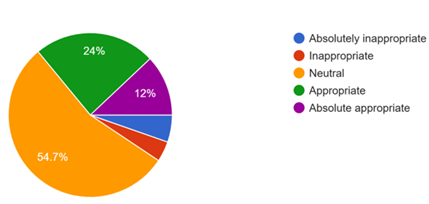
The data shows a diverse range of opinions for the statement, ‘Tamil cinema is reflective of my socio-cultural experiences,’. A large range of the respondents, about 54.7% remain neutral, indicating a balanced perspective or lack of strong alignment with the statement. However, 24% of the sample found Tamil cinema to be appropriate in reflecting their socio-cultural experiences, while 12% felt it to be absolutely appropriate. These findings suggest that while Tamil cinema resonates with a portion of the audience in portraying socio-cultural realities, a significant number remain undecided, highlighting the need for deeper exploration of its cultural relatability.
Movies help me relax and unwind after a stressful day
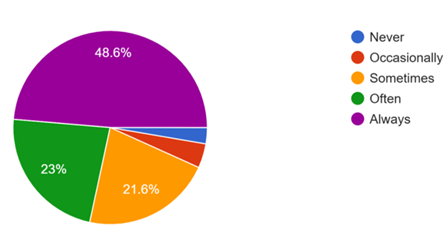
For the statement ‘Movies help me relax and unwind after a stressful day.’The data states that 48.6% of participants find movies always help them to get out of their stressful routine, while 23% voted that they often help to get a relax. Additionally, 21.6% reported that movies sometimes help them to unwind. Altogether, these findings depict that the majority of participants, nearly 70%, get into cinema for stress relief. These findings hint the significant therapeutic potential of movies in providing relaxation and emotional comfort.
I have felt emotionally supported by the themes or
messages in movies
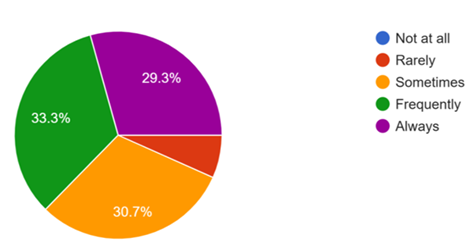
When a statement, ‘I have felt emotionally supported by the themes or messages in movies.’ was kept in the questionnaire, the participants came up with a different range of options. The response received indicates that a majority of respondents find emotional tolerance through the themes or messages expressed in films. About 29.3% of participants stated that they always experience emotional support through watching movies, while 33.3%frequently feel emotionally supported. And the majority of participants, nearly 30.7% reported feeling supported sometimes. Collectively, these results suggest that around 60% of respondents recognize that cinema plays a meaningful role in offering emotional comfort. This finding emphasizes the therapeutic impact of cinema, reinforcing their role as a coping mechanism in nerve-racking situations.
Certain movies have helped me gain a new perspective on
personal challenges
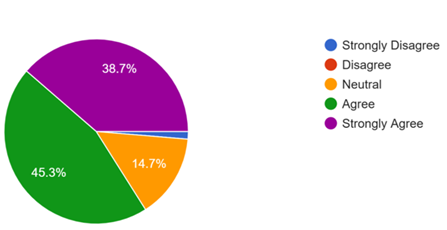
For the statement, ‘Certain movies have helped me gain a new perspective on personal challenges’, the data reveals that a large number of participants support that movies have a positive impact on their ability to perceive personal challenges from a new angle. The data says that 38.7% of participants strongly agree with this statement, while 45.3%agree, so altogether indicating that 84% of respondents feel that movies have contributed to diversifying their views on personal challenges. And about 14.7% of respondents remained neutral on this matter for this statement. These findings suggest the potential role of cinema in offering new perspectives and giving needful insights, suggesting that movies can serve as an influential tool for personal reflection and growth, strengthening their therapeutic value.
I feel a sense of catharsis (emotional release) after
watching movies that reflect my emotional state.
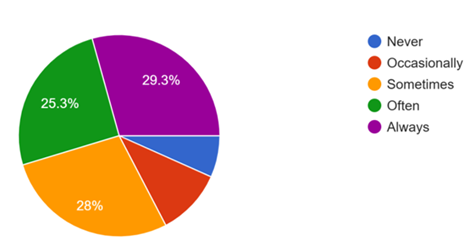
For the above statement, about 29% of respondents indicated always feeling a sense of emotional release, while 25.5% stated they experience it often and about 28% reported they feel this sometimes, and 12% stated feeling it occasionally. Additionally, a smaller fraction of the participants did not feel this emotional release at all (never). The above data indicates that a majority of the participants experience catharsis or emotional release while watching films that reflect or connect to their emotional state. These findings suggest that movies resonate with individuals on an emotional level, potentially navigating and aiding in emotional healing and well-being.
I use movies as a way to cope with feelings of anxiety
or depression.
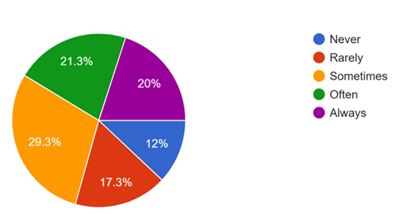
For the above statement, about 20% of the participants stated that they always use the movies to cope with their anxiety or depression, nearly 21% reported often, the majority 29% voted that sometimes they rely on films and about 17% reported rarely using movies. Even though 12% stated they never use movies to cope, the results suggest that movies are utilized as a coping mechanism for managing bad emotions like anxiety and depression. Additionally the significant portion of the participants finds movies helpful for emotional support, and helps to get relief from bad feelings.
I have used specific movies or genres (e.g., Comedy,
Drama, Inspirational, Fantasy, Thriller, Adventure, Animation movies) to
improve my emotional state
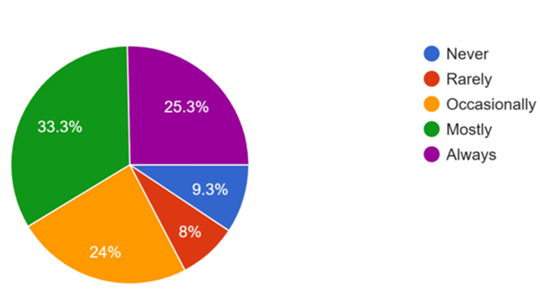
The data received from the participants indicates that a significant proportion of respondents use specific genres to enhance their emotional feelings. 25% of respondents stated that movies from particular genres like comedy, drama, or inspirational films always helps to improve their emotional state, while 33% indicated they do so mostly, 24% use such movies occasionally, and 8% rely on movies rarely, meanwhile 9% stated that they never use specific genres to improve their emotional state. These findings underscore the therapeutic potential of genre-based movies to regulate the emotional state, while its impact differs among individuals.
Comedy movies help reduce my stress and make me feel
better emotionally.
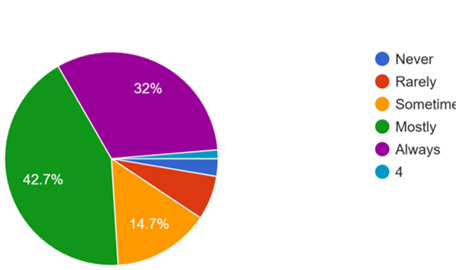
The data reveals that comedy movies play a significant role in alleviating stress and improving emotional well-being for many respondents. 32% reported that comedy films always help reduce their stress, while 43% stated they mostly experience stress relief through comedy movies, making up a substantial majority of 75%. 15% of respondents noted that comedy movies sometimes help with stress, while a smaller percentage, 8%, reported rarely experiencing such effects, and 7% claimed comedy movies never contribute to their emotional well-being. These findings underscore the value of comedy movies as a potential stress-relief tool, particularly for the majority who frequently find them effective.
Movies with darker or emotional themes (e.g., drama,
tragedy) help me understand and process complex emotions.
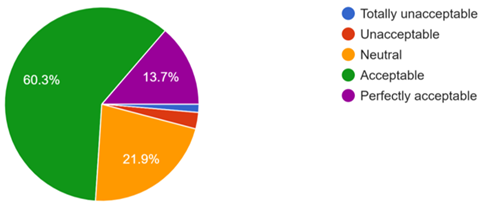
The data indicates that a significant proportion of respondents recognize the value of movies with darker or emotional themes in helping them understand and process complex emotions. Specifically, 13% of respondents find such themes perfectly acceptable in aiding emotional understanding, while a majority, 60%, consider them acceptable. Additionally, 22% remain neutral, suggesting that their impact may depend on specific contexts or personal preferences. A small minority finds these themes unacceptable. These findings underline the potential of such movies as a reflective and therapeutic medium for emotional exploration.
I feel a sense of personal connection when I watch
movies that reflect my own mental health experiences.
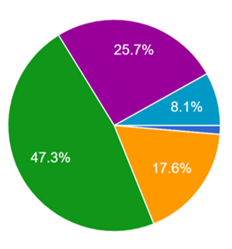
The responses reveal that movies reflecting personal mental health experiences evoke varying levels of connection among viewers. A significant 26% of respondents feel completely connected, while 47% report feeling mostly connected, collectively indicating that a majority (73%) find such movies deeply relatable. Additionally, 18% feel somewhat connected, suggesting a moderate resonance, while 8% feel slightly connected. A few respondents indicated they do not feel connected at all. These findings highlight the capacity of cinema to develop personal connections by addressing mental health themes, making it a potential tool for emotional validation and self-reflection.
Can you share a few movies that had a deep emotional
impact on you and why?
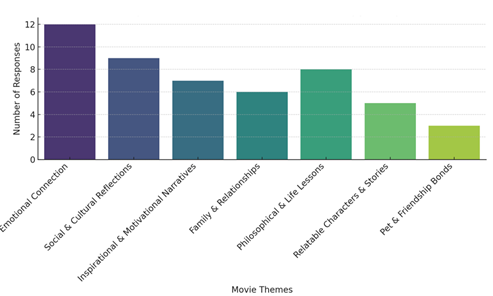
The open-ended responses to the question about movies that had a deep emotional impact reveal a profound connection between films and personal emotional experiences. The diversity of films mentioned suggests that cinema acts as a powerful tool for emotional exploration, offering both catharsis and healing through relatable themes and characters.Many respondents highlighted how movies such as 96, Thiruchitrambalam, and Vaazhai reflected their emotions, relationships, and life challenges. These films, with their exploration of love, loss, family, and resilience, created powerful emotional connections, enabling viewers to relate to their own personal experiences.
Respondents also noted how films like Jai Bhim, PariyerumPerumal, and Karnan brought attention to pressing societal issues such as caste discrimination, justice, and inequality. These movies evoked strong empathy and prompted introspection about social challenges, creating a deeper awareness of societal inequalities and the need for social change.
Movies with inspirational and motivational narratives, like SooraraiPottru, Wake Up Sid, and M.S. Dhoni: The Untold Story, were frequently mentioned for their portrayal of determination and overcoming adversity. These films inspired viewers by showcasing how individuals can rise above failures and achieve success despite seemingly insurmountable odds, offering hope and motivation to those facing their own struggles.
Family and relationship dynamics were another key theme. Films like VaaranamAayiram, Meiyazhagan, and Thiruchitrambalam explored family bonds, parent-child relationships, and friendships, deeply resonating with viewers and sparked reflections on their own familial connections and personal ties.
Additionally, films such as AnbeSivam, Dead Poets Society, The Shawshank Redemption, and Parasite addressed universal themes like empathy, resilience, hope, and social inequality, leaving a profound impact on viewers. These films prompted deep philosophical reflection, challenging individuals to consider their personal values and beliefs.
The connection with relatable characters and their struggles also emerged as an important theme. Respondents expressed how they felt connected to characters like Arun from Lover (2024) and Harish Kalyan’s portrayal in LubberPandhu, which mirrored their own experiences and struggles. Some movies, such as 777 Charlie, which explored themes of friendship and loss, struck a chord with viewers who deeply related to the emotional bond between the characters and their pets, reinforcing the emotional weight of companionship and grief.
The study also revealed the dominance of Tamil cinema in evoking emotional responses, with films like DevarMagan, Nayagan, and KatradhuThamizh being frequently mentioned. These films reflect the regional influence of Tamil Nadu cinema, offering insights into cultural and emotional experiences. At the same time, international films such as Schindler’s List, The Pianist, and Life is Beautiful were appreciated for their historical and emotional depth, while English films like The Perks of Being a Wallflower and The Truman Show were valued for their unique storytelling and introspective themes. Animated films like Inside Out, Wall-E, and Ratatouille also emerged as significant for their deep emotional and philosophical lessons, showing how even fantastical narratives can address complex human emotions.
Notably, many respondents emphasized the impact of nostalgia, with films like 96 and VinnaithaandiVaruvaaya standing out for their exploration of past relationships and emotions. These films allowed viewers to reflect on their own experiences of love and loss, evoking a sense of longing and connection to the past.
9. Data Analysis Results
The data collected from the study reveals perceptive patterns regarding the emotional and psychological impact of movies on individuals. A significant portion of respondents, nearly 70%, reported that movies have a strong influence on their emotions and mood, indicating that cinema serves as a powerful tool for emotional engagement. This finding supports the idea that films can resonate deeply with viewers, offering an avenue for emotional exploration and psychological relief.
When examining how respondents relate to the characters and situations depicted in movies, over 60% expressed a strong connection, emphasizing cinema’s ability to reflect personal experiences. This relatability suggests that movies are not only a form of entertainment but also a medium through which viewers can explore their own emotions and life challenges.
Movies that address social and cultural issues, such as Jai Bhim, PariyerumPerumal, and Karnan, were found to provoke empathy and introspection, further underlining cinema’s potential to process social awareness and emotional growth. Meanwhile, films with motivational themes like SooraraiPottru and M.S. Dhoni: The Untold Storywere cited for their capacity to inspire and offer hope, particularly to those facing adversity. The therapeutic potential of movies was also evident, with the majority of respondents using films to relax and unwind after a stressful day. Over 70% of participants found movies effective in stress relief, and many indicated that they felt emotionally supported by the themes and messages conveyed in films. This emotional support was particularly noted in movies that explored love, loss, resilience, and personal challenges.
Additionally, the study highlighted the emotional impact of nostalgia, with films like 96 and VinnaithaandiVaruvaaya resonating deeply with viewers for their portrayal of past relationships and emotions. Overall, the findings suggest that movies are a significant medium for emotional processing, offering both catharsis and a new perspective on personal challenges.
This study highlights the emotional and psychological benefits of cinematherapy, particularly for young people in Tamil Nadu. It shows that movies, especially Tamil films, serve as a valuable tool for relaxation, emotional support, and stress relief. A large percentage of respondents reported that films influence their mood and emotions, providing a meaningful connection to their personal experiences. Films that explore themes of love, loss, resilience, and motivation were found to be particularly therapeutic, offering both emotional comfort and inspiration. Comedy and drama genres, in particular, were noted for their ability to relieve stress and help individuals process complex emotions.
10. Limitations and Future Research
This study has some limitations, such as focusing on a specific demographic (young people in Tamil Nadu) and relying on self-reported data, which may not fully capture the long-term effects of cinematherapy. Future research could explore the long-term benefits of using movies for mental health, study the effects of specific film genres on various conditions, and test the integration of cinematherapy into clinical settings.
Additionally, future studies could explore the creation of a model that explains how cinematherapy works. This model could help to understand the specific psychological mechanisms behind how movies influence emotions, nurture catharsis, and offer new perspectives. Such a model could be valuable for mental health professionals in structuring their therapeutic practices and providing a more systematic approach to using films in therapy.
Expanding the research to diverse age groups, regions, and cultures could further validate the therapeutic potential of cinema across different populations. In conclusion, this research reinforces the therapeutic power of cinema and its potential to support emotional and mental well-being. Future studies could enhance our understanding of how movies can be used more effectively in mental health practices and lead to the development of structured approaches like cinematherapy models for clinical use.
CONFLICT OF INTERESTS
None.
ACKNOWLEDGMENTS
None.
REFERENCES
Barry, M. M., Clarke, A. M., Jenkins, R., and Patel, V. (2013). A Systematic Review of the Effectiveness of Mental Health Promotion Interventions for Young People in Low- and Middle-Income Countries. BMC Public Health, 13, Article 835. https://doi.org/10.1186/1471-2458-13-835
Blumer, M. L. C. (2010). And Action! Teaching and Learning Through Film. Journal of Feminist Family Therapy, 22(3), 225–235. https://doi.org/10.1080/08952833.2010.499703
Cinema Therapy. (2019). Cinema Therapysss.
Cinematherapy.com. (n.d.). General Resource Site.
Cinematherapy.com. (n.d.). Professional Directory.
Clyman, J. (2013). A Model for Therapeutic Movie Watching. Psychology Today.
Cummings, J. (n.d.). Improving the Empirical Credibility of Cinematherapy: A Single-Subject, Interrupted Time-Series Design. ResearchGate.
Dav University. (n.d.). History of Indian Cinema.
Dermer, S. B., and Hutchings, J. B. (2000). Utilizing Movies in Family Therapy: Applications for Individuals, Couples, and Families. The American Journal of Family Therapy, 28(2), 163–180. https://doi.org/10.1080/019261800261734
Dumtrache, S. D. (2014). The Effects of a Cinema-Therapy Group on Diminishing Anxiety in Young People. Procedia – Social and Behavioral Sciences, 127, 717–721. https://doi.org/10.1016/j.sbspro.2014.03.342
Hamilton, J. (2020). Monsters and Posttraumatic Stress: An Experiential-Processing Model of Monster Imagery in Psychological Therapy, Film, and Television. Humanities and Social Sciences Communications, 7(1), Article 90. https://doi.org/10.1057/s41599-020-00628-2
Hamilton, J. (2023). Movies on the Couch: The MOVIE Model of Film Therapy. Counselling and Psychotherapy Research. https://doi.org/10.20944/preprints202301.0176.v1
Hesley, J. W., and Hesley, J. G. (2001). Rent Two Films and Let’s Talk in the Morning: Using Popular Movies in Psychotherapy. John Wiley and Sons.
IJRASET. (n.d.). Impact of Films on the Youth of India.
Jagtap, M. W. (2020). Nationalistic Portrayal of Indian Cinema During Colonial Period. Research Publish Journals, 8(1), 95–97.
Medium. (n.d.). History of Tamil Cinema.
Niemiec, R. M., and Wedding, D. (2014). Positive Psychology at the Movies: Using Films to Build Character Strengths and Well-Being. Hogrefe Publishing.
Ormax Media. (2023). Sizing the Cinema: India’s Theatre-Going Population in Numbers.
Padmanabhan, T., Suneesh, K. S., and Poovarasan, G. (2024). A Discourse Analysis of Tamil Film Content: Reference to Sports Concepts. Library Progress International, 44(3), 7101–7108.
PanbuSelvan, P., and Brindha, D. (2020). Cinema and Culture: An Overview of Image Worship of Film Stars in Tamil Nadu. Studies in Indian Place Names, 40(66).
Positive Psychology. (n.d.). Movie and Cinema Therapy.
Psych Central. (n.d.). Cinematherapy: The Healing Power of Movies and TV.
ResearchGate. (2022). Impact of Indian Cinema: Influence of Films on Students in Modern Times.
Robertson, B. (2016). All Things Connect: The Integration of Mindfulness, Cinema and Psychotherapy. Counseling Today.
Sacilotto, E., Salvato, G., Villa, F., Salvi, F., and Bottini, G. (2022). Through the Looking Glass: A Scoping Review of Cinema and Video Therapy. Frontiers in Psychology, 12, Article 732246. https://doi.org/10.3389/fpsyg.2021.732246
Sharp, C., Smith, J. V., and Cole, A. (2002). Cinematherapy: The Use of Therapeutic Metaphor in Counseling. Journal of Counseling and Development, 80(4), 393–399.
Solomon, G. (2001). The Motion Picture Prescription: Watch this Movie and Call Me in the Morning. Aslan Publishing.
The Tribune India. (2008). The Reel Therapy.
https://dx.doi.org/10.29121/shodhkosh.v6.i1s.2025.6687
Times of India. (2018, September 9). Psychologists Suggest Film Therapy to Cure Mental Illness.
Times of India. (n.d.). Tamil Films that Talk about Mental Health.
Wedding, D., and Niemiec, R. M. (2014). Cinematherapy as Psychotherapy: Using Movies to Promote Psychological Health. Journal of Creativity in Mental Health, 9(1), 53–68. https://doi.org/10.1080/15401383.2013.875864
Wolz, B. (2005). E-Motion Picture Magic: A Movie Lover’s Guide to Healing and Transformation. Field Earth Institute.
Wolz, B. (2010). The Power of Movies: How Screen and Self-Reflection can Transform Your Life. Leveraged Wisdom.
Wolz, B. (n.d.). Birgit Wolz Interview.
World Health Organization. (n.d.). Adolescent Mental Health.
|
|
 This work is licensed under a: Creative Commons Attribution 4.0 International License
© ShodhKosh 2025. All Rights Reserved.