ShodhKosh: Journal of Visual and Performing ArtsISSN (Online): 2582-7472
|
|
Management Perspectives on AI-Powered Sculpture Galleries
Dr. Yukti Khajanchi
1
 ,
Dr. S. Prayla Shyry 2
,
Dr. S. Prayla Shyry 2 , Ramesh Saini 3
 , Khushboo 4
 , Sidhant Das 5
 , Barathnivash V. 6
1 Assistant
Professor, ISME - School of Management and Entrepreneurship, ATLAS SkillTech University, Mumbai, Maharashtra, India
2 Professor,
Department of Computer Science and Engineering, Sathyabama Institute of Science
and Technology, Chennai, Tamil Nadu, India
3 Centre of Research Impact and Outcome, Chitkara University, Rajpura,
Punjab, India
4 School of Fine Arts and Design, Noida International University, Uttar
Pradesh, India
5 Chitkara Centre for Research and
Development, Chitkara University, Himachal Pradesh, Solan, India
6 Assistant Professor, Department of
Management, Aarupadai Veedu Institute of Technology, Vinayaka
Mission’s Research Foundation (DU), Tamilnadu, India
|
|
|
ABSTRACT |
|
|
The
convergence of artificial intelligence (AI) and art has been significant in
the way the sculpture show is presented in contemporary sculpture, how it is
managed and experienced by people. The study will look at the sentiments of
management regarding the implementation of AI powered art shows with a
specific interest on how this may impact on the management strategies,
tactical and marketing impacts. The new artificial intelligence technologies
of smart gallery selection, predictive maintenance, data-driven
decision-making, and personalised guest experience
have changed the traditional gallery management. AI allows managers to deal
with innovation easier and plan strategically. It also assists them in
choices between fantasy and technological effectiveness. Introducing AI into
the field of sculpting galleries has improved the way resources are used and
how the costs are matched against the benefits as well. This allows galleries
to continue producing excellent art and make money. AI-driven automation
changes the way work get done by making it easier for curators to organise digital files and look at guest data to find
ways to connect them more effectively. AI analytics are being used more and
more by managers to divide audiences into groups, predict trends and make the
most of show plans. Also, the role of AI in virtual and augmented reality is
changing the way people interact with art so that it is easier for more
people around the world to see it. But these new ideas come with problems,
such as limited funds, poor technology and people who don't like change among
traditional partners. Concerns about sincerity and the artist's part, come
from an ethical and artistic point of view making it more difficult for
managers to make decisions |
|||
|
Received 12 January 2025 Accepted 05 April 2025 Published 10 December 2025 Corresponding Author Dr Yukti
Khajanchi, yukti.khajanchi@atlasuniversity.edu.in DOI 10.29121/shodhkosh.v6.i1s.2025.6634 Funding: This research
received no specific grant from any funding agency in the public, commercial,
or not-for-profit sectors. Copyright: © 2025 The
Author(s). This work is licensed under a Creative Commons
Attribution 4.0 International License. With the
license CC-BY, authors retain the copyright, allowing anyone to download,
reuse, re-print, modify, distribute, and/or copy their contribution. The work
must be properly attributed to its author.
|
|||
|
Keywords: Artificial Intelligence, Sculpture Galleries,
Management Perspectives, Art Curation, Digital Transformation |
|||



1. INTRODUCTION
1) Overview
of Artificial Intelligence in the Art Industry
The way the art business is being changed by artificial intelligence (AI) is how art is being made, edited, spread and experienced globally. Art was once believed to be a human-only field, but now the impact of computers is bigger. These algorithms can acquire knowledge of aesthetic preferences, generate artistic output and infer what artistic trends are. Machine learning, neural networks, and generative adversarial networks (GANs) are AI tools that are being applied to the creation of new works of art, the restoration of damaged works, and even in identification. This combination of imagination and math is changing the boundaries of traditional art and it enables artists and robots to work together in new ways. In the current art spaces, AI is helping managers to observe the behavior of the visitor and make assumptions about what they might be interested in and recommend customized experiences. It can also enable you to make decisions based on information on how to establish prices, arrange exhibitions and undertake marketing campaigns. Computer vision and natural language processing are also AI technologies that allow art to become more accessible because people can feel the works of art and immerse themselves in them. Therefore, AI is both a tool, and also a collaborator in the process of making art and functioning of art and its development. It is able to bridge the interrelations between the intuit in the making of art and the reason in the examination of art and may be employed by both museum administrators and artists. Thus the introduction of AI into art is a paradigm shift where the creation, management and appreciation of art is a dynamic dialogue between human creativity and intelligent technology.
2) Evolution
of Sculpture Galleries and Integration of Technology
Sculpture halls are locations to receive and display three-dimensional pieces of art that reflect the cultural past as well as emerging artistic concepts have been significant long ago. Previously, these spaces were dependent on real exhibitions and manual editing which made them less accessible and more complicated to get people in touch with the art. However, as the digital transformation and convergence of technology have taken place, the art space has changed to a location where real experience and virtual experience can intersect Siri (2024). Technology has not only changed the way statues are shown, but has also changed the way they are recorded, comprehended and also appreciated by a large number of individuals. Art displays have become useful with the use of the technologies of 3D scan, virtual reality (VR), augmented reality (AR) and AI driven data. Now, people can explore digital replicas of statues in realistic virtual environments, participate in tours guided by AI, or gain an insight into how art is created with real-time data visualisation Mossavar and Zohuri (2024). Digitisation also makes it possible to keep fragile works of art for a long time thanks to the creation of high-fidelity digital records that preserve cultural assets from breaking down. From the point of view of the management, integrating technology helps to improve working efficiency, guest data and personalised strategies to engage the visitors.
3) Purpose
and Significance of Studying Management Perspectives
In order to ensure that technology progress is compatible with cultural and strategic goals, it is important to know how management views art shows that use AI. Using AI in art management means making tough decisions on spending money on technology, adjusting to new players, and being true to the art. Looking at things from the point of view of a manager you can gain an understanding of how leaders deal with these situations where creativity and efficiency meet, as well as custom and change Singh et al. (2023). From making plans for the future to carrying them out, management views affect the success of integrating AI by setting rules for things like content selection, digital protection and public participation. Their approaches to handling change, determining costs and benefits, and training staff have a large impact on the effectiveness of AI systems in art spaces. Also, knowing how managers feel about things can help you identify problems in your organisation such as resistance to change, moral issues, and skill gaps.
2. Conceptual Framework
1) Definition
and Scope of AI-Powered Sculpture Galleries
Art with technology and management Sculpture galleries utilizing AI are like a combination of art, technology, and management. AI systems have a plethora of uses to operate the galleries and make the experiences of the people that visit a better one. Machine learning algorithms, data analytics and engaging technologies are employed by these venues to enhance the way that sculptures are displayed, stored, and personalised. AI-powered galleries use digital tools for automatic cataloguing, contact with guests in real-time, and predictive insights to what audiences will like Kiourexidou and Stamou (2025). Traditional galleries simply use human knowledge. AI-powered sculpture galleries can be more than just galleries to display artwork. It includes using 3D modelling to digitally store their statues, design virtual exhibitions using augmented and virtual reality, using AI to aid repair methods to keep art alive for future generations. These systems have also got smart lighting, spatial maps and emotion detecting tools to turn on and off the displays based on the interest of the visitors. On the management side, it involves the intelligent application of AI in enhancing the marketing process, organisation and optimal utilisation of resources Longo and Faraci (2023). The data-driven feedback loops can enable managers to determine how the visitors will act, to monitor the stock and to create models capable of forecasting the sales and attendance. The art exhibitions that are driven by AI push the limits of the conventional selection where imagination and computer intelligence are combined. This gives them dynamic, interesting and extended culture spaces.
2) The
Role of AI in Art Curation, Preservation, and Experience
Artificial intelligence is changing much in terms of how sculpture shops approach the process of selecting art to exhibit, store and present. In curation AI programs process enormous amounts of data about the styles of art, past trends and tastes of the audience, to assist the organisers in choosing and establishing the show that will suit the tastes of the modern era. AI may find connections in style, place statues in collections depending on the material or theme and recommend a new configuration of exhibits depending on picture recognition and pattern recognition. This logical correctness is quite compatible with the human imagination and makes the display of exhibitions more interesting to look at and think over Huang and Rust (2020). Artificial intelligence (AI)-powered tools help keep art in good shape by keeping an eye on things like humidity, temperature and light exposure. Predictive repair systems detect signs of potential damage early on, and they can therefore be repaired quickly and with minimal damage. For teaching and study reasons, digital storage by the aid of AI and 3D scanning also maintain proper digital copies of statues. From the perspective of the visitor, AI enables personalisation by means of engaging apps, virtual reality trips, and emotional responses tracking Huang et al. (2025). People can get personalised suggestions, listen to stories that make them totally into the story, look at virtual shows that go beyond the physical limits.
3) Managerial
Relevance of AI Integration
Adding AI to art shows is useful for managers because it can help them achieve their business goals as well as introducing new technologies. For gallery managers, AI isn't just a piece of technology, it's also a way to make decisions that improves the long-term viability of the gallery, makes it more practical and connects to guests. AI powered data can help managers to predict trends in visitors, find the best staffing levels, make the best use of resources and track the success of shows in real time Villaespesa and Murphy (2021). This method to management that focuses on data makes people more accountable and makes it easier to make decisions based on facts. AI also has on approach and managing new ideas. AI frees up managers to work on more important tasks, such as developing art and making partnerships, while handling boring managerial tasks such as keeping track of supplies, selling tickets, and marketing. AI-based systems are also proving helpful when it comes to long-term financial planning, helping to determine cost-benefit ratios, anticipate attendance and identify lucrative ways to schedule programs. From a human resources perspective, incorporating AI means that leaders need to continue learning new skills and adapt to new circumstances. Managers need to teach their employees how to use technology and create an environment that is open to change Cetinicand et al. (2021). Table 1 lists previous studies on the analysis of management strategies in AI galleries. The moral issues that AI raises, such as writing, validity and data protection also need to be overseen by managers to protect the honour and image of the institution.
Table 1
|
Table 1 Related Work on Management Perspectives of AI-Powered Sculpture Galleries |
||||
|
Study Focus |
Methodology |
AI Application Area |
Key Findings |
Benefits Identified |
|
AI in Art Curation |
Qualitative Interviews |
Machine Learning for
Curation |
Improved exhibition design |
Efficiency in curation |
|
AI in Museum Visitor Analytics |
Survey of 100 museums |
Predictive Analytics |
Enhanced audience understanding |
Personalized experiences |
|
Virtual Sculptural Spaces Rani et al.
(2023) |
Case Study |
AR/VR Systems |
Increased remote engagement |
Accessibility and inclusion |
|
Resource Optimization via AI |
Quantitative |
Resource Allocation Models |
Cost reduction through automation |
Financial efficiency |
|
AI and Artistic Authenticity |
Literature Review |
Generative Art Models |
Debate over AI-authored art |
Innovation with caution |
|
AI in Cultural Heritage Preservation Avlonitou and Papadaki (2025) |
Experimental Study |
Image Recognition |
Improved sculpture restoration |
Long-term conservation |
|
Audience Behavior
Prediction |
Data Analytics |
Predictive Modelling |
Better forecasting of
attendance |
Marketing precision |
|
Integrating AI in Sculptural Education |
Mixed Methods |
Interactive AI Tutors |
Enhanced learning engagement |
Knowledge dissemination |
|
AI in Virtual Exhibitions Cao et al. (2023) |
Simulation-Based |
Virtual Reality |
Increased online
participation |
Remote engagement |
|
Ethics in AI Art Management |
Thematic Review |
Governance Models |
Identified data privacy issues |
Responsible innovation |
|
Financial Impact of AI
Integration |
Empirical |
ROI Assessment |
Improved profitability |
Cost-benefit optimization |
|
Management Perspectives on AI-Powered Sculpture
Galleries Oksanen et al.
(2023) |
Descriptive and Analytical |
Multidimensional AI Integration |
Strong managerial acceptance with cautious optimism |
Strategic innovation |
3. Management Perspectives
1) Strategic
Planning and Innovation Management
In the case of AI sculpture exhibitions, strategic planning consists of ensuring that the new technologies are aligned with the artistic goal and long-term vision of the institution. Managers need to incorporate AI into their long-term plans in order to enhance the quality of the collections they select, the velocity of their operation, and the interest of their audiences. To do this, you need to know a lot about how AI can be used as a creative tool as well as a strategic advantage [14]. Finding the useful uses of AI, like automatic guest data, smart show schedules, and predictive repair and making sure that they fit with the gallery's goals for growth and sustainability is the first step to good planning Padigel et al. (2025).
2) Resource
Allocation and Cost-Benefit Analysis
AI implementations are expensive in terms of hardware, software, training, and maintenance, so managers must consider whether it is financially practical and whether the implementation will be sustainable in the long term. Resources should be allocated to areas that make the greatest impact on spending decisions.
Figure 1
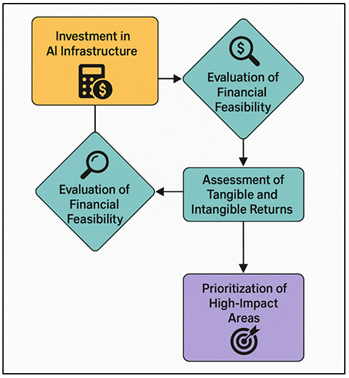
Figure 1 Strategic Framework for Resource Allocation and
Cost-Benefit Optimization in AI-Powered Sculpture Galleries
Examples include digital storage systems, Artificial Intelligence systems that utilize tourist data and interactive displays systems. Strategic budgeting ensures funds are used in the optimal manner possible while balancing new ideas with keeping things running smoothly. Figure 1 illustrates how efficient resource use boosts performance, sustainability and innovation. Cost-benefit analysis provides managers with an organised method of examining the real and perceived benefits of implementing AI. Improved guest interaction, reduced running costs with the help of technology, and better data for decision making are all actual positives. Some examples of intangible benefits are an improved image of the business, new creative ideas, easy access to the international market, etc. By assigning a solid dollar value to both, managers can demonstrate the importance of spending money on AI, and how to implement it incrementally to satisfy stakeholders. Also, managers should consider the hidden costs, such as system upgrades, taking measures to protect information, and replacing workers. That is, as long as resources are devoted to continuing professional development, the facilities' staff will remain well suited to work with AI systems. Working with technology partners can also help you make the most of your technology resources and reduce your long-term costs.
3) Leadership
Attitudes Toward AI Adoption
The views of leadership are very critical in determining whether or not the art venues will embrace AI. When leaders think of AI as something that enables creation rather than something that gets in the way, they create an environment that is open, creative, and flexible. Progressive leaders understand that adding AI allows the school to greater ends like improving visitors' interests, making the school run effectively, and competing for the future. Their enthusiasm in going digital is what drives organisational change and trust among partners and workers. One of the endemic problems of the arts is getting people to accept change, and it takes visionary leadership to bring change with a minimum of whining. When managers discuss the use of AI, it would help them to do so with the understanding that it should be applied to augment human talent, not replace it. Getting employees involved in Artificial Intelligence projects and decision-making processes builds trust and a sense of ownership. It is also important for leaders to prioritise the control of ethics by having clear rules about data privacy, authorship, and validity of work made by AI. Adaptive leadership also emphasizes continued learning and inter-disciplinary work between artists and scientists. Training programs, classes, and relationships with AI writers allow organizations to be better prepared for change and develop new ideas. Emotional intelligence is another characteristic of good leaders that allows them to put their love of technology in balance with their care for human and artistic values.
4. Operational Implications
1) Workflow
Transformation and Automation
The integration of AI into art shows has completely revolutionized the way things are done by automating and streamlining almost every task. In traditional galleries, visitor management, office work and being a director were all handled manually and time consuming. But AI systems make these processes faster by taking care of processes such as cataloguing exhibits, selling tickets, keeping track of supplies, and keeping an eye on the environment. Machine learning programs can look at trends of tourist flow, guess how many people will be there and find the best ways to set up exhibits. This relieves staff to do more creative and strategic work. In addition, automation facilitates communication and collaboration between multiple engineers. AI-powered scheduling systems can coordinate the dates of exhibitions, manage artist relationships and generate reports on the fly for management review. Computer vision and robotics: Handling fragile statues can be difficult, and robotics and computer vision can make the process easier, ensuring that the statue is stored and installed correctly. Also, automatic marketing tools are using predictive analytics to understand what people like and how to make adverts more relevant to them. Even if these benefits exist, changing the way in which work is done involves changing the way an organization works. Employees have to be trained on how to use new technology and get used to new habits.
2) Maintenance
of AI Systems and Infrastructure
AI-powered art venues must have their technological infrastructure and supporting equipment maintained for their businesses to remain operational. In contrast to normal museum operations, AI-integrated settings rely on a stream of data, computer software changes, and hardware that works well. In order to prevent these AI-powered tools like predictive analytics, environmental sensors, and interactive guest interfaces from becoming ineffective, they must be regularly calibrated, proactively monitored, and their system optimised. Technical support teams have to keep AI systems updated so that they work better and can change to new datasets.
Figure 2

Figure 2 Comprehensive Architecture for AI Systems
Maintenance in Art Venues
The security and privacy of private guest and operating data is preserved with cloud-based systems which require more robust privacy, backup, and data protection requirements. Figure 2 indicates integrated processes for reliability, efficiency and sustainability.
3) Data
Management and Visitor Analytics
Data management and visitor data are two of the most important aspects of the success of AI-powered sculpture exhibits. The massive data that is generated by the use of monitors, tracking systems, digital exchanges, and social media use provides valuable information on how people behave, what they like, and what exists in trends. This information is used by AI tools to assist people in making decisions around curation, marketing, and the guest experience design process. The first step to good data management is aggregation, storage, and integration of data across systems. Centralised records mean it is possible to review guest demographics, attendance rates and contact length in real time. Predictive analytics can predict how many people will visit, the most convenient times to have an exhibition, the most popular shows that people like to watch, etc. Predictive analytics help management make intelligent strategy decisions. Also, AI-driven sentiment analysis of social media also helps to understand the effectiveness of a product or service in the market and optimize marketing efforts. A large component of personalisation is also visitor data. AI programs look at what each person likes and suggest exhibits, customise virtual tours or change the lighting and audio in interactive works.
5. Marketing and Audience Engagement
1) Personalized
Visitor Experience through AI
AI is making a powerful contribution to increasing the personal experience of attendees of sculpture exhibitions. AI can present tailored recommendations that could increase the engagement of the guests and their satisfaction by analysing information of previous and ticket purchases and on-site behaviour. Smart advice engines offer pieces of art, museums or tours, which best fit the specific tourist and this makes the experience more personal and involving. The use of AI robots and virtual assistants also improve the usability when it is more personal because it instantly provides information, tells an engaging story, and it is available in many languages, which allows everyone to use it. Mood tracking technologies and face recognition give the galleries the ability to know how the visitors feel and use this information to rearrange certain elements such as lighting, background music, or items displayed on the screen to suit their mood. This time change ability makes the otherwise inanimate shows to become impressionable spaces which touch people. On the example of AI-powered mobile apps, the location of the visitors can be traced as well, and more information is utilized by addressing a visitor through the stories, videos and other relevant materials that make the concepts clearer. Personalisation enhances brand loyalty among the individuals and leads individuals to visit the site again, and that is advantageous to managers. Through predictive analytics, galleries are able to segment their audience and predict the kind of exhibitions and programming members of an audience segment will be interested in and create marketing campaigns that reach the members of those audience segments.
2) Virtual
and Augmented Reality Enhancements
Virtual reality (VR) and augmented reality (AR) technologies have revolutionized the way people experience art galleries in order to make it more interactive outside of the gallery walls. Virtual reality (VR) makes it possible to imagine digital representations of 3D models of statues and to browse in virtual galleries, going around the digital works of art in a fully realistic environment. This technology allows people from all over the world to enjoy art without being restricted by their location. This will help create cultural ease and inclusion. Augmented reality (AR) glasses or mobile devices can enhance digital information of real-world statues, such as historical information or comments from the artists, or motion, to provide a better experience. This blend of physical and digital art not only aids in clarifying things for people but also encourages them to become more attached to shows. A key part of making these interactive experiences better is AI that customises material, keeps track of how engaged visitors are and changes visual displays based on how the users interact with them. For managers, VR and AR offer new opportunities to stand out and make money by making their brand unique. Virtual shows can be ticketed and AR-based merchandise and digital art collections can generate additional revenue.
3) Social
Media and Digital Marketing Strategies
In this day and age, social media and internet marketing are crucial for promoting AI-powered art exhibitions. In this respect, galleries can exhibit high-resolution images, behind-the-scenes scenes, and AI-generated displays to a global audience through social media platforms like Instagram, YouTube, and TikTok. Managers can locate their target audience, monitor engagement data and optimize the delivery of material through various channels using AI analytics. AI-powered tools to assist in automating marketing efforts, generate new content, and review feedback from customers in real time. Predictive tools help figure out not only the best times to post, but also the most popular hashtags, and the best ways to work with influencers to get the most attention. Sentiment analysis provides managers with another way to get the public's opinion about them and how they can enhance their brand's image through communication strategies. Personalised advertising, which is based on AI insights, makes sure that promotional material fits the interests of each user, which raises conversion rates and guest turnout.
6. Challenges and Limitations
1) Financial
Constraints and Technological Barriers
Implementation of artificial intelligence (AI) in sculpture demonstrations is usually accompanied by huge technical and financial issues. Implementation of the AI systems involves a significant amount of money to be spent on infrastructure, development of software, trained personnel and maintenance of the systems. Lots of galleries, especially smaller and non-profit galleries, cannot afford to buy such expensive technologies. There are additional expenses incurred in regular updates, security and training of experts. Technology has also been a common issue, which restricts usage. The AI tools need a stable digital environment, which includes the presence of fast internet, fancy computers and equipment compatible with the AI tools. Never mind, these things are not always that simple to find everywhere. Also, the problems with the collaboration of old art systems and new AI platforms that may reduce the efficiency of operations are present. It has no standard models on how to integrate AI that makes application even more difficult. The reliance on external technology firms also brings in concerns regarding data protection, ownership as well as being able to continue in the long term. The potential of AI is not always exploited to the full as the staff members lack technical expertise.
2) Resistance
to Change among Stakeholders
The fact that people do not like change is one of the major issues with the implementation of AI-based systems in art shows. Artists, managers, officials and even tourists may see AI as a threat to their human creativity, credibility, or occupation. In most cases, this skepticism originates in the form of erroneous assumptions that AI is going to destroy art rather than enhance it. Certain conservative art professionals might oppose automation since they believe that the process of decision making by the computer removes the emotional and cultural richness of the human-based selection. The other one is institutional stasis. Companies which are used to the old method of running businesses might find it hard to embrace the transition to the data driven modes of running business. How this type of pushback is handled is extremely vast depending on the attitude of the leaders towards the same. Stakeholders are worried about AI due to its lack of communication, ineffective involvement of people in making decisions, and proper training of AI. The level of differences in the understanding of technology between generations also can make the approval gap bigger. Some older professionals may feel that AI is too complex to understand or not work in artistic way and younger professionals may be receptive to it.
3) Technical
Limitations of Current AI Models
Although AI models can transform the world, they have significant technological issues, which render them less helpful in art spaces. Most AI systems need a considerable amount of data to be able to make the correct guess or draw insights. However, in art these types of records tend to be miniature, subjective and depending on the situation that might give a result bias or not make sense. AI is unable to interpret abstract artistic intent, expressive nuance or cultural barricade, which restricts its effectiveness in assisting curators to make decisions. Additionally, the outputs of AI are not original and real, which raises philosophical issues of writing and creativity ethics. AI is effective at identifying patterns and automating work, but not quite as effective at mental and interpretative thinking which valued skills in the appreciation of art are. Algorithms are shrouded in technical secrecy (often referred to as black box behaviour) and hence the managers may find it challenging to justify or explain AI decisions that may have a negative impact on trust and openness.
7. Result and Discussion
The paper demonstrates that the adoption of AI in art environments has enhanced sustainability in organisations, increased the effectiveness of strategies, and engagement of the masses. Managers are aware of the significance of AI in predictive data, customisation of the experiences of visitors, and optimal utilisation of resources. However, the issue of limited finances, complex technology and resistance by stakeholders continue to exist. The results which indicate that responsible leadership, changeable training according to the conditions, and leadership support are all rather significant to the successful execution.
Table 2
|
Table 2 Managerial Perceptions of AI Integration in Sculpture Galleries |
|||||
|
Aspect |
Strongly Agree (5) |
Agree (4) |
Neutral (3) |
Disagree (2) |
Strongly Disagree (1) |
|
AI enhances operational
efficiency |
35 |
45 |
10 |
6 |
4 |
|
AI improves visitor engagement |
40 |
38 |
12 |
6 |
4 |
|
AI threatens artistic
authenticity |
15 |
20 |
25 |
28 |
12 |
The information in Table 2 describes how various different managers feel about the implementation of AI in art spaces, displaying both excitement and concern. Eighty percent of those who answered (80% when you add up "strongly agree" and "agree") think that AI makes operations much more efficient by making it simpler to do administrative chores, automating processes, making the best use of resources.
Figure 3
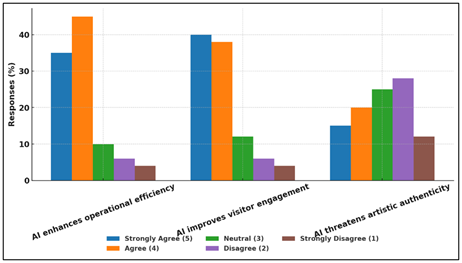
Figure 3 Distribution of Public Opinions on AI’s Impact in
the Arts
In the same way, 78% agree that AI makes visitors more interested by allowing personalised experiences, engaging displays and show design that is based on data. Figure 3 presents various public opinions of the impact of AI on art. These results show that managers are strongly inclining to use AI as a way to come up with new ideas and connect with their audiences better. But there are people who have different ideas of what constitutes art. Figure 4 demonstrates that there is increasingly an agreement that AI has a good impact on art with 35 per cent being terrified that AI will kill the creative and artistic essence of art and 40 per cent are opposed.
Figure 4
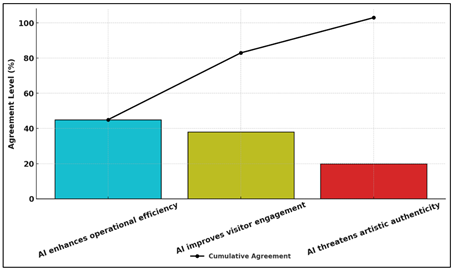
Figure 4 Cumulative Agreement Trends on AI’s Influence across
Key Aspects
This indicates that many more people are now looking at AI as creative partner, as opposed to AI threat. Such disparity proves that the value of a fair administration that utilizes the technological advantages of AI without harming the artistic and cultural identity of the space of sculptures is essential. In this manner, creation and honesty will co-exist harmoniously.
8. Conclusion
The analysis of management perspectives on AI driven sculpture gallery will explain how Artificial Intelligence can transform the methods of collecting, handling and experiencing art. With AI enhancing the processes, facilitating improved planning, and offering a more appropriate interaction with the visitors through personalisation based on data AI becomes a facilitator of innovation. Managers learn that artificial intelligence can be applied to make operations more efficient, marketing more accurate, and appeal to a wider range of people, and at the same time preserve the artistic spirit of sculpture. Nevertheless, there are some critical issues as well as some problems of the study. Cost, complex infrastructure requirements, and the complexity of the technology are barriers to adoption especially in small organisations. Similarly, the traditional partners who are not willing to change exhibit a culture gap to which leaders should exercise caution. Managers are expected to strike the right balance between technology advancement and human values. They should also make sure that AI assists in the process of innovation and not substitution. Ethical considerations and further skill growth are also necessary to use AI in a manner that does not harm anyone, which can be considered visionary leadership. The managers are informed to invite artists, scientists and culture scholars to cross disciplines work together so that new ideas are aligned with the organisational direction and social ideals. Open data control and inclusion should also dictate all the projects concerned with AI to ensure that the trust of the people is not violated.
CONFLICT OF INTERESTS
None.
ACKNOWLEDGMENTS
None.
REFERENCES
Avlonitou, C., and Papadaki, E. (2025). AI: An Active and Innovative Tool for Artistic Creation. Arts, 14(3), Article 52. https://doi.org/10.3390/arts14030052
Cao, Y., Li, S., Liu, Y., Yan, Z., Dai, Y., Yu, P. S., and Sun, L. (2023). A Comprehensive Survey of AI-Generated Content (AIGC): A History of Generative AI from GAN to ChatGPT (arXiv Preprint No. 2303.04226). arXiv. https://doi.org/10.48550/arXiv.2303.04226
Cetinic, E., and She, J. (2021). Understanding and Creating art With AI: Review and Outlook. ACM Transactions on Multimedia Computing, Communications, and Applications (TOMM), 18, 1–22. https://doi.org/10.1145/3475799
Huang, M.-H., and Rust, R. T. (2020). A Strategic Framework for Artificial Intelligence in Marketing. Journal of the Academy of Marketing Science, 49, 30–50. https://doi.org/10.1007/s11747-020-00749-9
Huang, P.-C., Li, I.-C., Wang, C.-Y., Shih, C.-H., Srinivaas, M., Yang, W.-T., Kao, C.-F., and Su, T.-J. (2025). Integration of Artificial Intelligence in Art Preservation and Exhibition Spaces. Applied Sciences, 15(2), Article 562. https://doi.org/10.3390/app15020562
Kiourexidou, M., and Stamou, S. (2025). Interactive Heritage: The Role of Artificial Intelligence in Digital Museums. Electronics, 14(9), Article 1884. https://doi.org/10.3390/electronics14091884
Longo, M. C., and Faraci, R. (2023). Next-Generation Museum: A Metaverse Journey into the Culture. Sinergie Italian Journal of Management, 41, 147–176. https://doi.org/10.7433/s120.2023.08
Mossavar-Rahmani, F., and Zohuri, B. (2024). ChatGPT and Beyond the Next Generation of AI Evolution (A communication). Journal of Energy and Power Engineering, 18, 146–154. https://doi.org/10.17265/1934-8975/2024.04.003
Oksanen, A., Cvetkovic, A., Akin, N., Latikka, R., Bergdahl, J., Chen, Y., and Savela, N. (2023). Artificial Intelligence in Fine Arts: A Systematic Review of Empirical Research. Computers in Human Behavior: Artificial Humans, 1, Article 100004. https://doi.org/10.1016/j.chbah.2023.100004
Padigel, C., Koli, K., Tiple, S., and Suryawanshi, Y. (2025). Detection, Monitoring and Follow-Up of ADHD Suffering Children using Deep Learning. International Journal of Electrical Engineering and Computer Science (IJEECS), 14(1), 204–210.
Rani, S., Dong, J., Dhaneshwar, S., Siyanda, X., and Prabhat, R. S. (2023). Exploring the Potential of Artificial Intelligence and Computing Technologies in art Museums. ITM Web of Conferences, 53, Article 01004. https://doi.org/10.1051/itmconf/20235301004
Singh, A., Kanaujia, A., Singh, V. K., and Vinuesa, R. (2023). Artificial Intelligence for Sustainable Development Goals: Bibliometric Patterns and Concept Evolution Trajectories. Sustainable Development, 32, 724–754. https://doi.org/10.1002/sd.2706
Siri, A. (2024). Emerging Trends and Future Directions in Artificial Intelligence for Museums: A Comprehensive Bibliometric Analysis based on Scopus (1983–2024). Geopolitical, Social Security and Freedom Journal, 7(1), 20–38. https://doi.org/10.2478/gssfj-2024-0002
Tang, X., Zhang, P., Du, J., and Xu, Z. (2021). Painting and Calligraphy Identification Method Based on Hyperspectral Imaging and Convolution Neural Network. Spectroscopy Letters, 54(9), 645–664. https://doi.org/10.1080/00387010.2021.1982988
Villaespesa, E., and Murphy, O. (2021). This is Not an Apple! Benefits and Challenges of Applying Computer Vision to Museum Collections. Museum Management and Curatorship, 36(4), 362–383. https://doi.org/10.1080/09647775.2021.1873827
|
|
 This work is licensed under a: Creative Commons Attribution 4.0 International License
© ShodhKosh 2025. All Rights Reserved.