ShodhKosh: Journal of Visual and Performing ArtsISSN (Online): 2582-7472
|
|
Deepfake Art: Threat or Innovation in Digital Creativity
Dr. Arvind Kumar Pandey 1
 ,
Deepak Minhas 2
,
Deepak Minhas 2 , Eeshita Goyal 3, Dr. Mahua Bhowmik 4
 , Dr Yukti Khajanchi 5
 ,
Aashim Dhawan 6
,
Aashim Dhawan 6
1 Associate
Professor, Department of Computer Science and IT, ARKA JAIN University
Jamshedpur, Jharkhand, India
2 Chitkara
Centre for Research and Development, Chitkara University, Himachal Pradesh,
Solan, 174103, India
3 Assistant Professor, School of Business Management, Noida
international University 203201, India
4 Associate Professor, Department of Electronics and Telecommunication
Engineering, Pimpri, Pune, India
5 Assistant Professor, ISME - School of Management and Entrepreneurship,
ATLAS SkillTech University, Mumbai, Maharashtra,
India
6 Centre of Research Impact and Outcome, Chitkara University, Rajpura-
140417, Punjab, India
|
|
|
ABSTRACT |
|
|
The boundaries
of thedigital creativity have been re-established
with the introduction of thedeepfake technology,
which is facilitated by advanced artificial intelligence and machine learning
algorithms. Deepfake art is an act of creating and altering images and audio
to generate hyper-realistic and artificial images. It is also highly ethical,
legal, and social because it has massive potential in the field of innovation
in the sphere of film production, advertising, education, and digital art.
The Deepfake technology as an art tool gives artists an opportunity to
experiment with the identity, transformation, and imagination in a manner
never witnessed previously, and challenges the traditional concepts of
authenticity and originality. However, it represents enormous threats to
privacy, trust and integrity of information due to its abuse as an instrument
of misinformation, non-consent information and political propaganda. With the
assistance of the multidisciplinary approach that involves theethics, law, media studies, and art theory, it is only
possible to understand its implications. This paper explains why deepfake art
can be both a new paradigm and a menace simultaneously and why regulation
systems, digital literacy, and responsible art are needed to ensure that
social protection is not subordinated to freedom of artistic expression. |
|||
|
Received 11 January 2025 Accepted 04 April 2025 Published 10 December 2025 Corresponding Author Dr.
Arvind Kumar Pandey, dr.arvind@arkajainuniversity.ac.in
DOI 10.29121/shodhkosh.v6.i1s.2025.6619 Funding: This research
received no specific grant from any funding agency in the public, commercial,
or not-for-profit sectors. Copyright: © 2025 The
Author(s). This work is licensed under a Creative Commons
Attribution 4.0 International License. With the
license CC-BY, authors retain the copyright, allowing anyone to download,
reuse, re-print, modify, distribute, and/or copy their contribution. The work
must be properly attributed to its author.
|
|||
|
Keywords: Deepfake Art, Artificial Intelligence, Digital
Creativity, Ethics, Misinformation, Authenticity |
|||



1. INTRODUCTION
The increase in the advancement of artificial intelligence (AI) and machine learning has changed the way that digital media is produced, consumed and understood. Deepfake can be considered one of the most questionable, but exciting technologies created in the digital era. As the technology, developed originally as the technology of fake videos and images generation on the basis of deep learning algorithms, deepfake technology enables one to manipulate audio-visual content in a manner that seems unbelievably realistic Pedersen et al. (2025). It was initially referred to as the possibility of being utilized in misinformation and spreading, identity theft and publication of non-consent material but has now adopted a new form and a more complex one taking a new identity in the domain of digital creativity. The tendency toward the application of deepfake technology demonstrates that the evolution of the technological approach into the instrument of deception and subsequently a potential way of producing a piece of art is a significant change in the process of technology and creativity interplay Ferrara (2024).
However, there is one serious problem which appears with the same transformation, and it is the duality of deepfake art. On the one hand, it may result in innovation, thereby permitting the experimentation with visual representation, mixing identities, and narrating the story in a way that never has been done before. On the other hand, it poses serious ethical, legal and social threats like falsification of truth, violation of privacy and the social mistrust. This is the paradox of the contemporary debate concerning the creativity of digital existence and the presence of people who utilize AI-based tools Schmitt and Flechais (2024). In this paper, the author is attempting to critically examine why or why not the art of deepfake would qualify as an innovative breakthrough or moral threat. It attempts to explore the ways in which this new form of art is unsettling the traditional concepts of authenticity, originality and authorship and how it is answering the pressing need to have ethical and legal standards to guide its application.
This research can assist policymakers to create moderate laws to ensure that society is not impaired but innovation is not hindered, and media consumers will have a better understanding related to digital manipulation and authenticity. In the end, this exploration leads to the realization that deepfake art is a perfect example of a paradox of the digital era during which technological development provides creative forces and increases the extent of ethical ambiguity.
2. Literature Review
The evolution of digital art shows that the adoption of artificial intelligence (AI) and machine-learning technologies into the artistic process is not new, and it dates back to earlier programs of generative art and is developing into more elaborate partnerships between computer-assisted and human imagination. Early computer-generated art research provided the foundation to subsequent synthesis of AI and art history, where researchers are currently analyzing the effects of machine learning on interpretation and aesthetic worth Mirsky and Lee (2021). This has especially been the case with more advanced systems, including generative adversarial networks (GANs) and diffusion models, which have become the foundations of deepfake technology by having the two neural networks compete against one another to create content with one side and authenticity with the other, to create highly realistic synthetic media Bhandarkar et al. (2024). New uses of the technology in the creative sectors include filmmaking and advertising to digital art installations and immersions, showing how deepfakes can be used both as a means of narrative invention, aesthetic exploration, and even as commentary on culture Tolosana et al. (2020). Meanwhile, the ethical and legal aspects of synthetic media have received increased scholarly interest: issues, such as consent and identity, image-rights and intellectual property, misinformation and trust in the mass media, and the willingness of regulatory systems to stay up to date with technological change, have been raised Qureshi et al. (2024). Regardless of these developments, there are still significant gaps in existing research and artistic views. As one example, interdisciplinary research on technical mechanisms of deepfaking and art-theoretical discussions of authenticity and originality are under-researched; and regulatory scholarship tends to be outpaced by fast application in the creative sector, leaving the issue of jurisdiction, enforceability and international harmonisation unanswered Kaur et al. (2024). Additionally, the issue of the impact of algorithmic bias, dataset provenance or the concealed labour of training AI systems on creative outputs has not been fully considered by various artistic practitioners and theorists a gap in the history of art and technology studies Pashine et al. (2021). These gaps provide reasons to see multi-faceted research as placing deepfake art in larger contexts of media ecology, intellectual property law, cultural critique and creative practice. Overall, the literature is full of fertile yet patchy ground--full of promising technological development and new artistic opportunities, yet shaded by ethical, legal and conceptual grey areas that are yet to be fully harnessed Naitali et al. (2023).
Table 1
|
Table 1 Summary of Related Work |
|||
|
Focus Area |
Methodology |
Key Findings / Contributions |
Relevance to Present Study |
|
Deepfakes and misinformation |
Legal and ethical analysis |
Highlighted how deepfakes
threaten democracy and personal reputation. |
Provides foundation for
ethical dimension of deepfake art. |
|
Generative Adversarial Networks (GANs) |
Experimental / Computational |
Introduced GAN architecture enabling realistic
synthetic media. |
Forms the technological basis for deepfake creation in
art. |
|
Deepfake ethics and moral
responsibility |
Philosophical review |
Discussed accountability in
the creation and distribution of synthetic content. |
Supports discussion on
consent and manipulation ethics. |
|
Political misinformation via AI |
Case studies / Media analysis |
Examined deepfake influence on political discourse and
election manipulation. |
Relevant to the section on political exploitation. |
|
Deepfakes in marketing and
branding |
Descriptive / Industry
review |
Explored deepfake use in
advertising and corporate storytelling. |
Connects with positive
applications in creative industries. |
|
Artistic experimentation with AI |
Qualitative interviews |
Analyzed artists’ use of
deep learning for creative expression. |
Informs discussion on artistic freedom and redefinition
of creativity. |
|
Deepfakes and societal risks |
Conceptual analysis |
Identified psychological,
cultural, and social implications of synthetic media. |
Provides insights for analyzing social consequences. |
|
Privacy and identity rights in digital media |
Legal framework analysis |
Proposed stronger identity protection laws for
manipulated media. |
Influences legal and IP considerations in this paper. |
|
AI and creativity |
Philosophical / Analytical |
Explored the epistemological
shift from human to algorithmic creativity. |
Grounds discussion of AI’s
role in redefining authorship and innovation. |
3. Methodology
1) Research
Design
The research design in this study is qualitative, descriptive, and analytical research design to understand how deepfake art represents the dual nature in that it is an innovation and a threat to digital creativity. The qualitative approach is particularly successful when it comes to addressing this topic because the opportunity to delve into human experiences, perceptions, and moral interpretations of how artificial intelligence is used in art can be obtained in detail. The approach also emphasises meaning, context and socio-cultural constituents of artistic expression rather than statistical data or quantitative. Descriptive section will aim at encompassing and describing the currently existing practices and phenomena concerning deepfake art, and the analytical section will be a critical evaluation of the overlapping of technological, ethical, and legal aspects. The design will allow us to appreciate the whole of deepfake art as a technological product not just as a cultural and moral phenomenon but to discover latent explanations as to the possibilities and threats of its creative application. Figure 1 illustrates the methodical flow of deepfake art creation and it comprises of technological advancement, artistry, morality and policy management. It underlines the interrelation between being creative and responsible, it mentions the balance of it to deliver ethical, transparent and socially beneficial digital artistic projects.
Figure 1
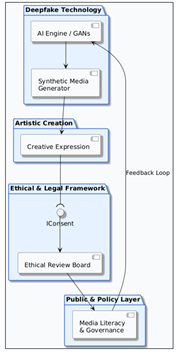
Figure 1 System Architecture of Deepfake Art: Balancing Innovation and Responsibility
2) Data
Collection
The study uses both secondary and primary sources of data in the form of literature review, case studies, and interviews with experts. The literature review gives a background of theoretical and conceptual base; the analysis enables the exploration of academic articles, books, and reliable online resources on the topic of deepfake technology, digital ethics, and AI-driven art. This assists in creating historical and scholarly setting of the subject. Case studies are subsequently used to consider real life examples of deepfake applications in the creative industries including film, advertising and digital art installations Dhesi et al. (2023). These examples demonstrate not only the creative use but also the problematic incidences that demonstrate the two-sided connotation of the technology. Moreover, professional interviews with people working in media ethics, AI development, and digital art are made to obtain the first-hand point of view concerning the practical problems and the arising trends. These interviews are a mediating factor between theory and industry facts as it guarantees that the study is as academic and practical as possible.
3) Data
Analysis
Thematic analysis and comparative evaluation are used to analyze the collected data. Thematic analysis is the process of identifying, coding and explaining the common themes in the literature and the interview data, including creativity, authenticity, manipulation and regulation. These themes contribute to reveal deep patterns and contradictions of the deepfake art discussions. The comparative evaluation is then implemented to evaluate the similarities and differences between case studies and expert views especially the perceptions of different stakeholder’s artists, technologists and policymakers in regard to deepfake art. This comparative method offers an evidence-driven multidimensional comprehension, such that the findings are consistent, well-grounded, and aligned with the context.
4) Limitations
of the Study
This study has some limitations although it is comprehensive. It might limit the generalizability of results because qualitative data are based on the subjective interpretation of the chosen experts as well as cases. Also, the fast development of AI and deepfakes in technology is that new technologies can emerge outside the frame of this study, which can change the existing ethical and art issues. Access to proprietary or confidential information published by technology firms could also be limited, which will limit the analysis of the workings of algorithms and enforcement systems. However, these drawbacks are alleviated with the focus on triangulation of various data sources and consistent comparison with revised academic and business knowledge.
4. Deepfake Art as a Tool of Innovation
1) Artistic Freedom and Technological Experimentation
Deepfake technology has provided innovative possibilities of artistic freedom and technological experimentation, it allows creators to pursue ideas that are not limited by spatial, time, and/or identity. Artists now have the ability to control visual and auditory representations with greater refinement and detail with the help of generative adversarial networks (GANs) and deep learning models to generate hyper-realistic depictions that push the frames between what is real and what is imagined. With this combination of art and artificial intelligence, artists are able to redefine the process of storytelling, self-expression and commentary of culture in a new manner that has never been achievable. The ability of deepfake art has provided the ability to establish a reconstruction of past events, redefine classic art, or even provide new vocalist to marginalized identities through digital embodiment. In this way it makes the artistic process a co-operative process between human creativity and machine intelligence. In addition, the experimentation disrupts the strict understanding of authorship, originality, and authenticity and moves the discussion to a post-human aesthetic where creativity is distributed between a human and an algorithm.
Figure 2
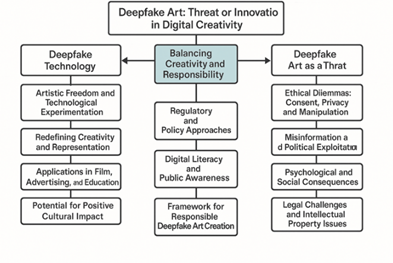
Figure 2 Structure of Deepfake Art Production and Regulation.
The balancing framework of art using deepfakes is presented in the Figure 2 that connects the concepts of innovation and accountability. It draws parallels to technological innovation with the dangers of the society, regulation, literacy and responsible practices are mentioned as the main mediators, which may ensure that the creation of deepfake art may lead to the cultural development without damaging the moral principles and the law.
2) Redefining
Creativity and Representation
The customary forms of art typically use physical resources and human senses whereas deepfake production is performed in a virtual environment where data is the innovative artistic instrument. In this paradigm, creativity is not limited to any form of manual craftsmanship but is projected in algorithmic cooperation. Visual and auditory experience is curated, coded, and trained to redefine the limits of identity, gender, and emotion by artists. It is a process that is susceptible to new types of online portraiture and performance art, where the boundary between the creator and the creation is blurred. Allowing visual changes that disrupt the assumptions of the viewer regarding the authenticity, deepfake art makes one think of what perception and truth are in the media. It makes the viewer’s ask themselves what is real and what is fake, thereby making the act of representation itself an act of philosophical questioning.
3) Applications in Film, Advertising, and Education
Deepfake art has a wide range of applications across various fields of creative endeavor and closely correlates with the potential presented in the abstract. The film industry is now being transformed by deepfakes as a medium of visual storytelling as it enables filmmakers to recreate past events, de-age actors or create a realistic performance without going through the physical production efforts. Not only does it make them cheaper but it also allows creative storytelling that integrates reality and fiction in a flawless manner. Deepfake technology can be used in advertising to boost personalized marketing to allow campaign development that is hyper-targeted with the ability of digital avatars to adjust based on cultural setting and audience demographics. Deepfake art has been applied to education to facilitate immersive learning - by making historical figures or cultural figures appear healthy and life-like, it can make history and culture easier to learn. As an example, deepfakes can be applied in the virtual museum exhibits to bring works of art to life or recreate missing heritage. Nonetheless, these applications demonstrate that deepfakes art can be tapped to positive and educative goals despite the ethical issues, and creativity will be used as the force behind innovation.
4) Potential
for Positive Cultural Impact
In addition to artistic and industrial applications, deepfake art has a high potential of having a positive culture. It is capable of democratizing creativity, enabling advanced digital tools to be available to independent and sidelined artists, and giving voices to the voices that would otherwise go unheard. The use of deepfake technology also leads to culture conservation by restoring threatened cultures, resuscitating extinct arts or resurrecting historical accounts to the next generation. In addition, it provokes the general conversation on the media literacy, reality, and Internet ethics, encouraging the society to be more critical and informed on the relationship they have with technology. When adopted in moderation, it can promote connectivity on the global scale, intercultural communication, and inventive inclusivity that proves that technological innovation does not necessarily have to be in conflict with moral awareness and artistic intent.
5. Deepfake Art as a Threat
1) Ethical
Dilemmas: Consent, Privacy, and Manipulation
Among the issues that are most urgent about deepfake art is the ethical problem of consent, privacy, and manipulation. The generation of deepfakes is frequently associated with the use of the faces or voices or likenesses of real people and it is not explicitly stated that they have given permission and serious ethical and legal issues of identity ownership are raised. In a digital composition, the role of tribute, parody, and exploitation are dissolved when an artist uses the image of a different person even in the creative or experimental contexts. The possibility of the technology to create strongly believable yet inaccurate images only adds to this issue without the potential to challenge personal dignity and autonomy. The reproduction of a person without his or her knowledge, particularly in the erotic or sensitive settings, has already created a lot of damage on the internet. On artistic front, such representations could be justified under freedom of creativity, but they could yet be against ethical principles of understanding and responsibility. The question of manipulation is not only a personal matter but also a wider sense of the population since the viewer may be misled due to the reality of fake material. Finally, the moral conflict of deepfake art is based on its ambivalent nature as an act of expression and deception- along with new paradigms to reconcile pioneering and ethical duty.
2) Misinformation
and Political Exploitation
The misinformation and political exploitation are also a profound threat of the use of deepfake technology. The very instruments that allow artistic experimentation are likely to be abused to create convincing videos or images of personalities in the streets, manipulate speeches, actions, or looks to fit an ideological or propagandistic agenda. Individualistic actions Artistic deepfakes spread through digital media without contexts or verification can be used to manipulate the truth, influence the masses, or cause social instability. Artistic expression in the process of misinformation is a very dangerous gray zone--where satire, parody and misinformation become indistinguishable. Even one video that has been manipulated in politically charged conditions can play against democratic talk, destroy trust in institutions and make a bad reputation irreparable. When deprived of all ethical purpose, however, deepfake art may be considered a contributing factor to the overall trend of the so-called post-truth culture, with the authenticity being subjective, and reality being challenged. Although there are cases where deepfakes are used by artists to criticize political coverage or reveal bias in media coverage, there are also instances where deepfakes unintentionally become more confusing and suspicious. Therefore, the crossover of creativity and propaganda is used to emphasize that boundaries, clear labels, and educating people about it are highly needed to reduce misinformation caused by deepfakes.
3) Psychological and Social Consequences
The mental and social impact of deepfakes art goes well beyond the depths of digital art. Hyper-realistic synthetic material can be confusing, sceptical, and undermine trust of the visual media. With the further development of deepfakes, users might not be able to tell the difference between real and fake experiences, which, according to scholars, leads to the so-called reality dissonance. This effect can lead to anxiety, paranoia, and disillusionment especially in cases where personal identities/figures are played around with. The psychological trauma experienced by victims whose images are used without their consent can be deep, as it produces the sense of violation, helplessness and humiliation in front of everyone. At a social level, the spread of deepfakes endangers the general faith in journalism, education, and communal communication as the viewer’s become more sceptical of the validity of the visual proofs. On the art side, even though deepfake makers might aim to challenge thinking or critique perception, their art can produce unwanted outcomes of normalizing the manipulative and desensitizing audiences to lies. Therefore, deepfake art does not only threaten to visual literacy, it also alters social conventions of authenticity, consent, and truth. The solution to these psychological and social risks is to be proactive and to focus on digital ethics, transparency, and educating the audience.
4) Legal
Challenges and Intellectual Property Issues
Deepfake art is also faced with multifaceted legal and intellectual property (IP) concerns that have been left unaddressed and ambiguous even in current systems. The existing copyright regulations are unable to handle AI generated works, and it has cast doubt on the issue of authorship, ownership and responsibility. In the event that a deepfake work of art incorporates existing media, celebrity images, or a licensed image it may be in an intermediate zone between fair use and infringement. The case becomes even more complex when the identity of the depicted person is also a subject of the creative material since the rights to personalities differ widely depending on the jurisdiction. Furthermore, creators and subjects are equally vulnerable to the lack of protection in digital identities due to the absence of international agreements. Artists can be accused of defamation or invasion of privacy whereas real innovators can be curtailed by excessive law meant to limit abuse. Whether a liability is on the designer of the creation, the platform or the designer of the algorithm, the liability dilemma only adds to the difficulty of regulation. The intellectual property systems need to consequently change to facilitate the balance between artistic freedom and the law by ensuring that creativity is not punishable at the expense of making people exploited. Creation of global norms and universal attribution functions might assist in reducing such difficulties and create an ethical ecosystem in which deepfake art might flourish within the law.
6. Balancing Creativity and Responsibility
1) Regulatory
and Policy Approaches
Striking a balance between the potential of deepfake art and the innovative idea and ethical and societal protection presupposes strong regulatory and policy measures. Existing systems are divided with a lot of diversity among countries and are usually at a loss with technological development. Governments give priority towards strict control to restrain misinformation and misuse of identity and soft policies towards innovation with renewed focus on self-regulation and freedom of creativity. Between the extremes of absolute ownership and total absence of regulation, excellent governance ought to utilize the trends of balanced approach, which imparts responsible creativity in art and does not criminalize digital creativity. It involves the adoption of clear consent policies, deepfake recognition through watermarking, and laws that would make the difference between artistic and malicious intent. There is also a need to collaborate with other countries because deepfake materials do not have geographical limits. The policymakers need to work in conjunction with technologists and artists to design flexible laws that will change as AI advances.
Table 2
|
Table 2 Comparative Overview of Regulatory and Policy Approaches |
||
|
Parameter |
Strict Regulatory Framework
(e.g., EU) |
Flexible/Innovation-Centric
Framework (e.g., USA) |
|
1. Legal Emphasis |
Data protection, privacy,
and consent laws |
Freedom of expression and
innovation |
|
2. Enforcement |
Centralized digital monitoring |
Platform-based self-regulation |
|
3. Impact on Artists |
Restrictive, limits creative
use |
Encourages experimentation |
|
4. Ethical Oversight |
Government-led ethics committees |
Industry-led ethics codes |
|
5. Adaptability |
Slower adaptation to new
tools |
Rapid integration of new
tech |
|
6. Public Awareness Integration |
High (mandatory labeling
laws) |
Moderate (voluntary transparency) |
|
Demonstrates That a Perfect
Formula Would Be EU-Style Ethical Protection and U.S.-Style Innovation
Flexibility So That Responsibility and Creativity Can Co-Exist. |
||
2) Digital
Literacy and Public Awareness
The mitigation of the adverse impact of deepfake technology relies on digital literacy. Resilience against deception and misuse can be developed by educating the general population on how to be critical of the digital media. Educational campaigns can make people learn how to spot manipulative material, learn about AI-generated art, and realize the ethical aspect of responding to or disseminating the latter. Media literacy classes on the distinction between creative expression and digital manipulation should be incorporated into schools, universities and art schools Shron et al. (2025). In addition, examples of deepfake art can be used in public campaigns to showcase both its possibilities and its traps, and turn fear into knowledge. The digital literacy of society can be created so that the divide between technological progress and ethical insight is narrowed, and audiences could view deepfake art with the responsible attitude to avoid being misinformed and used.
3) Role
of Artists, Technologists, and Institutions
The collaboration between the artists, technologists, and institutions is the crucial factor in the ethical sustainability of deepfaked art. Artists need to be more transparent, telling about synthetic forms of creating art and asking permission to use veritable identities. Technologists, in their turn, have a duty to create tools with an ethical protection embedded in them Nandan et al. (2025). Such institutions as museums, galleries, and media platforms must develop policies of presentation and dissemination of AI-generated works, where accountability is held at each level of production and presentation. This cooperative strategy would make deepfake ecosystem a co-created ethical zone where every stakeholder would help to balance between innovation and social responsibility.
Table 3
|
Table 3 Comparative Roles of Artists, Technologists, and Institutions |
|||
|
Parameter |
Artists |
Technologists |
Institutions |
|
1. Core Responsibility |
Ethical creation and consent |
Safe tool design and testing |
Policy enforcement and
curation |
|
2. Transparency Practice |
Disclosure of AI methods |
Open-source algorithm
sharing |
Labeling and certification |
|
3. Educational Role |
Public engagement through
art |
Developer ethics training |
Workshops, exhibitions |
|
4. Accountability Level |
Personal/creative integrity |
Technical accountability |
Institutional governance |
|
5. Innovation Incentive |
High—creative exploration |
Moderate—safety
prioritization |
Balanced—public trust focus |
|
6. Ethical Influence |
Artistic codes of conduct |
Engineering ethics
frameworks |
Cultural policy guidelines |
|
The Necessity of the
Interdisciplinary Cooperation is Underlined in This Comparative Table 3 Where It is Important to Make Sure That
Technological Capability and Artistic Imagination Develop in the Frame of
Ethical and Institutional Limits. |
|||
4) Framework
for Responsible Deepfake Art Creation
The responsible deepfake art creation should be based on a sustainable framework that combines regulation, education, and collaboration in one system. The implementation of this framework must have an ethical purpose in the first place, and all works of deepfakes must respect the rights and societal values of people. It ought to enforce explicit consent policies on the use of identity, label transparency of synthetic media and make the creative process publicly available. The artists and developers should follow the standardized codes of ethics like those of journalism or biomedical research. Lastly, the institutional support must promote innovation grants and appreciation of ethically sound deepfactes art, so that creators are motivated to innovate ethically. Combining the legal, educational, and cultural initiatives, society will be able to make deepfake art more than a possible threat and turn it into an example of the ethical use of digital creativit.
7. Discussion
1) Interpretation
of Findings
The findings of the research point at the provocative position of deepfake art in the world- it is both the source of the artistic innovation and the cause of the ethical ambiguity. It is evidenced through qualitative and analytical method that artists consider a deepfake technology a game changer technology that can alter the boundaries of digital expression, narrative storytelling, and identity representation. Nevertheless, the most severe concerns of the same technology are consent, privacy, authenticity and social trust. The research points out the aspect that, despite the technology advancement like deep learning and generative networks introducing some boost to the artistic diversity, it also introduces the instability of the traditional moral and legal framework. The strain in question is indicative of a more general cultural shift: the creativity of the digital age has ceased to be aesthetic, and turned into ethical and even political. Therefore, deep fake art cannot be seen in isolation; it must be seen in the framework of a digital responsible system.
2) Comparative
Analysis of Opportunities and Risks
These dimensions are consistent with what is observed in the abstract in terms of innovation, ethics, and impact on society. Achieving innovation, accessibility and cultural exchange on one side and the potential of damage, manipulation, and identity abuse on the other, it is clear that deepfake art is both creative and engaging, as well as threatening and dangerous to individuals and society.
Table 4
|
Table 4 Comparative Analysis of Opportunities vs. Risks in Deepfake Art |
||
|
Parameter |
Opportunities (Positive
Impact Score) |
Risks (Negative Impact
Score) |
|
1. Artistic Innovation |
9.2 |
3.1 |
|
2. Accessibility and Democratization of Tools |
8.7 |
4 |
|
3. Cultural Preservation and
Education |
8.1 |
3.8 |
|
4. Ethical and Privacy Concerns |
4 |
9.4 |
|
5. Public Trust and Media
Integrity |
5.2 |
8.9 |
|
6. Legal and Policy Adaptability |
6.8 |
7.5 |
According to the table 4 the deepfake art has high scores on innovation of art (9.2) and accessibility (8.7) but has very serious setbacks in terms of privacy (9.4) and public trust (8.9). The fact that the indicators of legal adaptability are almost equal (6.8 vs. 7.5) means that the regulation systems are developing but are still below the level of technological evolution, reflect them in Figure 3. This empirical observation complements the qualitative point that the sustainability of deepfake art in the long term requires the resolution of the ethical dilemma between artistic agency and proper regulation.
Figure 3
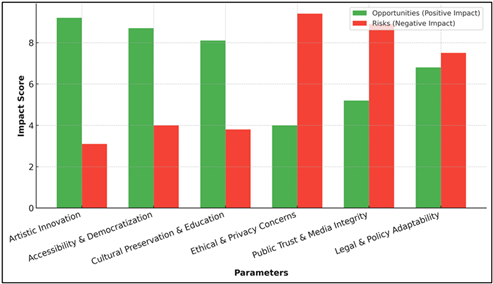
Figure 3 Comparative Analysis of Opportunities and Risks in
Deepfake Art
3) Implications
for Future Digital Art Practices
The consequences of these results spread into the future of digital art practices, which implies the re-definition of the perception of creativity and accountability in the technological environment. Artists need to become morally conscious producers, I incorporate transparency, consent and digital literacy in their artistic practices. Courses and exhibitions in art institute’s/academia ought to be designed in order to unravel deepfake art as a visual spectacle, but as a socio-technological conversation between aesthetics and ethics. Moreover, cross-functional interactions of computer scientists, ethicists and artists will be essential in establishing responsible creative environments. The future of digital art would probably be dependent on the AI-enhanced creativity, where technology will not play the role of a replacement of human imaginations but rather a partner that is controlled by ethical standards. With an ethical consciousness built into innovative creation, deepfake art will be able to move out of a disputed space of artistic writing and become a recognized and viable one-level form of 21st-century art that balances the innovation and integrity paradox.
8. Conclusion
The discovery of the art of deepfaking can be seen as a very deep duality, a duality that contains both the aspects of technological progress and the issue of ethical dilemma in the modern digital world. As revealed in this paper, the deepfake technology has become a ground-breaking phenomenon that is able to transform the way of artistic expression, the manner in which stories are told, and the way in which people interact with culture. It has enabled the digital art to expand the boundaries of human creativity and artificial intelligence in an indefinite amount of experimentation, education, and preservation of cultures. But the same power is also accompanied with some severe threats related to the invasion of privacy, misinformation, and the absence of trust in the visual media among the population. The findings justify the conclusion that the balance between the ethical responsibility and the creative freedom needs to be made so that deepfake art could be sustainable. To reach this balance, many solutions are required including open consent and authorship agreement arrangements, watermarking or labelling of synthetic media and formulation of international principles which differentiate between creative exploitation and maladaptive exploitation. Besides, the enhancement of digital literacy among the audience and increased interdisciplinary collaboration between artists, technologists, and policymakers will ensure that deep fake art will grow in the sphere of ethics. Lastly, one should not fear or be restrained but rather should be responsible in innovation because creativity is life and growth not only to the cultural but also to the moral state of human beings overall and this should be made possible by technology.
CONFLICT OF INTERESTS
None.
ACKNOWLEDGMENTS
None.
REFERENCES
Bhandarkar, A., Khobragade, P., Pawar, R., Lokulwar, P., and Saraf, P. (2024). Deep Learning Framework for Robust Deep Fake Image Detection: A Review. In Proceedings of the 2024 International Conference on Artificial Intelligence and Quantum Computation-Based Sensor Application (ICAIQSA) (1–7). IEEE. https://doi.org/10.1109/ICAIQSA64000.2024.10882361
Dhesi, S., Fontes, L., Machado, P., Ihianle, I. K., Fassihi Tash, F., and Adama, D. A. (2023). Mitigating Adversarial Attacks in Deepfake Detection: An Exploration of Perturbation and AI Techniques. arXiv. arXiv:2302.11704
Ferrara, E. (2024). GenAI Against Humanity: Nefarious Applications of Generative Artificial Intelligence and Large Language Models. Journal of Computational Social Science, 7, 549–569. https://doi.org/10.1007/s42001-024-00250-1
Kaur, A., Hoshyar, A. N., Saikrishna, V., Firmin, S., and Xia, F. (2024). Deepfake Video Detection: Challenges and Opportunities. Artificial Intelligence Review, 57(6), Article 159. https://doi.org/10.1007/s10462-024-10810-6
Mirsky, Y., and Lee, W. (2021). The Creation and Detection of Deepfakes: A survey. ACM Computing Surveys, 54(1), 1–38. https://doi.org/10.1145/3440754
Naitali, A., Ridouani, M., Salahdine, F., and Kaabouch, N. (2023). Deepfake Attacks: Generation, Detection, Datasets, Challenges, and Research Directions. Computers, 12, Article 216. https://doi.org/10.3390/computers12100216
Nandan, K. P., Pakruddin, B., Afridi, S., R., S. K., and Pati, S. V. (2025). Real-Time Detection of Fake News Articles Using Deep Learning Techniques. In Proceedings of the 2025 International Conference on Next Generation Communication and Information Processing (INCIP) (687–691). IEEE. https://doi.org/10.1109/INCIP64058.2025.11019208
Pashine, S., Mandiya, S., Gupta, P., and Sheikh, R. (2021). Deep Fake Detection: Survey of Facial Manipulation Detection Solutions. arXiv. arXiv:2106.12605
Pedersen, K. T., Pepke, L., Stærmose, T., Papaioannou, M., Choudhary, G., and Dragoni, N. (2025). Deepfake-Driven Social Engineering: Threats, Detection Techniques, and Defensive Strategies in Corporate Environments. Journal of Cybersecurity and Privacy, 5, Article 18. https://doi.org/10.3390/jcp5020018
Qureshi, S. M., et al. (2024). Deepfake Forensics: A Survey of Digital Forensic Methods for Multimodal Deepfake Identification on Social Media. PeerJ Computer Science, 10, e2037. https://doi.org/10.7717/peerj-cs.2037
Schmitt, M., and Flechais, I. (2024). Digital Deception: Generative Artificial Intelligence in Social Engineering and Phishing. Artificial Intelligence Review, 57, Article 324. https://doi.org/10.1007/s10462-024-10973-2
Shron, N. S., Singh, S., Srivastav, K., Kunte, N., Shetty, A., and Dave, H. (2025). AI-Driven Predictive Analytics for Identifying Emerging Trends in Quality-Oriented Employment. Indonesian Journal of Electrical Engineering and Computer Science, 14(1), 56–62.
Singh, S., and Dhumane, A. (2025). Unmasking Digital Deceptions: An Integrative Review of Deepfake Detection, Multimedia Forensics, and Cybersecurity Challenges. MethodsX, 15, 103632. https://doi.org/10.1016/j.mex.2025.103632
Tolosana, R., Vera-Rodriguez, R., Fierrez, J., Morales, A., and Ortega-Garcia, J. (2020). Deepfakes and Beyond: A Survey of Face Manipulation and Fake Detection. Information Fusion, 64, 131–148. https://doi.org/10.1016/j.inffus.2020.06.014
|
|
 This work is licensed under a: Creative Commons Attribution 4.0 International License
© ShodhKosh 2025. All Rights Reserved.